

Victorian Caddy Box
A victorian caddy box preserves leaf tea, biscuits or personal valuables in timber, metal or lacquer.
Victorian Caddy Box
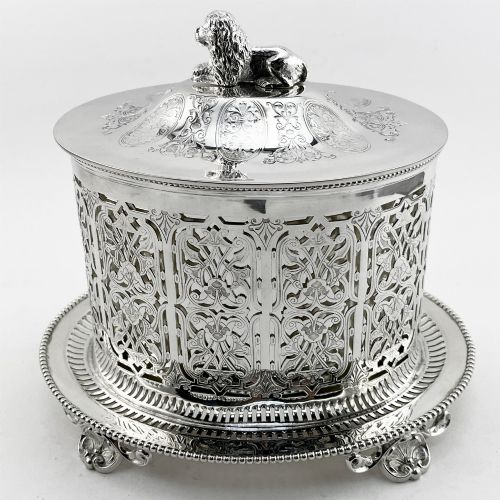
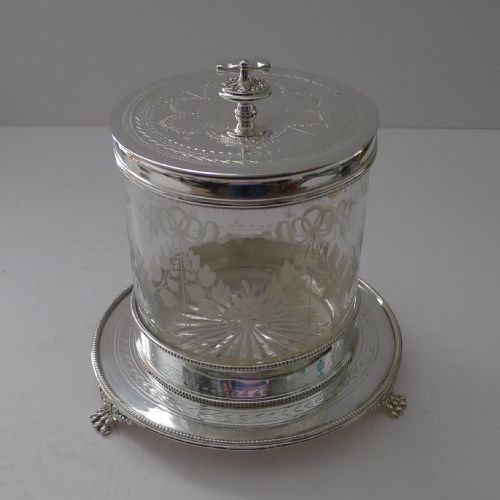
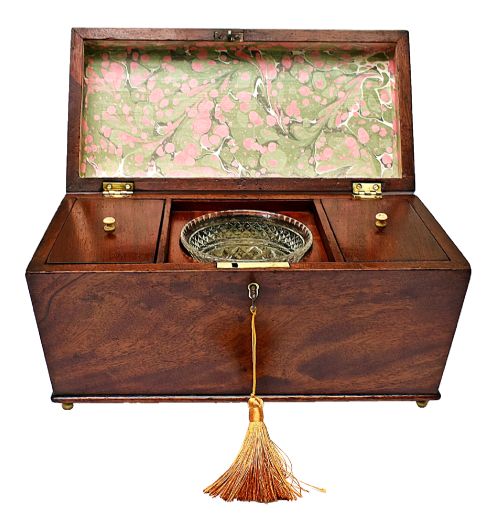
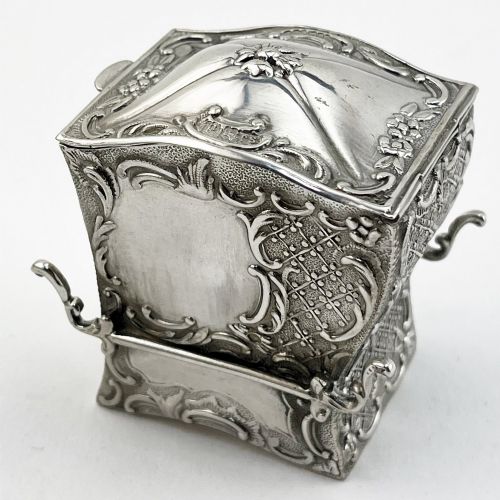
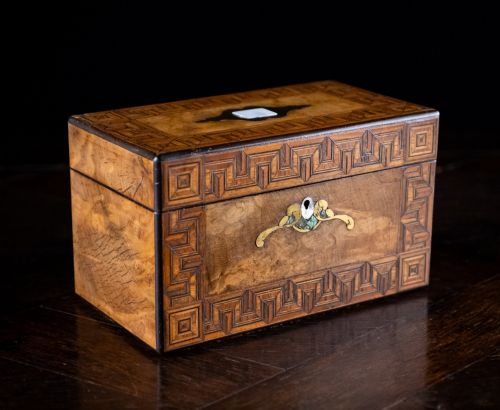
A victorian caddy box encompasses tea caddies, biscuit barrels, and small decorative caskets made during the nineteenth century. These containers served domestic functions in country houses and parlours, keeping precious dry goods secure under lock and key.
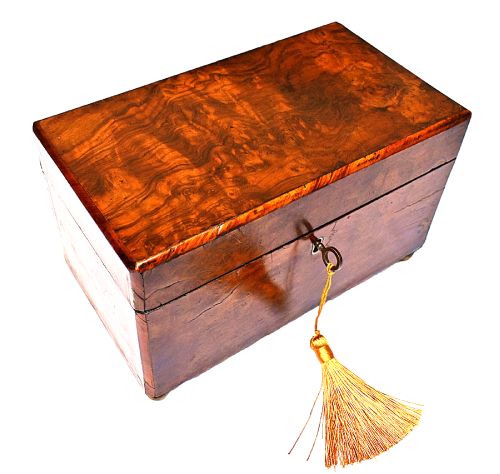
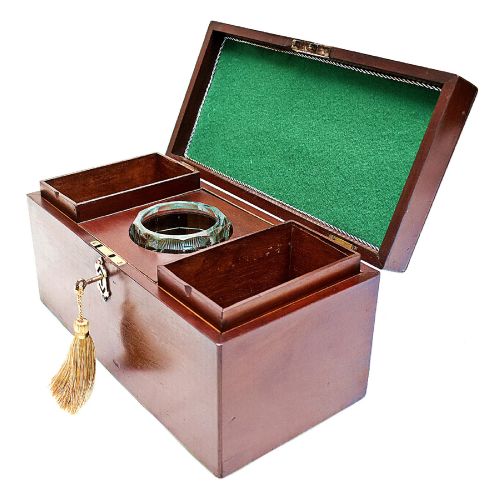
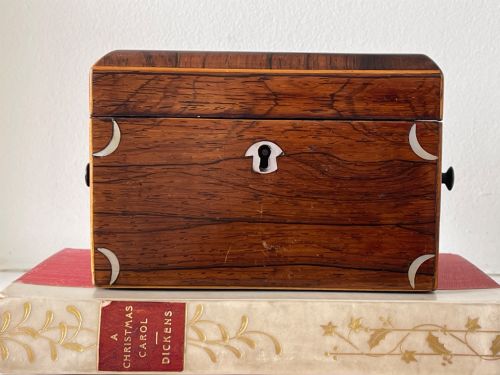
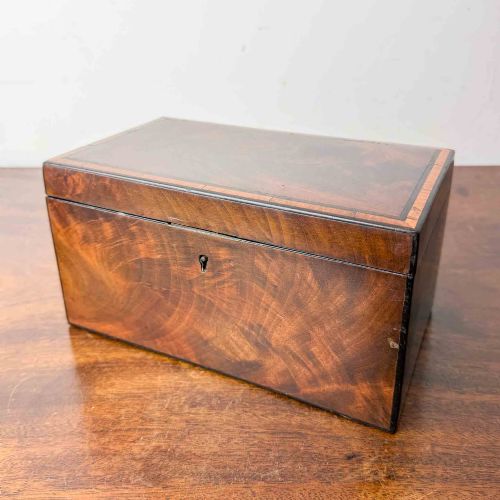
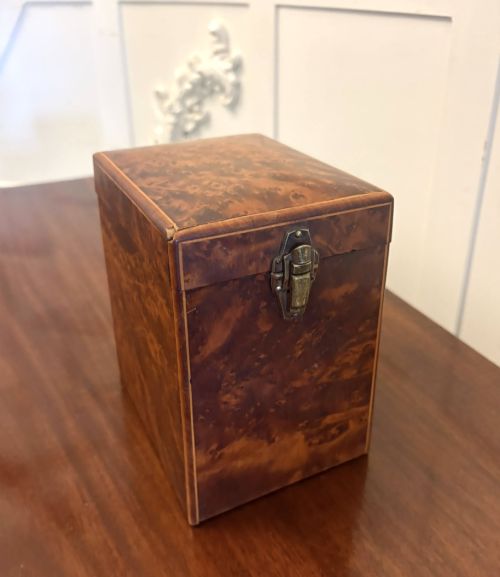
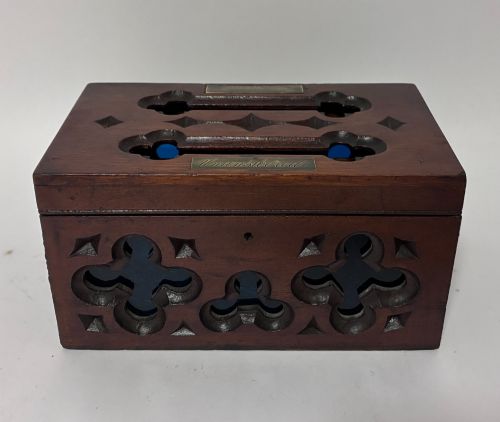
The most frequent examples found in this selection are wooden tea caddies fashioned from mahogany, walnut, or rosewood. Many incorporate interior compartments or mixing bowls, reflecting the high value placed on tea leaves during the period.
Materials and Construction
Cabinet makers utilised dense hardwoods like walnut, mahogany, and coromandel, often applying intricate veneers such as flame mahogany or burr walnut. Inlays of mother-of-pearl, brass, and Tunbridge ware geometric mosaics decorate the exterior surfaces.
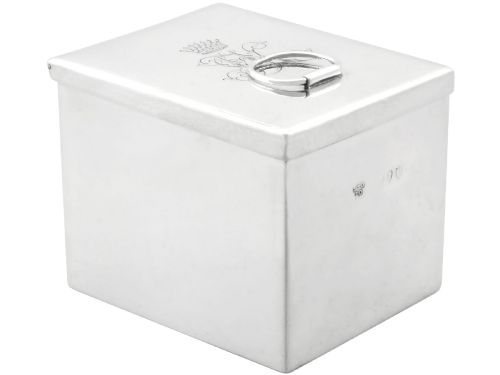
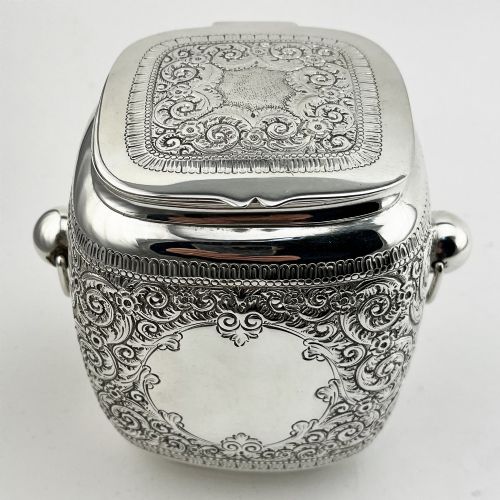
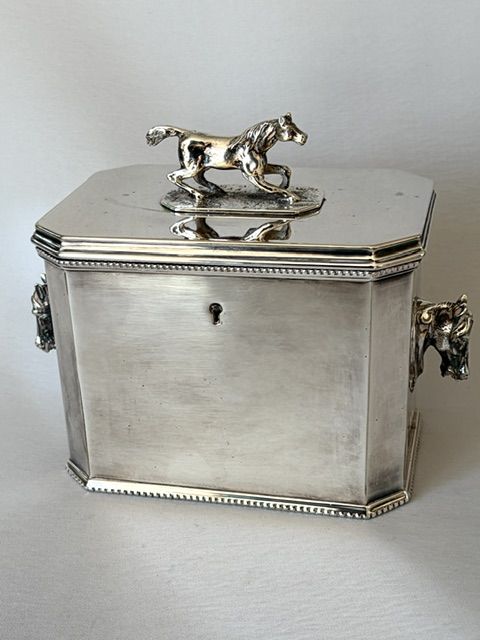
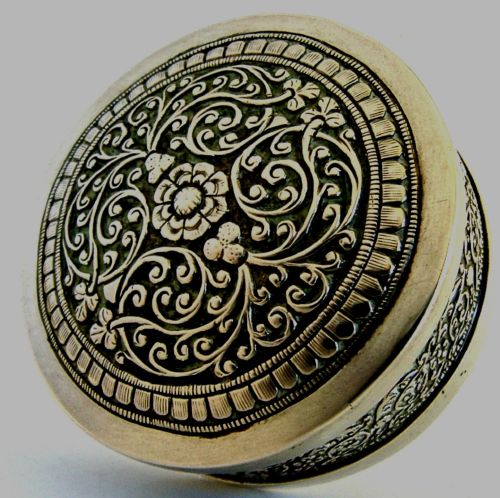
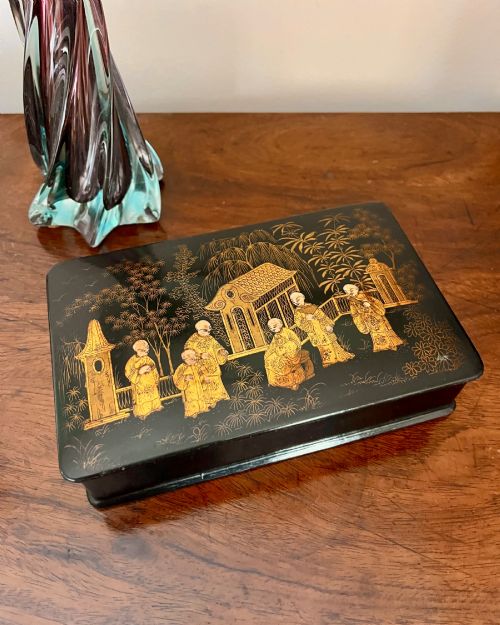
Metal versions rely on sterling silver, silver plate, brass, and lacquered papier-mâché. Silversmiths employed piercing, embossing, and bombe shaping, while metalworkers combined oak frames with silver-plated mountings for novelty biscuit boxes.
Victorian Caddy Box Retail Price Guide 2026
Typical asking prices for victorian caddy box among the pieces listed under this phrase on Sellingantiques today, from the lower quarter to the upper quarter. They describe what is for sale here now, not the wider market.
The listings show a divergence between heavy sterling silver biscuit barrels and timber tea caddies veneered in walnut, mahogany, and amboyna.
Judging the Standard
Excellence rests on the precision of the cabinet work and the integrity of the materials. Fine examples display seamless veneer matching, tight mitre joints, and intact interior foil or wooden lids that seal properly.
The weight of the metal components and the complexity of decorative techniques dictate the grade of silver and plated items. Superior pieces retain functional original locks with working keys and uncompromised internal gilding.
Martin Hall And Co·Mappin And Webb·Henry Hollamby·A J Zimmerman Ltd
The Victorian Caddy Box Glossary
- Tea caddy
- A small container designed specifically to store loose tea leaves. Early examples often featured multiple internal compartments with individual lids.
- Tunbridge ware
- A form of decorative woodwork originating from Kent utilising thousands of tiny tinted wood blocks to create mosaic pictures. These intricate geometric patterns usually adorn box lids.
- Bombe
- A bulging or swelling profile reminiscent of continental Rococo furniture shapes. This curved contour requires advanced woodworking or metal-shaping skill.
- Papier-mâché
- A composite material made from paper pulp or layers of paper bound with glue, then moulded and lacquered. It provides a smooth dark surface suitable for mother-of-pearl inlay.
- Sarcophagus form
- A box shape featuring a sloping lid and inverted base, mimicking ancient stone coffins. This architectural silhouette gained popularity for larger tea and document caskets.
Victorian Caddy Box: Frequently Asked Questions
What were victorian caddy boxes used for?
These boxes primarily stored precious loose leaf tea, which remained an expensive commodity locked away to prevent domestic theft.
Over time, similar lidded forms adapted to hold biscuits, tobacco, playing cards, or writing materials in middle and upper class households.
How do I distinguish walnut from mahogany?
Walnut displays a rich chocolate brown hue with characteristic darker grain swirls and sometimes burr patterning. Mahogany tends toward a red-brown tone with straight grain figures or dramatic flame patterns.
Both timbers were polished to a high gloss finish by period cabinet makers.
Are original keys normally included?
Many surviving boxes retain their small working keys, though countless others lost them over generations of use. Replacement locks or keys can be sourced, but an original operating lock adds historical completeness.
Functional locks demonstrate that the contents were intended to remain secure.
How should I care for a wood caddy?
Keep wooden boxes away from direct sunlight and sudden temperature shifts to prevent the delicate veneers and inlays from lifting. Apply a microcrystalline wax occasionally to nourish the historic polish without building up residue.
Avoid excessive moisture on papier-mâché and mother-of-pearl surfaces.