





Victorian Bronze Vessel
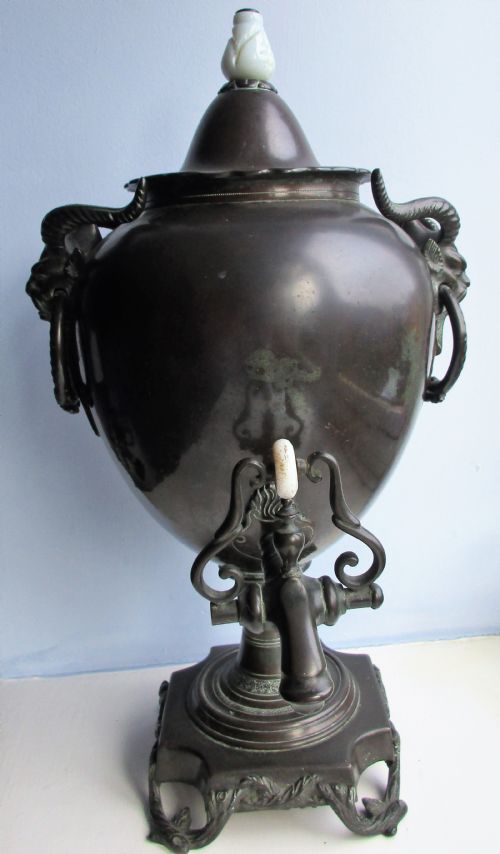
A victorian bronze vessel brings nineteenth-century weight and classical form to a room through dark patinated metal.
Victorian Bronze Vessel
A victorian bronze vessel encompasses a wide range of nineteenth-century decorative and utilitarian objects, spanning from classical Italian souvenirs to Japanese export bronzes and everyday British measures. When searching this phrase, buyers encounter items intended for display, such as Grand Tour urns and ritual vases, alongside functional pieces like planters and measures.
The objects listed most frequently on this page originate from Japanese Meiji and Edo periods or Italian Grand Tour workshops, often adapted as flower vases, jardinieres, and display urns. These pieces reflect the nineteenth-century taste for exotic ornamentation, classical antiquity, and heavy metalwork in domestic interiors.
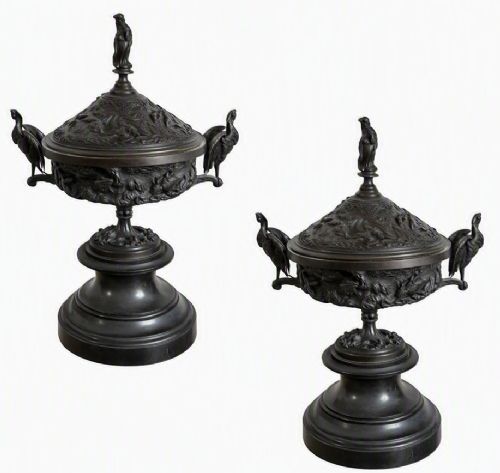
Forms vary significantly, moving from lidded tazze and amphorae on marble bases to hanging incense burners and ship bells. Each object employs bronze or patinated metal as a primary medium, frequently complemented by enamel, brass, or carved detail.
How They Were Made
Makers utilised bronze casting techniques, ranging from lost-wax methods to sand casting, to achieve intricate sculptural details like dragon motifs, handles, and classical friezes. Patination was applied chemically or naturally darkened to produce deep brown, green, or black surface tones.
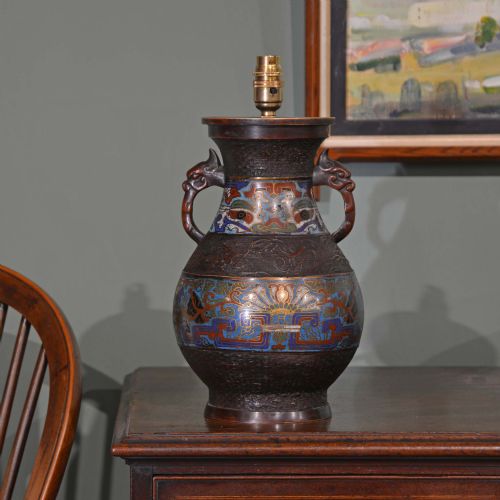
Surface ornamentation involved hand chasing, deep carving, and in some instances cloisonné enamel work set into the metal cells. Marble bases, ceramic elements, and glass inserts occasionally provided structural contrast to the heavy metal bodies.
Victorian Bronze Vessel Retail Price Guide 2026
Typical asking prices for victorian bronze vessel among the pieces listed under this phrase on Sellingantiques today, from the lower quarter to the upper quarter. They describe what is for sale here now, not the wider market.
Materials documented across the catalogue include bronze, patinated metal, brass, copper alloy, cloisonne enamel, and marble.
What Varies in Quality
The refinement of the casting and the depth of the chased surface detail separate finer works from mass-produced items. Crisp relief work on handles, figures, and decorative borders indicates superior craftsmanship.
The quality of the patina and the integrity of applied elements, such as enamel or integrated marble mounts, influence the visual coherence of the vessel. Heavier gauge metal and balanced proportions point to higher workshop standards.
Jules Moigniez·Potter of London·Benetfink And Co
The Victorian Bronze Vessel Glossary
- Grand Tour
- A nineteenth-century tradition of European travel that generated bronze souvenirs modeled on classical antiquities and ruins. These miniature urns and vases were brought home as educational keepsakes.
- Jardiniere
- A decorative container or bowl designed to hold plants or flowers indoors. They appear in bronze alongside ceramic and cloisonne variations.
- Cloisonne
- A technique where enamel paste is packed within wire cells soldered to a metal base before firing. This produces colourful patterned surfaces on vases and lamps.
- Patinated bronze
- Bronze treated with chemical solutions to accelerate oxidation and create specific surface colours. This finish protects the metal and defines the antique appearance.
- Tazza
- A shallow cup or bowl mounted on a stem and foot, frequently utilised as a decorative centrepiece. Italian examples often rested on rouge griotte marble bases.
Victorian Bronze Vessel: Frequently Asked Questions
How were these vessels used?
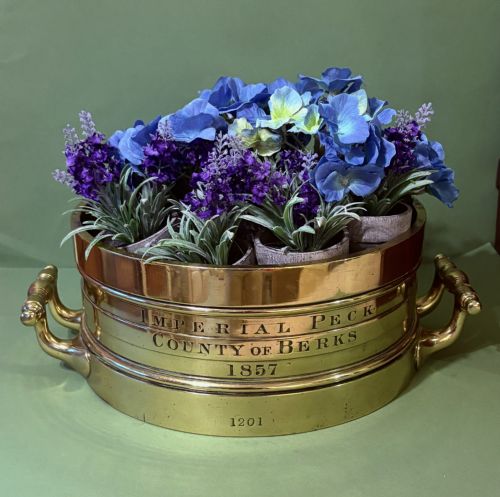
Many nineteenth-century bronzes served as ornamental flower vases, planters, or table centrepieces in formal rooms. Others functioned as practical items like capacity measures or ship bells.
Collectors also displayed Grand Tour souvenirs on mantelpieces as evidence of travel and classical education. Incense burners and ritual vessels held aromatic materials for domestic scenting.
Are these pieces purely decorative?
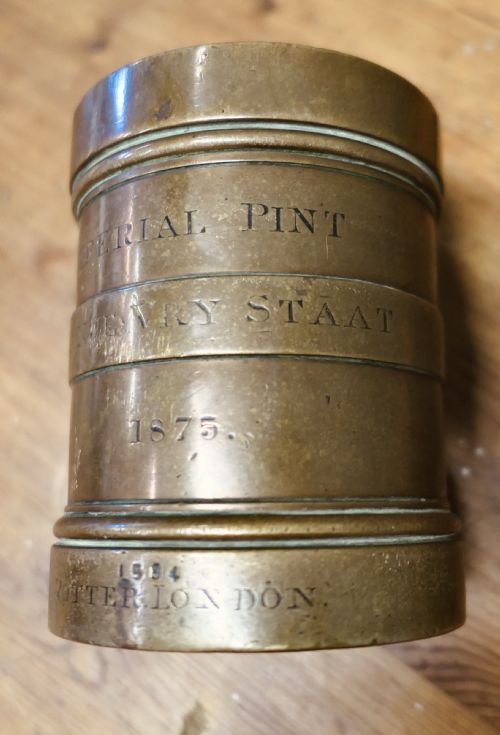
While the majority of items on this page functioned as display urns, posy vases, and souvenir reductions, several served actual domestic roles. Measuring vessels and ships record utilitarian origins.
Jardinieres and planter bowls were built to hold soil and plants, though modern owners often use them dry to protect the interior metal. Incense burners were designed specifically for ceremonial burning.
How do I tell Japanese export bronzes apart?
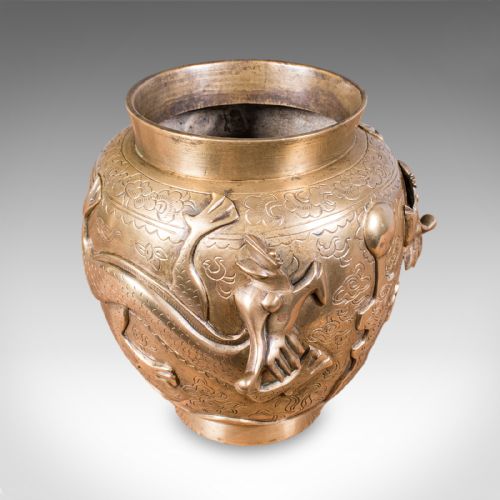
Meiji and Edo period Japanese bronzes often feature distinct motifs such as dragons, flora, and asymmetrical compositions. These pieces frequently take the form of baluster urns, censers, and shallow jardiniere bowls.
Surface treatment relies on deeply hand-carved and chased detailing rather than European classical imagery. They reflect the rapid output of Japanese workshops catering to Victorian tastes.