



Antique Standard Measure
These antique standard measure pieces are official instruments of capacity, length, and weight, prized by collectors for their precision engineering and civic history.
Antique Standard Measure
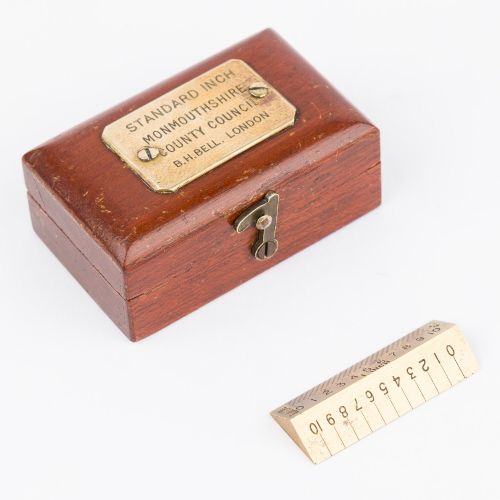
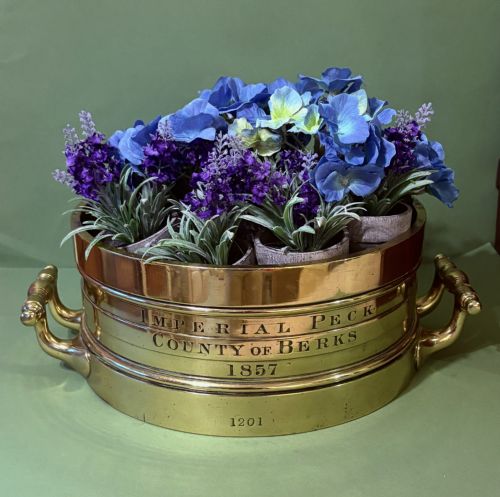
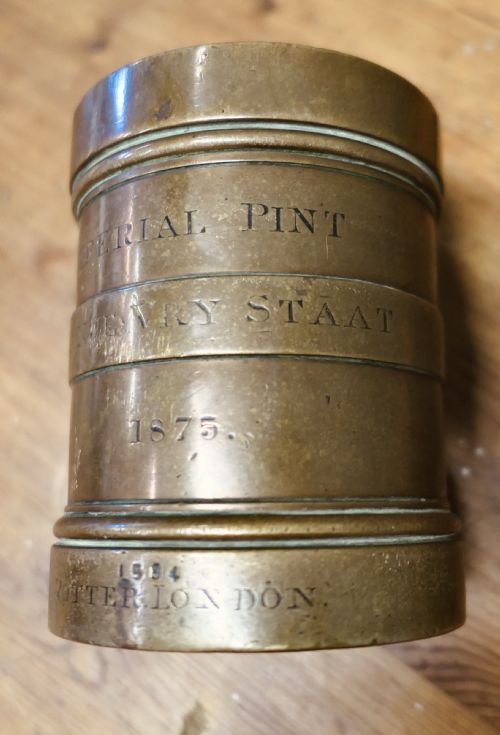
When you search for an antique standard measure, you encounter official instruments used by local authorities and governments to regulate trade and commerce. These objects range from heavy bronze imperial pint measures and peck capacities to calibrated brass weights and long brass or steel standard yards.
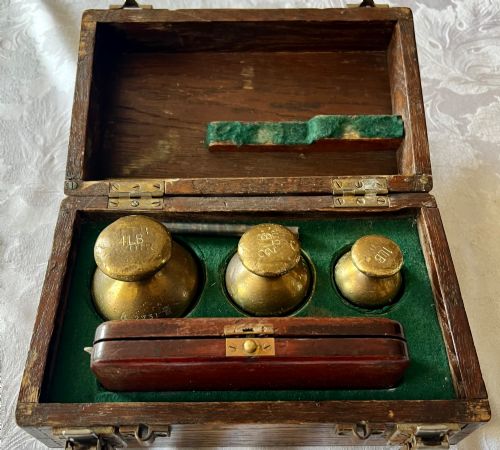
The pieces on this page span the Victorian, Edwardian, and mid-twentieth-century periods, showing the evolution of official verification from county councils to municipal boroughs. You will find boxed sets of avoirdupois weights alongside civic yardsticks and capacity vessels bearing county inscriptions.
Many of these instruments carry specific geographical provenance, such as the City of Liverpool, Northamptonshire, or the County of Essex. Such inscriptions connect each item directly to the municipal governance and commercial standardisation of its era.
Materials and construction
The construction of these pieces relies on precise casting, turning, and engraving techniques to display accurate capacities, imperial units, and maker details. Official stamps, governmental cyphers, and council titles were deeply stamped or inscribed into the metal surfaces to guarantee authenticity.
Antique Standard Measure Retail Price Guide 2026
Typical asking prices for standard measure among the pieces listed under this phrase on Sellingantiques today, from the lower quarter to the upper quarter. They describe what is for sale here now, not the wider market.
Listings feature items spanning the Victorian era through the Edwardian period up to nineteen fifty, incorporating brass, bronze, copper, wood, and velvet.
Judging quality in standard measures
The distinction between average and exceptional pieces rests upon the clarity and depth of the official engravings and municipal inscriptions. Sharply defined maker signatures and legible county provenance elevate an instrument far above unmarked utilitarian examples.
Completeness dictates value in sets, particularly where original fitted wooden boxes retain their complete complement of calibrated weights or floor plaques. The preservation of original surface patination on bronze and brass, free from aggressive cleaning, marks the finest specimens.
Potter of London·W&T Avery·De Grave
The Antique Standard Measure Glossary
- Imperial Measures
- Official British units of capacity and length established by the Weights and Measures Act. These systems governed trade across counties and boroughs until decimalisation.
- Avoirdupois
- The system of weights based on a pound of sixteen ounces used for general commerce. Standard sets in this system were utilised by city inspectors to verify shopkeepers' scales.
- Calibration Weights
- Heavy metal blocks or cylinders adjusted to exact standard masses. They served as benchmarks against which local trading standards were checked.
- Peck Measure
- A dry capacity vessel typically holding two gallons. In bronze or copper, these served agricultural and market towns for verifying grain and dry goods.
Antique Standard Measure: Frequently Asked Questions
What is an antique standard measure?
An antique standard measure is an official instrument utilised by government departments and local authorities to test commercial weights, volumes, and lengths.
These verified tools ensured fairness in public markets and shops by providing a master reference for everyday trade.
How were standard weights used?
Inspectors took these calibrated weights and measures into towns and markets to check the accuracy of scales used by merchants.
Boxes of standard weights and official yardsticks served as the ultimate legal authority for local commerce.
How do I date an antique standard?
Dating relies upon engraved governmental cyphers, maker signatures, and municipal inscriptions stamped directly into the bronze, brass, or copper.
Many pieces also include explicit production years or reference the reigning monarch of the period.
Where should I display these?
Their substantial weight and striking metal patination make these pieces ideal for placement on sturdy wooden surfaces, bookshelves, or dedicated display cabinets.
They pair well with industrial interiors and studies where their civic history can be appreciated.