



Victorian Bronze Relief
Victorian bronze relief works capture portraiture, classical scenes and heraldry in cast metal, bringing tactile historical depth to interior spaces.
Victorian Bronze Relief
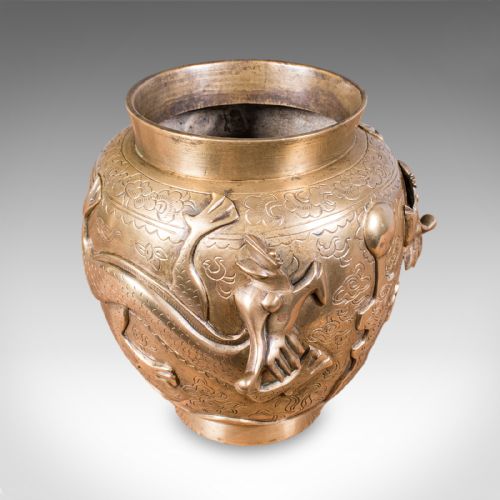
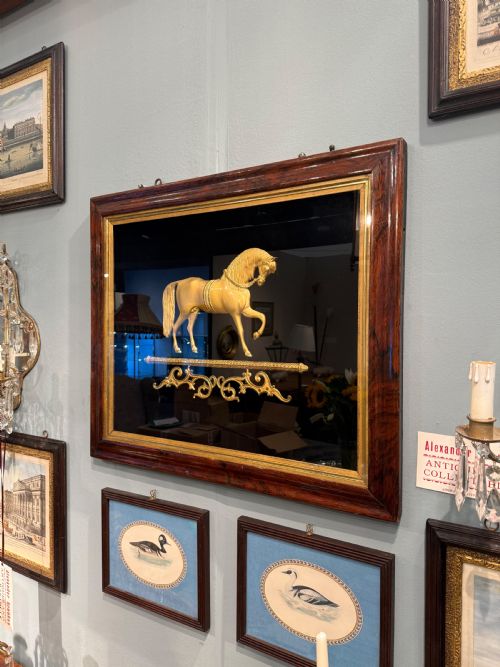
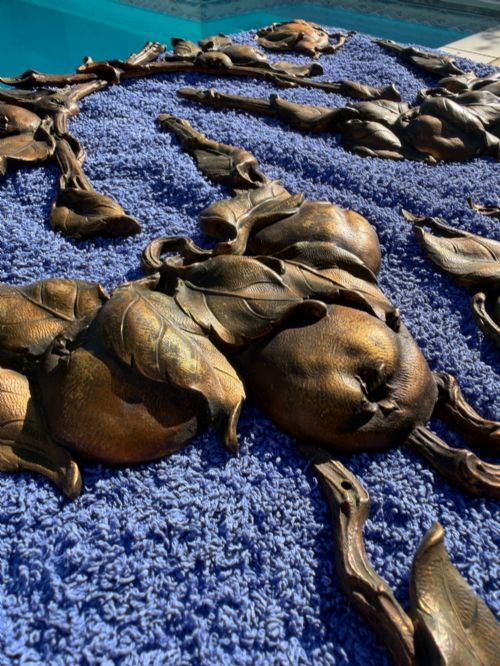
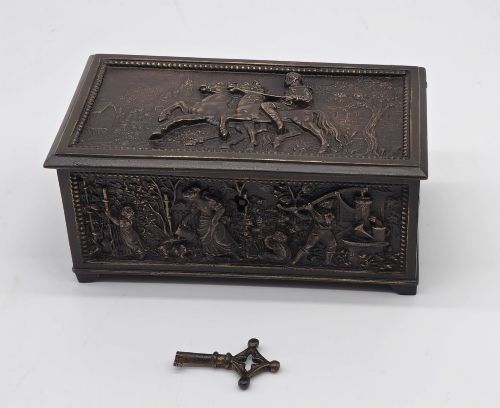
Victorian bronze relief objects encompass wall plaques, decorative medallions and figural panels created during the nineteenth century. These pieces record historical figures, literary subjects and classical motifs through raised metal surfaces designed for display.
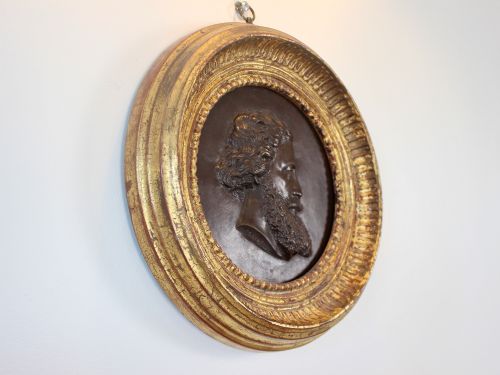
The selection frequently includes portrait panels depicting literary or royal subjects alongside architectural castings and commemorative pieces. These items range from domestic wall decorations to substantial cabinet pieces reflecting the aesthetic tastes of the era.
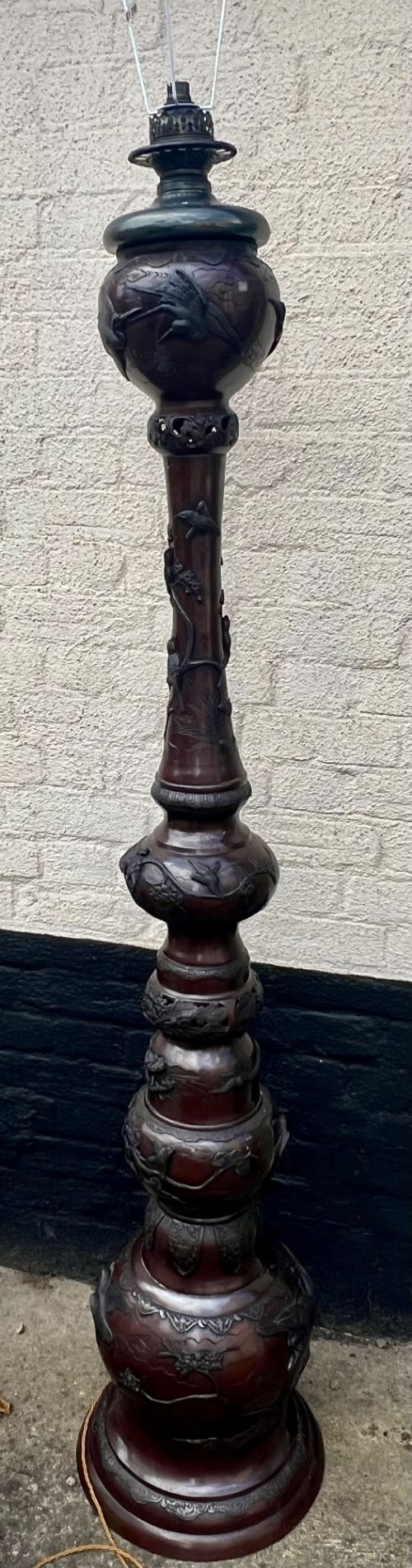
Origins span British workshops, continental foundries influenced by the Grand Tour, and Japanese export pieces associated with the Meiji period. This geographical spread introduces diverse casting traditions and iconographic themes to the category.
Materials and technique
Casting forms rely primarily on bronze, copper, and patinated brass, supplemented by gilt metal highlights and marble integration. Foundries utilised sand-casting and lost-wax methods to achieve deep relief profiles and crisp surface details.
Post-casting treatment involved chemical patination to simulate aged surfaces, alongside hand-chasing to sharpen contours. Gilding and silver-plating were applied to specific elements to create tonal contrast against darkened backgrounds.
Victorian Bronze Relief Retail Price Guide 2026
Typical asking prices for victorian bronze relief among the pieces listed under this phrase on Sellingantiques today, from the lower quarter to the upper quarter. They describe what is for sale here now, not the wider market.
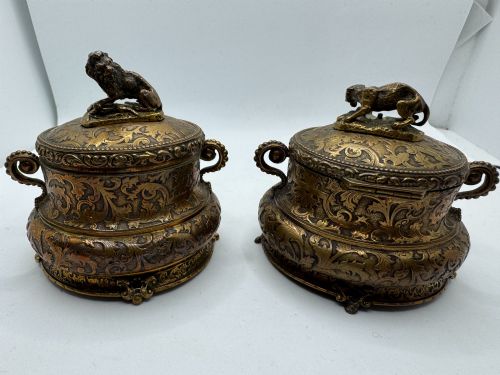
Refugee monkeys and historical dogs make unexpected appearances as finials and subjects.
Design fidelity and finish
The sophistication of the patination contributes to the visual merit of the piece. Controlled chemical toning and well-preserved gilding distinguish workshop productions from mass-market output.
Poix Blin·MAINFROY·Ernst Wahliss·Smith Beck and Beck·Gustav Grohe·J Lavergne·Coalbrookdale
The Victorian Bronze Relief Glossary
- Relief
- Sculptural technique where figures project from a flat background. High relief brings forms out substantially, while low relief keeps them close to the plane.
- Patination
- The process of treating metal surfaces with chemicals to produce coloured oxide layers. This technique protects the underlying bronze and creates antique tonal variations.
- Grand Tour
- Cultural travel undertaken by nineteenth-century Europeans to collect classical antiquities and souvenirs. Bronzes from this context often reproduce ancient statues and architectural reliefs.
- Chasing
- The manual finishing of a metal casting using small punches and hammers. This process refines textures and removes casting imperfections from the design.
Victorian Bronze Relief: Frequently Asked Questions
How do I clean a bronze relief?
Dust surfaces gently with a soft, dry brush to prevent the accumulation of grit within the recessed details. Avoid abrasive cleaners, polishes or water, which can strip historic patination and damage the metal.
Applying a microcrystalline wax sparingly helps protect the surface from atmospheric moisture. Professional conservation is advisable if corrosion or active oxidation appears on the bronze.
What is a wall plaque?
Wall plaques are flat or slightly curved panels designed to be mounted directly onto vertical surfaces for interior decoration. They frequently depict historical portraits, classical allegories or commemorative scenes.
Most feature integrated hanging loops, rear wooden backing boards or cast fixing holes. Their primary function during the nineteenth century was educational or commemorative within domestic displays.
How were these pieces used?
Nineteenth-century relief castings served primarily as decorative wall art, cabinet specimens and commemorative tokens for collectors. Portrait plaques honoured statesmen, monarchs and cultural figures within domestic libraries and studies.
Smaller reliefs were integrated into decorative boxes, inkwells and furniture mounts to add textural ornamentation. They reflected the period fascination with history, classical antiquity and fine craftsmanship.
How do I identify a period piece?
Examine the casting quality, edge finishing and backplate construction for nineteenth-century manufacturing traits. Sand-casting marks, hand-filed edges and period fastening screws offer reliable indicators of age.
Stylistic cues such as Neoclassical motifs, Aesthetic Movement borders or Victorian commemorative subjects help narrow the date of production. Documentation, signatures and foundry stamps further clarify the origin.