





Victorian Bronze Desk Sculpture
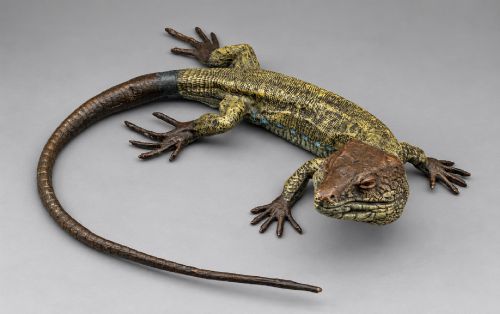
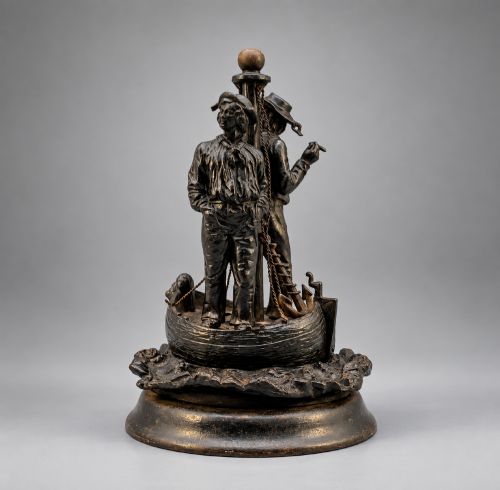
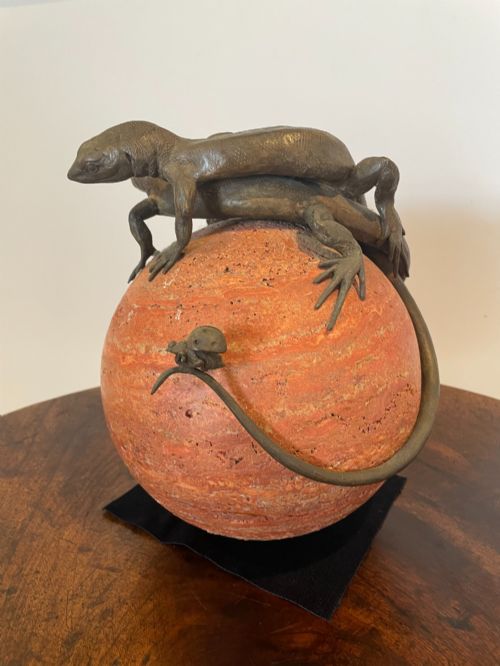
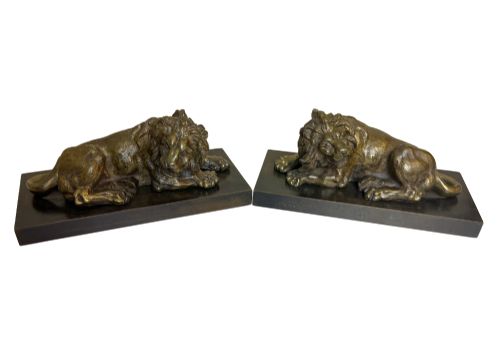
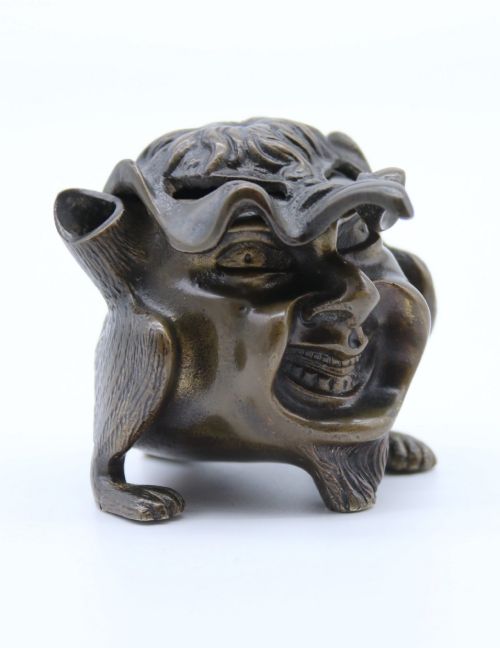
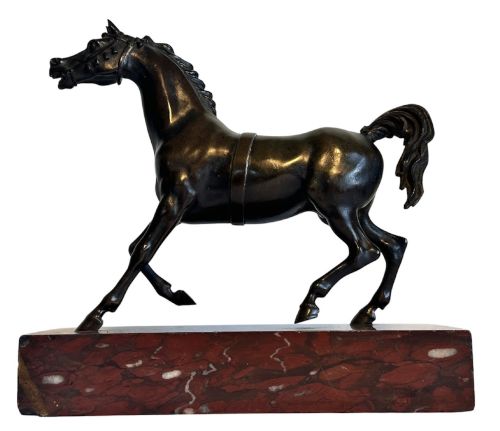
These pieces of victorian bronze desk sculpture range from practical inkwells to expressive animal studies that bring weight to any writing table.
Victorian Bronze Desk Sculpture
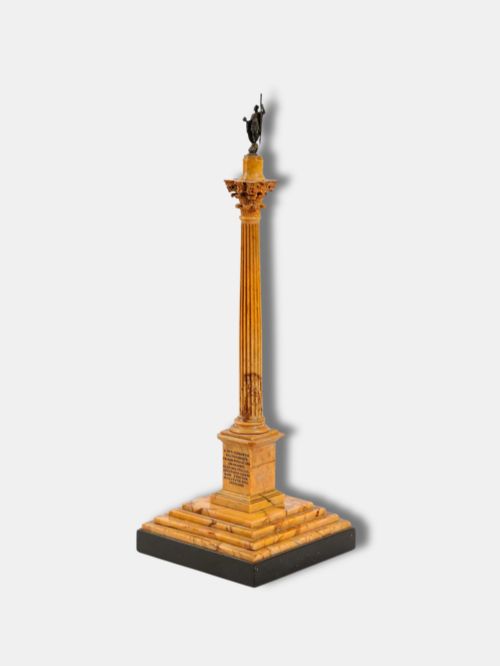
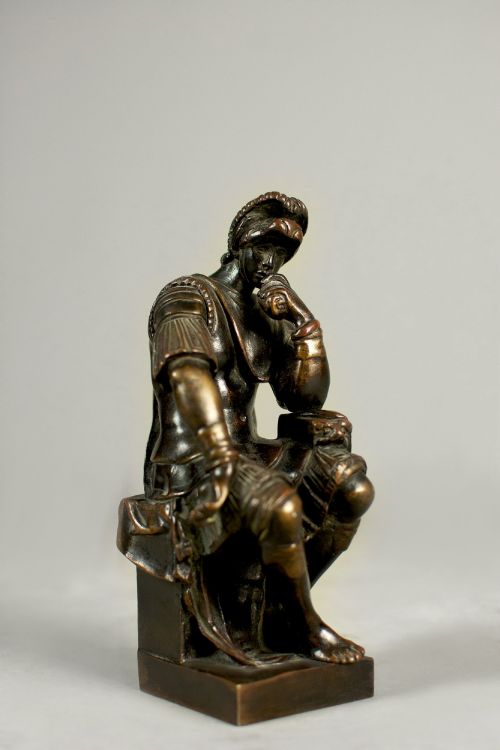
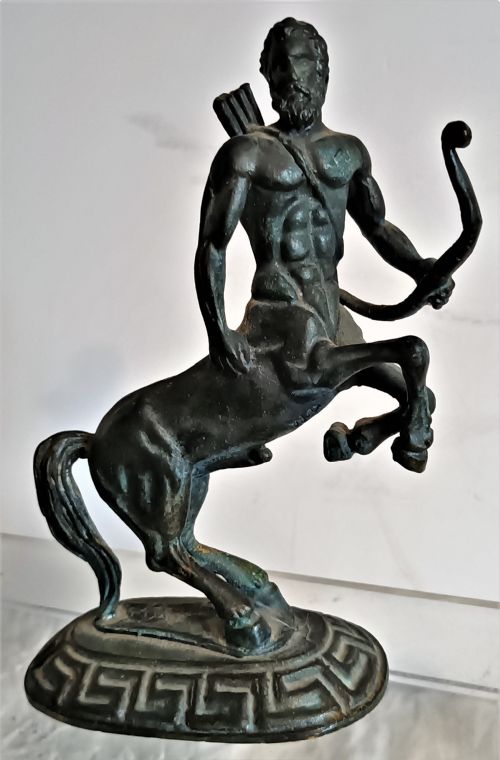
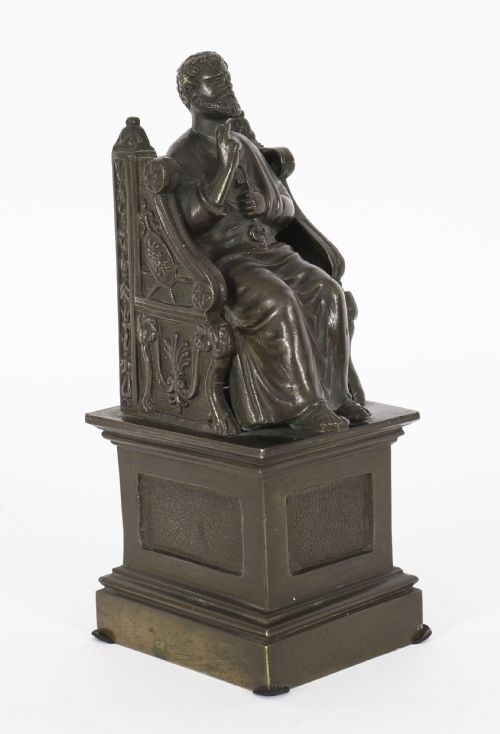
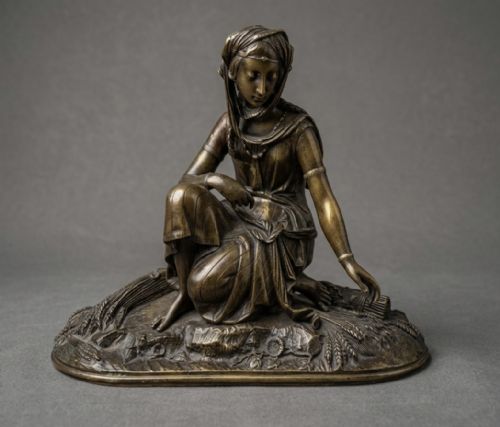
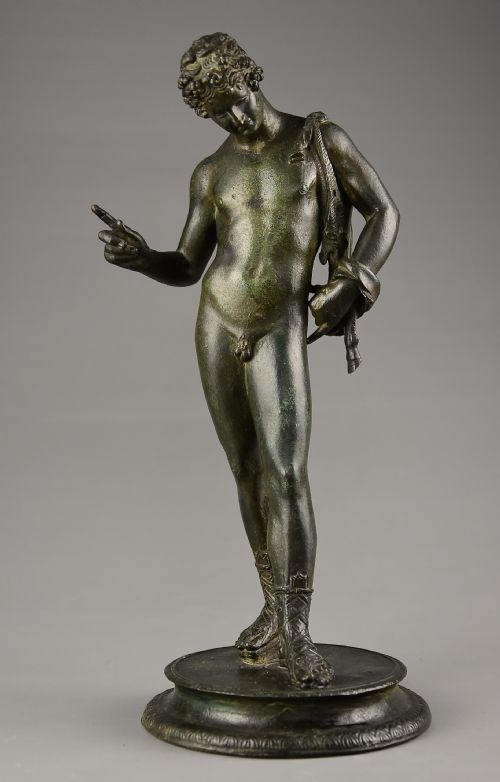
A victorian bronze desk sculpture serves both decorative and functional roles on the writing surface, appearing as inkstands, paperweights, or small figures. The selection includes French animalier studies, Grand Tour classical subjects, and character busts cast during the nineteenth century.
Makers and foundries utilised these metal figures to depict domestic animals, mythological scenes, and literary figures. Many items incorporate marble bases, ormolu mounts, or glass components to elevate their presence in the study.
How They Were Made
Surfaces received various treatments, from dark chemical patination and fire gilding to cold-painted polychrome finishes. Combinations of bronze, ormolu, and marble provided structural weight and contrasting textures suitable for desk accessories.
Victorian Bronze Desk Sculpture Retail Price Guide 2026
Typical asking prices for victorian bronze desk sculpture among the pieces listed under this phrase on Sellingantiques today, from the lower quarter to the upper quarter. They describe what is for sale here now, not the wider market.
Miniature bronze frogs and musical cherubs sit quietly alongside severe literary busts of Dante and Shakespeare on the nineteenth-century desk.
What Varies in Quality
The crispness of the chasing and the depth of the metalwork define the distinction between standard commercial castings and masterworks. Superior pieces retain sharp anatomical precision and subtle surface shading without losing definition in secondary details.
The choice of secondary materials, such as heavy variegated marble plinths or finely integrated ink reservoirs, signals higher ambition from the maker. Original patination and intact cold-painted surfaces preserve the intended aesthetic appeal of the period.
Louis Emile Cana·Antoine Louis Barye·Emile Picault·Isadore Bonheur·Arthur Waagen·Jennings Brothers·Joseph Francois Victor Chemin·Franze Bergman·Carl Kauba·Pierre Jules
The Victorian Bronze Desk Sculpture Glossary
- Animalier
- A nineteenth-century artistic movement focused on the realistic depiction of animals, particularly in motion or repose. French sculptors popularised this genre through dynamic bronzes of lions, horses, and hounds.
- Grand Tour
- A traditional trip undertaken by European gentry to study classical antiquities, inspiring small-scale bronze copies of statues and architectural elements. These souvenirs were frequently displayed on nineteenth-century desks and libraries.
- Ormolu
- Gilt bronze produced by applying a finely ground high-carat goldmercury amalgam to a bronze object before firing. The technique creates a durable golden finish common in French decorative arts.
- Patination
- The surface coloration and texture developed naturally over time or applied chemically by the foundry. Dark brown, green, and black patinas protect the metal while enhancing visual depth.
- Spelter
- A zinc-based alloy often used as a more affordable substitute for bronze during the nineteenth century. It is typically finished with a metallic paint or bronze-effect coating to mimic heavier metals.
Victorian Bronze Desk Sculpture: Frequently Asked Questions
What is an animalier bronze sculpture?
Animalier sculptures depict animals in realistic, naturalistic poses, capturing the tension and movement of wildlife or domestic pets. These figures were especially popular in France and Britain during the nineteenth century.
Artists studied anatomy closely to produce lifelike castings that frequently doubled as decorative desk ornaments or paperweights.
How do I identify a Grand Tour bronze?
Grand Tour bronzes typically replicate famous classical sculptures, mythological figures, or architectural ruins encountered by travellers in Italy. They often feature a dark green or brown patination.
These pieces were manufactured throughout the nineteenth century as high-end souvenirs for collectors returning from educational European journeys.
What is the difference between bronze and spelter?
Bronze is a durable copper alloy that takes fine chisel work and develops a rich patina over centuries of handling. Spelter is a softer zinc alloy used to produce more economical decorative items.
Objects cast in spelter are notably lighter and prone to surface cracking beneath painted finishes if subjected to heavy use.
How should I clean a patinated bronze desk piece?
Dusting with a dry, soft bristle brush is generally sufficient to maintain the surface without disturbing the historic patination. Avoid abrasive cloths, commercial metal polishes, or liquid cleaners that strip chemical finishes.
Maintaining a stable indoor humidity prevents moisture accumulation and protects the underlying metal from corrosion.