

Victorian Brass Surround
A victorian brass surround defines a hearth, bringing bright metal and considered period detail to a fireplace.
Victorian Brass Surround
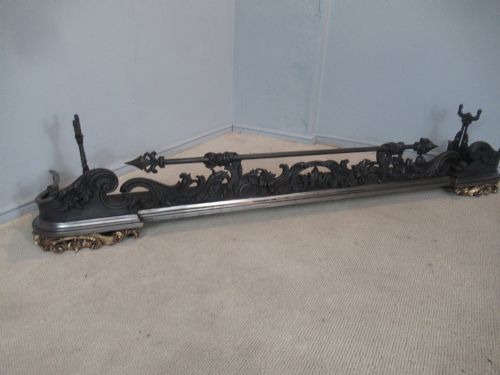
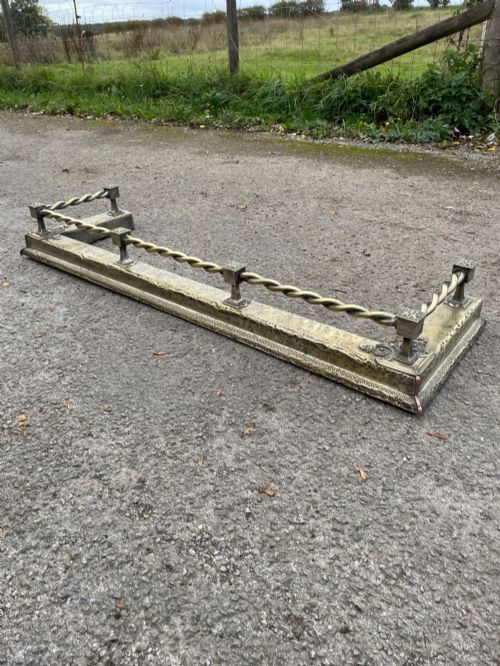
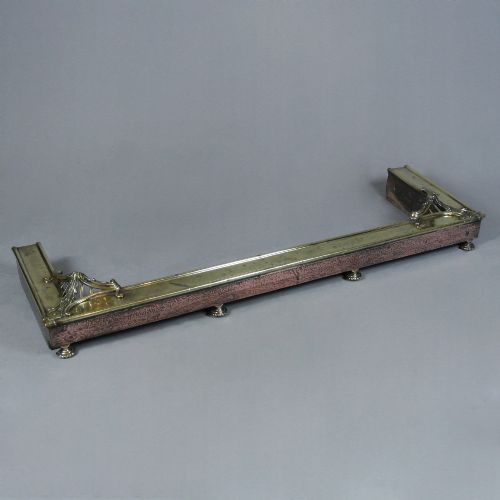
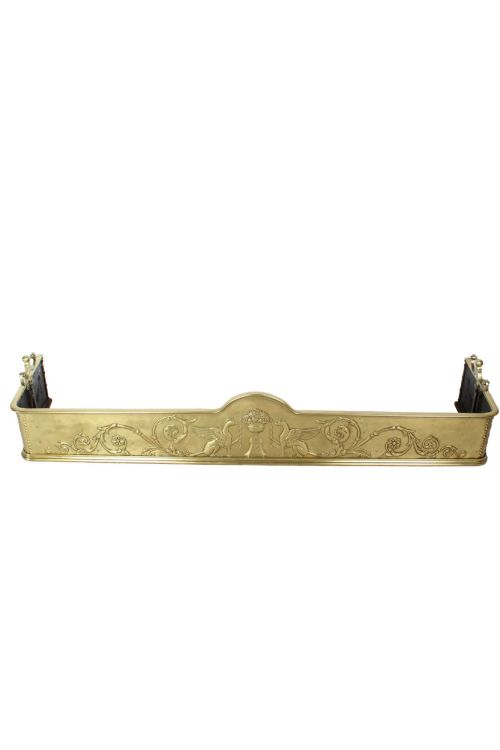
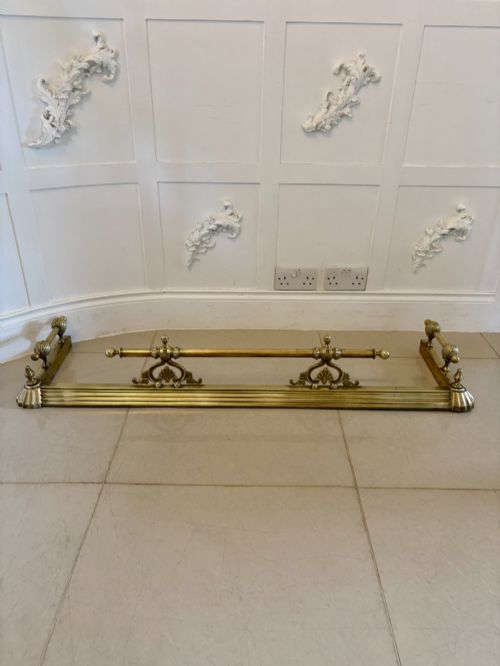
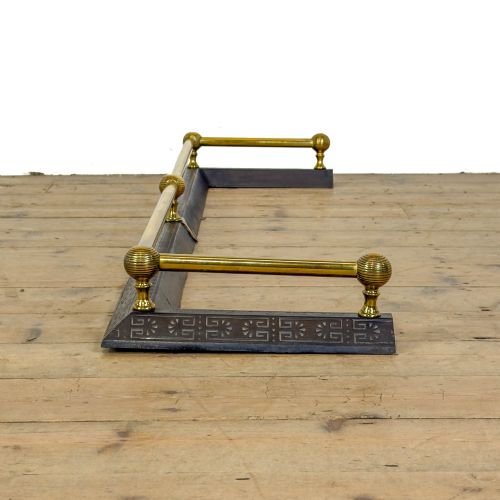
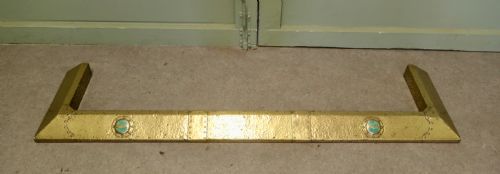
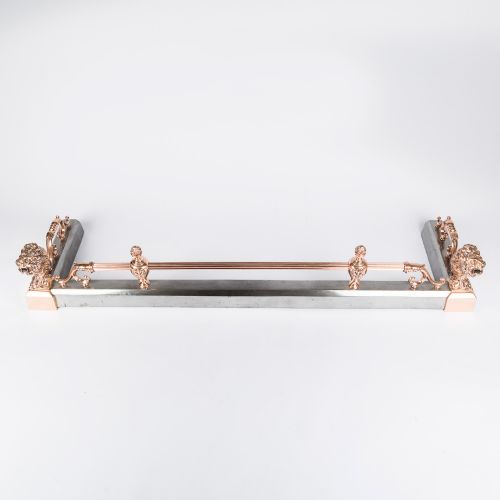
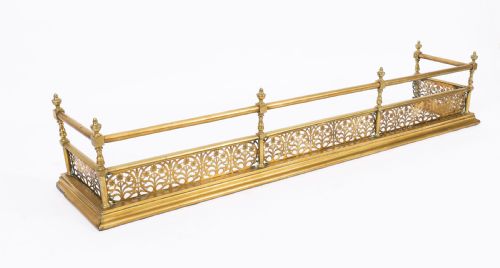
A victorian brass surround encompasses hearth fenders, fire curbs, and club fenders designed to frame a fireplace and protect the room. These pieces originate primarily from the nineteenth century, including the Victorian and Edwardian eras, alongside related styles such as Arts and Crafts and Art Nouveau.
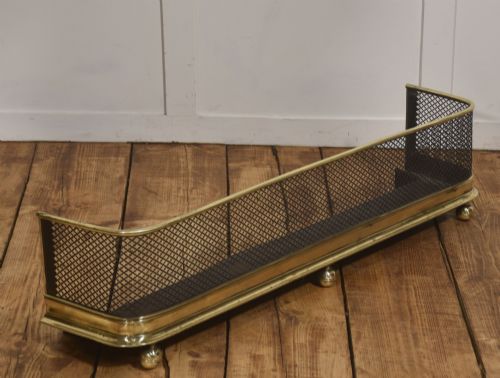
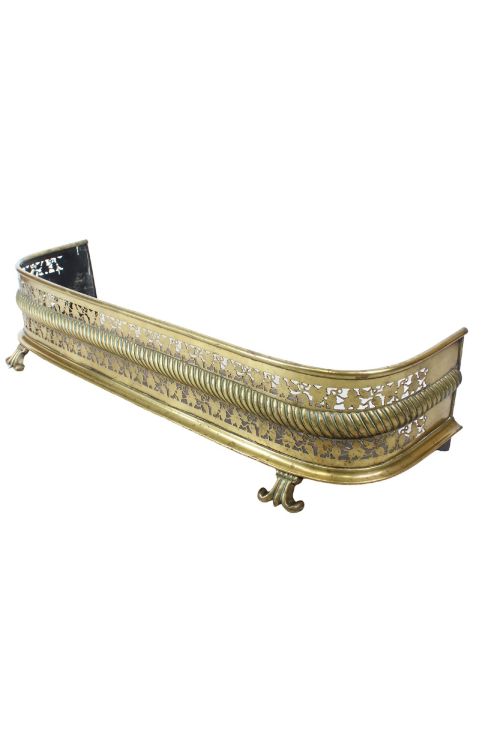
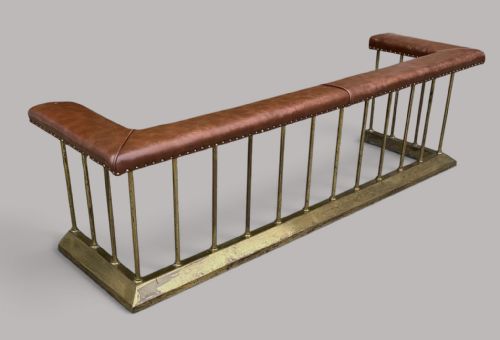
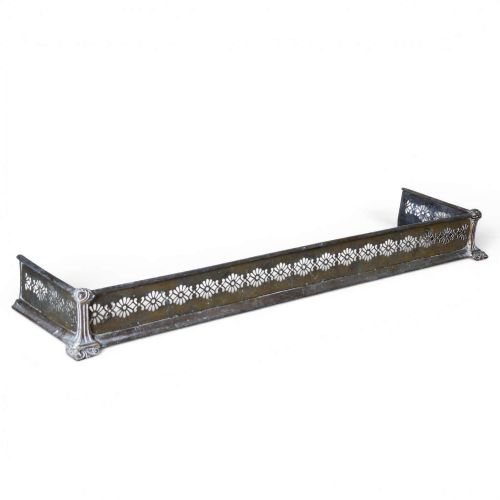
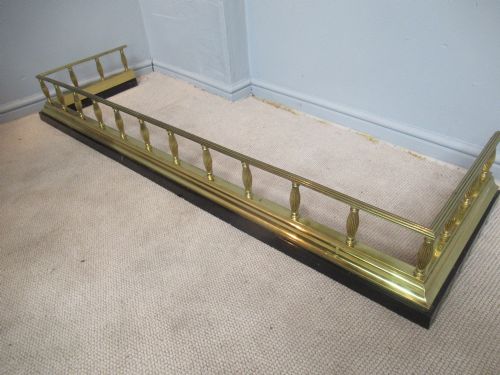
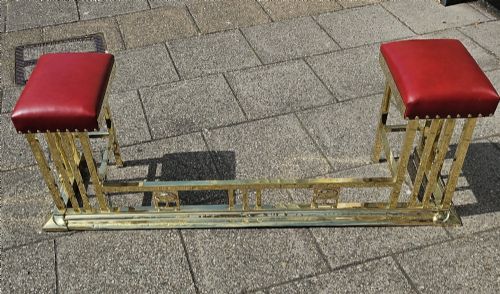
Buyers most frequently encounter standard adjustable and pierced brass fenders on this page, alongside substantial club fenders fitted with leather seating. Forms range from domestic hearth protectors to miniatures and architectural samples made for trade display.
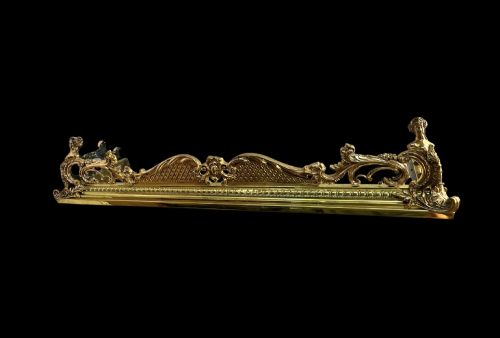
The selection includes mixed metal constructions combining brass with iron, steel, copper, and bronze. Stylistic variation spans neoclassical symmetry, rococo revival curves, and linear arts and crafts motifs.
Materials and construction
Makers utilised heavy brass sheets, cast elements, and extruded tubing, often combining the bright alloy with structural iron or steel for stability. Pierced decoration relied on careful hand-punching and cutting through sheet metal to create intricate patterns.
Club fenders integrate upholstered top rails in mature tan or green leather atop sturdy metal frames. Components were joined using traditional mechanical fixings, rivets, and corner brackets rather than modern adhesives.
Victorian Brass Surround Retail Price Guide 2026
Typical asking prices for victorian brass surround among the pieces listed under this phrase on Sellingantiques today, from the lower quarter to the upper quarter. They describe what is for sale here now, not the wider market.
The material palette extends beyond standard brass to include bronze, steel, and gilt or ormolu mounts.
Assessing quality and craftsmanship
Quality rests in the gauge of the metal and the crispness of the casting or piercing work. Fenders with thicker brass sections and well-defined decorative motifs retain their structural integrity and visual depth over generations.
The finish of secondary materials, such as heavy leather upholstery on club fenders or integrated steel components, separates standard utilitarian pieces from finer domestic examples. Original patination and substantial weight indicate superior manufacture.
The Victorian Brass Surround Glossary
- Fender
- A low metal guard placed around the hearth to contain coals and ash. These items form the majority of surrounds seen on this page.
- Club fender
- A low upholstered seat built over a metal hearth surround, allowing people to sit close to the fire. They often feature leather top rails.
- Pierced brass
- Sheet metal decorated by cutting or punching openwork patterns through the surface. This technique lightens the visual weight of the metal.
- Fire kerb
- An alternative term for a hearth surround or fender that marks the boundary of the fireplace. They frequently incorporate adjustable sections.
- Ormolu
- Gilded bronze or brass applied as decorative mounts or insets on fireplace furniture. It provides a bright, gold-toned metallic accent.
Victorian Brass Surround: Frequently Asked Questions
How do I measure for a fender?
Measure the width and depth of the hearth space where the surround will sit, accounting for any projecting hearth stones or fireplace surrounds. Many period examples offer adjustable frames to help achieve a precise fit.
Consider also the clearance needed for fire irons and whether the chosen piece is a fixed width or an extendable design.
What is a club fender used for?
A club fender provides a low seating platform around the perimeter of the fireplace while containing stray embers and ash. The upholstered top rails allowed Victorians to sit directly by the fire.
These substantial pieces often feature leather squabs and heavy brass or iron frames suited to country house interiors.
How do I clean antique brass?
Dust the metal regularly with a soft, dry cloth to prevent the buildup of grime without disturbing the historic surface. Avoid harsh chemical polishes that strip away age-appropriate patination.
If cleaning is necessary, use a mild, non-abrasive metal cleaner formulated for antique brass, working gently around pierced sections and joints.
How can I tell a Victorian fender from later styles?
Examine the construction methods, fixing types, and material thickness used in the frame. Victorian and Edwardian examples typically employ heavier gauge brass, hand-finished castings, and traditional slotted screws.
Stylistic cues such as neoclassical piercing, arts and crafts cabochons, or art nouveau curves also help indicate the period of manufacture.