

Victorian Brass Sticks
Victorian brass sticks bring heavy metal and warm golden tone to the hallway, offering sturdy support for umbrellas and walking canes alongside gleaming domestic light.
Victorian Brass Sticks
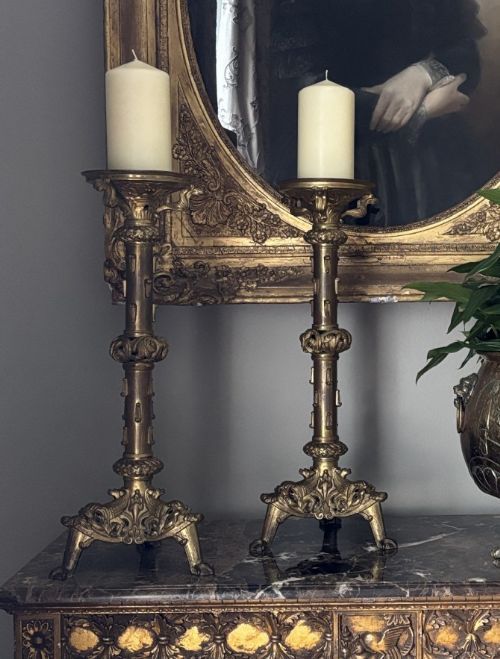
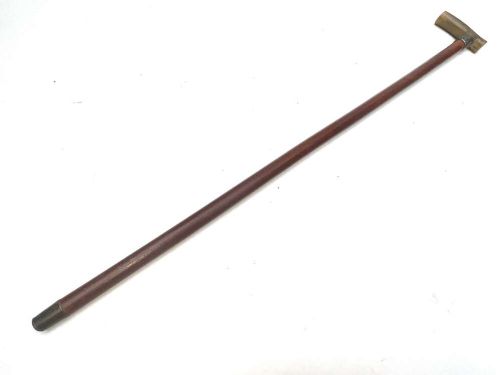
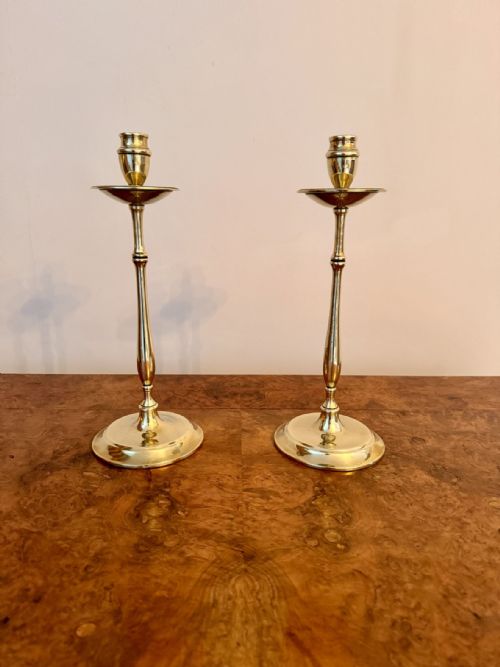
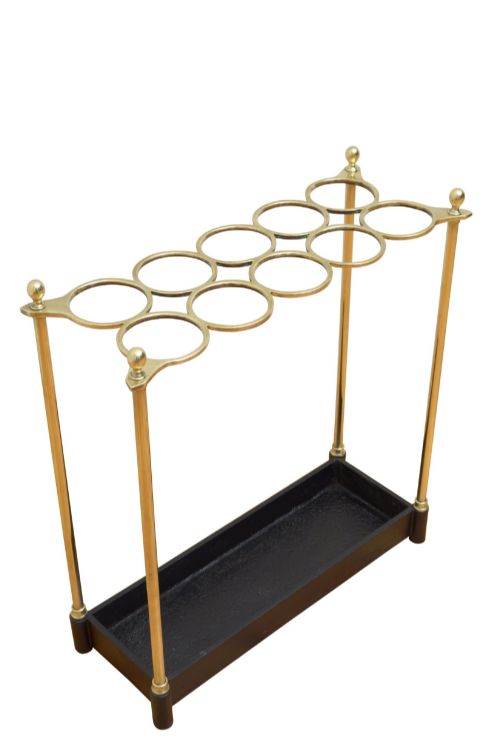
When buyers search for Victorian brass sticks, they encounter a robust mix of umbrella stands, walking cane holders, and domestic candlesticks produced through the nineteenth and early twentieth centuries. These metal pieces served practical daily functions in period hallways and reception rooms, combining utility with decorative presence.
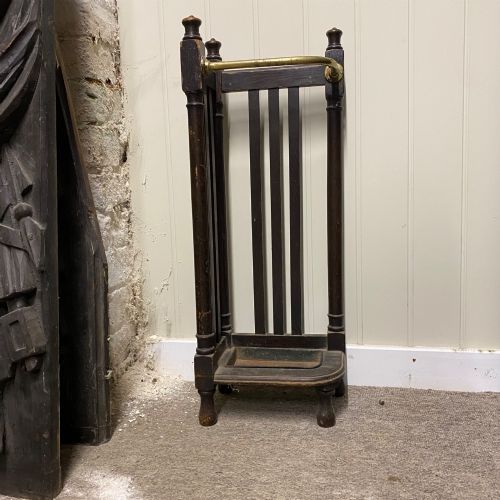
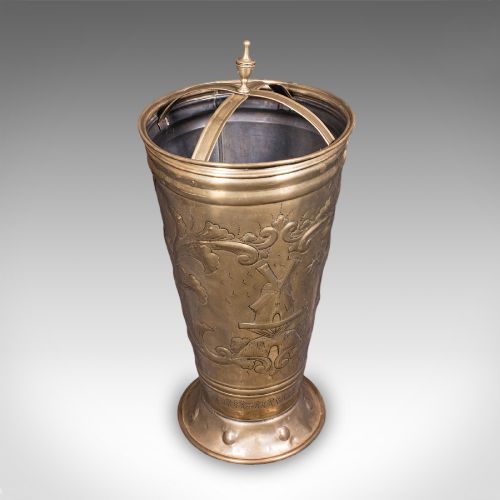
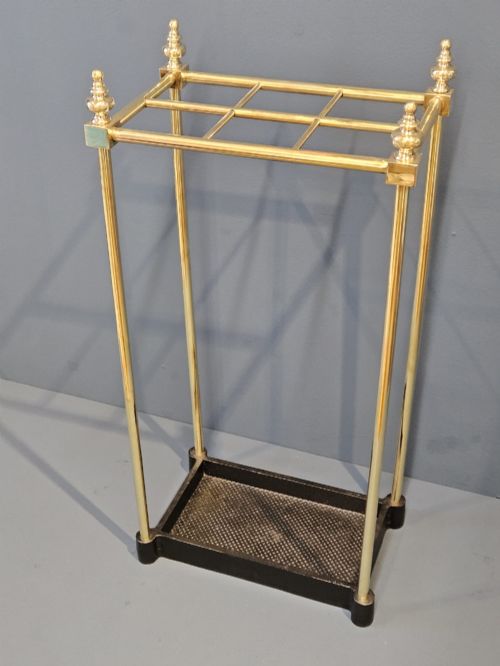
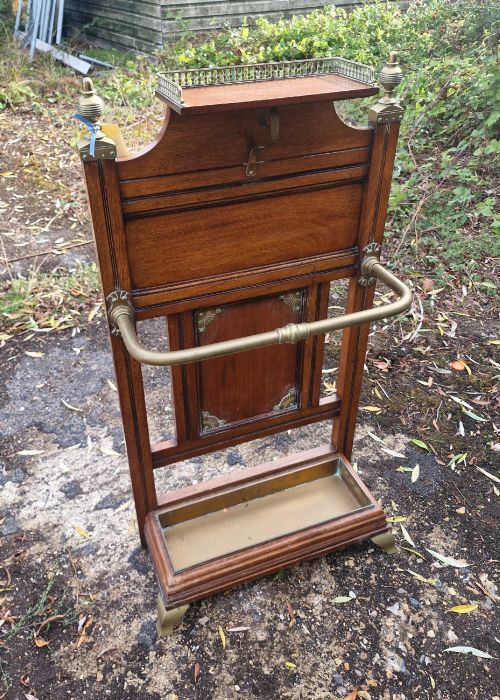
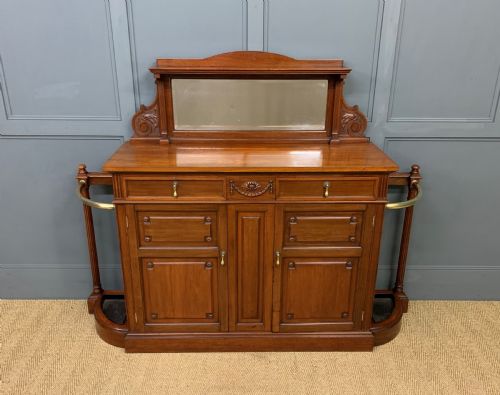
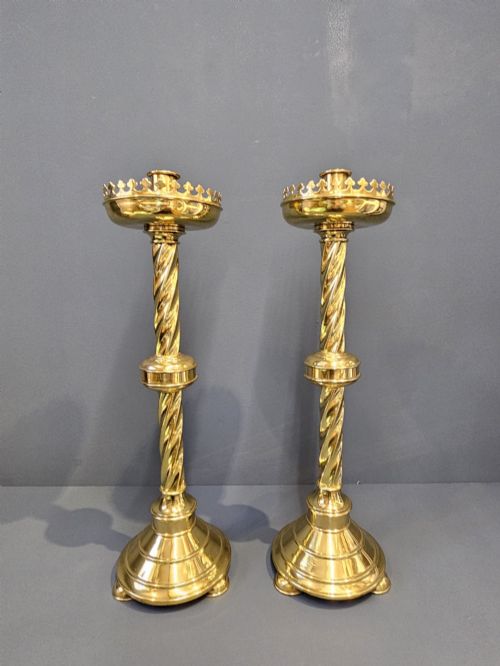
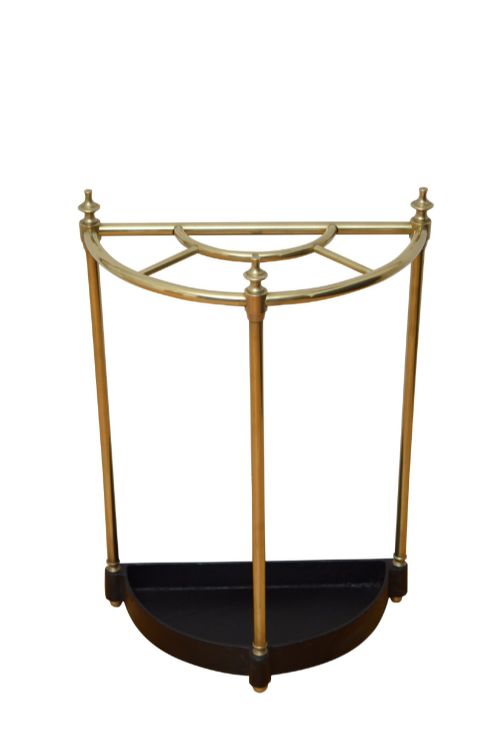
The most common forms on this page include demi-lune umbrella stands, heavy brass candlesticks, and hall stands framed in metal or paired with wood. Many examples incorporate cast iron bases or drip trays to manage wet weather gear, while others rely entirely on solid brass construction.
Origins span standard Victorian manufacturing alongside Edwardian and later interpretations, with pieces frequently combining brass with copper, oak, or mahogany. Buyers select these items to anchor a traditional hallway or to introduce functional nineteenth-century metalwork into a domestic interior.
Materials and construction
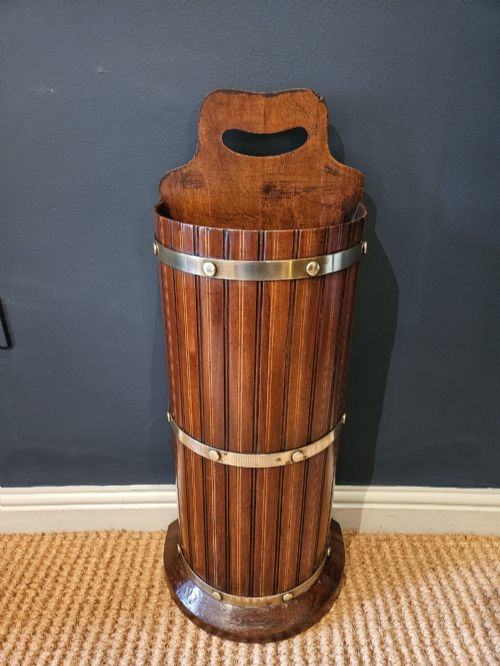
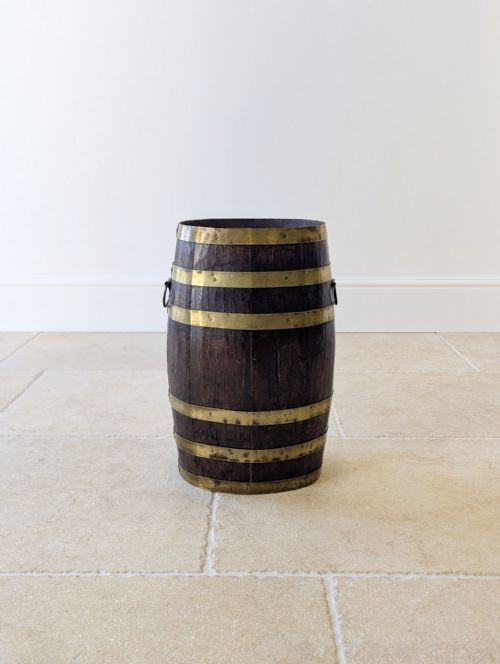
Maker workshops built these items primarily from solid brass, often combining sheet metal bodies with cast iron bases for stability. Coopered wood versions employ oak or mahogany staves bound tightly with brass bands, creating waterproof barrels for wet umbrellas.
Candlesticks and smaller accessories utilise turned and cast brass components, sometimes incorporating ejector mechanisms or decorative ball finials. Structural elements frequently rely on iron supports, steel fittings, and fitted drip trays to catch water from umbrellas and canes.
Victorian Brass Sticks Retail Price Guide 2026
Typical asking prices for victorian brass sticks among the pieces listed under this phrase on Sellingantiques today, from the lower quarter to the upper quarter. They describe what is for sale here now, not the wider market.
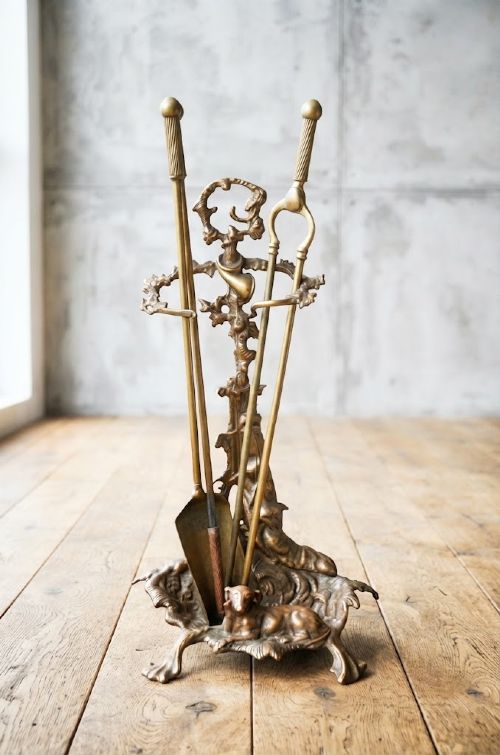
Several Victorian items feature whimsical pug dog motifs and hunting scenes to keep visitors entertained while waiting in the hall.
Judging the range
Quality in these pieces depends heavily on the weight of the metal and the crispness of the casting. Substantial cast iron bases and thick gauge brass denote superior production, preventing the tipping and bending common in lighter utilitarian items.
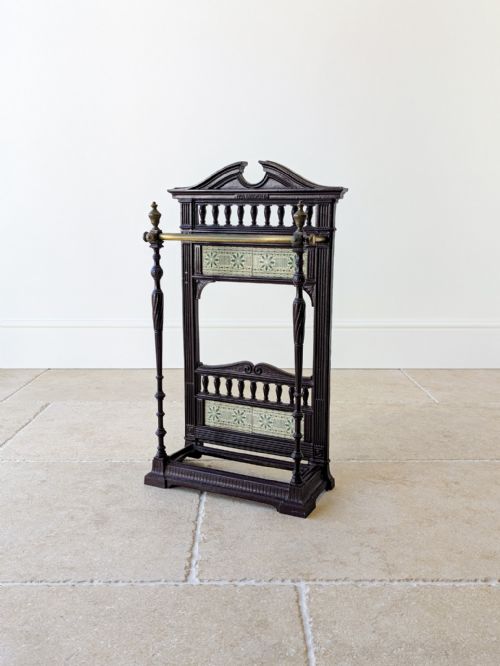
Design ambition separates basic hall furnishings from finer examples, with superior items featuring decorative ball finials, figural elements, or complex frames aligned with the Aesthetic Movement and Gothic Revival styles.
Coalbrookdale·Thomas Jeckyll·Shoolbred & Co.
The Victorian Brass Sticks Glossary
- Demi-lune
- A half-moon shape designed to sit flush against a hallway wall. This curved form saves floor space while holding multiple umbrellas and walking sticks.
- Coopered
- Construction method using wooden staves joined together side by side and bound by metal hoops. This technique mirrors barrel-making traditions.
- Ejector candlestick
- A lighting device fitted with an internal spring-loaded mechanism to push out the remaining stub of a candle. It simplifies cleaning and reloading.
- Drip tray
- A removable metal basin positioned at the base of an umbrella stand. It catches rainwater from wet sticks to protect flooring.
Victorian Brass Sticks: Frequently Asked Questions
How do I use a brass stick stand today?
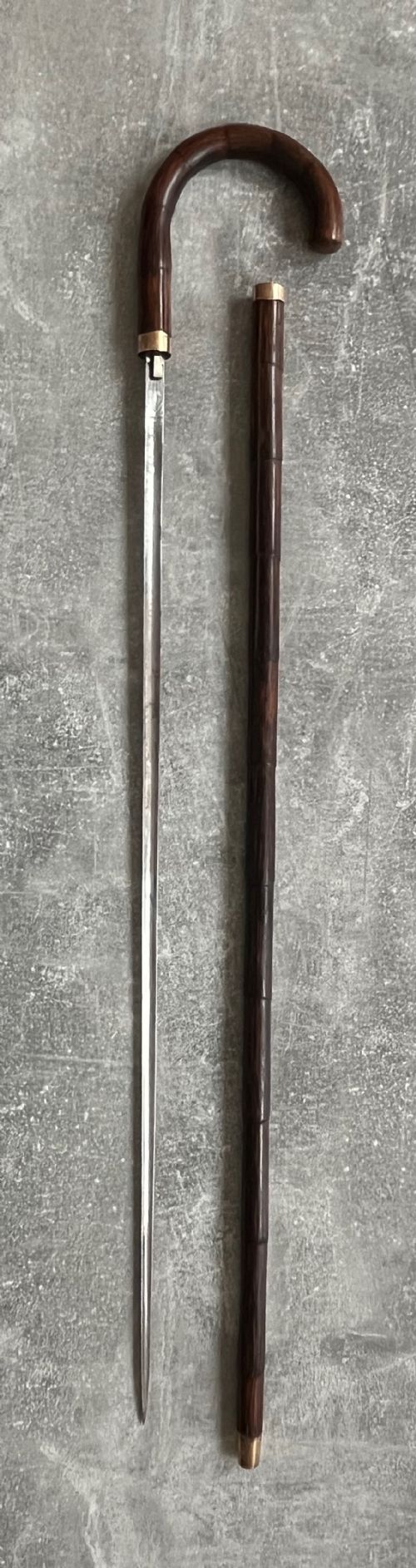
These tall metal frames and coopered barrels suit modern hallways just as they did in the nineteenth century, holding umbrellas, walking sticks, and shooting canes close to the front door.
Position the stand on a hard floor or hallway rug where the fitted drip tray can manage any moisture left by wet weather gear.
What is the difference between an umbrella stand and a hall stand?
Umbrella stands focus exclusively on holding vertical items like walking sticks, canes, and wet umbrellas within a compact brass or cast iron frame.
Hall stands incorporate additional furniture elements such as coat hooks, hat racks, mirrors, and wooden cupboards alongside the umbrella compartments.
How do I care for antique brass?
Clean the metal surface occasionally with a soft dry cloth to remove dust and maintain the natural patina built up over decades of use.
Avoid harsh commercial metal polishes that strip away the aged character, and keep the interior drip trays free of standing water.
Are these pieces purely Victorian?
While the core design language stems from the Victorian era, the listings span the nineteenth century into Edwardian production and the nineteen-thirties.
Designs overlap across these periods, incorporating Aesthetic Movement details, Gothic Revival influences, and sturdy Edwardian manufacturing standards.