





Victorian Brass Measure
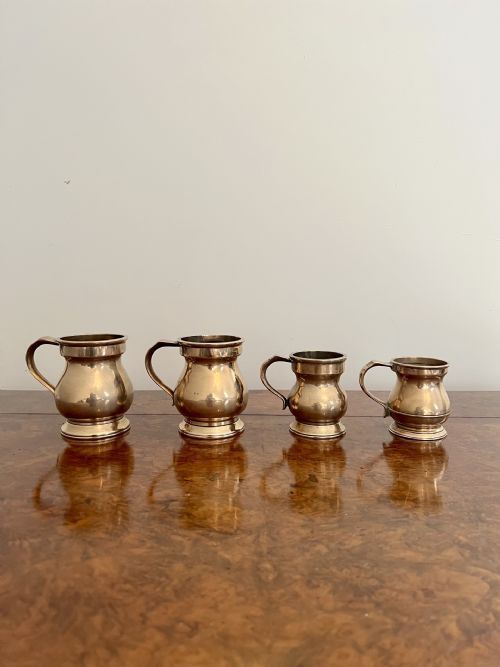
These pieces of a victorian brass measure bring the solid weight and precise craft of nineteenth-century trade into modern spaces.
Victorian Brass Measure
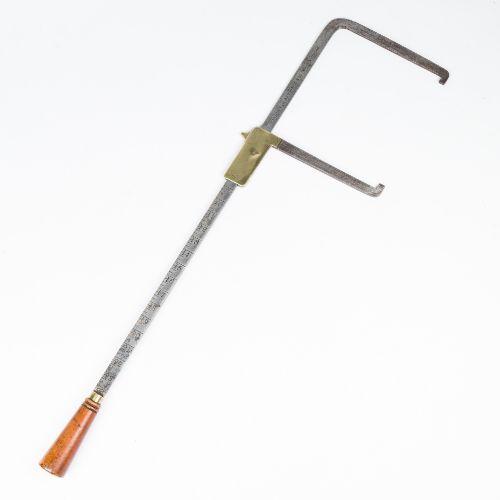
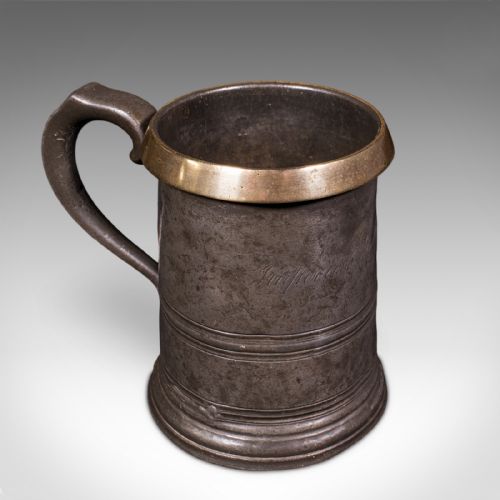
When you search for a victorian brass measure, you find functional objects that once governed the daily trade of markets, public houses and official laboratories. These items range from capacity vessels like gallon haystack measures and bell-shaped tankards to scientific instruments, hydrometers and verification balances.
Most examples date from the nineteenth century or the Victorian period, though related scientific and standardising instruments stretch into the early twentieth century. Materials lean heavily on heavy brass, copper, bronze and wood, reflecting a utilitarian purpose designed to withstand constant handling.
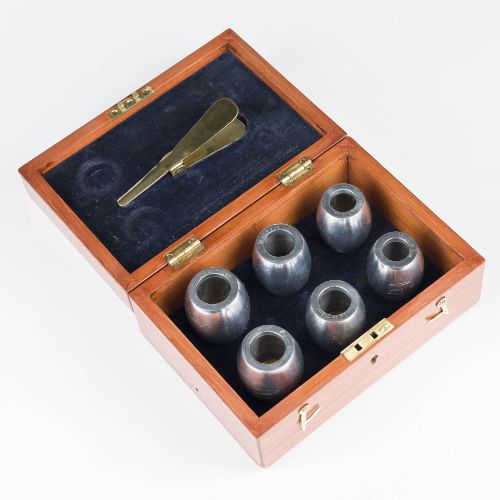
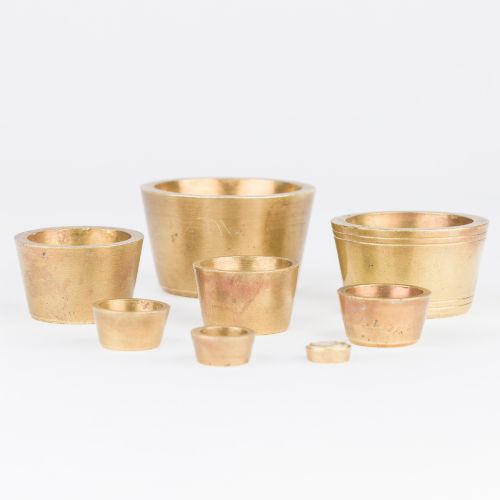
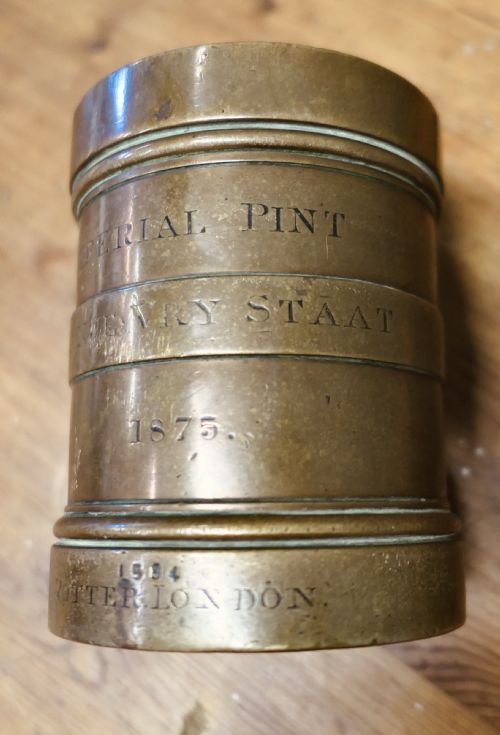
The objects frequently carry stamps, county names or maker inscriptions, marking their role in legal metrology and local governance. Buyers encounter everything from tavern pint jugs to county standard yards and sets of Troy ounce weights.
What varies in quality
The standard of a piece rests upon the crispness of its official verification stamps and the legibility of maker inscriptions. Sharply struck county marks and clear maker details indicate a higher grade of official commission.
Substantial metal thickness and the survival of original matching components, such as complete sets of weights or fitted wooden boxes, elevate the stature of an item. Superior finishing shows clean lathe turning and careful hand-polishing rather than careless modern restoration.
Victorian Brass Measure Retail Price Guide 2026
Typical asking prices for victorian brass measure among the pieces listed under this phrase on Sellingantiques today, from the lower quarter to the upper quarter. They describe what is for sale here now, not the wider market.
Listings feature brass, copper, bronze, mahogany, glass, pewter, and wood across periods from the nineteenth century into the twentieth.
De Grave Short and Co·Potter of London·Negretti and Zambra·J Hicks of London·J Bower·W H Harling
The Victorian Brass Measure Glossary
- Haystack measure
- A traditional British liquid capacity measure with a distinctive tapering, bell-like profile reminiscent of a hayrick. These metal vessels were widely used in public houses and markets.
- Imperial standard
- An official physical representation of a unit of weight or measure sanctioned by the British government. These items maintained uniformity across trade and commerce.
- Verification balance
- A high-precision scale utilised by local inspectors to check the accuracy of commercial weights. They ensure fair trade in public markets.
- Sikes hydrometer
- A specialised instrument used to determine the strength of spirits by measuring specific gravity. It became the standard tool for excise officers and brewers.
- Troy ounce
- A system of units of mass originating in medieval trading and used primarily for precious metals and gemstones. The standard differs from the avoirdupois system.
Victorian Brass Measure: Frequently Asked Questions
What is a haystack measure?
A haystack measure is a traditional British liquid capacity container featuring a characteristic curved profile. These vessels were stamped for official use in trade.
They appear in sizes ranging from pints to gallons, constructed primarily from brass or copper.
How were these measures used?
Municipal authorities and public houses used these metal vessels and weights to regulate commerce and verify the volume of ale, grain, or liquids. Inspectors carried them to markets to ensure merchants gave honest amounts.
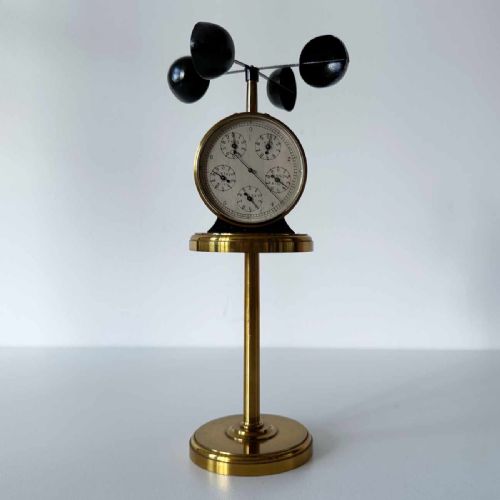
Scientific variations measured wind speed, specific gravity in spirits, or linear distance for county surveys.
How do I identify a Victorian piece?
Victorian examples often bear crowned verification ciphers, sovereign stamps, or specific county inscriptions alongside nineteenth-century dates. Makers engraved or punched these details directly into the brass or bronze.
The weight of the metal and the presence of original wooden fitted boxes also point towards nineteenth-century production.
How do I care for antique brass?
Keep the metal away from damp environments to prevent verdigris and active corrosion from forming on the surface. Dust the pieces gently with a dry cloth rather than applying harsh modern chemical polishes.
Allowing a natural, aged patina to remain preserves the historical character and original appearance of the metal.