




Victorian Brass Instrument Case
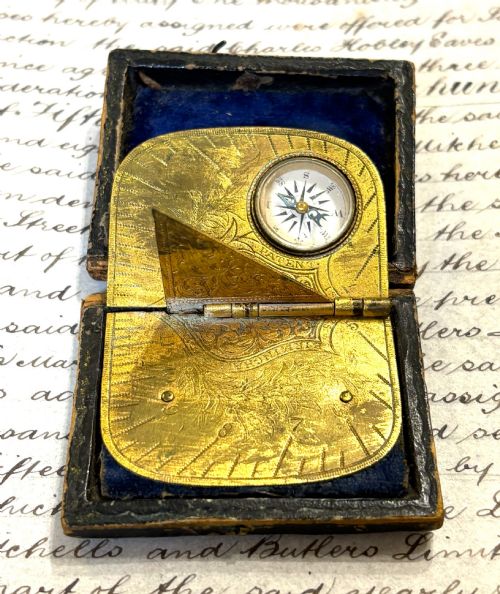
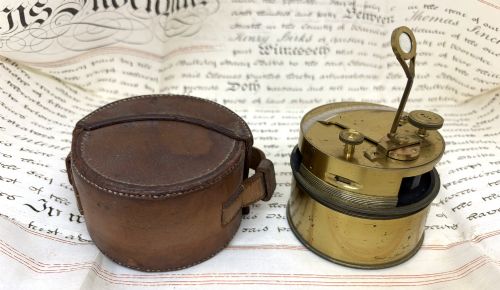
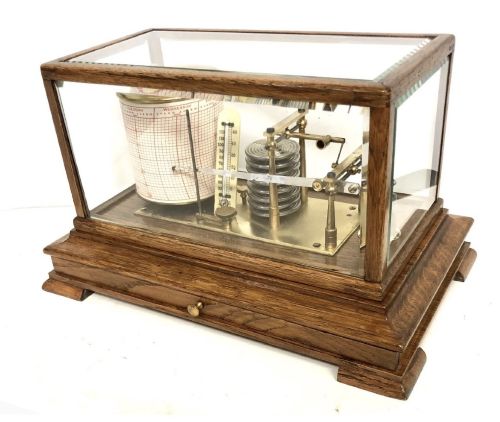
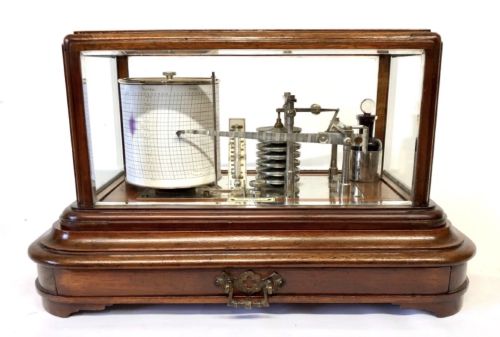
These victorian brass instrument cases house scientific and navigational apparatus in fitted timber boxes.
Victorian Brass Instrument Case
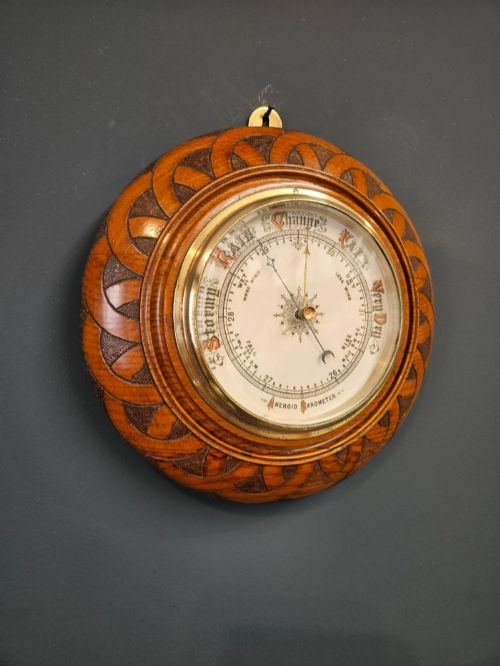
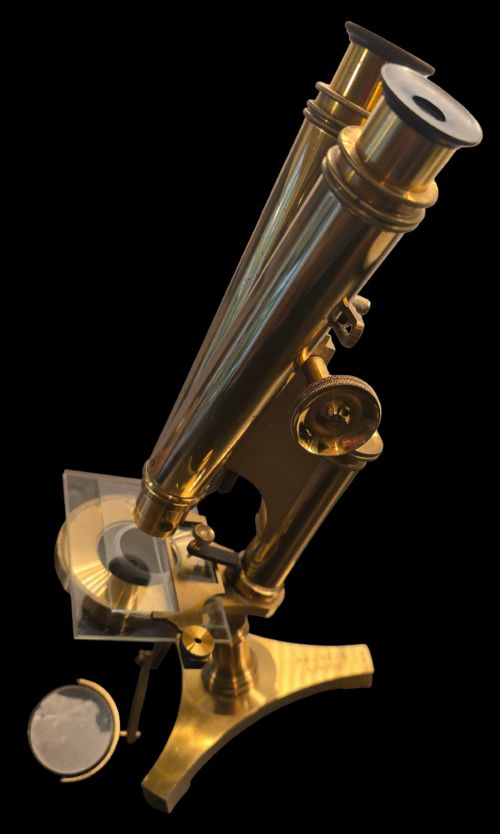
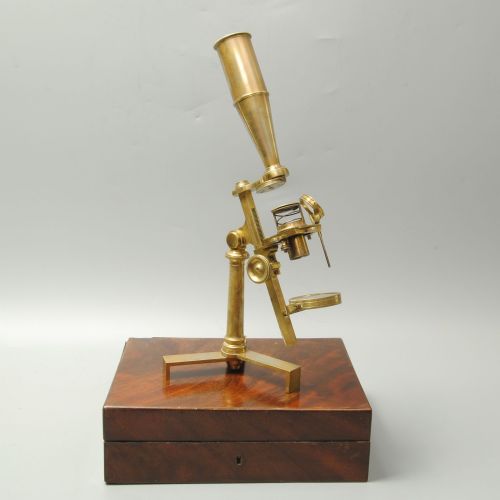
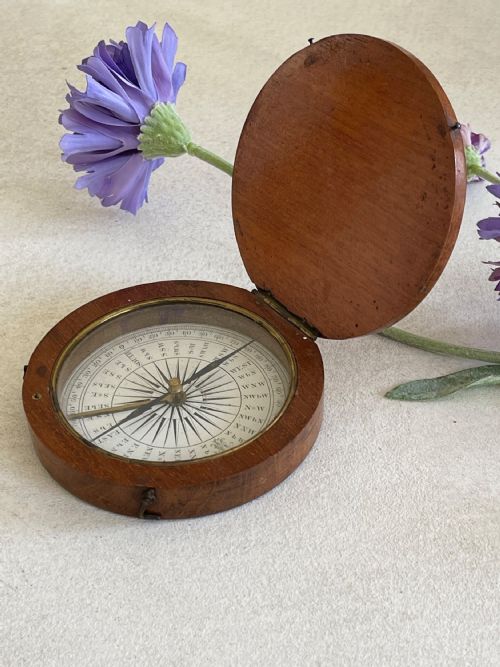
A victorian brass instrument case protects precise scientific, optical and navigational equipment made during the nineteenth century and the early Edwardian period. The items found within these enclosures include barographs, microscopes, compasses, barometers and surveying tools.
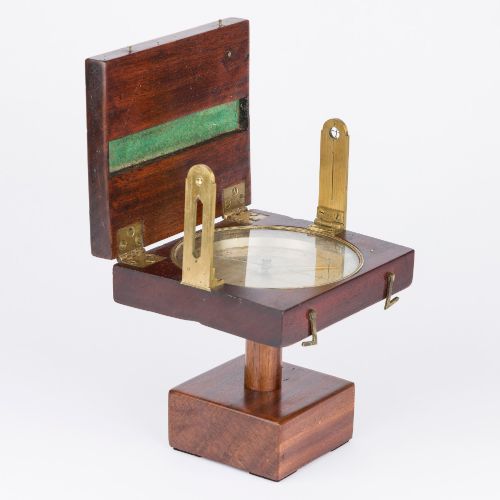
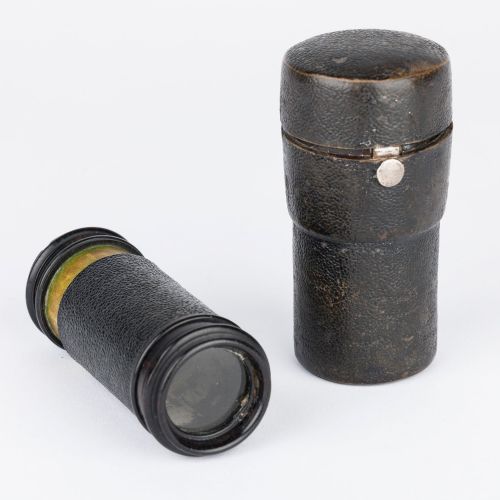
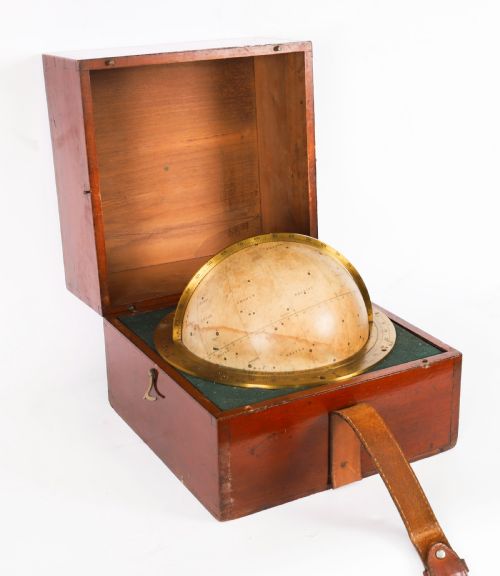
Most examples pair a polished brass mechanism with a fitted container fashioned from mahogany, oak or walnut, often lined with velvet or paper. The assortment spans portable pocket instruments and substantial cased weather stations or trade sets.
How they were made
Maker workshops utilised sheet and cast brass for the instrument bodies, dials and bezels, frequently combining glass lenses, steel components and bevelled view-plates. Timber casings were constructed using solid mahogany, oak or walnut, occasionally incorporating paper charts or leather coverings.
Fitted interiors were meticulously shaped to hold each delicate part securely, using brass hooks, locks and hinges to withstand travel and maritime use.
Victorian Brass Instrument Case Retail Price Guide 2026
Typical asking prices for victorian brass instrument case among the pieces listed under this phrase on Sellingantiques today, from the lower quarter to the upper quarter. They describe what is for sale here now, not the wider market.
Even handbells found a home in fitted wooden enclosures, proving that nineteenth-century makers boxed up nearly anything worth ringing.
What varies in quality
The standard of execution depends on the precision of the instrument maker and the quality of the timber housing. Superior items feature crisp engraving, substantial gauge brass and fine-grained mahogany or oak boxes with integrated lockable compartments and bevelled glass panels.
Plainer utilitarian examples lack decorative detailing on the exterior housing, though their mechanical movements remain robustly constructed for scientific or surveying work.
G. Davis of Leeds·Negretti & Zambra·Short & Mason London·M Pillischer of London·L Casella & Co
The Victorian Brass Instrument Case Glossary
- Barograph
- A self-recording aneroid barometer that tracks atmospheric pressure over time onto a paper chart. The mechanism uses stacked vacuum metal chambers connected to an inked arm.
- Theodolite
- A precision optical instrument used for measuring horizontal and vertical angles in surveying and civil engineering. It mounts on a tripod via a brass baseplate.
- Aneroid barometer
- An instrument for measuring air pressure without liquid mercury, using expanding and contracting sealed metal capsules. The movement is displayed on an engraved brass dial.
Victorian Brass Instrument Case: Frequently Asked Questions
What is inside a victorian brass instrument case?
These enclosures house scientific apparatus including pocket compasses, microscopes, barographs, surveying levels and meteorological instruments.
Each item is secured within a fitted timber container designed specifically for transport and protection.
How do I identify the period of an instrument?
Makers often signed the brass dials or engraved the timber cases with names and dates, while stylistic clues like mahogany boxes and paper chart drawers point to the nineteenth century.
Scientific developments and patent dates marked on the metalwork also help pinpoint the era of manufacture.
Were these cases meant for travel?
Many examples were constructed for field use by surveyors, mariners and scientists who required portable and durable precision gear.
Robust wooden housings with brass carrying handles and secure locks ensured the delicate mechanisms survived rough transport.
What woods are used for the outer boxes?
Makers predominantly utilised mahogany, oak and walnut for the exterior cabinetry, frequently selecting dense grains to resist warping.
Interiors were commonly lined with velvet, paper or fitted felt to cushion the brass components against shock.