



Victorian Brass Hearth Stand
These Victorian brass hearth stand pieces bring practical warmth and character to the fireplace, offering sturdy trivets, footmen, and companion sets for everyday fireside use.
Victorian Brass Hearth Stand
A victorian brass hearth stand encompasses a variety of functional fireplace furniture, including two-tier kettle stands, footmen, trivets, and companion sets designed to manage fuel and heat. The pieces found here span the nineteenth century and the early twentieth century, reflecting the broader Victorian and Edwardian domestic interior.
Buyers are most likely to encounter solid brass trivets and footmen alongside heavy fire dogs, andirons, and companion sets featuring steel elements. These items originated in traditional English and Welsh contexts, occasionally embracing stylistic revivals such as the Gothic and Aesthetic movements.
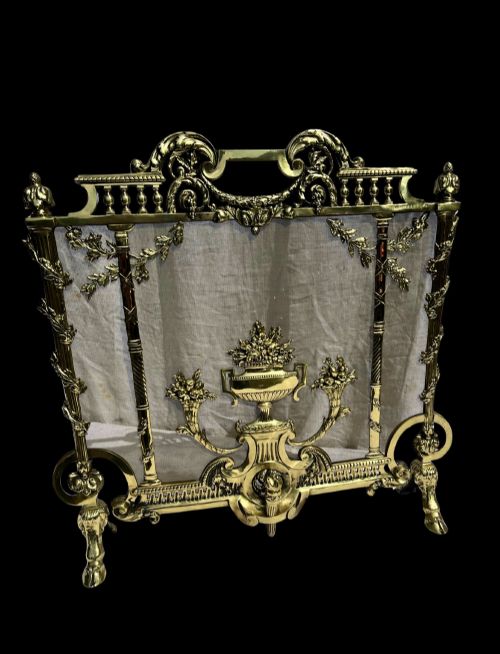
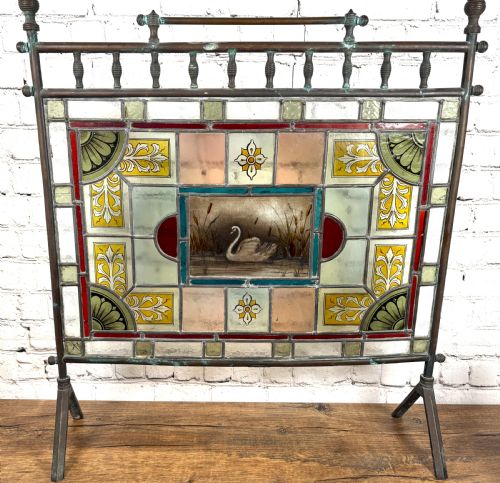
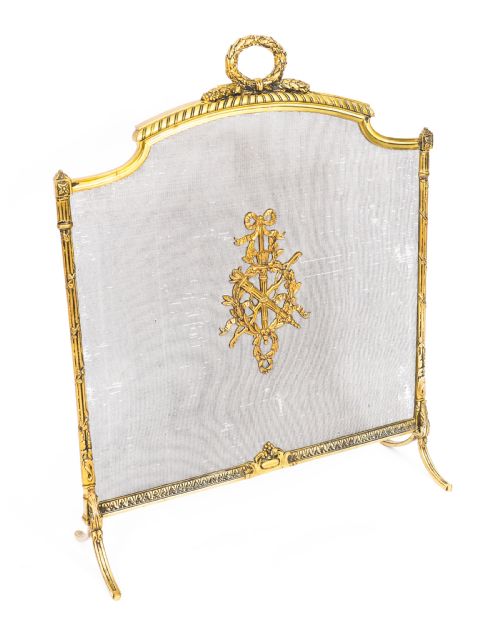
The assortment also extends to folding fire screens, spark guards, and pole screens that incorporate stained glass, gilded bronze, or embroidered panels. Each object served a specific domestic purpose around the hearth, combining utility with decorative metalwork.
How they were made
Makers utilised solid brass, cast iron, and steel, often combining brass with iron frameworks to ensure stability under heavy use near open flames. The metal components were shaped through casting and forging, producing robust stands and sturdy companion tool rests.
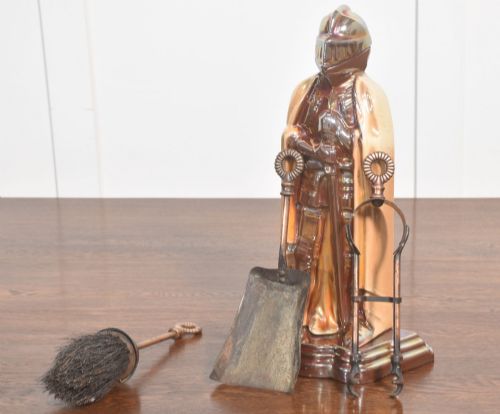
Surface finishes include copper highlights, gilded bronze details, and polished brass plates that caught the firelight in nineteenth-century drawing rooms. Additional materials such as bristles for companion brushes and stained glass or textiles for fire screens complete the construction of these fireside furnishings.
Listings feature materials including solid brass, cast iron, steel, and copper finish, spanning the nineteenth century into the Edwardian era.
What varies in quality
Quality rests upon the weight of the metal and the crispness of the casting, distinguishing heavy, finely cast fire dogs and substantial footmen from lighter, purely decorative items. Substantial gauge brass and robust steel components ensure longevity and stability in daily use.
The refinement of the decorative details, from the piercing on footman tops to the quality of incorporated textiles or stained glass in screens, dictates the standing of each piece. Superior examples display thoughtful proportions and careful assembly of mixed metals.
The Victorian Brass Hearth Stand Glossary
- Footman
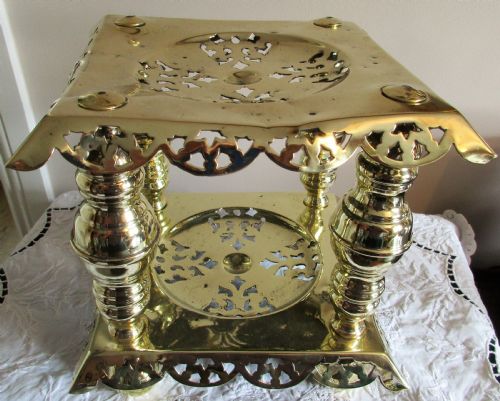
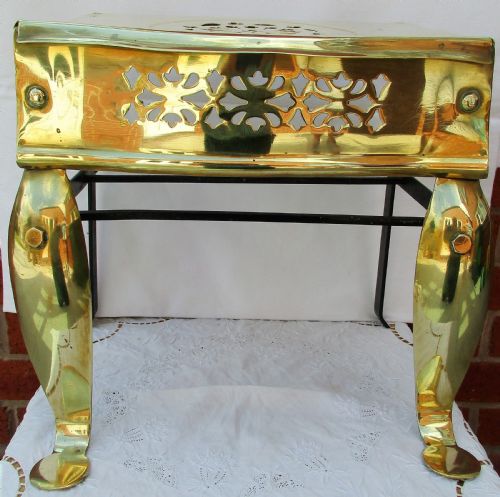
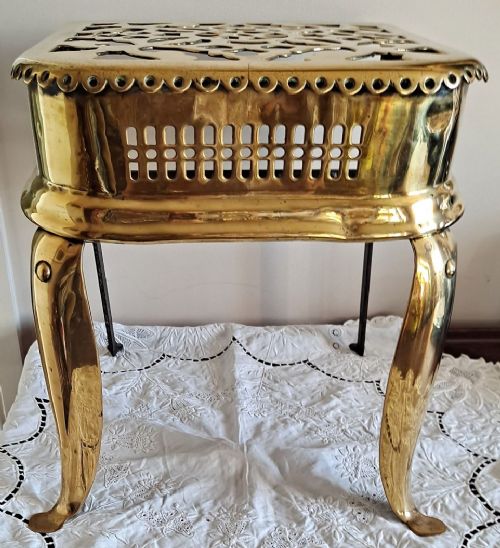
- A metal stand placed by the hearth to keep plates or kettles warm before the fire. These are typically constructed from brass and steel.
- Trivet
- A three-legged or elevated stand used for holding kettles or pots near the hearth. Versions range from simple single-tier models to two-tier stands.
- Andirons
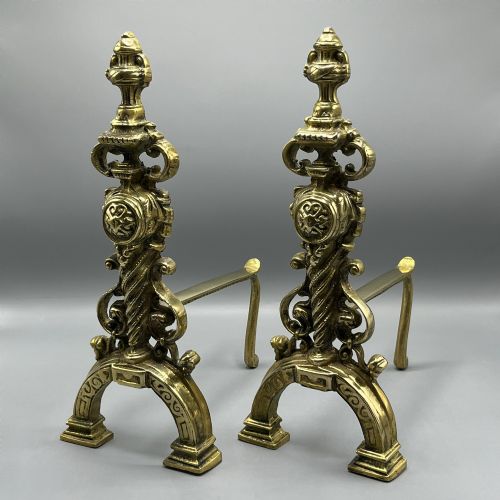
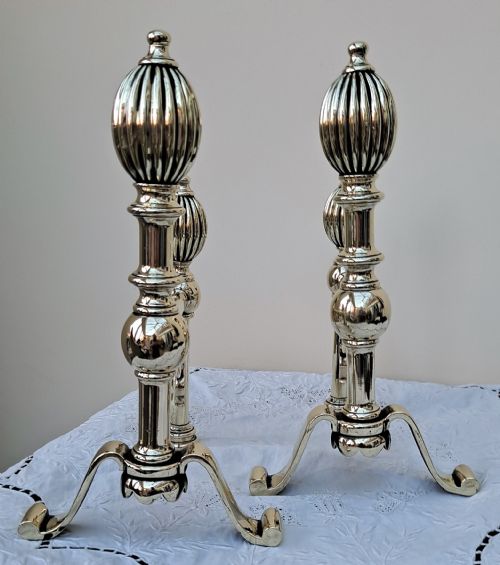
- A pair of horizontal metal supports placed in a fireplace to hold logs above the hearth floor. They are also known as fire dogs.
- Companion set
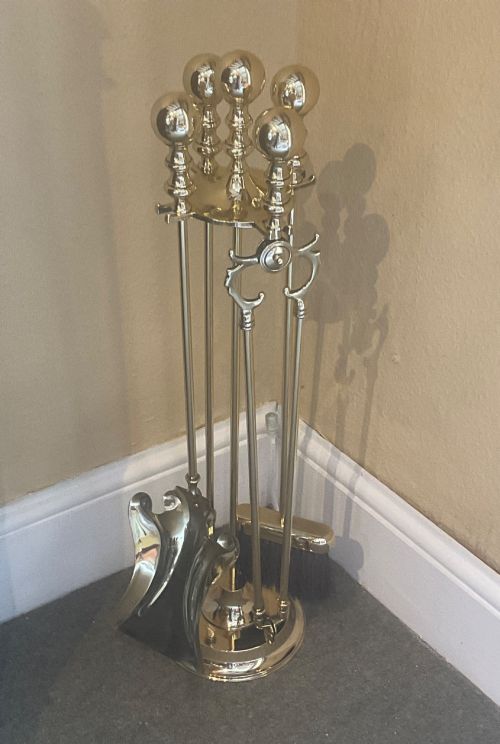
- A matched group of fireside tools, such as pokers, tongs, and shovels, often displayed with a dedicated stand or tool rests.
Victorian Brass Hearth Stand: Frequently Asked Questions
What is a footman used for?
A footman stands near the open fire to keep food warm or to heat water on a kettle. It acts as an elevated metal table directly in front of the hearth.
These pieces were essential in nineteenth-century kitchens and parlours before closed ranges became universal. Their sturdy brass and steel construction handles high radiant heat easily.
How do I use a trivet?
Trivets support heavy kettles or serving dishes close to the flames without blocking the heat output. You place them directly on the hearth stones.
Many feature multiple tiers to hold different items simultaneously. Solid brass versions keep the vessels stable and steady.
What are fire dogs?
Fire dogs, or andirons, support logs inside the fireplace to allow air to circulate underneath for a better burn. They stand at the front of the hearth.
In Victorian interiors, decorative brass fire dogs often remained visible even when the fire was unlit. They frequently coordinate with matching companion sets or tool rests.
How do I clean brass hearth items?
Cleaning requires a soft cloth and a gentle metal polish suitable for brass to remove soot and tarnish. Avoid harsh abrasives that scratch the surface.
Regular dusting preserves the polish achieved during the nineteenth century. Steel components on companion sets may require light oiling to prevent rust.