

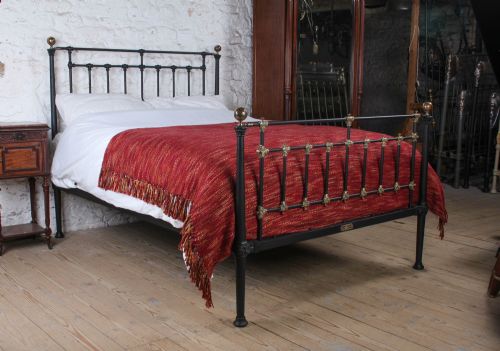
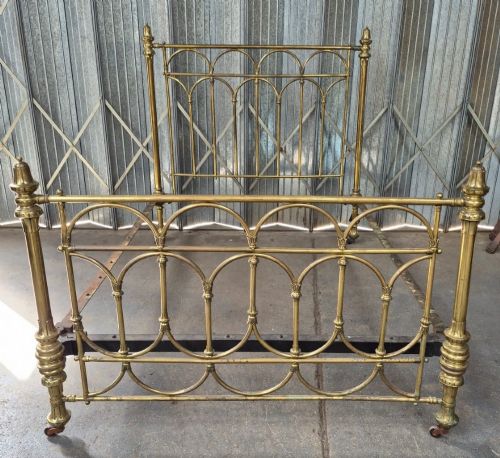

Victorian Brass Footboard
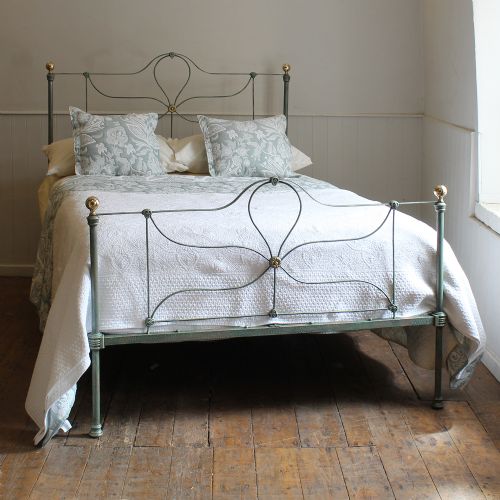
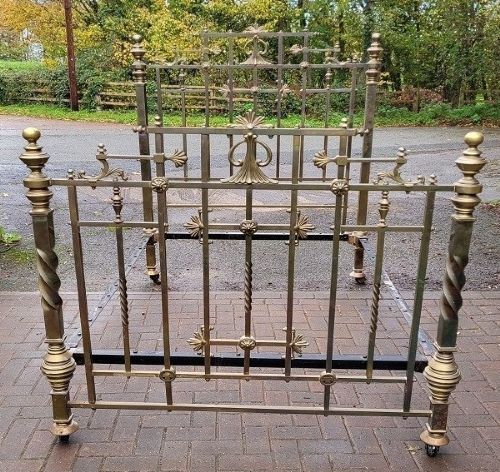
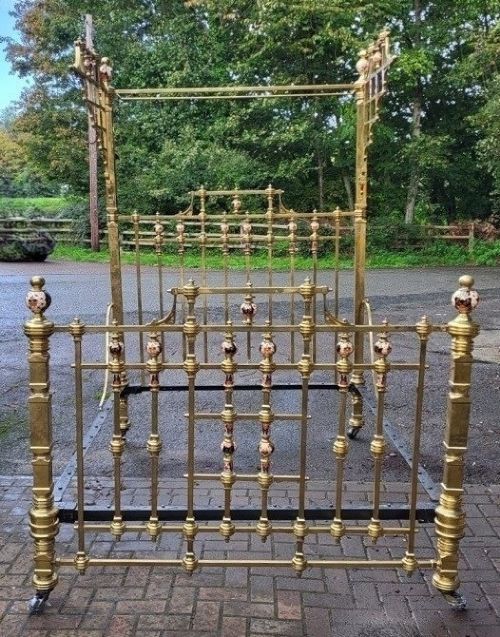
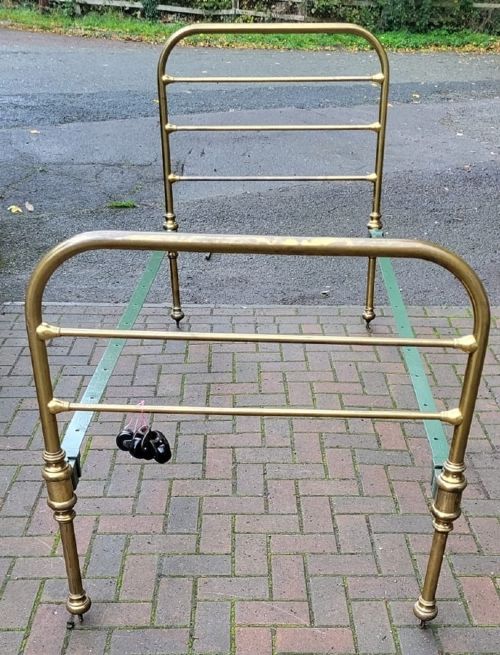
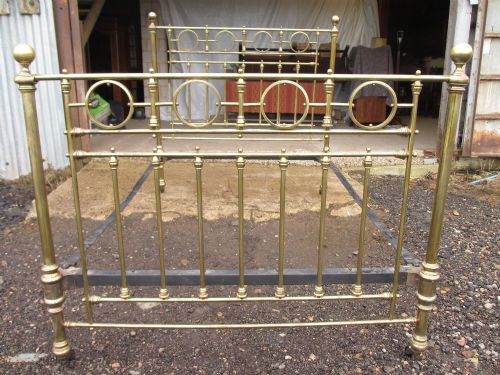
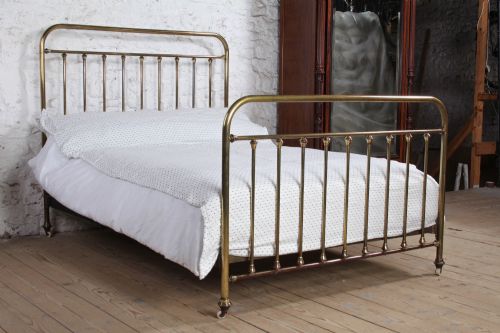
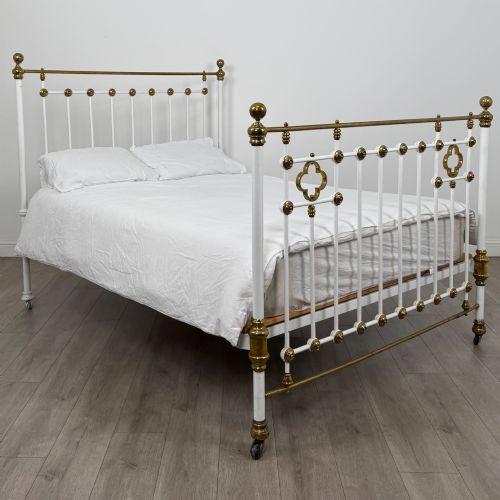
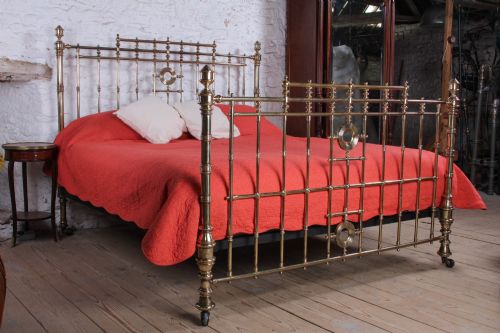
A victorian brass footboard anchors the foot of a period bedstead, bringing substantial nineteenth-century presence and warm metallic character to a bedroom.
Victorian Brass Footboard
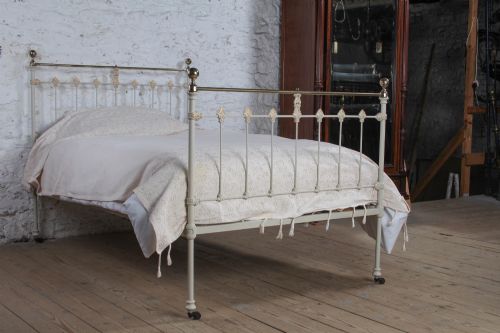
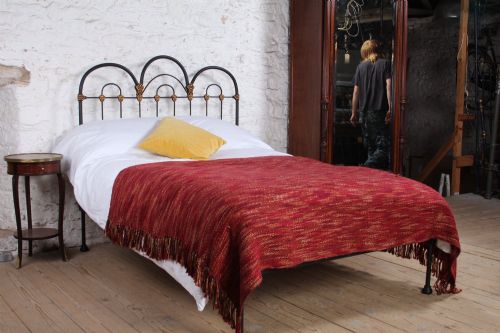
When you search for a victorian brass footboard, you encounter robust bed frames, bedstead ends, and complete sleeping platforms built across the nineteenth century and into the early twentieth century. These pieces range from simple single and double sizes to expansive king and super king proportions, often incorporating matching headboards.
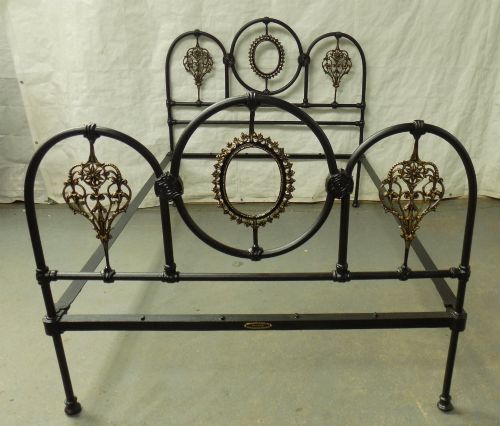
The materials span combinations of polished brass, cast iron, wrought iron, and painted metal frameworks, sometimes paired with ceramic elements or wooden structures. Stylistic influences vary from plain classic straight rails and French simple designs to elaborate Gothic Revival, Aesthetic Movement, Arts & Crafts, and French Provincial interpretations.
Materials and construction methods
Maker workshops utilised sturdy cast iron and wrought iron for internal frames, slot-in side rails, and structural support, ensuring the heavy metal assemblies remained rigid and durable. These iron foundations were frequently fitted with castors to allow movement across floors.
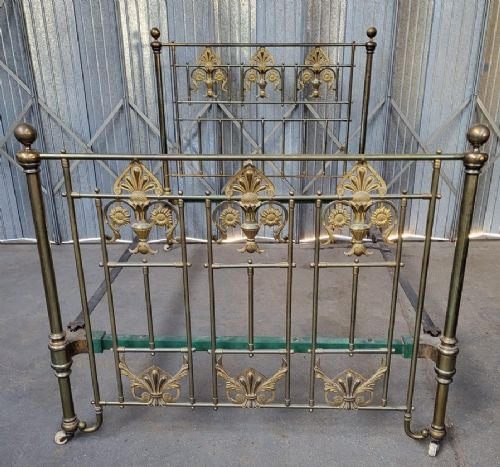
Brass components, including tubing, finials, and decorative castings, were applied to the iron frames to provide a polished frontage. Painted metal surfaces and cream finishes appear alongside exposed brass and iron to achieve specific aesthetic effects.
Some beds feature hospital style frames, proving that even nineteenth-century convalescence had a distinct aesthetic.
Assessing quality in period brass beds
Quality rests upon the weight and thickness of the brass tubing and the crispness of the cast brass ornaments. Superior pieces display substantial metal gauge, careful joint assembly, and well-defined detailing rather than thin pressed metal overlays.
The integrity of the iron slot-in frame, the original castors, and the structural soundness of the bedstead dictate longevity. Maker attribution, such as work originating from established workshops, elevates the standing of an individual piece.
Winfield·Maple & Co·James Shoolbread & Co
The Victorian Brass Footboard Glossary
- Bedstead
- A framework of a bed upon which the mattress is supported. This term frequently encompasses both headboards and footboards.
- Gothic Revival
- An architectural and decorative style drawing inspiration from medieval forms. Pieces display pointed arches, trefoils, and ecclesiastical motifs adapted for domestic furniture.
- Aesthetic Movement
- A late nineteenth-century design current prioritising visual and material beauty over narrative or moral function. Items in this style emphasise refined proportion and artistic detail.
- Arts & Crafts
- A movement advocating traditional craftsmanship and honest construction. Furniture from this tradition rejects mass production in favour of visible hand-finished detail.
- Castor
- A small swiveling wheel attached to the base of the bed legs. These fittings facilitate mobility for heavy iron and brass frames.
Victorian Brass Footboard: Frequently Asked Questions
What sizes do these beds come in?
Listings include single, double, three quarter queen, king, and super king proportions to suit various room dimensions.
Larger formats often reflect more ornate Victorian or Edwardian production.
Are these beds compatible with modern mattresses?
Many period bedframes accommodate standard modern mattress sizes through adjustable iron slot-in frames.
Checking specific width and length measurements against contemporary standards ensures a proper fit.
How do I distinguish Victorian from Edwardian pieces?
Victorian examples often feature heavier proportions and ornamental revival styles like Gothic Revival and Aesthetic Movement.
Later pieces moving into the twentieth century frequently adopt simpler French styles and cleaner straight rails.
What maintenance do brass and iron frames need?
Routine dusting and occasional gentle cleaning preserve the polished finish of the brass tubing and decorative castings.
Iron components benefit from being kept dry to maintain painted or dark metal surfaces.