
Victorian Brass Container
These pieces known as a victorian brass container bring substantial metalwork into daily domestic use, offering practical storage with distinct period character.
Victorian Brass Container
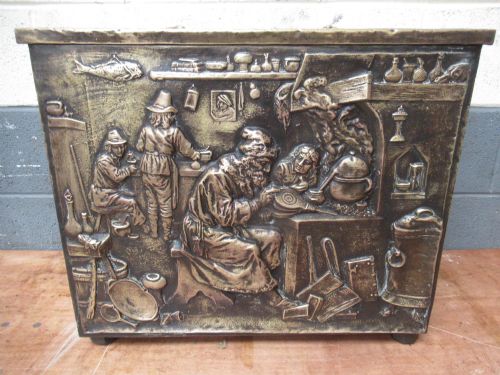
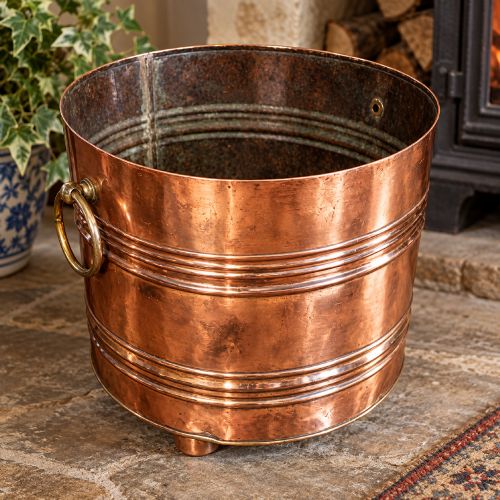
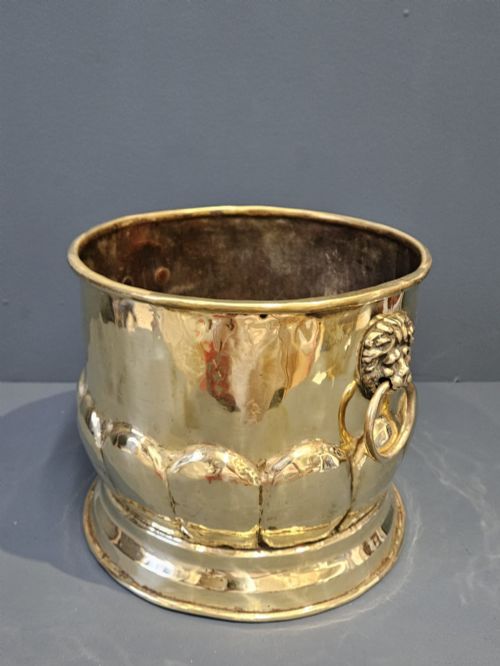
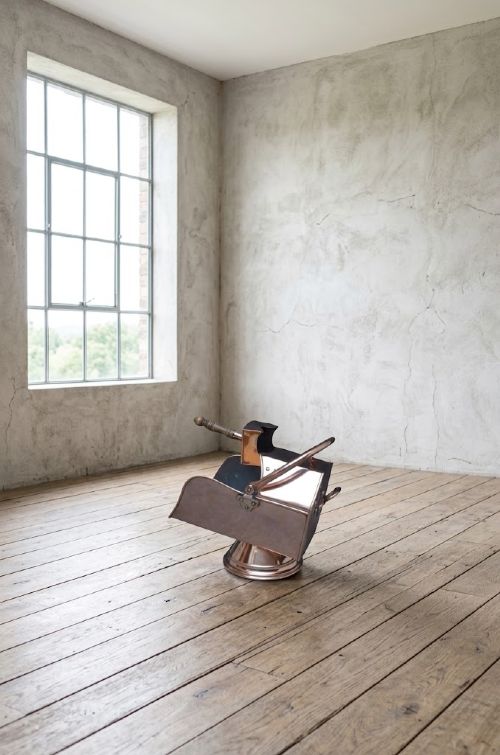
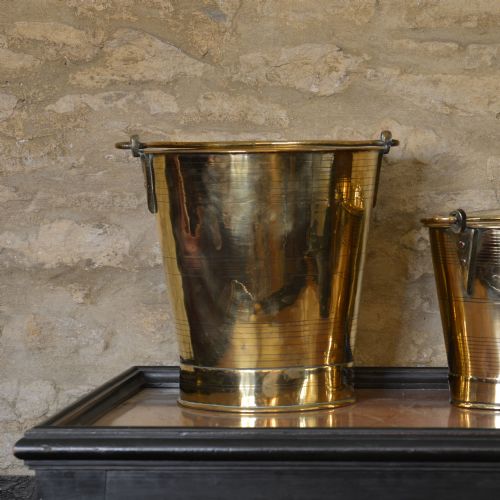
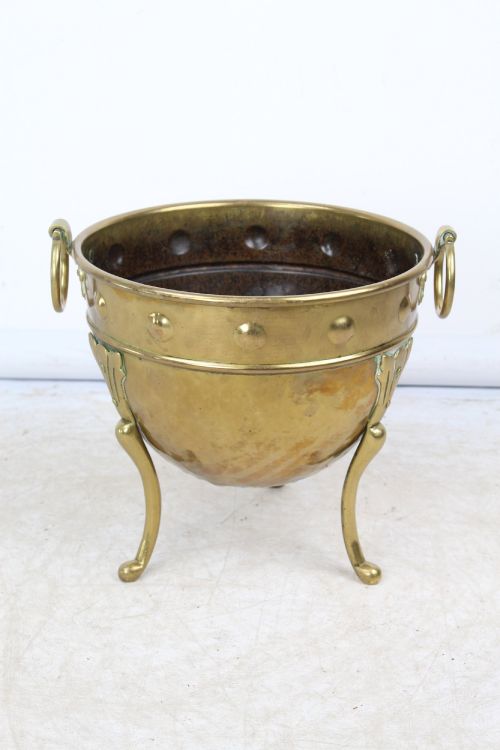
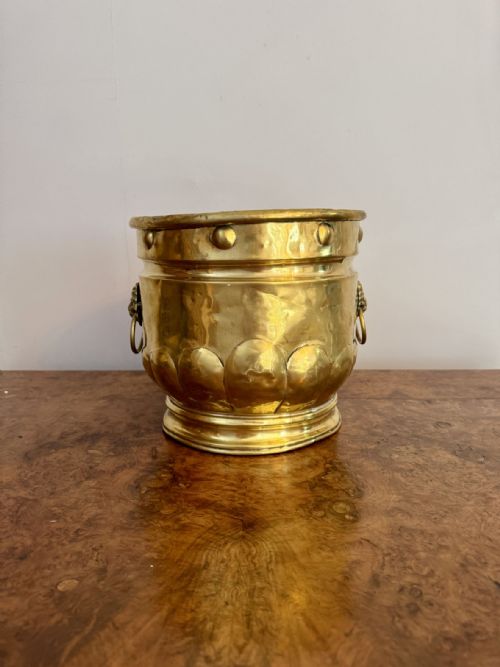
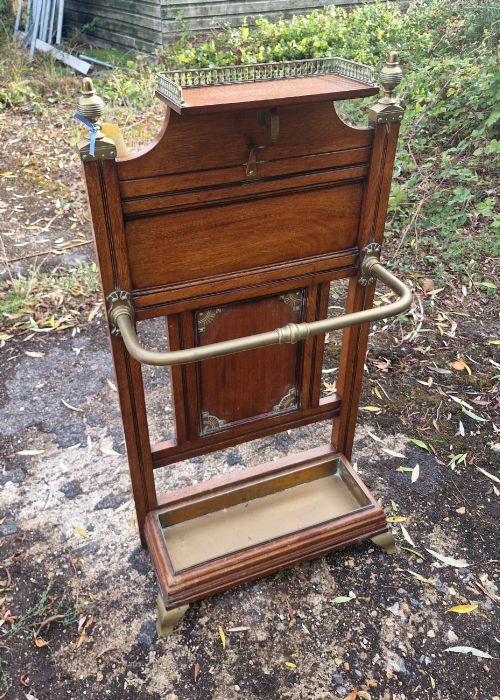
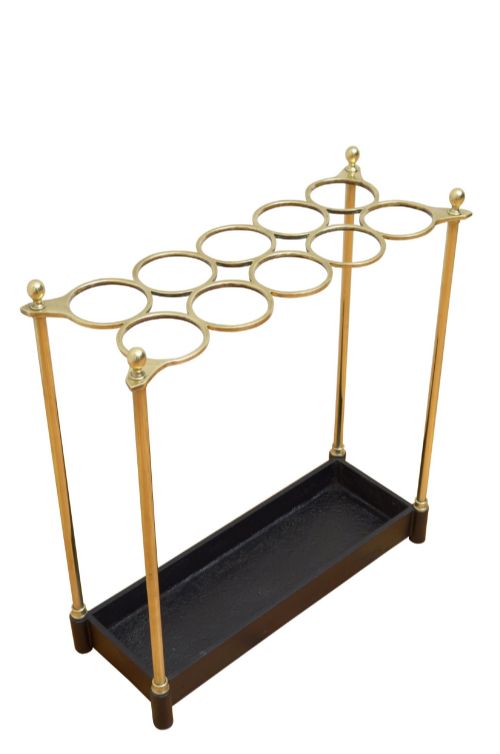
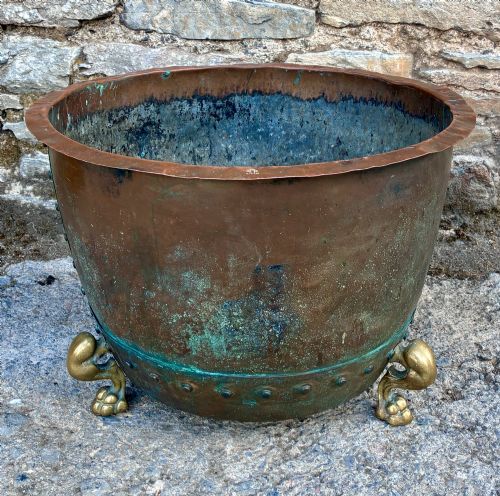
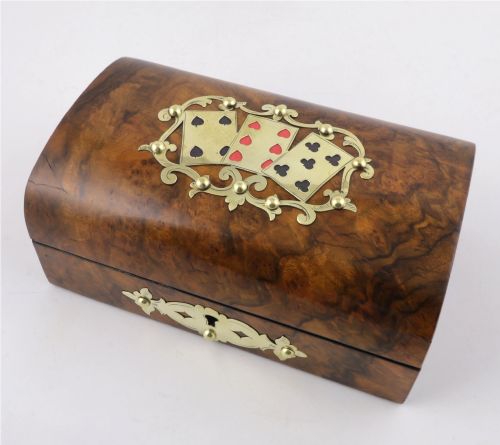
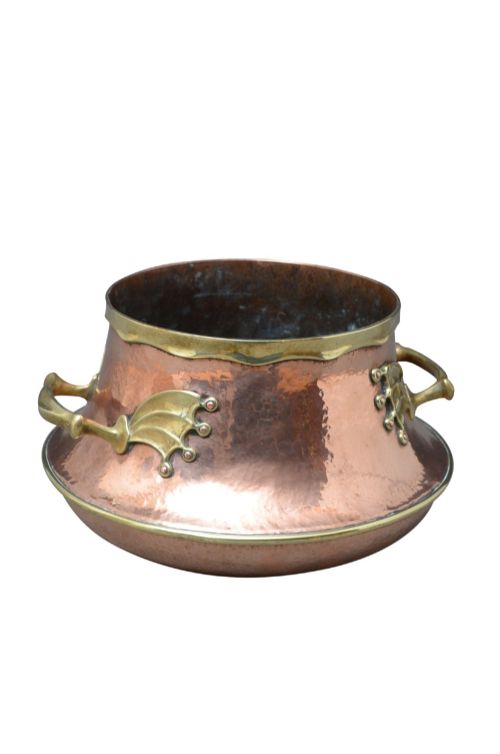
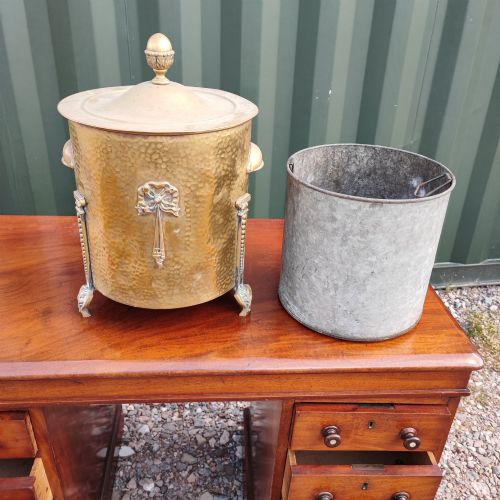
When you search for a victorian brass container, you encounter heavy functional vessels designed for nineteenth-century domestic hearths and halls. The selection on this page comprises coal bins, log buckets, umbrella stands, planters, and small tabletop boxes from the Victorian and Edwardian eras. These objects range from heavy hall umbrella stands with cast iron frames to fireside coal scuttles and decorative jardiniere planters.
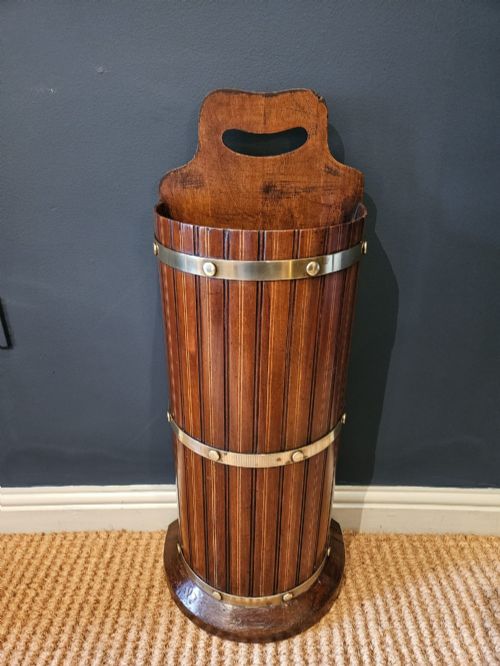
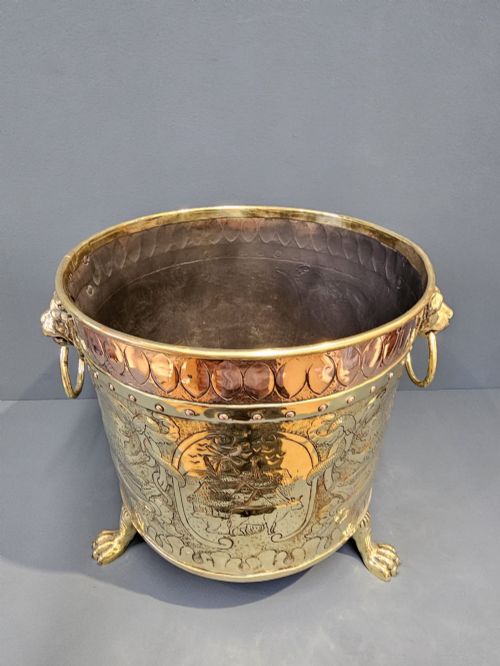
The most frequent examples are fireside coal bins and umbrella stands produced between the eighteen-eighties and nineteen-hundreds. Many incorporate hammered copper bands, swing handles, or decorative finials, reflecting utilitarian origins elevated by period design movements such as Arts and Crafts. Smaller desk or pocket items such as snuff boxes and trinket caskets also appear alongside larger coopered oak and brass vessels.
Materials and construction
The primary material is sheet brass, frequently combined with copper for contrast, iron for internal weight, and wood for structural barrels. Riveting, hand-beating, and embossing define the surface decoration, showing the transition from industrial manufacture to artistic metalworking guilds.
Larger vessels often employ cast elements like decorative ball finials and heavy cast iron bases to provide stability for holding sticks or fuel. Timber bodies on items like coal boxes utilise coopered stave construction with brass binding hoops to ensure durability.
Bear forms and double-opening shoes among the antique snuff boxes prove that nineteenth-century pocket accessories had a profound sense of theatre.
Factors of quality
Quality rests in the weight of the metal gauge and the crispness of the surface chasing and embossing. Substantial brass thickness prevents denting during daily use by the hearth or in the hallway, distinguishing robust workshop output from lighter commercial production.
Maker marks, original shovels accompanying coal scuttles, and integrated brass liners elevate individual examples. The integrity of riveted seams and the retention of original handles or ball finials further separate standard utilitarian containers from finer decorative pieces.
Henry Loveridge·Benham and Froud·Petrus Ramus
The Victorian Brass Container Glossary
- Jardiniere
- An ornamental pot or stand for holding plants or flowers. These vessels often feature heavy brass or copper construction suitable for interior display.
- Coal scuttle
- A bucket or box designed for holding household coal for a fireplace. Many Victorian versions include swing handles and matching shovels.
- Umbrella stand
- A hall furniture piece used to store walking sticks and wet umbrellas. They frequently incorporate drip pans and heavy cast iron or brass frames.
- Coopered
- Made by the assembly of curved wooden staves bound with metal hoops. This technique appears on oak and brass barrels used for fuel storage.
- Finial
- A decorative ornament fixed to the top of an object. Brass umbrella stands frequently utilise these spherical elements on their upper framing.
Victorian Brass Container: Frequently Asked Questions
What were these brass containers used for originally?
These vessels served practical functions in the Victorian home, holding coal by the fireplace, storing wet umbrellas in the hallway, or housing indoor plants.
Larger buckets managed fuel logistics for hearths, while smaller caskets and snuff boxes secured personal items on desks and tables.
How do I distinguish a coal scuttle from a jardiniere?
Coal scuttles typically feature hinged lids, angled spouts, or swing handles designed for carrying fuel to a hearth. They often retain internal liners or paired shovels.
Jardiniere vessels remain open at the top with deep interiors intended strictly for displaying potted plants rather than holding loose materials.
Are these pieces suitable for modern daily use?
Their original robust construction makes them durable enough for contemporary domestic environments. Umbrella stands manage wet items effectively, and planters hold modern foliage securely.
Care should be taken with historical finishes when cleaning, avoiding abrasive chemicals that might remove patination.
How do I date a Victorian brass container?
Dating relies on stylistic clues, construction techniques, and occasional maker stamps on the base or handles. Pieces from the eighteen-eighties often display Arts and Crafts influences.
Later Edwardian examples frequently adopt simpler geometric forms or lighter gauge metalwork compared to mid-nineteenth-century production.