


Victorian Boy Figurine
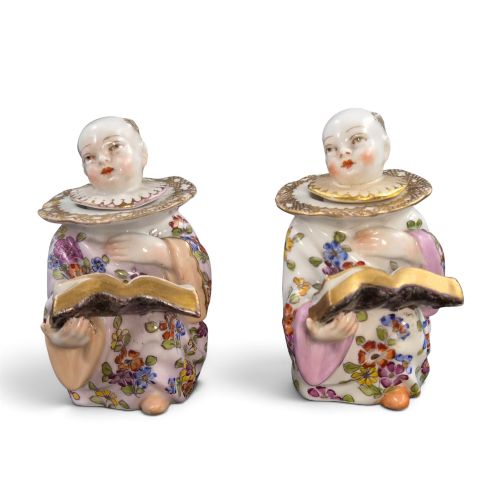
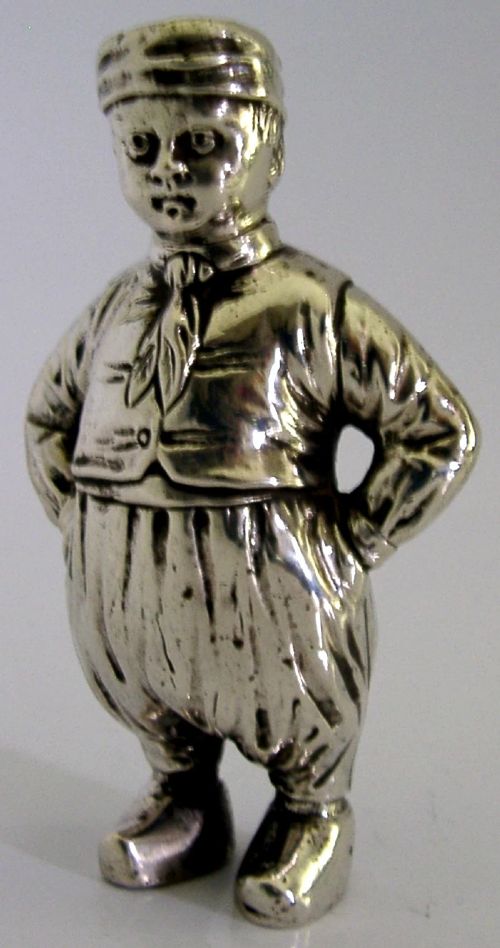
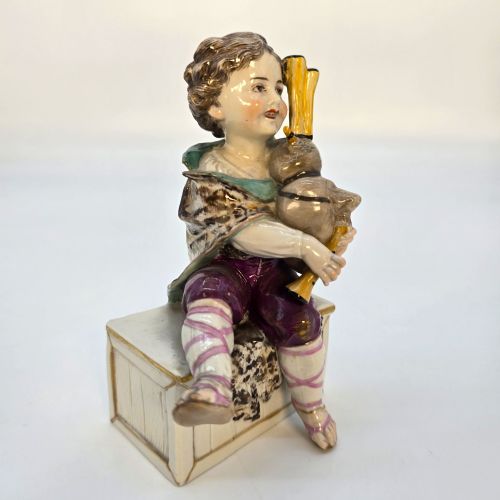
These pieces capture a Victorian boy figurine, portraying young subjects in bronze, porcelain, and carved wood for display on mantelpieces and desks.

Victorian Boy Figurine
When you search for a victorian boy figurine, you encounter sculptural works depicting youths in various pursuits, ranging from schoolboys and harvesters to fishers and street urchins.
The objects on this page encompass free-standing bronzes, glazed porcelain figures, bisque pieces, and carved wood sculptures dating across the nineteenth century and into the Edwardian era.
Functional items also appear within this category, including figural inkwells, novelty pepper pots, and posy holders shaped to resemble young boys.
How They Were Made
Manufacturers utilised hard-paste porcelain, Parian ware, and terracotta, frequently applying hand-painted details and enamel highlights to ceramic surfaces.
Metal pieces rely on bronze casting and solid silver work, sometimes incorporating gold leaf or specific patination to define the figures.
Carved pieces employ materials such as alabaster and wood, notably Black Forest carving traditions, to shape detailed garments and expressions.
Among the gathering of young subjects, a bronze snake charmer shares space with a very cocky boy.
What Varies in Quality
Material choice and finishing set different grades apart, evident in the crispness of hand-painted porcelain overglazes, the depth of bronze patination, and the intricate detail of carved wood or alabaster.
Edmé Samson·Volkstedt Rudolstadt Factory·Royal Worcester·Krister KPM Waldenburg·Edward and John Barnard·C. G. Schierholz·Mieczyslaw Leon Zawiejski·Volkstedt Triebner Ens and Eckert·Ernst Bohne and Söhne·Sitzendorf·Helena Wolfsohn·Emile Victor Blavier·Lavergne·Charles Anfrie·Pugi·Goldscheider
The Victorian Boy Figurine Glossary
- Bisque Porcelain
- Unglazed white porcelain that has been fired once, valued for its matte surface and ability to display delicate sculptural detail.
- Parian Ware
- A type of fine biscuit porcelain resembling marble, developed in the nineteenth century specifically for statuary and figures.
- Grand Tour Bronze
- Small-scale bronze casts of classical sculptures purchased by travellers during nineteenth-century educational journeys across Europe.
- Hard-Paste Porcelain
- A durable ceramic composition fired at high temperatures, common in nineteenth-century German and French figures.
- Black Forest Carving
- Intricate wooden sculpture produced in the Swiss and German border regions, typically featuring natural subjects and deep relief work.
Victorian Boy Figurine: Frequently Asked Questions
What materials are used?
These figures are cast in bronze, solid silver, and terracotta, or modelled in various forms of porcelain including bisque and Parian ware.
Alabaster and carved wood also appear, demonstrating the wide range of sculptural mediums employed by nineteenth-century workshops.
How were these figures used?
Many examples served purely as decorative ornaments for display on mantelpieces, cabinets, and drawing-room tables.
Others combined ornament with utility, functioning as inkwells, posy holders, or table cruets such as pepper pots.
How do I identify the period?
Dating relies on factory marks, material compositions, and stylistic markers associated with nineteenth-century revival movements and Edwardian production.
Porcelain pieces often bear manufacturer stamps on the underside, while bronzes may include signatures or foundry details.
Who made these pieces?
Production spanned major European factories in Germany, France, and Britain, alongside independent sculptors working in bronze and alabaster.
Notable names include Royal Worcester, Sitzendorf, Goldscheider, and bronze artists such as Charles Anfrie.