

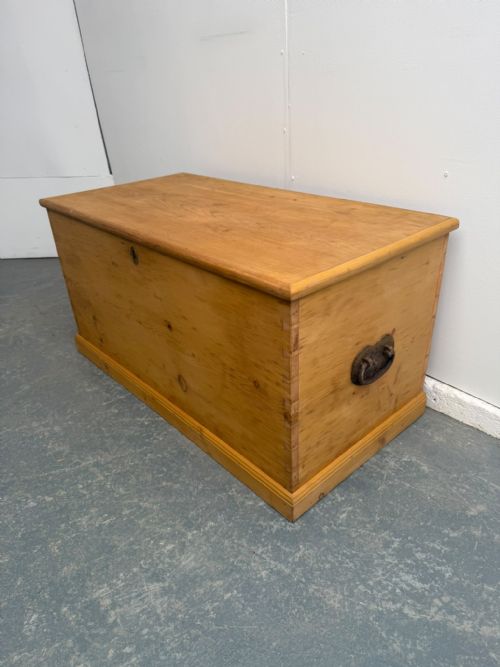


Victorian Box Ottoman
A victorian box ottoman combines domestic seating with concealed storage, offering functional utility wrapped in period upholstery and timber.
Victorian Box Ottoman
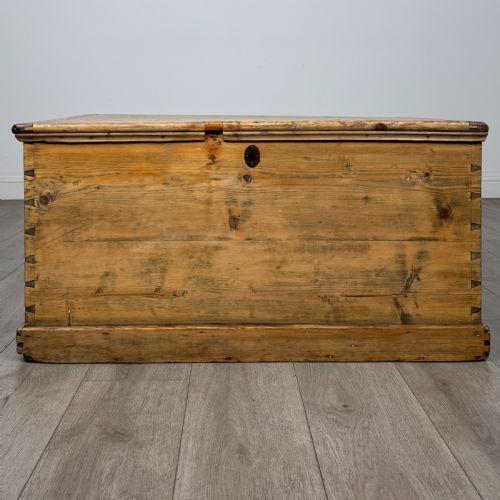
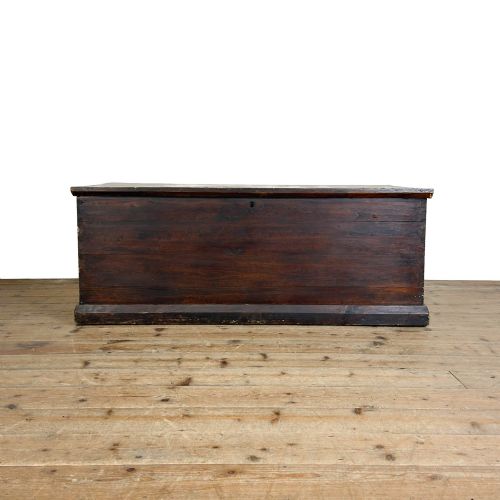
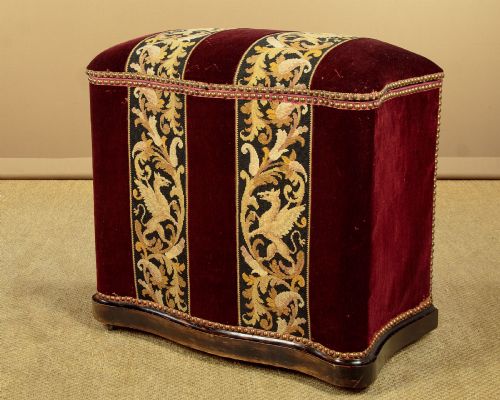
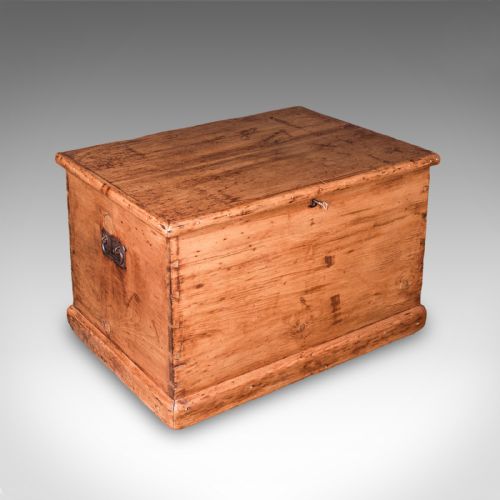
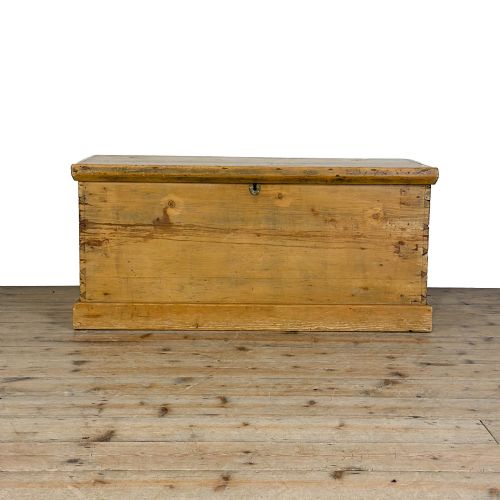
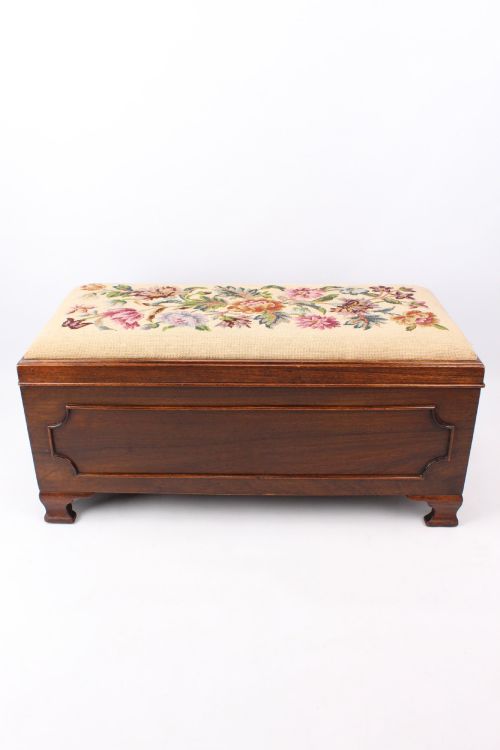
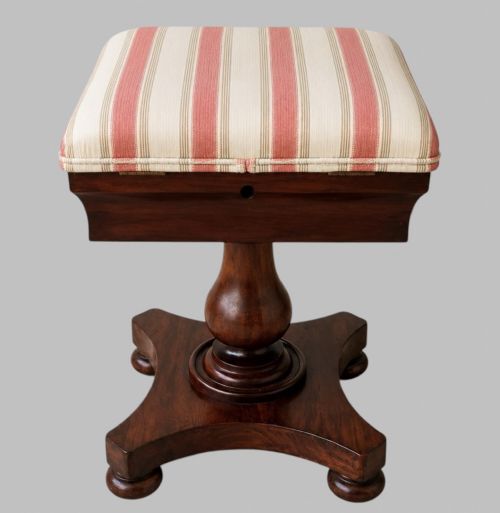
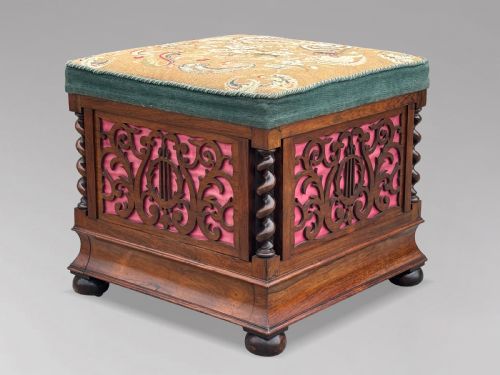
When searching for a victorian box ottoman, buyers encounter a functional domestic form that bridges seating and enclosed storage. These pieces manifest primarily as pine blanket boxes, mahogany footstools, and rosewood piano stools featuring hinged or lift-off lids.
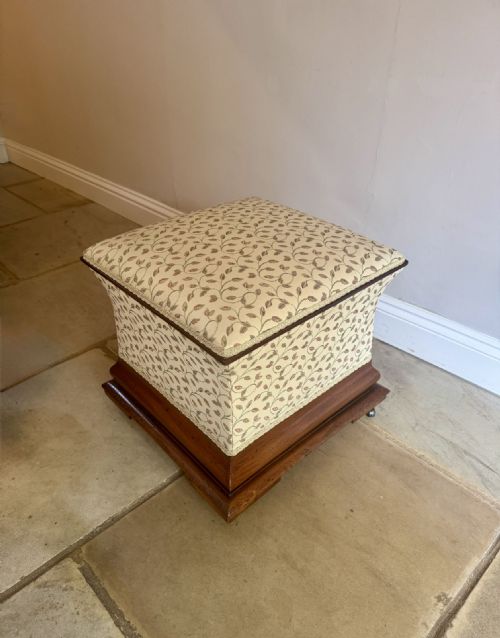
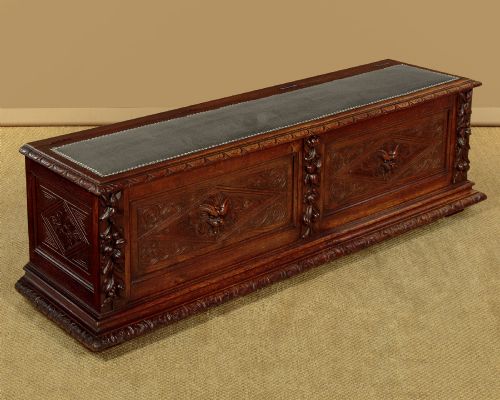
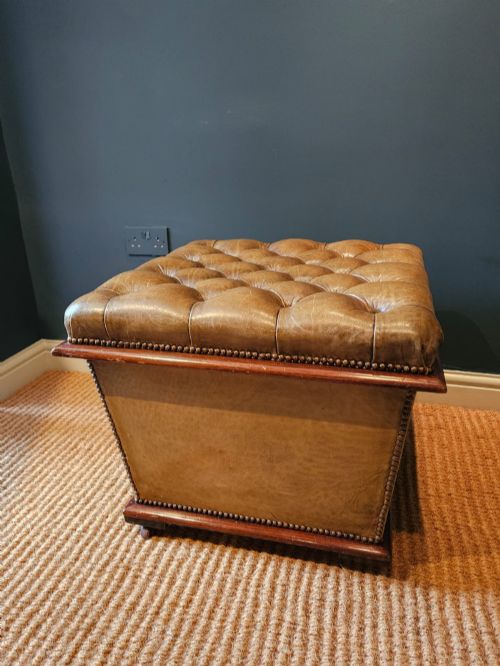
The selection on this page draws heavily from nineteenth-century forms, ranging from rustic country pine trunks to finely polished mahogany and walnut seating. Many examples integrate upholstered lids in leather, velvet, or needlework, serving households as low tables, daybeds, and benches.
How they were made
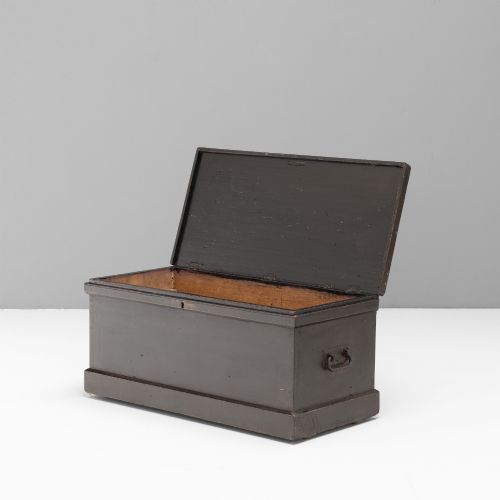
Construction relies upon traditional timber framing, utilising solid pine, mahogany, walnut, oak, and birch. Carpenters joined these carcases with structural integrity, often incorporating side lifting handles and working locks for secure transport.
Upholstery forms a critical component, with seats padded and covered in materials such as leather, velvet, and Liberty fabric. Exterior finishes range from waxed and polished grain surfaces to painted treatments and carved details.
Victorian Box Ottoman Retail Price Guide 2026
Typical asking prices for victorian box ottoman among the pieces listed under this phrase on Sellingantiques today, from the lower quarter to the upper quarter. They describe what is for sale here now, not the wider market.
Listings feature woods including pine, mahogany, rosewood, walnut, oak, and birch, paired with upholstery in leather, velvet, and fabric.
What varies in quality
Quality differentiates itself through the selection of primary timbers and the refinement of secondary elements. Denser hardwoods like rosewood and mahogany indicate a formal parlour origin, whereas pine generally serves utilitarian country house or rustic environments.
The execution of upholstery and hardware also separates standard domestic items from superior examples. Finely carved wood details, hand-dyed leather, and original working locks distinguish the higher tier of these seating chests.
Hallett & Sons
The Victorian Box Ottoman Glossary
- Mule chest
- A storage chest that incorporates one or more drawers beneath the main lifting compartment. This form bridges the traditional blanket box and the chest of drawers.
- Canterbury stool
- A low compartmented piece of furniture originally designed for holding sheet music or books. These often feature decorative turned legs and open dividers.
- Gothic Revival
- A nineteenth-century design style drawing inspiration from medieval architectural motifs. Pieces in this aesthetic display pointed arches, heavy carvings, and ecclesiastical lines.
- Birch
- A pale, close-grained hardwood utilised for furniture carcases and boxes. It provides a durable and smooth surface for polishing.
- Side handles
- Metal or wooden grips attached to the exterior ends of trunks and chests. They facilitate the lifting and movement of heavy storage pieces.
Victorian Box Ottoman: Frequently Asked Questions
What is a box ottoman used for?
These dual-purpose pieces function simultaneously as a seat and a concealed container for household textiles, blankets, or personal items. Their sturdy lids allow them to double as footstools, coffee tables, or daybeds within living spaces.
In period interiors, they provided discrete storage in bedrooms, hallways, and drawing rooms while offering an accessible platform for resting feet or sitting.
How do I identify a Victorian piece?
Identification relies upon observing timber types, construction methods, and stylistic cues associated with nineteenth-century cabinet making. Details such as dovetail joints, hand-turned legs, and period upholstery fabrics help anchor a piece to this era.
Secondary indicators include traditional hardware like iron locks, brass handles, and specific Revival styling popular during the nineteenth century.
Where should I place an ottoman?
These versatile items fit naturally at the foot of a bed, beside a fireplace, or positioned centrally in a living room as a low table. Their enclosed storage makes them particularly useful in smaller rooms requiring tidy organisation.
Placing them away from direct heat sources helps preserve the condition of the timber carcase and the integrity of the upholstered fabric or leather.
What woods were commonly used?
Cabinet makers utilised a range of accessible and decorative timbers depending on the intended setting of the furniture. Pine served widely for country house storage trunks and rustic blanket boxes.
More formal parlour and drawing room pieces utilised dense hardwoods such as mahogany, walnut, rosewood, and birch to support finer carving and polished finishes.