




Victorian Bobbin Leg Chair
These nineteenth-century victorian bobbin leg chair pieces bring sculptural turned timber and upholstered seats into domestic spaces.
Victorian Bobbin Leg Chair
When searching for a victorian bobbin leg chair, you encounter nineteenth-century seating characterised by distinctive spool turnings along the frames. The selection on this page encompasses armchairs, side chairs, slipper chairs, stools, and hall chairs spanning the Victorian era and the years eighteen-fifty to eighteen-sixty.
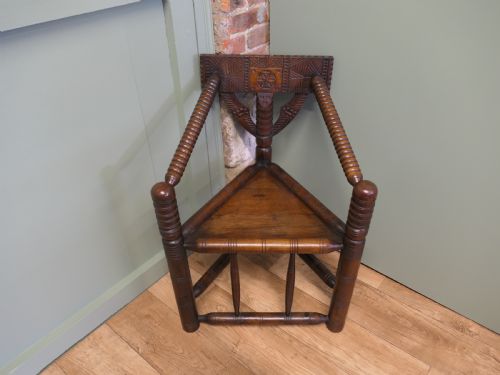
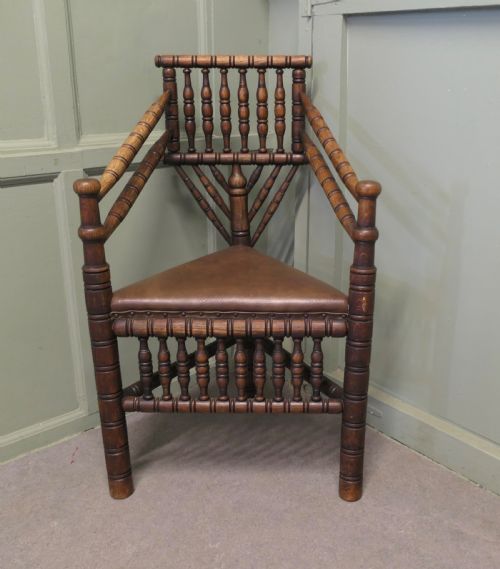
These forms frequently appear under alternative historic descriptions such as Turner's chair, corner chair, or Old Saxon armchair. English country and revival styles, including Jacobean, Victorian Gothic, and Saxon Revival, heavily influence the aesthetic of these pieces.
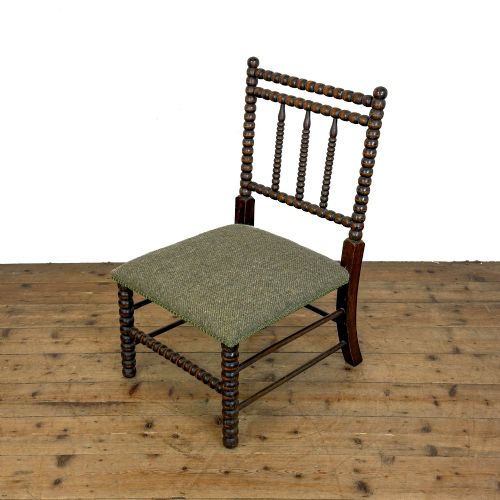
The most common configurations on this page are low-backed elbow seats and open armchairs designed for parlours and chambers. Walnut, oak, beech, and ebonised wood form the primary structural timbers for these turned frameworks.
How they were made
Craftsmen built these frames using dense hardwoods like oak, walnut, beech, and rosewood, shaped on a lathe to create the signature spool or bobbin turnings. Joinery relied on pegged mortise and tenon joints to secure the heavily turned components together under daily weight.
Upholstery materials varied widely according to the original commission or later reupholstery, incorporating wool tweed, tapestry fabric, leather, cane, and textile. Brass details occasionally appear on these chairs to fasten upholstery or reinforce stress points on the frame.
Victorian Bobbin Leg Chair Retail Price Guide 2026
Typical asking prices for victorian bobbin leg chair among the pieces listed under this phrase on Sellingantiques today, from the lower quarter to the upper quarter. They describe what is for sale here now, not the wider market.
What varies in quality
The distinction between standard examples and superior pieces rests on the crispness of the lathe work and the choice of primary timber. Heavier hardwoods like oak and walnut with deep, uniform spooling indicate higher manufacturing ambition than softer beech alternatives.
The integrity of the original turned joints and the quality of the textile, leather, or tapestry upholstery dictate the overall standing of an individual piece. Revival styles exhibiting more elaborate carving alongside standard bobbin turning tend to represent more ambitious workshops.
The Victorian Bobbin Leg Chair Glossary
- Bobbin turning
- A form of woodwork where a lathe shapes a series of rounded, spool-like spheres along the length of a stretcher or leg. This decorative technique defines the entire visual identity of these chairs.
- Turner's chair
- A historic chair type constructed almost entirely from turned wooden members and spindles. These items draw on seventeenth-century vernacular traditions revived during the Victorian period.
- Saxon Revival
- A nineteenth-century design movement looking back to Anglo-Saxon or early medieval forms. Pieces bearing this label often feature sturdy turned frames and low, broad proportions.
- Slipper chair
- A low-seated bedroom chair designed without arms to allow women room to put on shoes and garments. They frequently feature shortened legs and upholstered frames.
- Ebonised wood
- Timber stained or painted to imitate expensive ebony wood. This dark finish creates a stark, formal contrast against lighter interior walls.
Victorian Bobbin Leg Chair: Frequently Asked Questions
What is a bobbin leg chair?
A bobbin leg chair is nineteenth-century seating featuring legs and stretchers shaped on a lathe into repeated spherical or spool turnings.
These pieces draw on earlier vernacular furniture styles and appear across various Victorian revival aesthetics.
How were old bobbin chairs used?
Owners placed these chairs in parlours, bedrooms, and halls as occasional seating or functional dressing furniture.
Elbow seats and armchairs provided fireside comfort while side chairs and stools served lighter domestic duties.
What woods were used for these chairs?
Makers utilised native and imported hardwoods including oak, walnut, beech, and rosewood for the turned frames.
Ebonised finishes also appear on certain pieces to create a dense, dark surface resembling exotic timber.
How do I identify a Victorian revival piece?
Revival pieces combine seventeenth-century turning techniques with nineteenth-century upholstery materials and proportions.
Labels such as Jacobean Revival or Saxon Revival point towards these historical design inspirations.
What fabrics cover these chairs?
Upholstery ranges from wool tweed and tapestry fabric to plain textiles, leather, and woven cane.
Many surviving examples retain later reupholstery that reflects the decorative tastes of subsequent generations.