


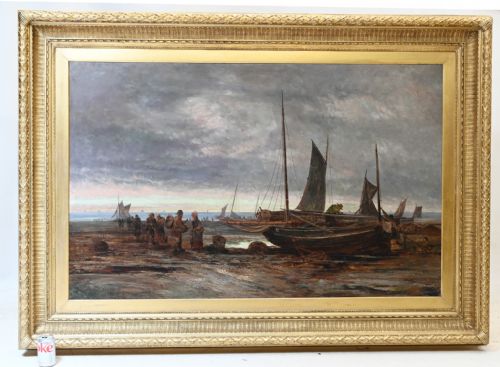
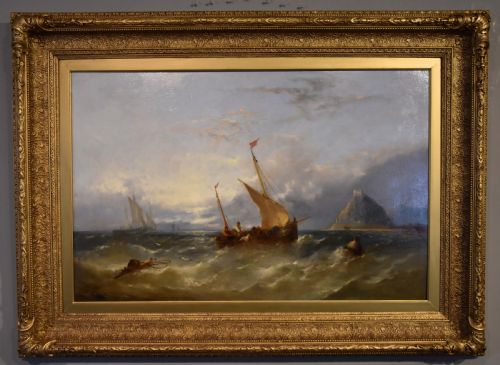
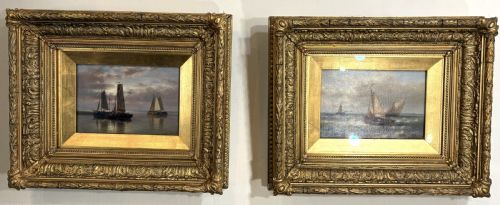
Victorian Boat Oil Painting
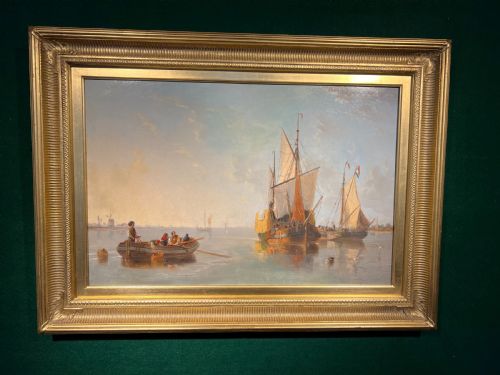
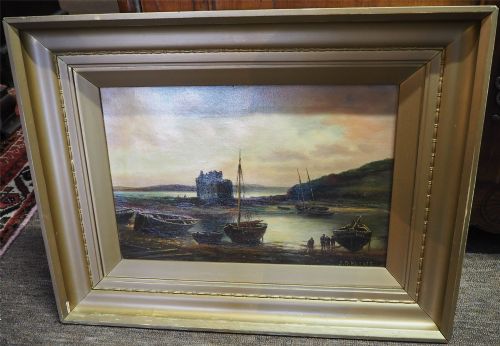
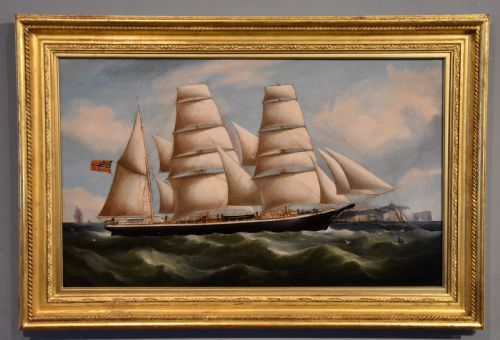
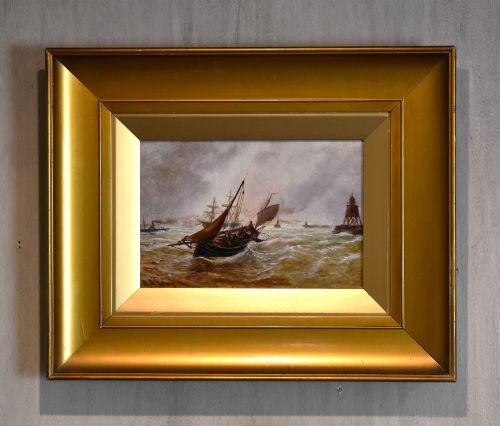
A victorian boat oil painting captures maritime life, coastal commerce, and dramatic shipping scenes through the rich texture of nineteenth-century brushwork.
Victorian Boat Oil Painting
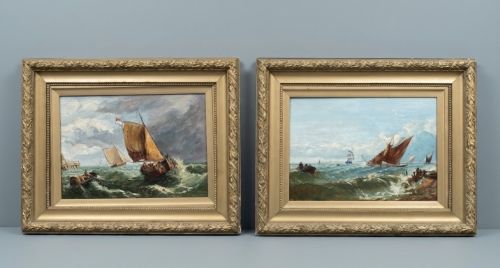
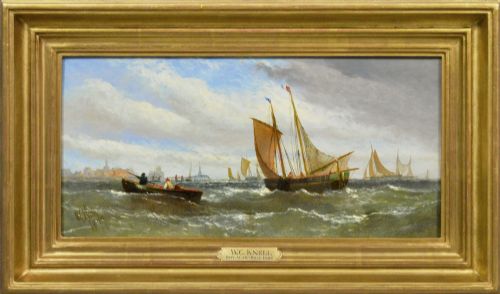
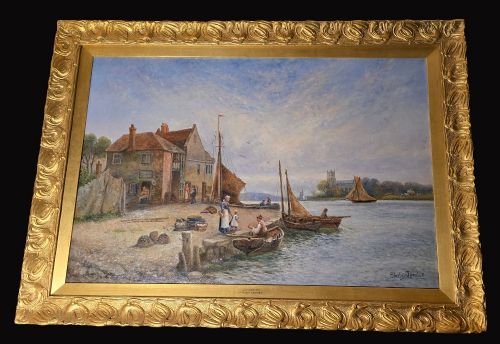
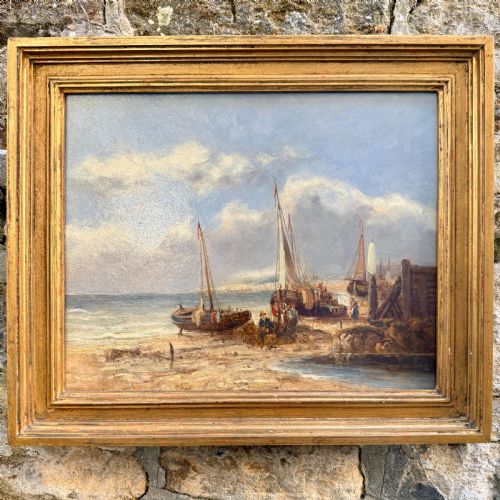
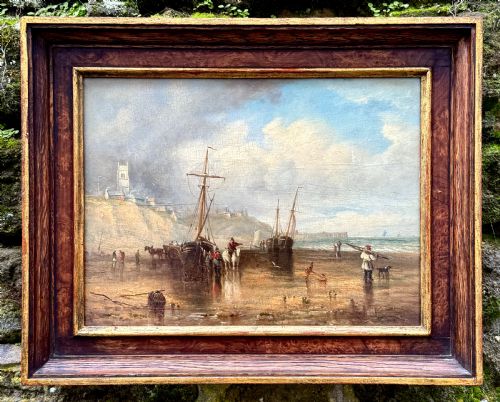
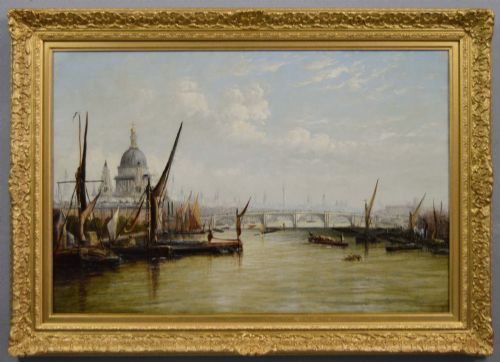
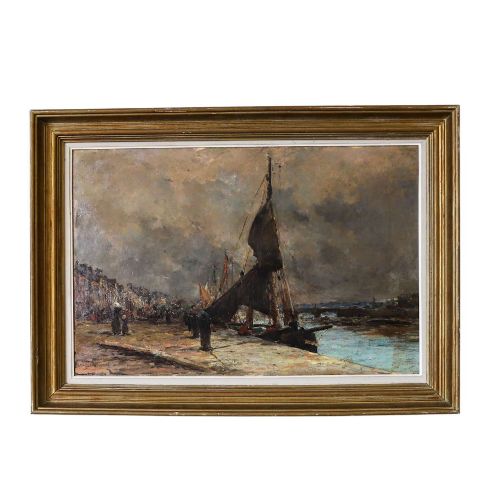
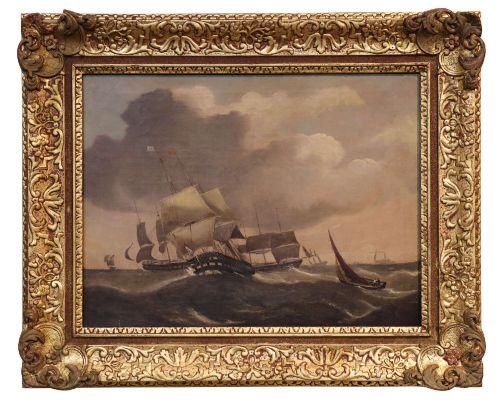
A victorian boat oil painting spans turbulent coastal scenes, quiet river estuaries, and bustling harbour views created during the nineteenth century. Buyers encounter depictions of traditional fishing vessels, merchant shipping, and stormy maritime rescues set against British and European shores.
The selections on this page concentrate heavily on nineteenth-century canvases, boards, and wood panels rendered in established marine and realist styles. These works range from intimate coastal studies to grand panoramic depictions of ships navigating heavy seas.
Subjects often incorporate specific local landmarks, lighthouses, and ruined castles alongside working watercraft. This regional detail anchors the paintings in documented nineteenth-century topography and maritime heritage.
How They Were Made
Artists applied oil paint using fine brushes and palette knives onto stretched canvas, prepared wood panels, or artist's boards. The combination of oil medium and sturdy supports allowed painters to build deep layers of pigment and varied surface textures.
Surviving works frequently retain their original gesso and giltwood frames embellished with gold leaf moulding. These ornate frames were constructed specifically to complement the maritime subject matter and protect the perimeter of the canvas or board.
Victorian Boat Oil Painting Retail Price Guide 2026
Typical asking prices for victorian boat oil painting among the pieces listed under this phrase on Sellingantiques today, from the lower quarter to the upper quarter. They describe what is for sale here now, not the wider market.
Listings feature nineteenth-century oil paintings on canvas, wood panels, and sturdy cards.
What Varies in Quality
The skill of the artist and the precision of the draughtsmanship dictate the visual success of each composition. Finer works display accurate perspective in rigging, convincing water movement, and a subtle handling of atmospheric light.
The integrity of the original support and the condition of the paint layer influence overall preservation. Canvases maintaining their original tension and boards free from extensive warping present a cleaner representation of the painter's intended surface.
Francis Moltino·Thomas Creswick·John Wilson Carmichael·John Moore of Ipswich·William Henry Williamson·Bernard Benedict Hemy·Abraham Hulk I·William Edward Webb·Gustave De Bréanski·George Gregory·Benjamin Williams Leader RA·Frederick Waters Watts·Claude Thomas Stanfield Moore·Alfred Henry Vickers·George Henry Knight·John Callow·Sam Bough RSA·Richard Brydges Beechey·Paul H Ellis·John Davison Liddell·Edward Henry Holder·Hubert Thornley
The Victorian Boat Oil Painting Glossary
- Canvas
- A heavy woven fabric stretched across a wooden frame to serve as a primary painting surface. Artists often primed this material with gesso before applying oil paints.
- Giltwood
- Wood carved and coated with a thin layer of gold leaf or metallic gilt. This material was standard for framing nineteenth-century oil paintings to add warmth and reflection.
- Board
- A rigid flat panel made of wood or card utilised by artists as an alternative to stretched canvas. These supports offered a stable surface for smaller plein-air studies.
- Gesso
- A plaster-like mixture applied to wooden panels or canvases to prepare the ground for painting. It creates a smooth, absorbent surface that binds oil paint securely.
- Marine Art
- A genre of painting focused primarily on ships, the sea, and coastal views. This tradition encompasses both calm harbour scenes and dramatic accounts of shipwrecks.
Victorian Boat Oil Painting: Frequently Asked Questions
How should I clean my oil painting?
Dust surfaces gently with a soft dry brush to prevent particulate accumulation over time. Avoid using water, household cleaners, or chemical solvents on the pigment.
Professional conservators should handle any deep cleaning or restoration of aged oil paint and canvas. Amateur cleaning attempts risk removing original glazes and damaging the delicate surface.
Where is the best place to hang these works?
Position paintings away from direct sunlight and damp environments to protect the canvas and wood. Stable indoor temperatures prevent the expansion and contraction of organic materials.
Keep pieces clear of direct heat sources such as radiators or fireplaces. Excessive warmth dries out oil paint and accelerates cracking in older wooden panels.
Are these paintings signed by the artist?
Many nineteenth-century marine works feature signatures, monograms, or studio inscriptions on the front or reverse. Some pieces remain unsigned while still displaying distinct stylistic attributes of known regional schools.
Documentation on the reverse often supplies supplementary context regarding the depicted location or previous framing history. Archivists and researchers rely on these inscriptions to attribute anonymous works accurately.
What framing is typical for this period?
Giltwood frames with decorative moulded gesso detailing commonly accompany nineteenth-century oil paintings. These heavy surrounds enhance the visual depth of marine scenes and protect the edges.
Original frames often exhibit minor surface wear consistent with age and handling. Retaining these period enclosures maintains the historical integrity of the complete artwork.