

Victorian Bird Wall Art
These pieces of victorian bird wall art bring feathered subjects into domestic interiors through paper, wool, and carved timber.
Victorian Bird Wall Art
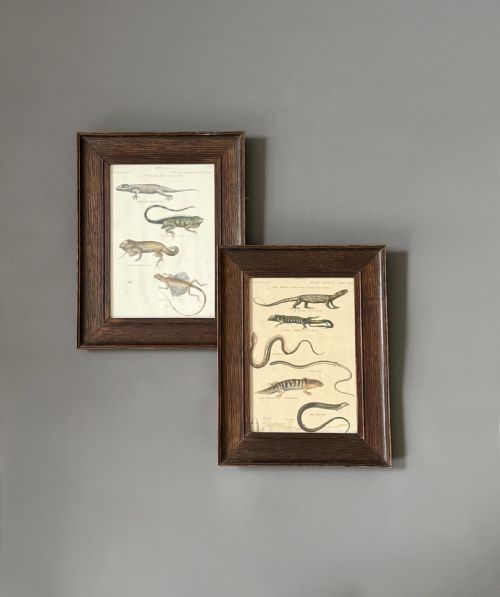
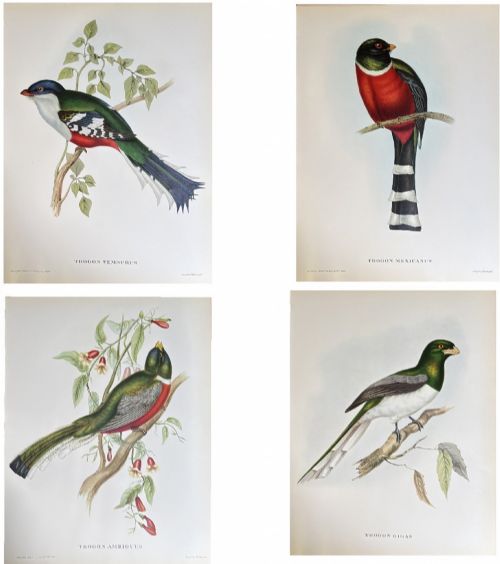
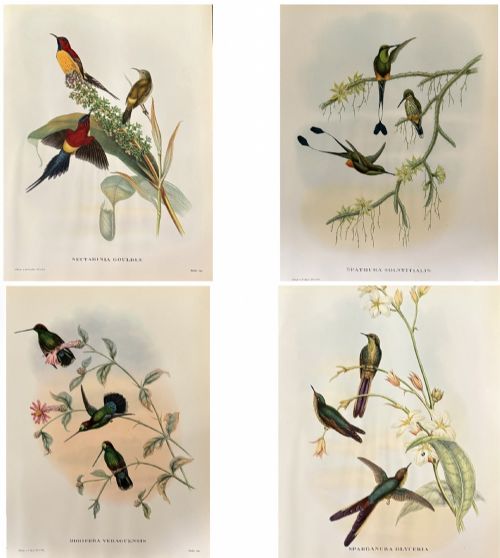
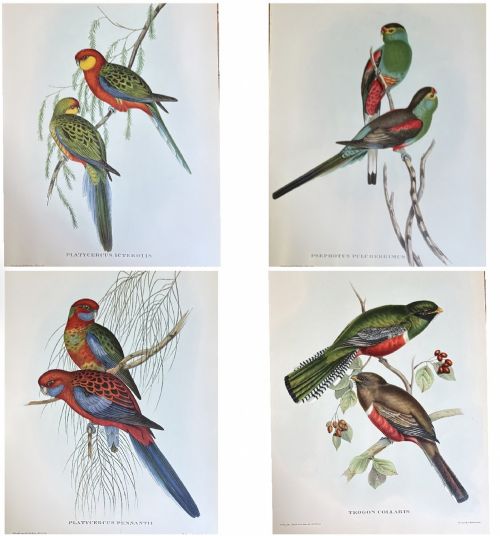
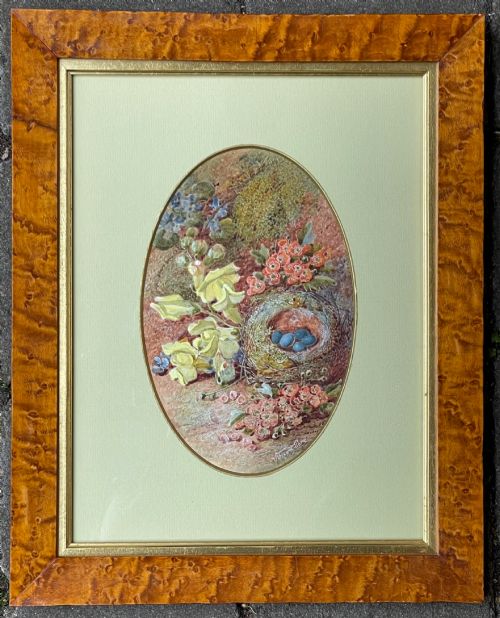
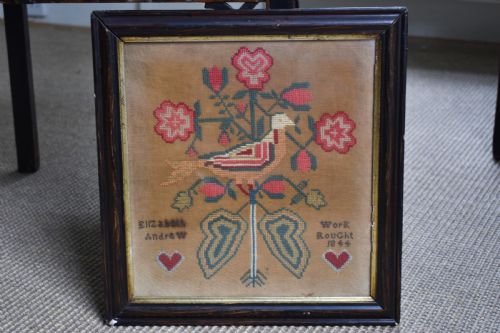
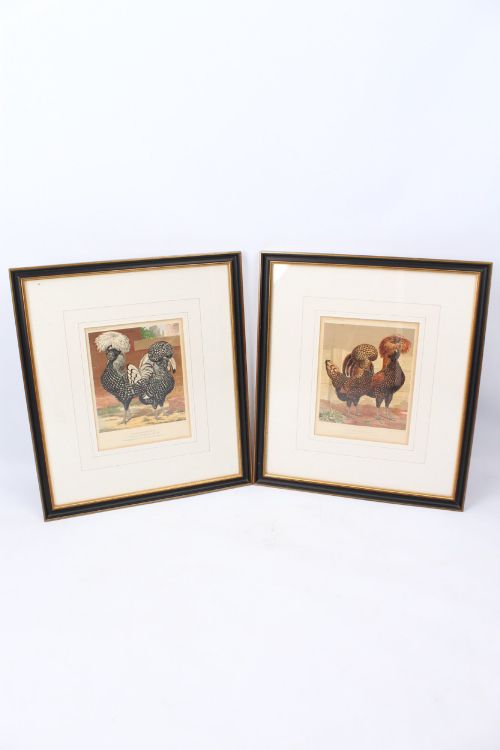
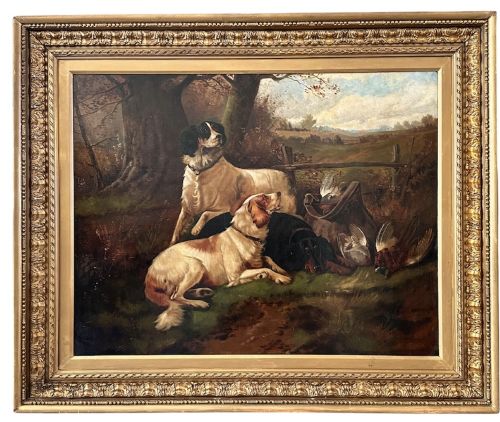
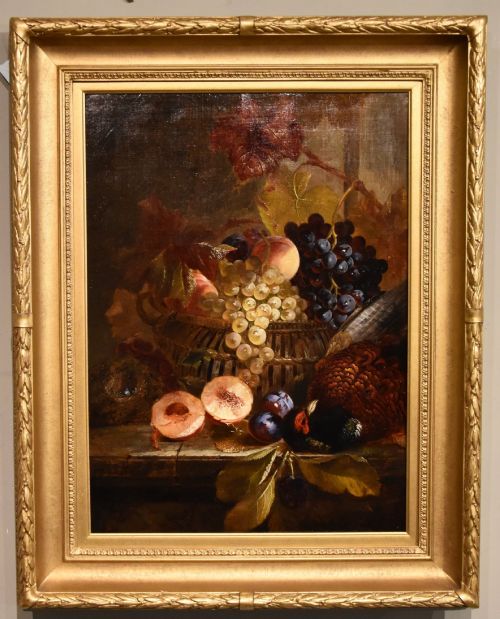
When you search for victorian bird wall art, you encounter framed watercolours, lithographs, engravings, and needlework panels depicting avian subjects. These works span the nineteenth century and styles such as natural history and naive school. The selection here leans towards framed prints, watercolours, and textured textile pieces.
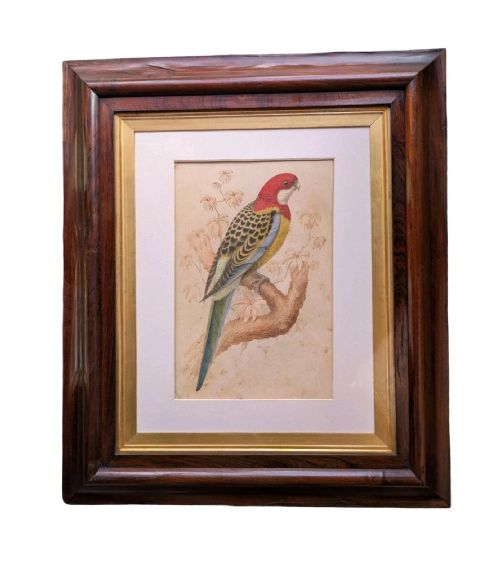
Makers and artists working within this sphere rendered parrots, finches, ducks, and exotic tropical species with detailed observation. Many examples arrive mounted in period frames of ebonised wood, burr maple, or gilt moulding. The visual vocabulary ranges from scientific naturalism to decorative needlepoint and plushwork.
The category also encompasses carved wooden panels and mirrors incorporating bird motifs, alongside hand-coloured engravings. Collectors find both single studies and matched sets suitable for display in traditional spaces. Each piece reflects the nineteenth-century fascination with natural history and ornithological illustration.
Materials and methods
Makers utilised paper, watercolour, ink, and lithography to capture plumage and posture on flat surfaces. Hand-colouring applied to printed engravings and lithographs added vibrancy to scientific plates. Gold leaf and gilt mounts often accented these framed works.
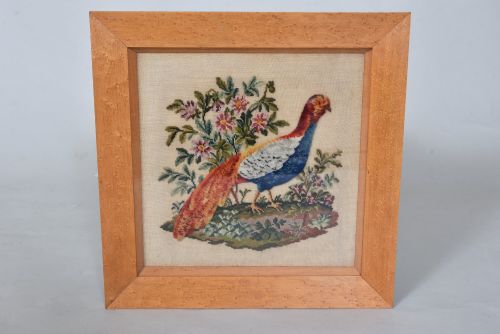
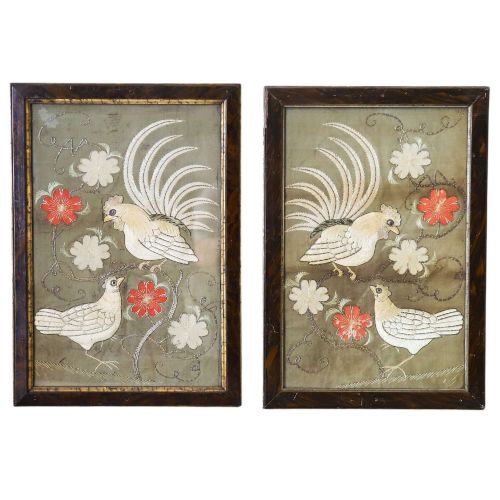
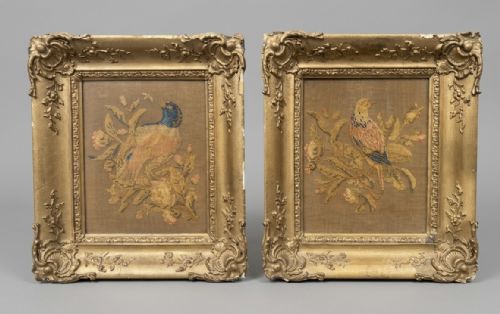
Textile pieces rely on wool, silk, and canvas, employing embroidery, plushwork, and needlepoint to build texture. Artisans stitched thread through fabric to construct multi-dimensional plumage. Frames of carved wood, including tiger oak and ebonised timber, completed the presentation.
Watch for a plushwork pheasant that appears remarkably soft-feathered behind glass.
Standards of execution
The distinction between ordinary and superior pieces rests upon the precision of the draughtsmanship and the crispness of the printing or brushwork. Hand-coloured prints and original watercolours by named artists exhibit greater anatomical accuracy in the rendering of feathers and anatomy. Textile works demonstrate finer stitch density and more sophisticated colour blending in wool and silk.
Framing contributes substantially to the overall character of a piece. Original or period-appropriate frames, such as deep giltwood mounts or burr maple surrounds, elevate the presentation above items housed in modern replacements. The integrity of the paper or fabric surface, free from excessive fading or damp staining, preserves the visual impact.
William Bird MD FLS·Thomas Blinks·Harry Bright·Vincent Clare·William Stephen Coleman·R Hurst·William Andrews Nesfield·John Sargent Noble·Gabriel Viardot·Arthur Wardle·William Henry Ward
The Victorian Bird Wall Art Glossary
- Lithography
- A printing process using a flat stone or metal plate on which image areas are greasy and non-image areas ink-repellent. This technique allowed for the mass production of coloured bird plates.
- Plushwork
- A textile technique creating a raised, velvety pile on embroidery by cutting looped threads. This method lent a tactile quality to the depiction of bird plumage in wool work.
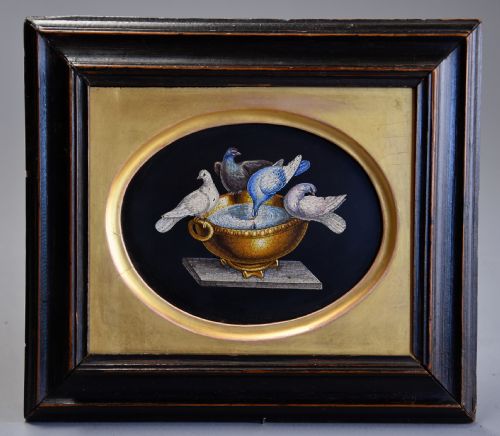
- Micromosaic
- Composed of tiny glass tesserae assembled to form a detailed picture. Such plaques appeared in decorative frames depicting subjects like doves.
- Engraving
- A printmaking method where an artist cuts lines into a metal plate to hold ink. These plates yielded fine, precise lines suited to scientific illustration.
- Needlepoint
- Embroidery stitched through a stiff open-weave canvas canvas ground. It formed durable pictorial panels for domestic wall display.
Victorian Bird Wall Art: Frequently Asked Questions
What materials make up these artworks?
The works incorporate paper, watercolour, ink, and canvas. Artisans also used wool and silk for embroidered textile pieces.
Wooden frames frequently accompany these items, utilising materials such as burr maple, ebonised wood, and giltwood.
How were these pieces displayed originally?
Nineteenth-century interiors featured these artworks hung on domestic walls in studies, libraries, and drawing rooms. Framed prints and watercolours served both decorative and educational purposes.
Needlework samplers and embroidered panels also found a permanent place on household walls.
What is the difference between lithographs and watercolours?
Watercolours are unique painted works executed directly on paper by an artist's hand. Lithographs are printed reproductions that may receive additional hand-colouring.
Original paintings display brush texture, while lithographs reveal printed dot patterns or smooth ink layers under close inspection.
How do you identify period frames?
Period surrounds often feature construction methods specific to the nineteenth century, such as ebonised finishes, deep giltwood mounts, or burr maple veneers. These housings complement the age of the artwork inside.
Subtle wear and patination on the timber or gilt surfaces help confirm their age.