


Victorian Bird Art
When you search for Victorian bird art, you meet watercolours, oil paintings, prints, and carved wood pieces from the nineteenth century.
Victorian Bird Art
When you search for victorian bird art, you encounter a diverse range of works depicting avian subjects through various mediums. These pieces span from detailed watercolours and lithographs to oil paintings and carved wooden sculptures, reflecting the period's deep fascination with natural history and domestic craft.
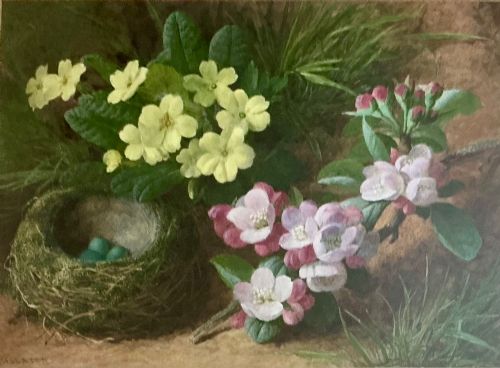
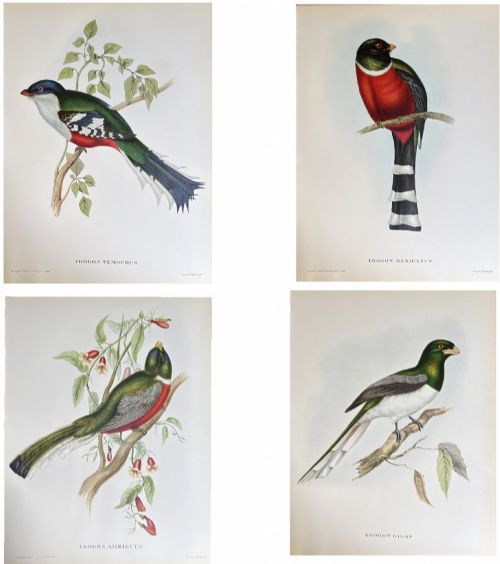
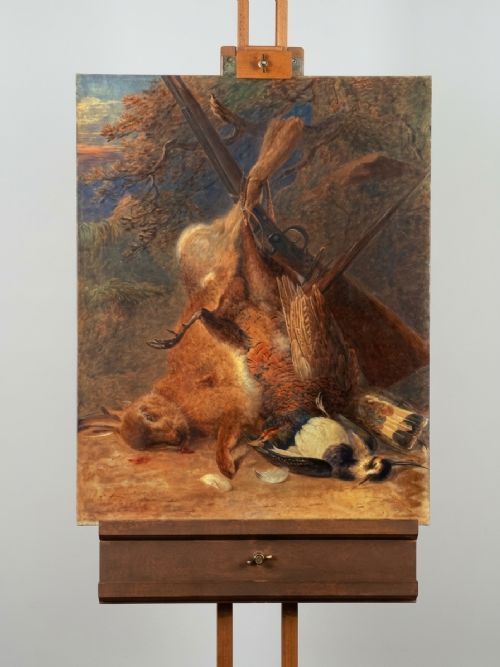
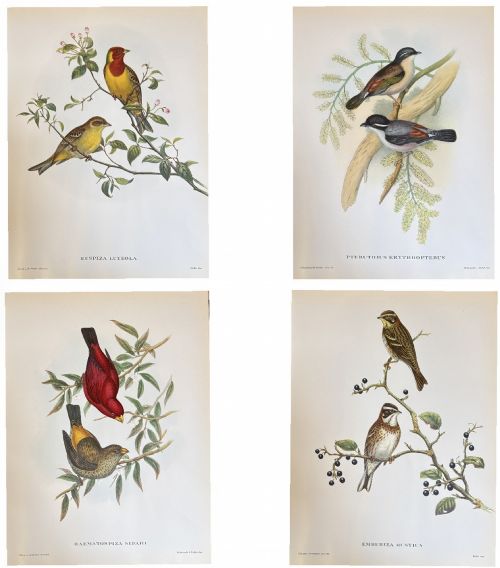
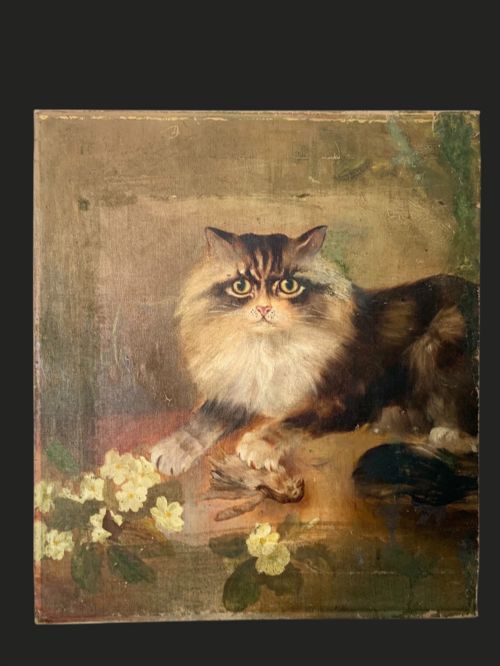
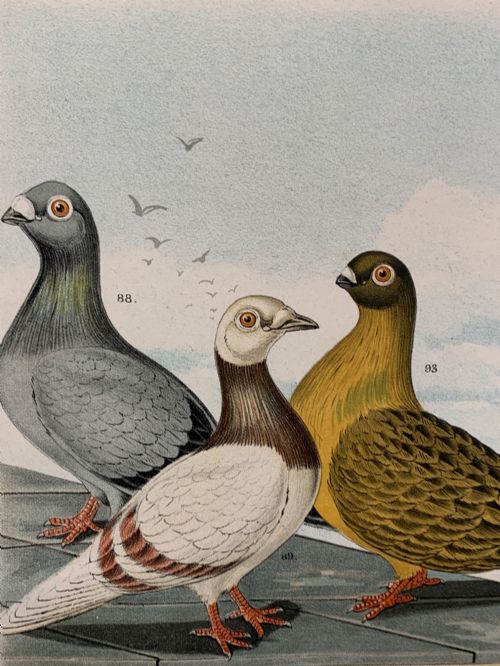
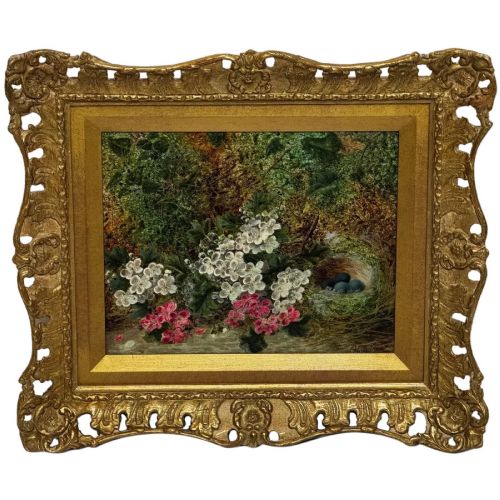
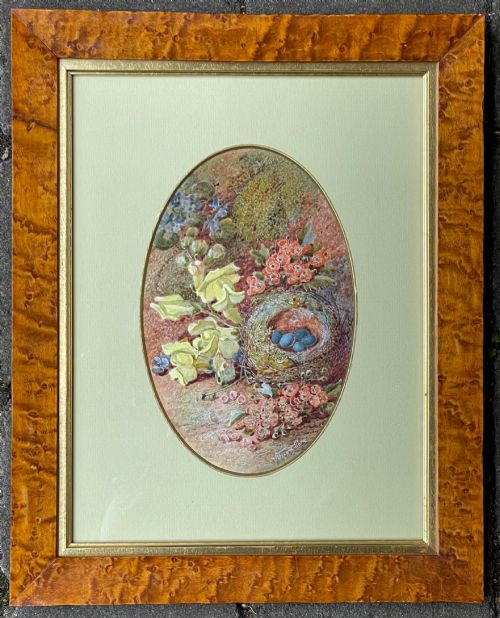
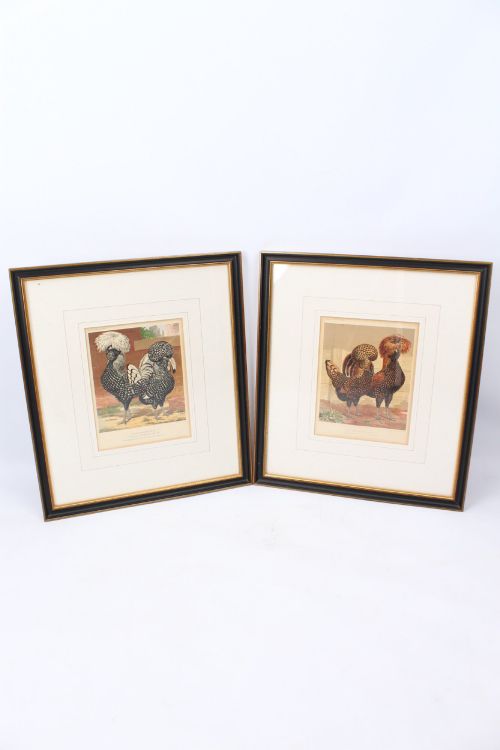
You are most likely to meet framed prints, botanical or ornithological lithographs, and watercolour paintings on this page. Many examples capture domestic pigeons, exotic parrots, or native game birds within varied settings from natural habitats to still life arrangements.
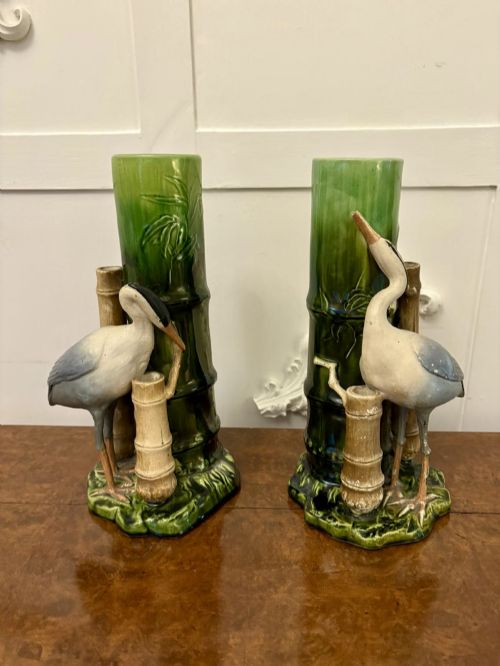
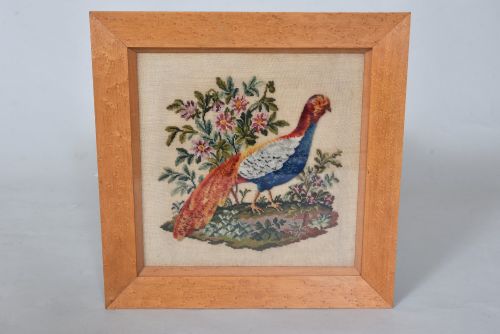
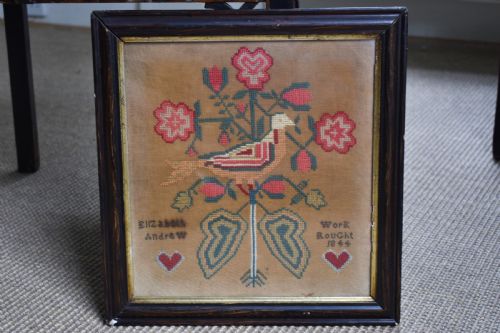
The selection extends beyond flat works to include carved wooden parrots, plushwork panels, and embroidered textiles. These diverse forms demonstrate how nineteenth-century makers integrated avian motifs into everyday decorative objects and fine art alike.
Materials and Techniques
Makers utilised watercolour and bodycolour on paper, oil paint on canvas, and lithographic printing processes to render plumage and form with exact observation. Hand-coloured engravings and lithographs provided accessible visual records for collectors and naturalists.
Sculptural pieces rely on carved wood, sometimes paired with brass stands or framed in ebonised and giltwood mounts. Textile works employ wool, silk embroidery, and plushwork techniques to build tactile depth into feathered subjects.
Victorian Bird Art Retail Price Guide 2026
Typical asking prices for victorian bird art among the pieces listed under this phrase on Sellingantiques today, from the lower quarter to the upper quarter. They describe what is for sale here now, not the wider market.
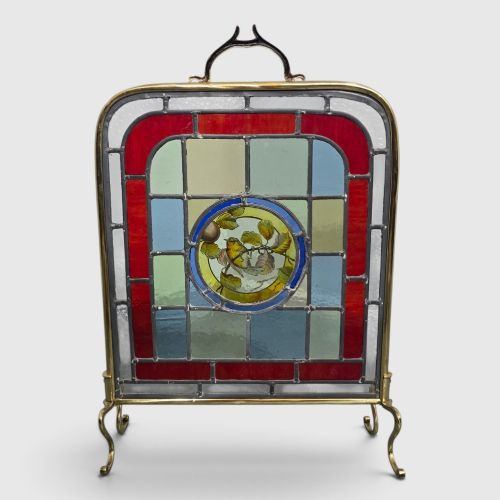
Listings feature works from the nineteenth century using watercolour, oil paint, paper, glass, wood, and textiles.
Gradations in Quality
The distinction between standard works and exceptional pieces lies in the precision of anatomical rendering and the subtlety of colour blending in plumage. Master artists captured light and texture in feathers with acute observation, whereas lesser works rely on rigid outlines and flat tones.
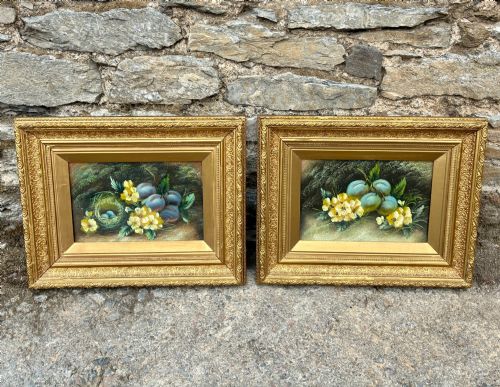
Condition and originality of framing significantly influence the standing of a piece. Original mounts, untouched ebonised frames, and signed or attributed works command greater consideration than later re-framings or anonymous studio copies.
Harry Bright·Oliver Clare·Edward Ladell·Vincent Clare·Frederick Tatham
The Victorian Bird Art Glossary
- Lithograph
- A planographic printing process using a stone or metal plate that yields detailed tonal images, commonly used for published ornithological plates. These prints often display delicate hand-colouring applied after the initial ink transfer.
- Bodycolour
- Watercolour mixed with a white pigment to create an opaque paint that sits densely on paper. This technique gives highlights a heavier presence and allows for rich, solid areas of colour.
- Plushwork
- A raised textile embroidery technique utilising cut pile stitches to create a tactile, velvety surface. In avian depictions, this method builds a convincing illusion of soft bird feathers.
- Ebonised
- Wood treated with a chemical stain or dark finish to imitate ebony. This dark framing material provides a sharp contrast that accentuates the vibrant colours of watercolour and lithograph plates.
Victorian Bird Art: Frequently Asked Questions
What subjects appear most often in these works?
The pieces display a wide array of avian life, ranging from native lapwing, woodcock, and racing pigeons to exotic macaws and tropical parrots.
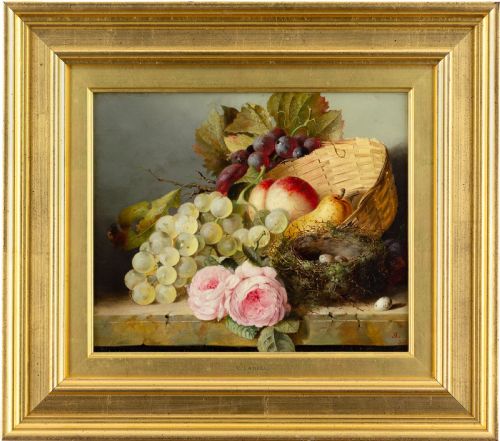
Artists also placed birds within still life compositions alongside nests, blossom, and fruit, or recorded them through scientific lithography.
How were these pieces displayed originally?
Many works on paper were framed behind glass with deep giltwood mounts and ebonised wood frames to protect delicate watercolours and lithographs.
Carved wooden figures and plushwork panels served as tabletop ornaments or decorative wall hangings within nineteenth-century domestic interiors.
How can I identify the period of a piece?
Dating relies on stylistic evidence, artist signatures, framing materials, and printing techniques recorded across the nineteenth century. Examining the backing paper, mount style, and medium helps establish the era of production.
Makers often inscribed dates or signatures directly onto the canvas, paper, or carved base.