


Victorian Beech Armchair
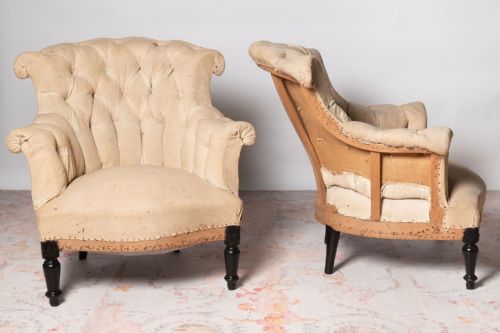
A victorian beech armchair brings honest nineteenth-century country craftsmanship and sturdy utility directly into a modern room.
Victorian Beech Armchair
A victorian beech armchair is fundamentally a functional seat built from local timbers during the nineteenth century, often combining a turned beech frame with a comfortable elm saddle seat. Buyers searching this phrase encounter robust country seating designed for daily domestic or workplace use rather than delicate formal parlour displays.
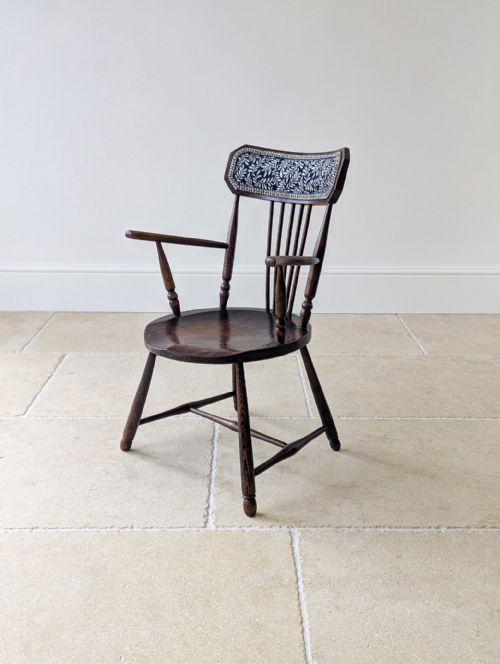
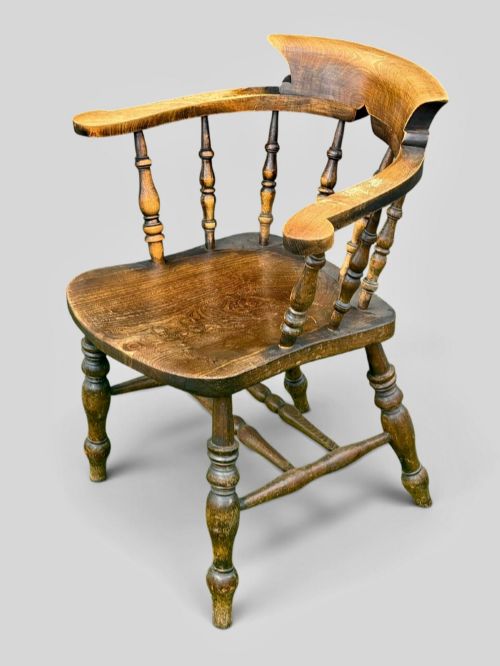
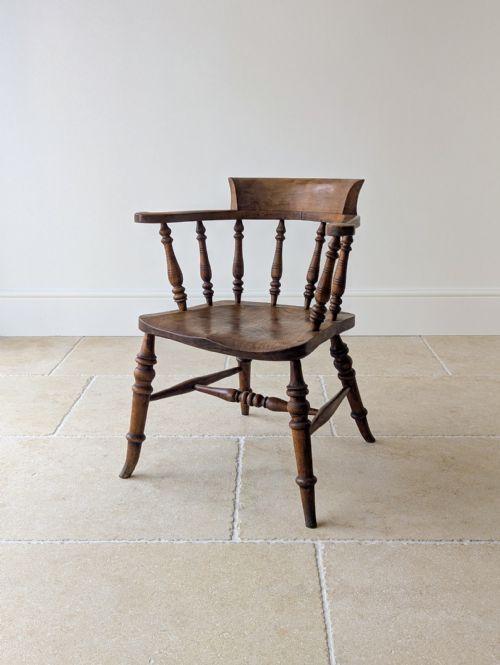
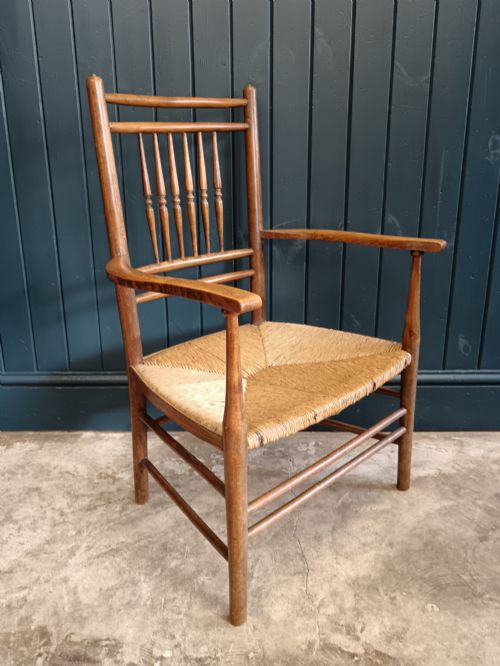
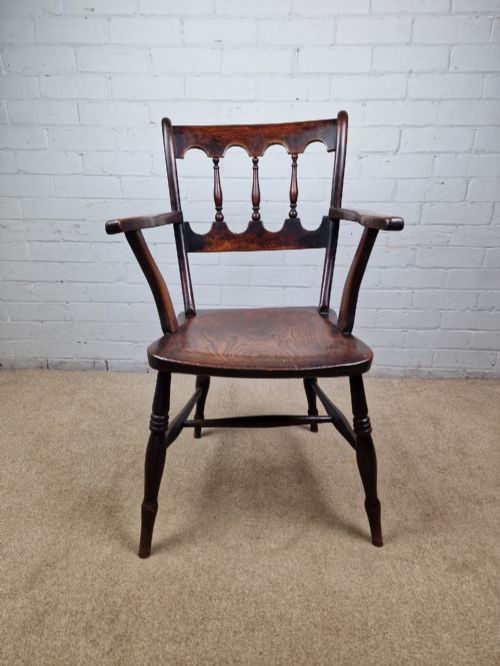
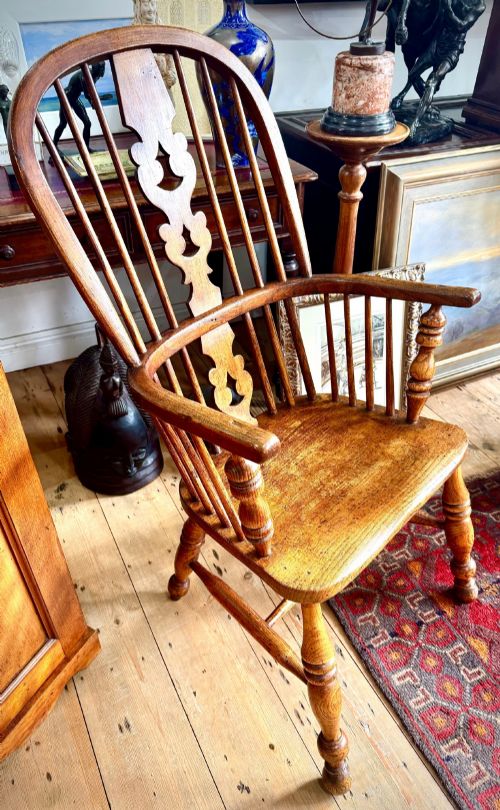
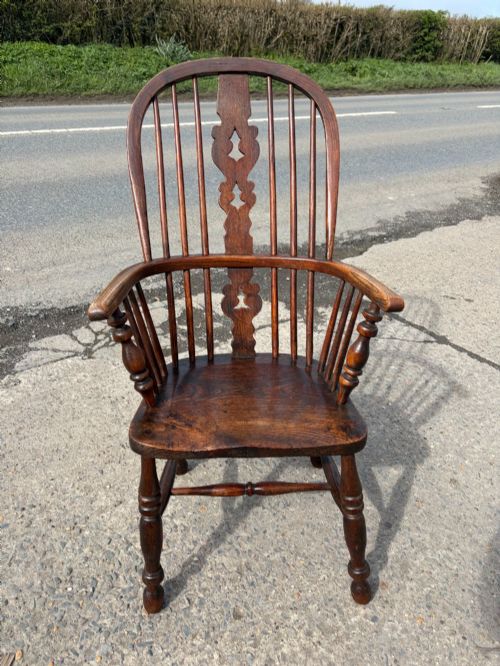
The most common iterations on this page are Windsor variants, smoker's bows, and captain's chairs originating from English rural workshops. These vernacular designs range from high-back spindle chairs to low rocking armchairs fitted with rush, cane, or solid timber seats.
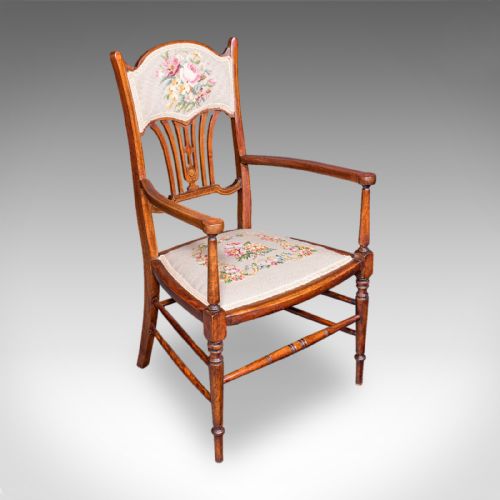
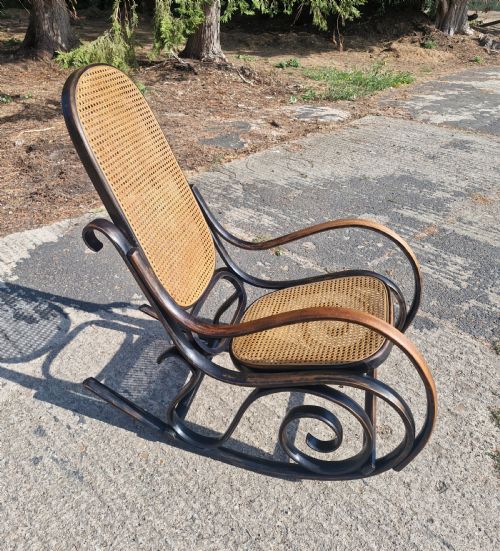
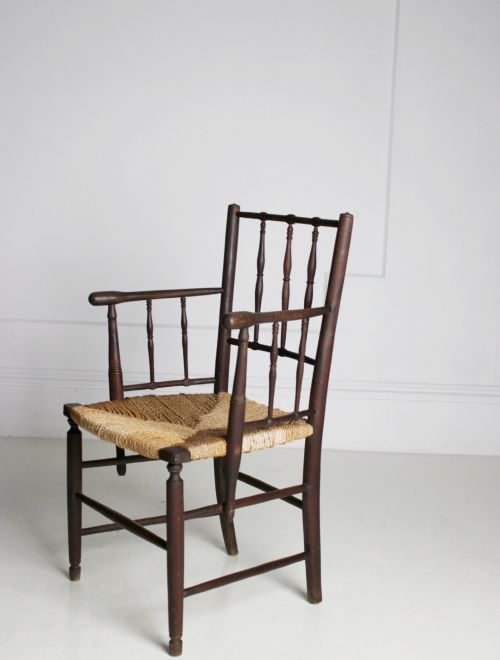
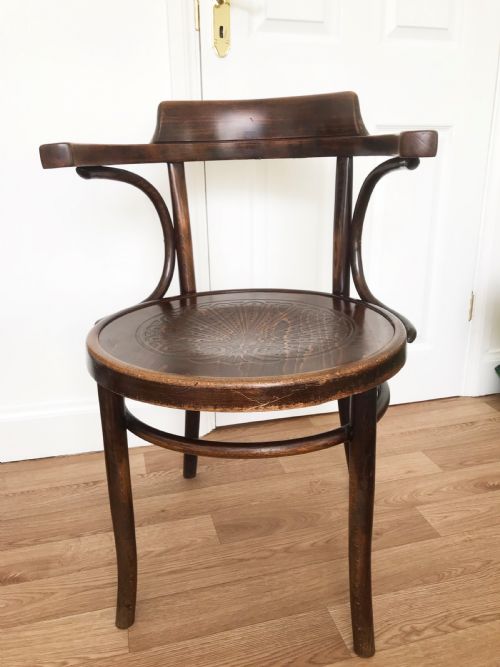
Makers also produced lighter stylistic interpretations influenced by the Arts and Crafts movement and Art Nouveau, alongside continental bentwood rocker models. Each regional variation displays distinct turning details and joint construction unique to its period of manufacture.
Materials and construction
Makers utilised beech primarily for the bent components, legs, and spindles because of its ability to hold tight turned shapes and accept steam bending. Elm frequently formed the scooped solid seats, chosen for its interlocking grain that resisted splitting under heavy downward pressure.
Traditional joinery relied heavily on wedged tenons, dowels, and steam-bent members rather than modern metal fixings. Frames often incorporated secondary woods such as ash, oak, or alder depending on the regional workshop stock and the specific structural requirements of the chair.
Surface treatments typically involved staining the beech to mimic more expensive hardwoods, followed by layers of natural wax or polish built up over decades of handling.
Listings demonstrate a strong preference for nineteenth-century combinations of turned beech frames and carved elm seats.
Assessing quality
Quality rests in the integrity of the original joints and the depth of the timber's patination gained through long usage. Superior examples retain their original turned components without heavy replacement parts or structural compromise.
The comfort and proportion of the elm seat carving separates master vernacular work from routine commercial production. Deeply sculpted saddle seats demonstrate a higher level of ergonomic consideration by the original maker.
Fine craftsmanship shows in crisp lathe turnings and tight wedge construction where the uprights pass through the seat base.
Morris and Co·Thonet
The Victorian Beech Armchair Glossary
- Windsor chair
- A wooden chair built with a heavy solid timber seat into which the legs and back spindles are separately bored and wedged. This vernacular form dominated nineteenth-century English farmhouse seating.
- Smoker's bow
- A low-backed Windsor variant featuring a continuous curved arm rail supported by turned spindles, originally popular in offices and smoking rooms. These chairs offer a compact footprint combined with a generous elbow rest.
- Bentwood
- Wood shaped by applying steam and moisture to soften the fibres before clamping them into curved forms. This technique created lightweight, durable frames during the later nineteenth century.
- Rush seat
- A woven seating surface made from dried marsh rushes twisted into cords and hand-plaited across the frame. It provides a resilient, natural texture found frequently on Arts and Crafts models.
- Spindle back
- A chair back constructed from multiple slender, turned wooden rods arranged vertically between the seat and top rail. This design distributes weight evenly while maintaining an open visual profile.
Victorian Beech Armchair: Frequently Asked Questions
How do I identify a genuine nineteenth-century piece?
Examine the construction methods underneath the seat, looking for hand-turned spindles, wedged tenons, and natural wear patterns on the timber footings. Genuine examples show authentic patination and tool marks consistent with period workshop practices.
Compare the timber species combinations, as nineteenth-century provincial makers typically paired beech frames with elm seats. Modern reproductions often lack the subtle hand-shaped irregularities and aged colour depth found in authentic stock.
Were these chairs used at desks or dining tables?
Many sturdy variants served double duty as captain's chairs or office seating in studies, libraries, and commercial counting houses. Their robust proportions made them suitable for prolonged daily sitting.
Dining rooms also utilised lighter carver versions alongside matching side chairs. Lower rocking variations were positioned by fireplaces for relaxation.
How should I care for an old wooden seat?
Maintain the timber by applying a microcrystalline wax polish sparingly to nourish the dry wood and protect the historic surface. Avoid placing the furniture near direct heat sources or in fluctuating humidity.
Keep natural rush or cane seating clean with a soft brush to remove dust from the woven interstices. Regular gentle maintenance preserves the natural patination without stripping the historic finish.
What is the difference between a Windsor and a captain's chair?
A Windsor chair incorporates a distinct central back construction with spindles anchored into a solid saddle seat, spanning various high and low back designs. Captain's chairs specifically feature a low, continuous semicircular arm rail supported by short spindles.
Both forms utilise similar turned beech and elm construction techniques. Captain's chairs were typically scaled for comfortable desk work rather than relaxed parlour lounging.