

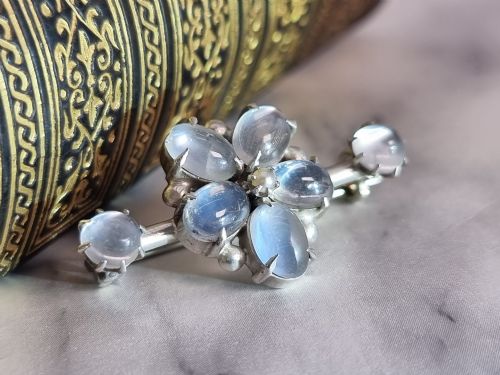
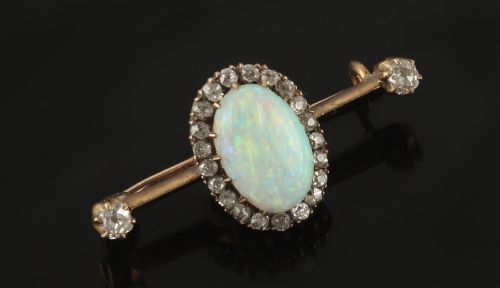


Victorian Bar Brooch
A victorian bar brooch is a slender pin of gold set with gemstones, prized for its delicate length and secure clasp.
Victorian Bar Brooch
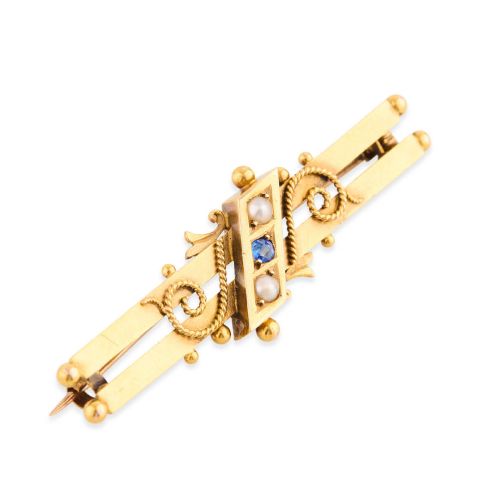
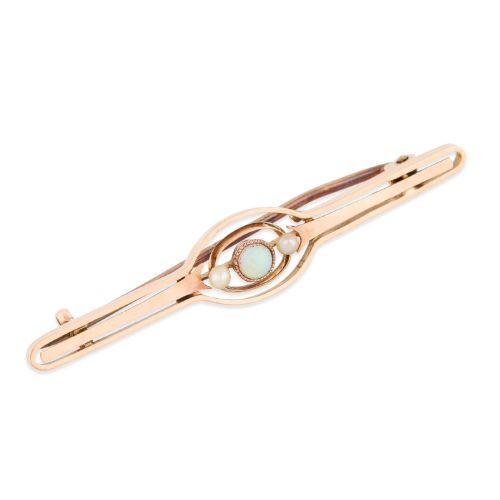
A victorian bar brooch is a linear dress ornament designed to fasten garments or adorn a lapel, typically stretching horizontally across fabric. You will most frequently meet pieces fashioned from yellow gold, ranging from nine carat to fifteen carat, often carrying single stones or balanced clusters.
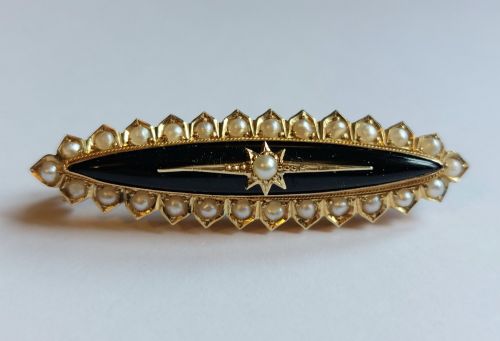
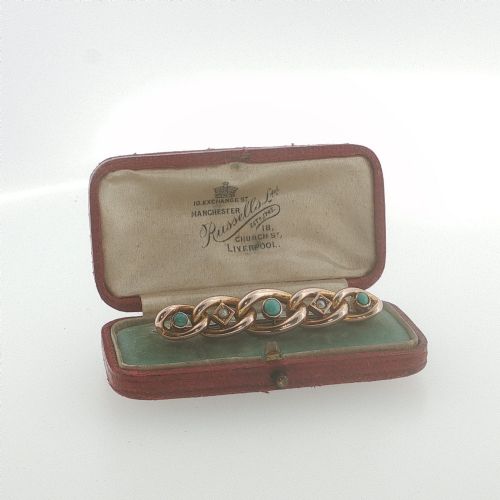
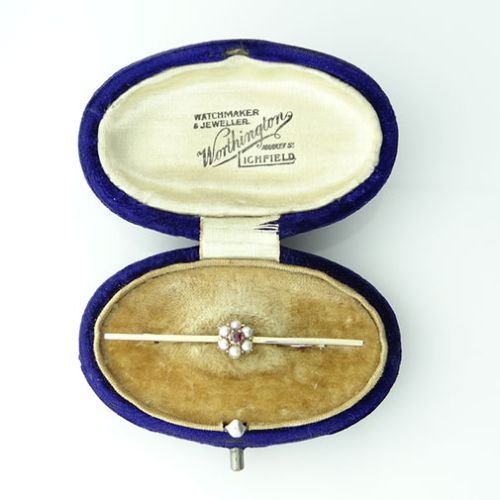
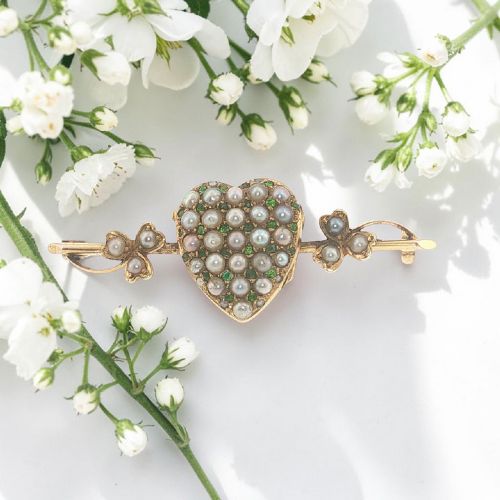
The materials span from plain precious metal nuggets to pieces richly adorned with pearls, diamonds, amethysts, turquoise, agate, and enamel. While many examples hail directly from the Victorian era, the selection also includes items from the Edwardian period and around nineteen hundred.
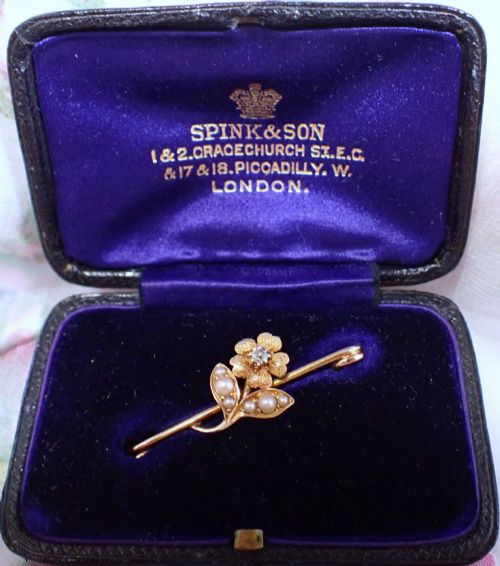
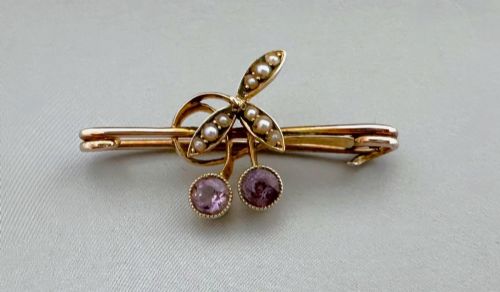
Designs stretch from simple straight lines to figural motifs incorporating stars, crescents, animals, and insects. These diverse forms ensure that buyers find everything from understated daily wear to substantial diamond and gemstone centrepieces.
How they were made
Goldsmiths shaped bars from yellow, rose, or standard gold, employing casting and wire-drawing techniques to create sturdy foundations. Gemstones such as old cut diamonds, pearls, and garnets were then secured using flush, bezel, or claw settings tailored to each stone's shape.
Detailed work involved hand-carving gemstones like banded and red agate, mounting tiny seed pearls in crescent or star clusters, and applying coloured enamel. Pins were forged separately from the bar and attached with functional hinges and C-clasps.
Victorian Bar Brooch Retail Price Guide 2026
Typical asking prices for victorian bar brooch among the pieces listed under this phrase on Sellingantiques today, from the lower quarter to the upper quarter. They describe what is for sale here now, not the wider market.
What varies in quality
The distinction between standard examples and the finest pieces rests on the weight and purity of the gold, alongside the selection of gemstones. Higher-tier brooches feature substantial carat gold paired with sizeable old cut diamonds or natural pearls rather than smaller assembled stones.
Artisanal execution dictates distinction, separating simple mass-produced items from finely detailed figural work like spiders, dogs, or intricate garland curves. The harmony of stone placement and the crispness of chased metal details elevate certain pieces above routine production.
The Victorian Bar Brooch Glossary
- Bar brooch
- A slender linear pin designed to fasten clothing, forming the structural backbone of these jewels. It often measures several inches across.
- Old cut diamond
- A hand-faceted diamond shape typical of the nineteenth century, featuring a smaller table and larger culet that catch candlelight softly. These stones pre-date modern brilliant cutting.
- Seed pearl
- A tiny, naturally occurring small pearl used in clusters or crescents to decorate nineteenth-century jewellery. They require careful drilling and secure setting.
- Banded agate
- A variety of chalcedony displaying natural concentric stripes of colour, frequently cut and polished en cabochon for Victorian pins. Each stone shows unique geological banding.
- Yellow gold
- Gold alloyed with copper and silver to produce a warm yellow metallic hue, standard for nineteenth-century British jewellery production. Higher carat versions possess a richer colour.
Victorian Bar Brooch: Frequently Asked Questions
How do I wear a bar brooch?
These pins attach securely to lapels, collars, heavy scarves, or thick knitwear using their original pin and clasp mechanisms.
Because the long bar spans across fabric, it distributes weight evenly and holds heavier gemstone clusters without sagging.
Are these brooches made of solid gold?
The pieces utilise solid gold alloys, commonly marked at nine, fifteen, or eighteen carats, rather than mere surface plating.
This solid metal construction ensures durability in the thin bar structure over more than a century of use.
What gemstones appear on these brooches?
Common embellishments include diamonds, pearls, amethysts, turquoise, rubies, garnets, and banded agates set directly into the gold.
Makers frequently combined pearls with coloured stones like pink and blue topaz or amethyst to create contrasting visual patterns.
How can I tell the period?
Stylistic clues such as old cut diamond facets, natural pearls, specific motifs like crescents or insects, and hallmark stamps help date pieces.
Items span the nineteenth century through to Edwardian designs and the turn of the twentieth century.