
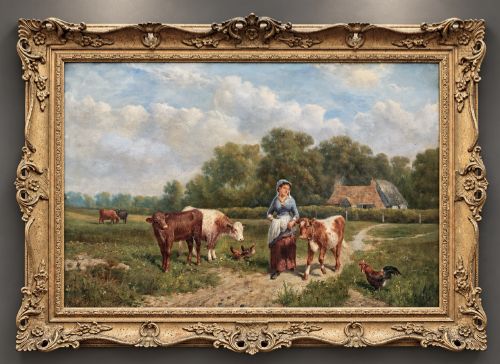
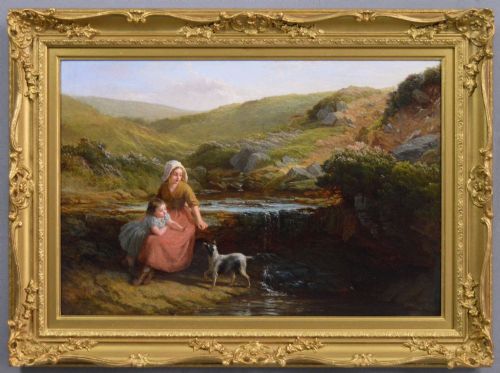
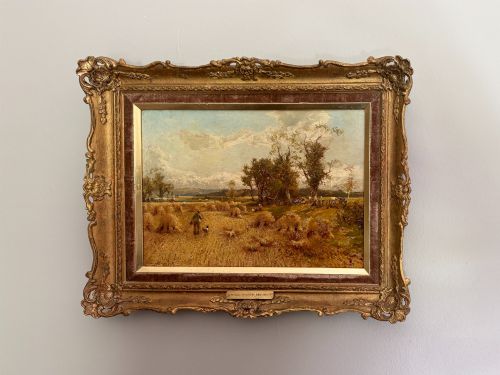

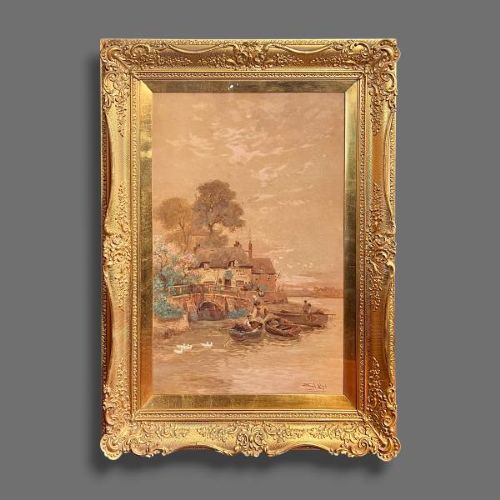
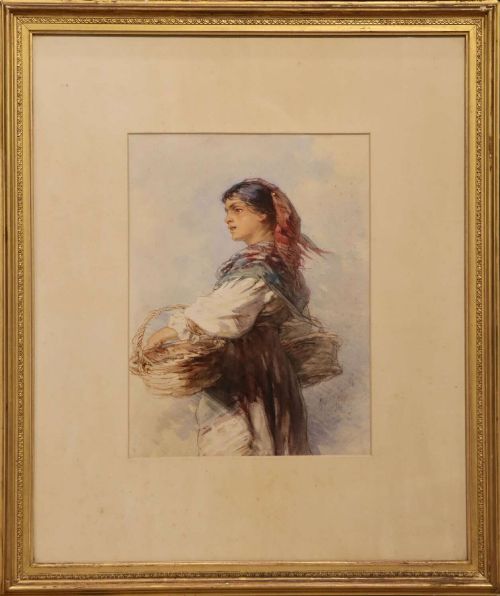


Victorian Artwork Gilded Frame
When you search for a victorian artwork gilded frame, you find oil paintings, watercolours, and silhouettes housed in ornate wood and gesso mounts from the nineteenth century onwards.
Victorian Artwork Gilded Frame
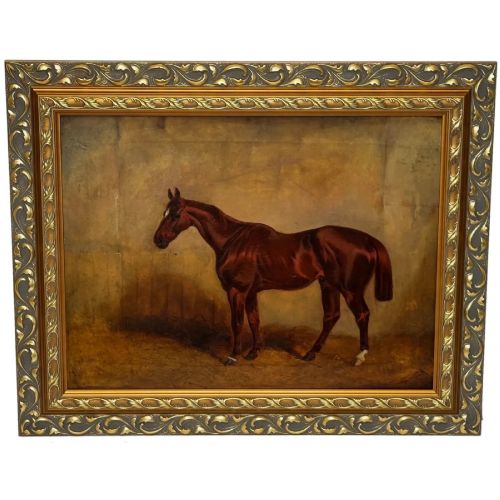
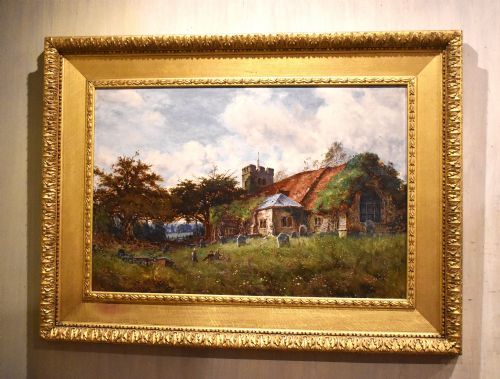
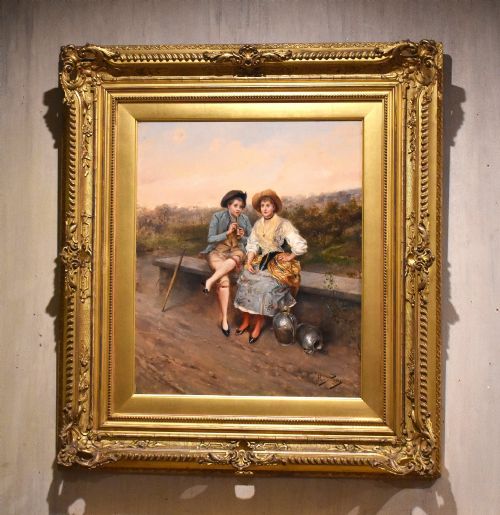
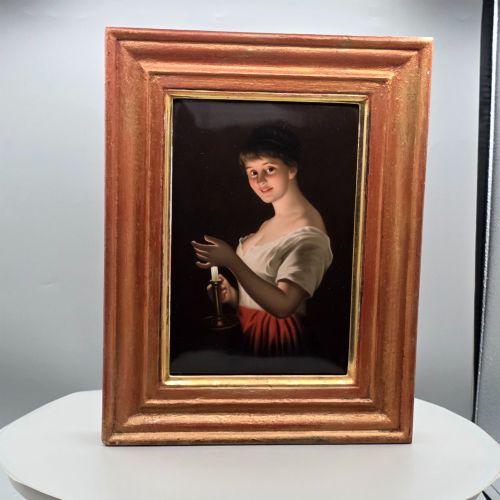
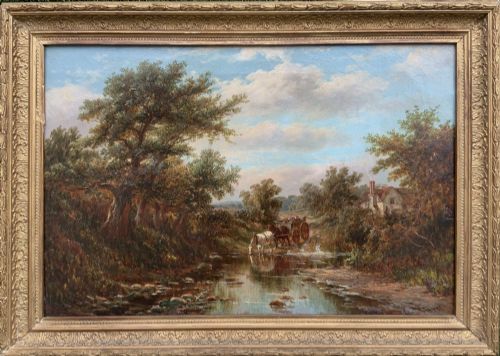
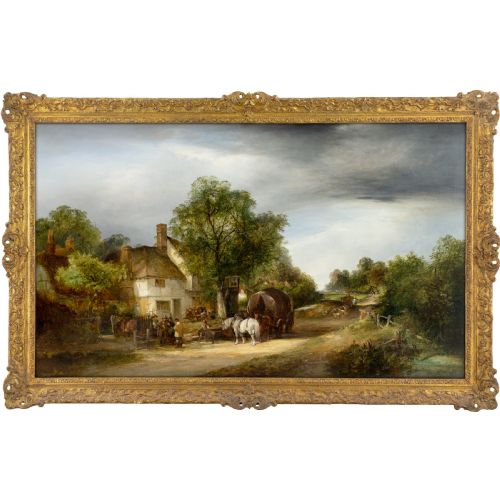
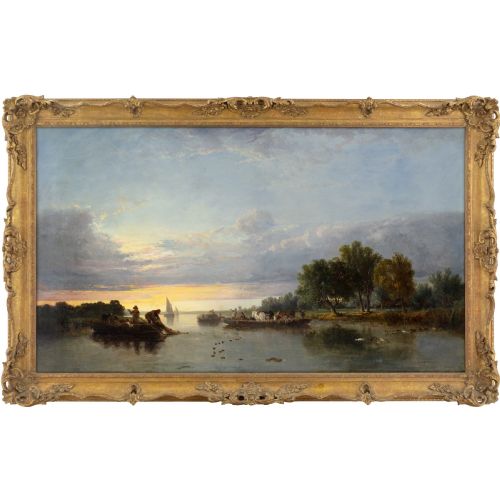
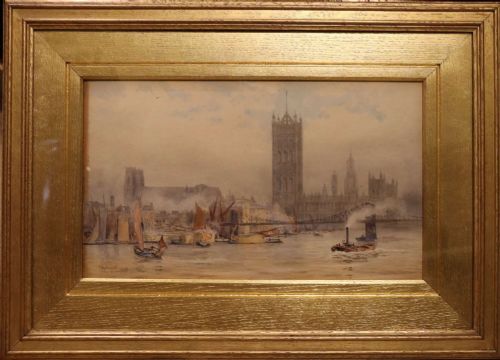
A victorian artwork gilded frame encompasses oil on canvas paintings, watercolours on paper, and framed portraits originating predominantly from the nineteenth century. The subjects range from pastoral landscapes and townscapes to intimate domestic interiors and character studies.
Buyers will most frequently encounter nineteenth-century oil paintings on canvas or board accompanied by decorative giltwood surrounds. These pieces often reflect academic, romantic, or realist traditions associated with the period.
How they were made
Canvases are stretched over wooden frames and painted using traditional oil techniques, while watercolours are executed on paper supports. The surrounding frames employ carved or moulded wood finished with layers of gesso and gold leaf.
The gilding process requires meticulous application of metallic leaf over prepared gesso grounds to achieve a reflective surface that complements the artwork within.
Listings feature works from the 19th Century, Edwardian period, and 1960s, executed in oil on canvas, watercolour, and paper.
What varies in quality
The depth and intricacy of the carving on the gilt frame differentiate standard mouldings from exceptional hand-worked examples. Crisp detail in the gesso ornamentation and the preservation of the original gold leaf indicate superior craftsmanship.
In the artworks themselves, the fineness of brushwork, precision of anatomical or architectural drawing, and the subtlety of colour harmonies separate skilled academic production from more rudimentary works.
Richard Sebastian Bond·Valentine T Garland·Alfred Fontville de Breanski Jr·Oliver Clare·Vittorio Reggianini·David Bates·Alfred Pollentine·Francis Moltino·Adelaïde Salles-Wagner·George Augustus Holmes
The Victorian Artwork Gilded Frame Glossary
- Giltwood
- Wood that has been coated with gold leaf or a gold-coloured metallic finish. This material is standard for decorative nineteenth-century picture frames.
- Gesso
- A plaster-like mixture applied to wood frames to create a smooth surface for gilding. It is frequently moulded into relief decoration.
- Oil on Canvas
- A painting medium where pigments are suspended in drying oils and applied to a woven fabric support. It is the dominant medium found in these listings.
- Watercolour Painting
- A method where paintings are made using water-soluble pigments on paper. These works require protective glass glazing.
- Genre Painting
- Depictions of everyday life and ordinary people engaged in familiar scenes. Many nineteenth-century examples focus on domestic or rural subjects.
Victorian Artwork Gilded Frame: Frequently Asked Questions
How do I date a gilded frame?
Dating relies on examining the construction methods of the underlying wood, the composition of the gesso, and the style of any applied ornamentation. Nineteenth-century frames often display characteristic moulding profiles and corner joins that distinguish them from later reproductions.
Changes in preparation layers and gilding techniques over the decades also provide reliable chronological indicators for experienced collectors.
Are all these paintings Victorian?
While the majority originate from the Victorian era and the broader nineteenth century, the listings also include pieces from adjacent periods such as the Edwardian era and mid-twentieth-century revivals.
Each listing specifies its precise period or estimated date to help buyers identify the exact era of creation.
How should I clean a gilt frame?
Gilt frames require extremely gentle maintenance to avoid damaging the delicate gold leaf and gesso layers. Dusting should be done lightly with a dry, soft brush without using liquid cleaners or abrasive cloths.
Professional conservators should handle any structural repairs or deep cleaning of historic gilded surfaces.
What subjects are most common?
Landscape and portrait subjects dominate the selection, capturing romantic scenery, rural life, and individual sitters. Coastal views, domestic interiors, and botanical studies also frequently appear among the artworks.
These varied subjects reflect the broad artistic output of nineteenth-century academic and realist painters.