
Victorian Artwork Fine Art
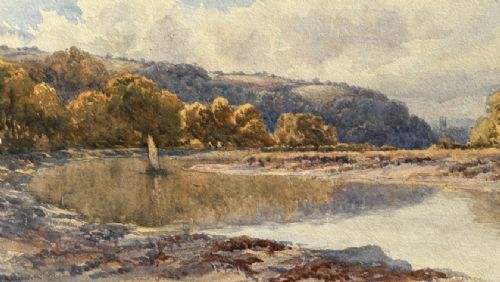
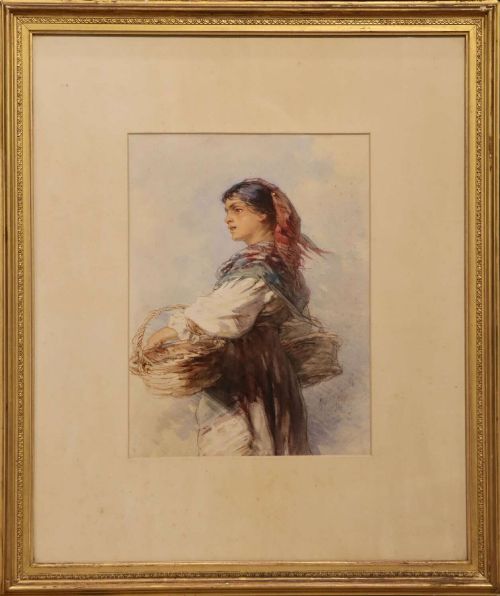
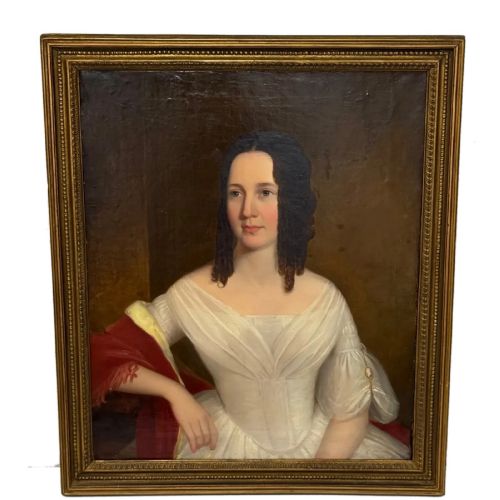
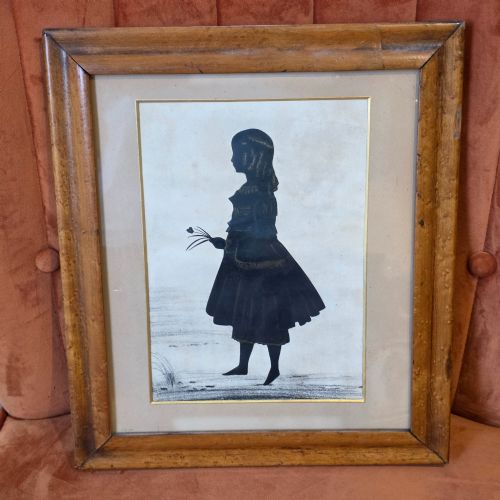
When you search for victorian artwork fine art, you encounter oil paintings, watercolours, and cut-paper silhouettes spanning the nineteenth century.
Victorian Artwork Fine Art
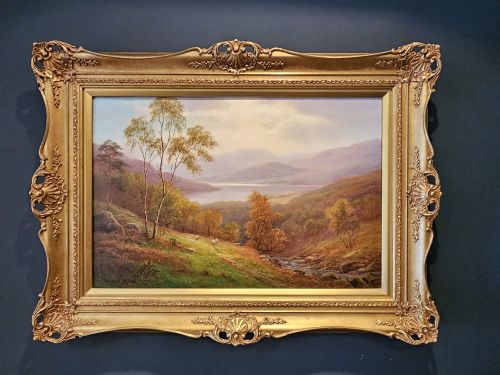
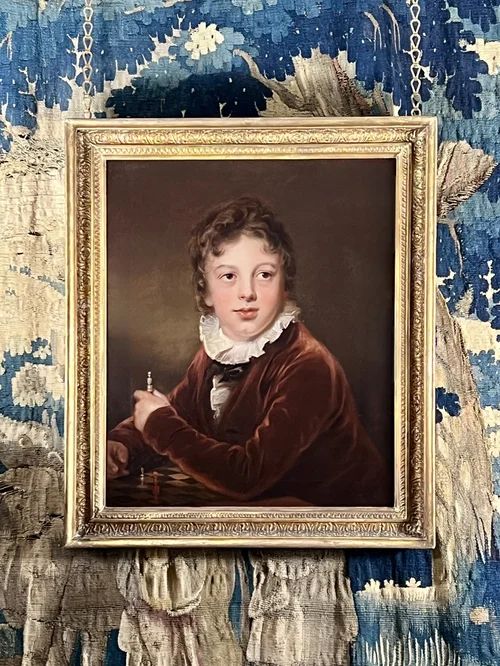
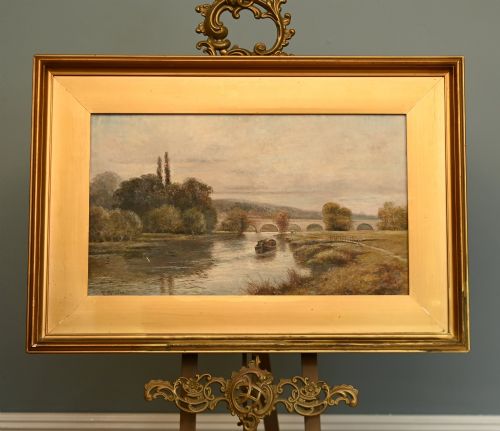
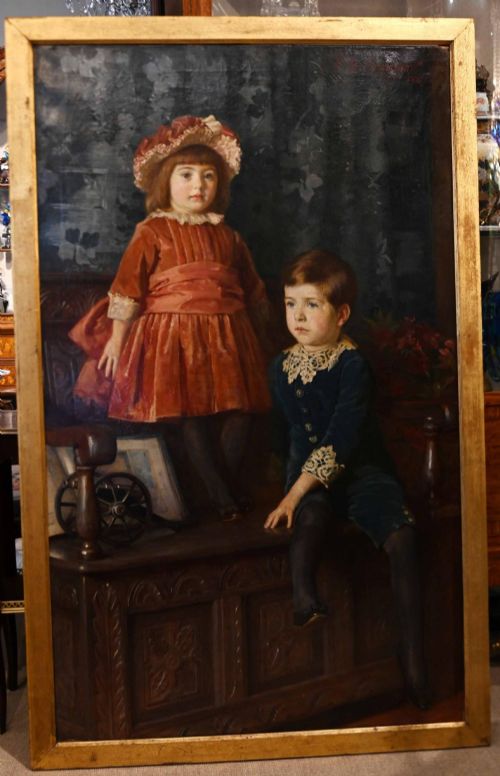
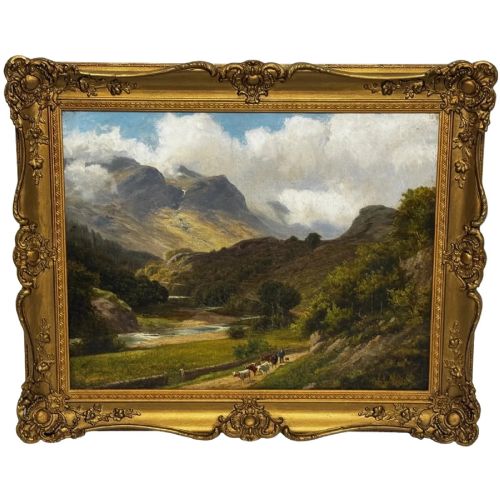
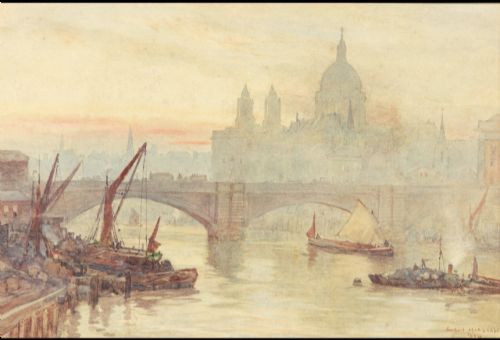
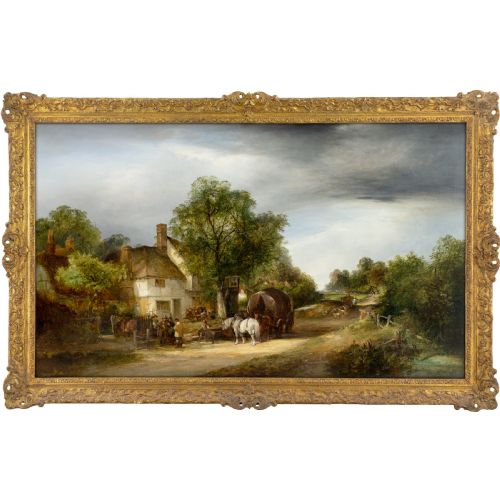
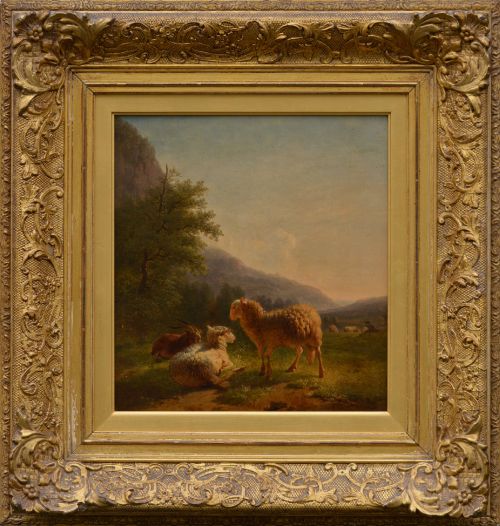
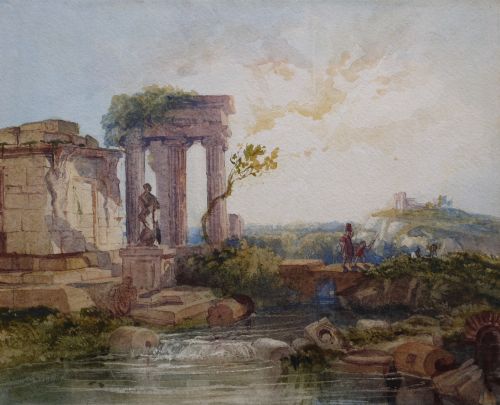
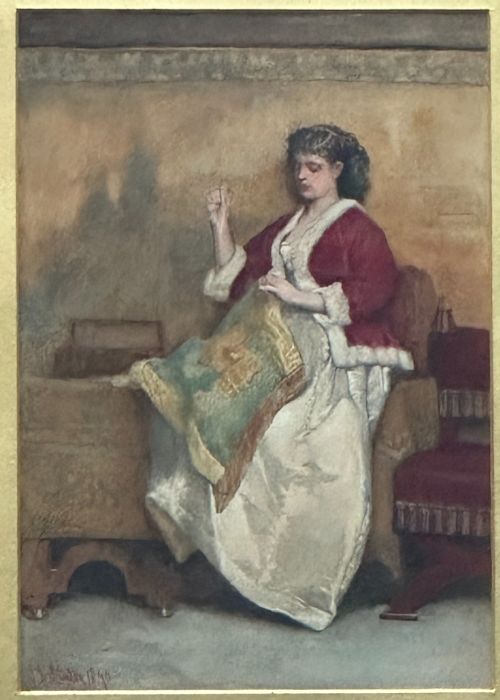
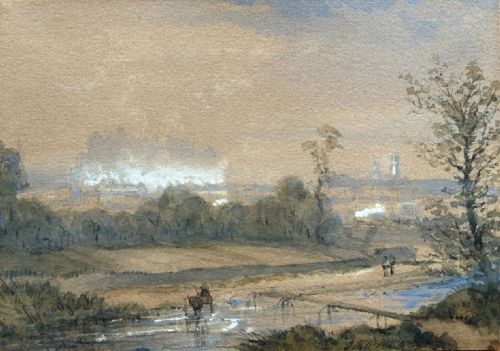
Victorian artwork fine art encompasses oil paintings and watercolours depicting portraits, landscapes, genre scenes, and still lifes created across the nineteenth century.
The pieces on this page span the Victorian period alongside Regency, Edwardian, and French nineteenth-century schools, reflecting diverse academic and realist traditions.
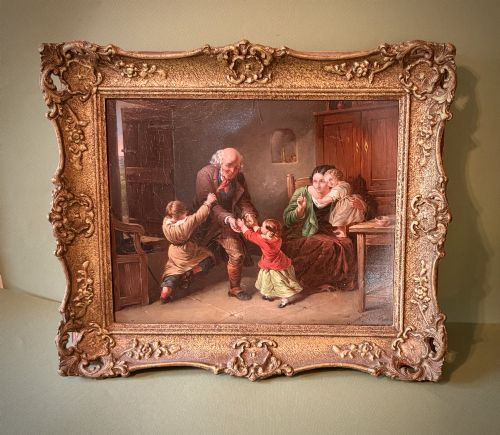
Subjects range from grand architectural portraits and social history pieces to intimate garden views and detailed studies of everyday life.
Materials and methods
Artists worked primarily in oil on canvas or board, and watercolour on paper, utilising traditional pigments applied with confident brushwork.
Many works retain their original giltwood or wood frames, often complemented by glass protection for delicate paper watercolours and cut-paper silhouettes.
Listings feature nineteenth-century oil paintings, watercolours, and cut-paper silhouettes set within original wood and giltwood frames.
Assessing quality
Quality rests upon the artist's handling of light, anatomical precision, and the expressive depth captured in portraiture or landscape depth.
The preservation of the original canvas, pigment vibrancy, and the craftsmanship of the period frame contribute significantly to the standing of each piece.
Eugène Verboeckhoven·William Beattie-Brown·Felix Stone Moscheles·Richard Principal Leitch·Sir James Dromgole Linton·John R Prentice·Frederick Marriott·Henry Stacy Marks·John Horace Hooper·John McDougal·Sir Joshua Reynolds·Sir Thomas Lawrence·Gian Paolo Pace·Albert Clark·W R Waters·G J S Bary·W D Almond·Alfred Pollentine·Howard Helmick·Edward Ladell·Adelaïde Salles-Wagner·Max Kaltenmoser·Sir John Gilbert·Ernest Arthur Rowe·Louis Charles Verwee
The Victorian Artwork Fine Art Glossary
- Genre painting
- Depiction of aspects of everyday life by depicting ordinary people engaged in common activities. These scenes offer valuable social history from the period.
- Giltwood
- Wood carved and covered with a thin layer of gold leaf. This material frequently appears on nineteenth-century frames surrounding oil paintings.
- Watercolour
- Paint consisting of colour suspended in a water-soluble binder. It was widely used on paper for landscapes and detailed portrait studies.
- Realism
- The precise, detailed and accurate representation of nature and contemporary life. This style rejects speculative idealisation in favour of truthful observation.
Victorian Artwork Fine Art: Frequently Asked Questions
What subjects are common in these paintings?
Artists focused heavily on human subjects, ranging from formal portraits of architects and gentlemen to domestic genre scenes and historical narratives.
Landscapes, garden views, and still lifes featuring fruit and wicker baskets also appear frequently across the selection.
How do oil and watercolour differ here?
Oil paintings utilise heavy pigments on canvas or board, allowing for rich textures and deep tones suited to substantial portraits and sweeping landscapes.
Watercolours employ fluid media on paper, capturing delicate light effects in architectural studies and intimate portrait silhouettes.
How should I display antique paintings?
Keep works away from direct sunlight and damp environments to protect nineteenth-century canvas, paper, and giltwood frames from degradation.
Ensure hanging hardware securely supports the weight of the original wooden framing without straining the artwork itself.
How can I identify the period?
Stylistic markers such as nineteenth-century realism, academic composition, and Regency dress help date the execution of the artwork.
Inscribed dates, artist signatures, and framing characteristics further pinpoint the exact decade of creation.