

Victorian Art
Victorian art encompasses diverse 19th-century oil paintings, watercolours, bronzes and wooden furnishings that bring period character to interiors.
Victorian Art
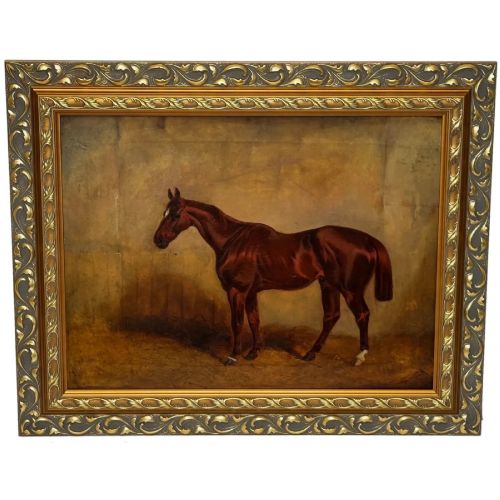
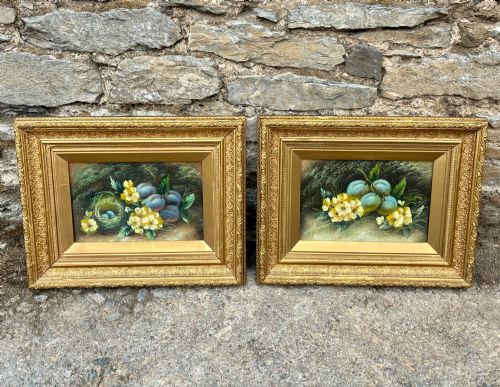
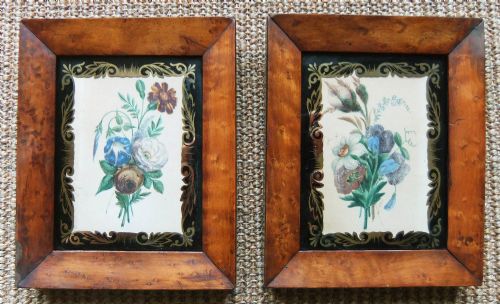
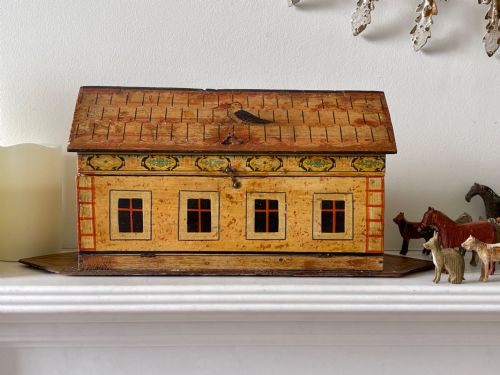
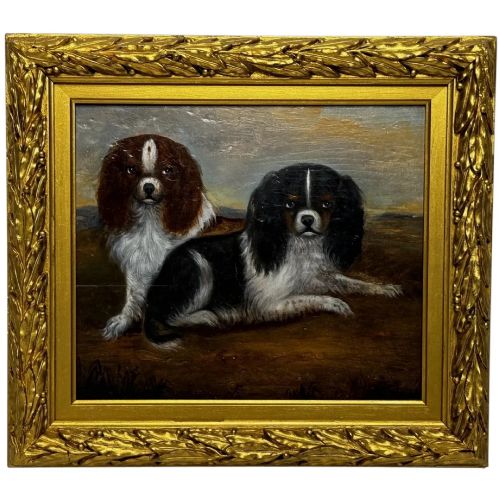
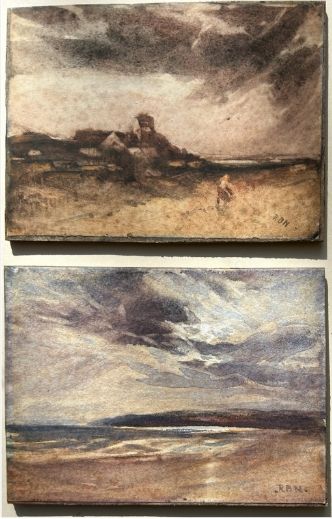
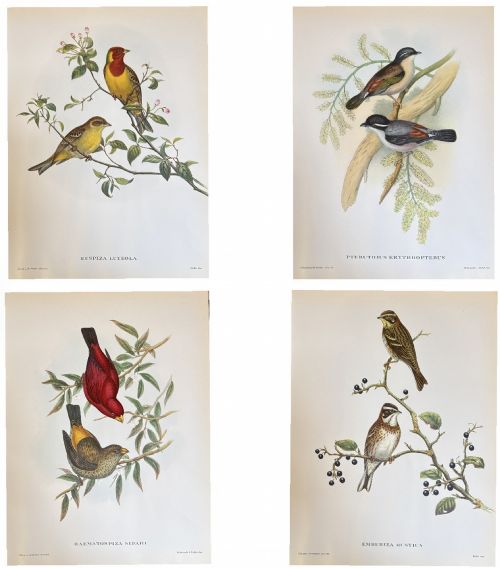
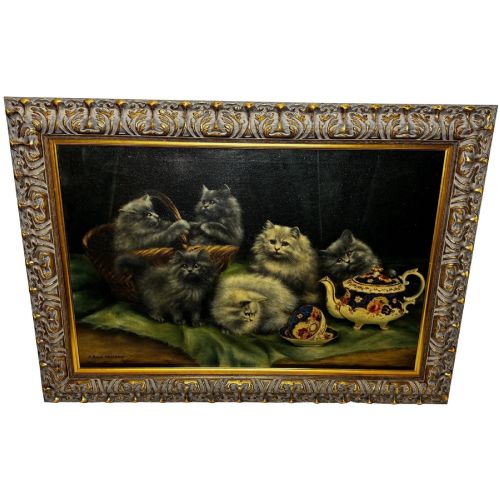
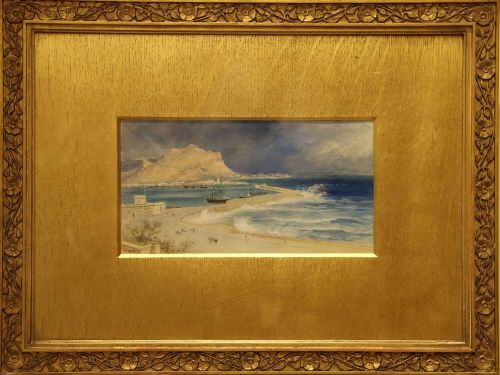
Victorian art covers a wide range of paintings, decorative metalware and carved objects created across the nineteenth century. Buyers encounter oil paintings on canvas depicting landscapes, portraits and animals alongside watercolours and decorative porcelain plaques.
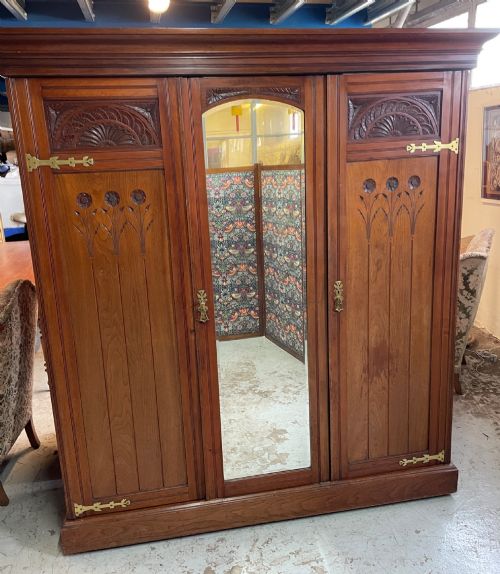
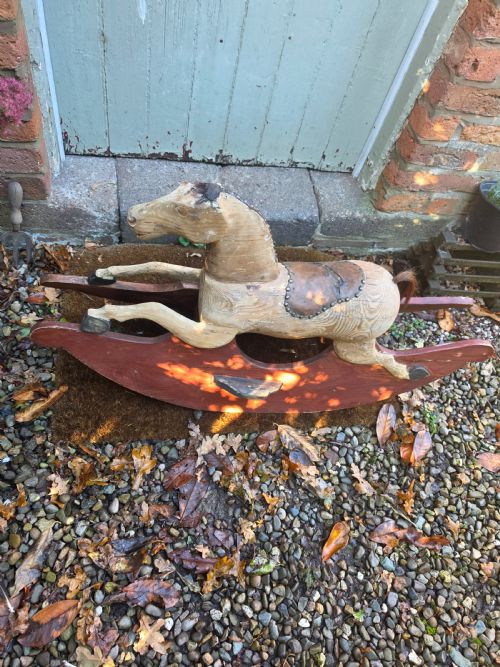
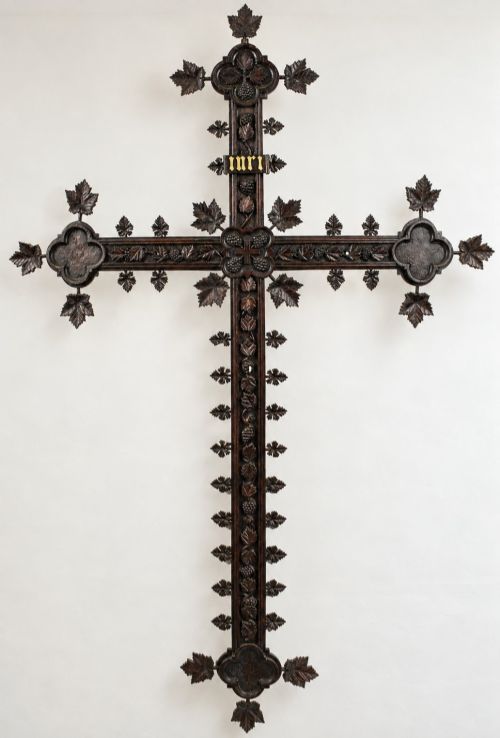
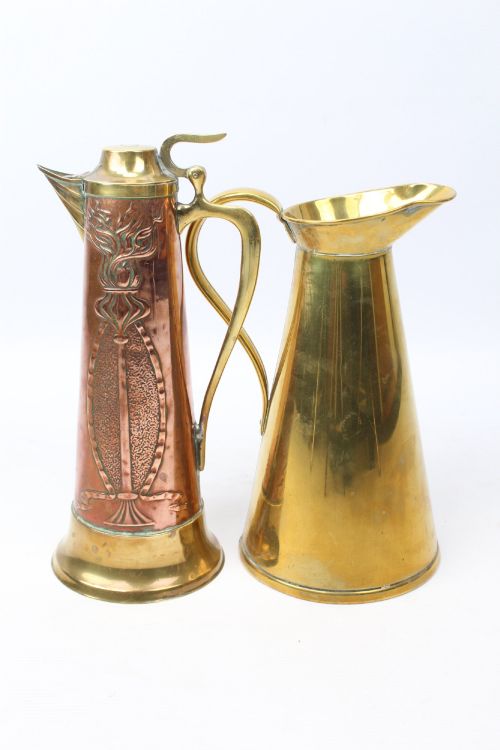
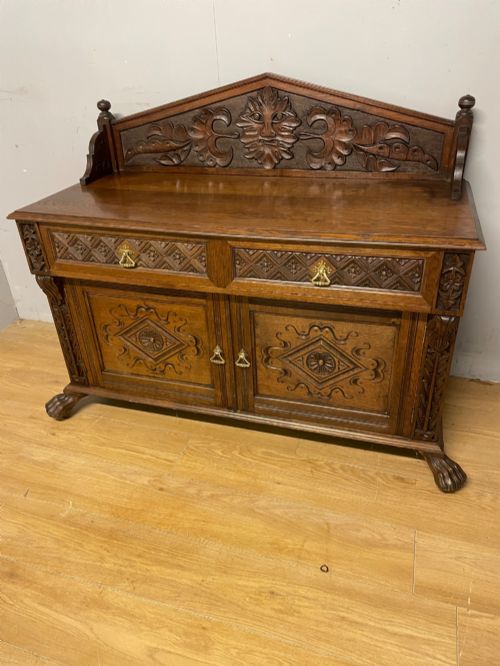
The selection includes Arts and Crafts oak furniture, Art Nouveau copper jugs and carved wooden items like rocking horses and wall crosses. These pieces reflect the varied aesthetic movements and craftsmanship of the period.
Materials and construction
Paintings utilise oil paint on canvas or watercolours on paper, framed by the styles of the nineteenth century. Artisans worked with solid oak, walnut and fruitwood to build furniture, cabinets and decorative toys.
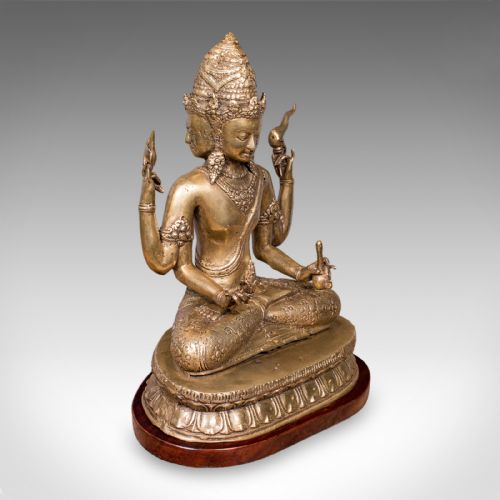
Metalwork relies on brass, copper and bronze, shaped into jugs, fire fenders and religious icons. Carved elements often display detailed hand work in wood and Black Forest motifs.
The inventory records pieces from the nineteenth century, encompassing Arts and Crafts and Art Nouveau styles.
Judging quality in pieces
Quality rests on the precision of the hand carving, the fidelity of brushwork in oil paintings, and the integrity of the original materials. Pieces by named artists or recognised workshops demonstrate superior execution.
Condition and originality dictate value, with unaltered surfaces and legible signatures marking the better examples of the period.
John Moyr Smith·William Mellor·Henry Barraud·William Langley
The Victorian Art Glossary
- Oil painting
- A work created using pigments suspended in a drying oil, typically applied to canvas or wood panels. This medium allows for deep colour saturation and gradual blending.
- Watercolour
- A painting method where water-soluble pigments are applied to paper. It yields translucent washes and delicate detail.
- Arts and Crafts
- A design movement emphasising traditional craftsmanship and simple forms. It often uses untreated or solid oak and natural motifs.
- Art Nouveau
- A style characterised by flowing, organic lines and plant-inspired curves. It frequently appears in copper and brass metalwork.
- Aesthetic Movement
- An interior design approach prioritizing beauty over narrative or moral function. Cabinets and furniture from this style display refined decorative detail.
Victorian Art: Frequently Asked Questions
What periods do these pieces cover?
The inventory spans the nineteenth century, including specific decades from the 1850s through to the 1900s. Makers and artists worked across these changing stylistic periods.
Items reflect the transition from early Victorian realism to later Arts and Crafts and Art Nouveau designs.
How do I display oil paintings?
Oil paintings on canvas suit traditional rooms with stable humidity and indirect sunlight. Proper framing protects the edges and canvas tension.
Keep them away from direct heat sources to preserve the oil paint and canvas integrity.
What materials are common in metalware?
Brass and copper dominate items such as coal scuttles, jugs and fire fenders. Bronze appears in religious icons and sculptural figures.
These metals often exhibit patination acquired over more than a century of use.
How are wooden items constructed?
Furniture and decorative objects utilise solid oak, walnut and fruitwood. Joinery relies on traditional methods appropriate to the item's function.
Carved details are executed by hand on items ranging from wall crosses to rocking horses.