




Victorian Architectural Painting
Victorian architectural painting captures historical structures and townscapes through detailed brushwork, offering buyers a glimpse into nineteenth-century civic pride and design.
Victorian Architectural Painting
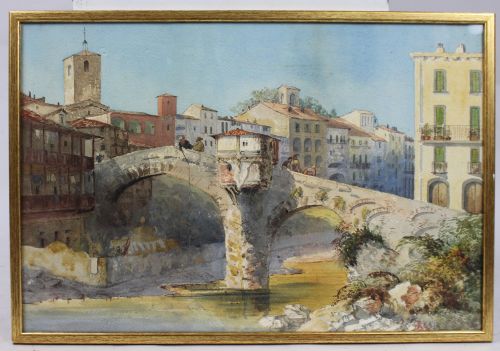
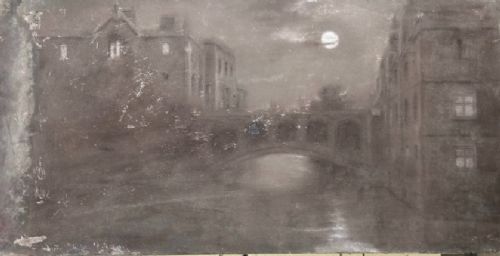
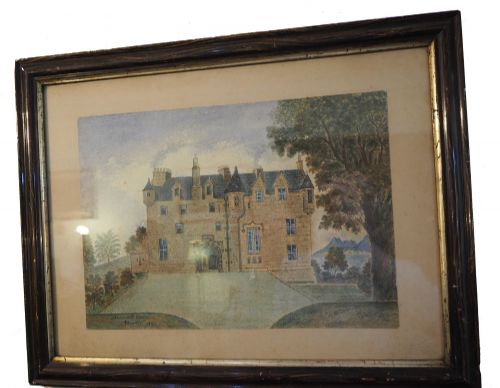
When you search for Victorian architectural painting, you encounter works depicting historic buildings, street scenes, and ecclesiastical settings from the nineteenth century. These pieces record specific locations ranging from quiet townscapes to famous abbeys and castles.
Watercolour paintings and oil paintings dominate this category, often executed by artists who travelled to capture precise structural details. Canvas and paper surfaces preserve these precise depictions of period facades and interiors.
Many of these works date from the Victorian and Edwardian eras, reflecting a strong contemporary fascination with built heritage and picturesque masonry. Such paintings serve as historical documents of buildings that have since been altered or demolished.
Materials and technique
Painters utilised oil and watercolour pigments applied to prepared canvas, wood panels, or heavy paper sheets. Fine sable brushes allowed artists to render intricate stone carvings, windows, and rooflines with precision.
Gilt frames and original mounts frequently accompany these works, protecting the delicate paint layers from environmental damage. Pigments derived from traditional mineral and plant sources provide the muted, earthy tones typical of the period.
Listings feature works executed in both oil and watercolour media, documenting British and European street scenes from the nineteenth century.
Factors of quality
Skill in handling perspective and spatial depth separates the finest works from simpler, naive representations. Superior pieces demonstrate a confident command of light and shadow on stone and masonry surfaces.
The reputation of the artist and the documentation associated with the signature or date influence the standing of an individual work. Excellent condition, with minimal fading to watercolours or craquelure on oils, preserves the visual impact of the composition.
J.L.·Sir Thomas Newenham Dean·Cornelis Christian Dommersen·Frederick Tully Lott·William George Meadows
The Victorian Architectural Painting Glossary
- Watercolour
- A painting method where pigment is suspended in water-based solution on paper. This medium allows for transparent washes of colour that render atmospheric skies and stonework.
- Oil painting
- Pigments bound in a drying oil medium applied to canvas or wood. This technique provides rich colour depth and durable surfaces for detailed townscapes.
- Gesso
- A plaster mixture applied to wood or canvas as a base for gilding or painting. It creates a smooth surface for ornate picture frames.
- Diptych
- A painting composed of two hinged or paired panels. This format allows related architectural scenes to be displayed side by side.
Victorian Architectural Painting: Frequently Asked Questions
Where were these paintings displayed?
Nineteenth-century owners typically hung architectural paintings in domestic reception rooms, libraries, and galleries to signal cultural sophistication and an appreciation for travel.
These artworks complemented period furnishings and heavy wood panelling, serving as conversation pieces for visiting guests.
How do I care for watercolour versions?
Watercolour paintings require protection from direct sunlight to prevent the fading of delicate pigments on paper. Framing under glass with acid-free mount board prevents moisture accumulation and preserves the paper.
Maintaining stable indoor humidity levels ensures the long-term survival of both the paper support and the surrounding frame.
What subjects appear most often?
Artists frequently recorded European street scenes, castles, abbeys, and civic buildings during their travels. Urban townscapes featuring figures near historic masonry are also common motifs.
Depictions of English and continental landmarks reflect the Victorian appetite for topographical accuracy and architectural study.
How can I date an unmarked piece?
Clothing styles of figures depicted in the scene often provide a reliable timeframe for the composition. The architectural details, such as window frames and street furniture, also reflect specific building fashions of the nineteenth century.
Additionally, the type of paper or canvas preparation used by the artist offers clues to the decade of creation.