



Antique Topographical Painting
An antique topographical painting records specific places, buildings and landmarks with careful observation.
Antique Topographical Painting
An antique topographical painting depicts specific locations, towns, castles and rivers rather than imaginary landscapes. Works on this page span periods from the Georgian and Regency eras through the Victorian and Edwardian periods into the mid-twentieth century.
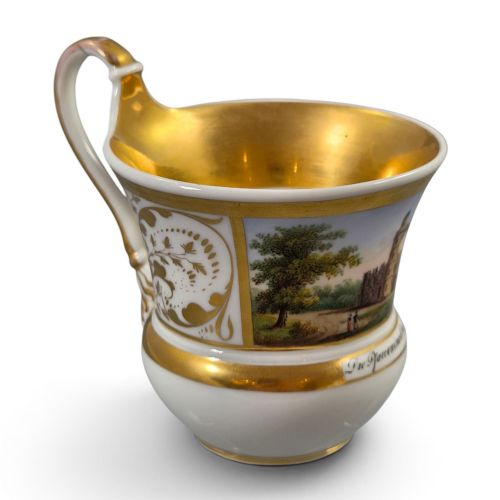
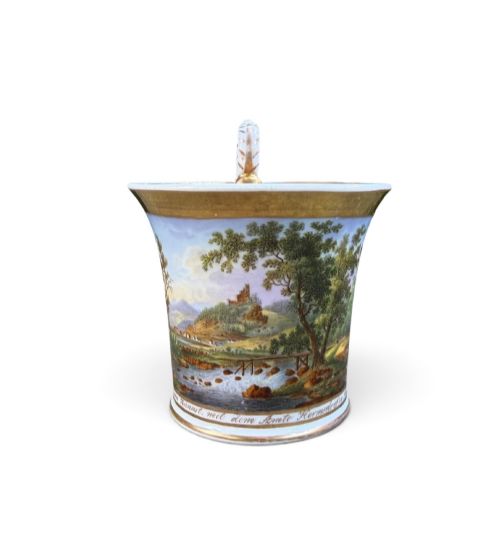
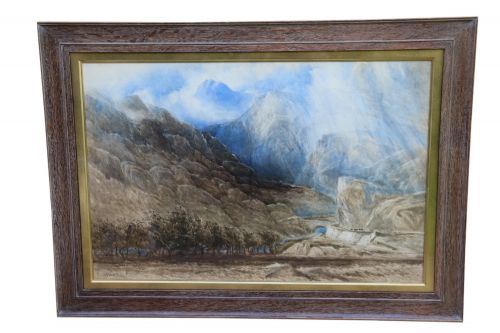
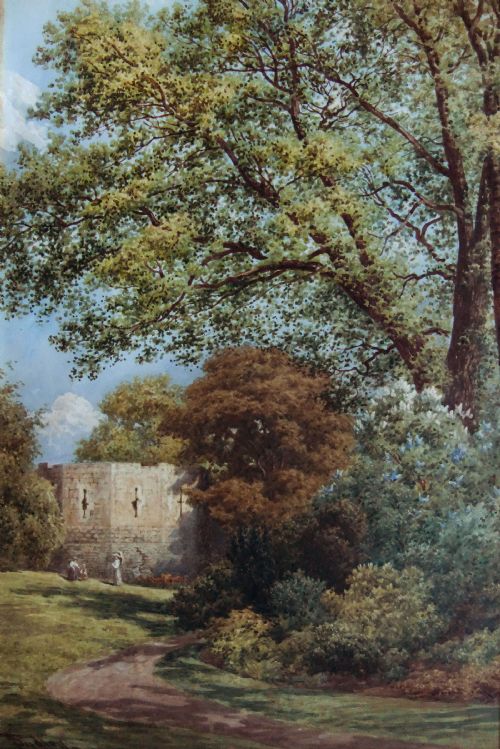
The selection includes framed watercolours on paper, oil paintings on canvas or board, monochrome ink drawings, and painted porcelain such as cabinet cups, vases and dessert plates. These pieces record identifiable views ranging from Welsh mountain passes and English castles to Venetian townscapes and Middle Eastern scenes.
Watercolours on paper dominate the works found here, often signed by named artists or preserved in period frames with glass and gold leaf. Buyers also encounter oil paintings on canvas depicting historic bridges, coastal piers and cathedral cities.
Materials and execution
Artists painted these topographical views using watercolours or oils applied to paper, board or canvas, occasionally combining ink with wash. Porcelain items utilised specialist enamel painting fired onto ceramic bodies, often accented with gilding.
Framed works rely on traditional wooden frames, sometimes protected behind glass and finished with gold leaf. Paper supports range from standard watercolours sheets to boards, while oil works utilise stretched canvas or wooden panels.
Early artists occasionally included tiny surveyors and stone masons in the foreground to make cathedral drawings look properly busy.
Assessing the works
Quality rests upon the precision of the draughtsmanship and the artist's ability to capture light and atmosphere within a specific topographical setting. Works by known hands demonstrate superior control of perspective and architectural detail compared to simpler folk art examples.
The condition of the medium also distinguishes the pieces, with well-preserved pigments retaining their original tone free from excessive fading or foxing. Original framing, authentic period attribution and documented locations add significant context to the surviving artwork.
KPM Berlin·Flight, Barr and Barr·Chamberlain Worcester·Thomas Cooper Moore·Joseph William Carey
The Antique Topographical Painting Glossary
- Watercolour
- A painting method where fine pigment is suspended in a water-soluble binder, typically applied to paper. It is the most frequent medium encountered in this category.
- Cabinet cup
- A decorative porcelain cup intended for display rather than drinking. Several examples feature hand-painted topographical views of specific European locations.
- Gilt
- A thin layer of gold or gold-like material applied to wood, metal or porcelain surfaces. It frequently appears on period frames and decorative ceramic borders.
- Provenance
- The documented history and ownership lineage of an artwork. Clear attribution helps confirm the authenticity of nineteenth-century watercolours and oils.
Antique Topographical Painting: Frequently Asked Questions
What is an antique topographical painting?
An antique topographical painting is a visual record of a real geographical location, building, town or landmark created during past centuries. These works prioritize recognizable accuracy over idealized scenery.
Artists produced these depictions in various mediums including watercolour, oil, ink, and painted porcelain. They serve as historical records of how landscapes and architecture appeared decades or centuries ago.
How do I date a topographical painting?
Dating relies on stylistic evidence, artist signatures, clothing worn by figures in the foreground, and architectural details visible in the scene. The framing materials and paper types also provide chronological clues.
Many pieces carry specific dates in the title or signature, while others are attributed to broader periods such as the Georgian, Victorian or Edwardian eras based on documentary records.
Where were these paintings displayed?
Historically, topographical watercolours and oil paintings hung in domestic reception rooms, libraries and studies. Wealthy travellers often commissioned or purchased them as mementos of Grand Tours and journeys across Britain and Europe.
Painted porcelain items such as cabinet cups and dessert plates were designed for display in drawing room cabinets or formal dining settings rather than everyday use.
How should I care for antique watercolours?
Works on paper require protection from direct sunlight to prevent the fading of delicate watercolour pigments. Maintaining stable indoor humidity levels protects both the paper support and the historic frame.
Displaying pieces away from damp walls and ensuring they remain properly sealed behind glass helps preserve the condition of the artwork over time.