

19th Century Interior Painting
When acquiring a 19th century interior painting, collectors secure a detailed glimpse into domestic, tavern, and ecclesiastical spaces of the era.
19th Century Interior Painting
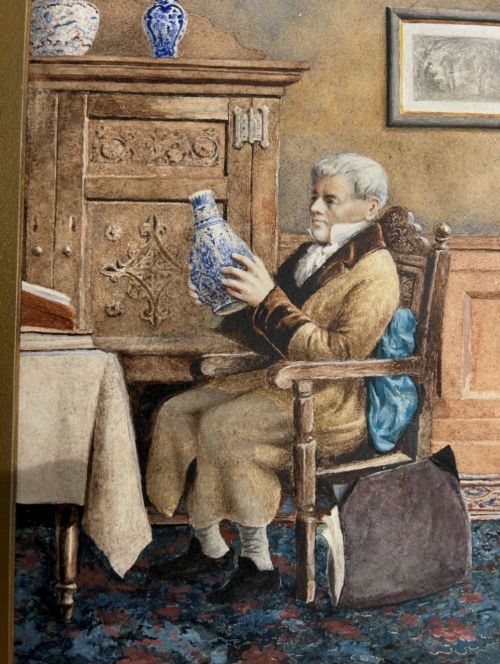
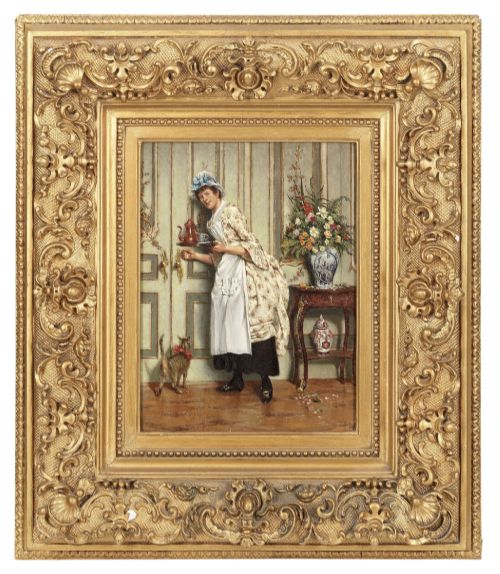
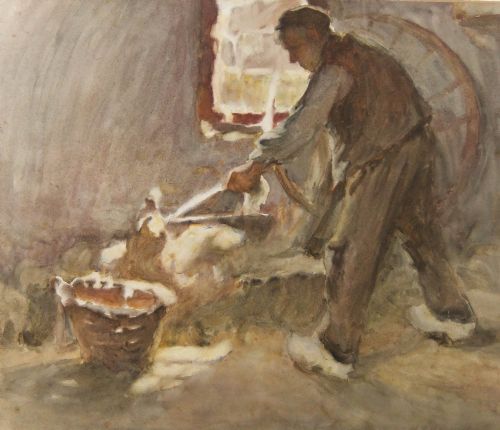
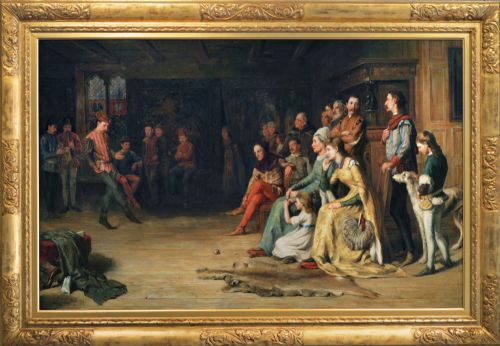
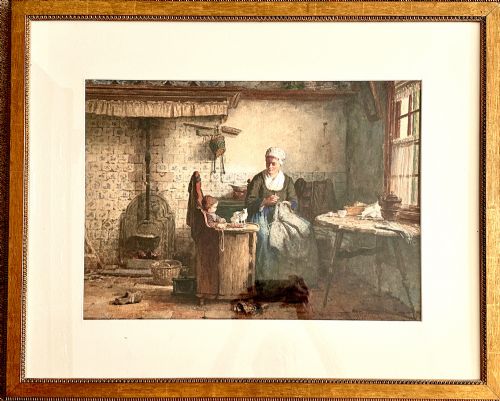
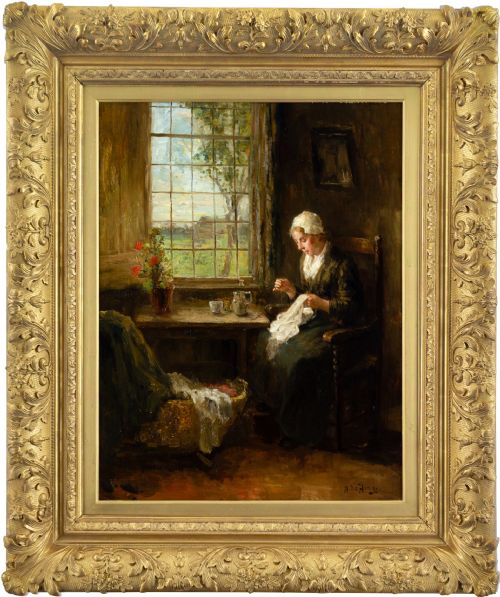
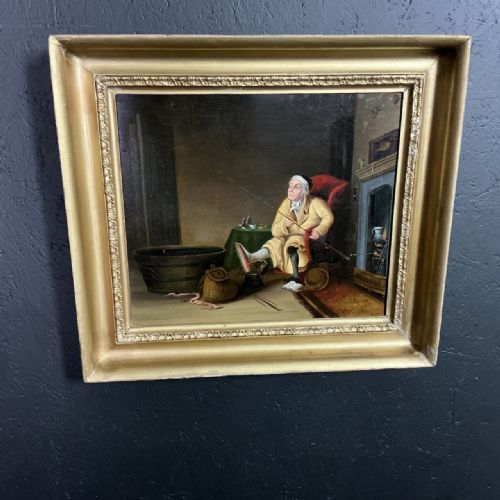
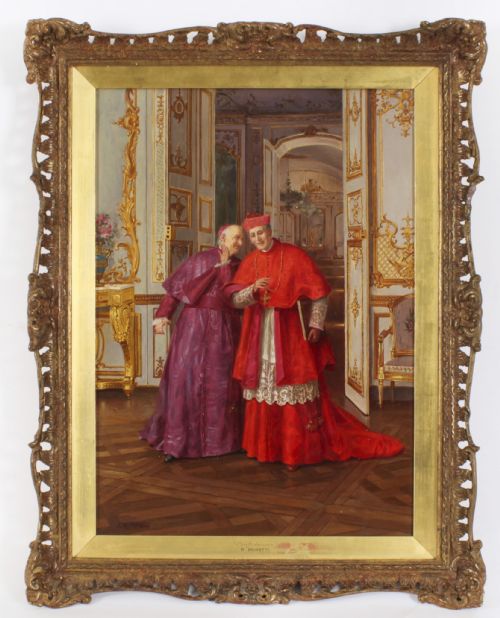
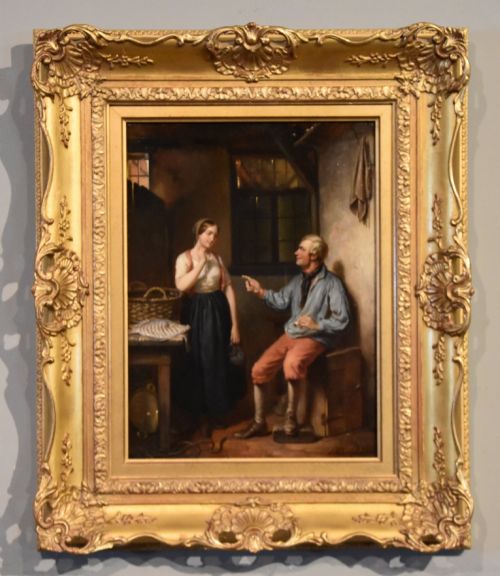
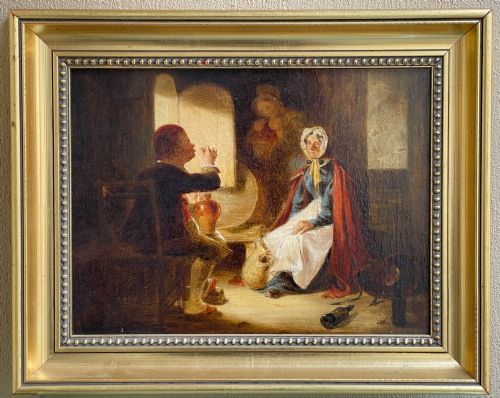
A 19th century interior painting captures domestic domesticity, rustic cottages, grand ballrooms, and ecclesiastical spaces populated by figures at rest or daily tasks.
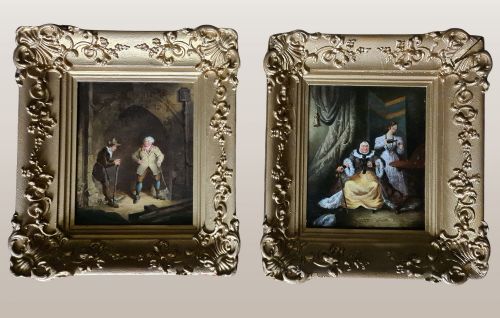
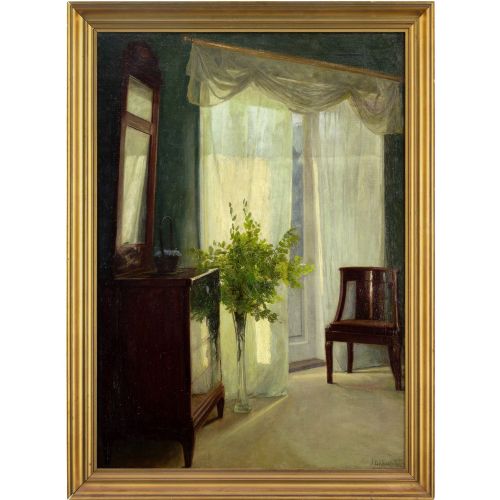
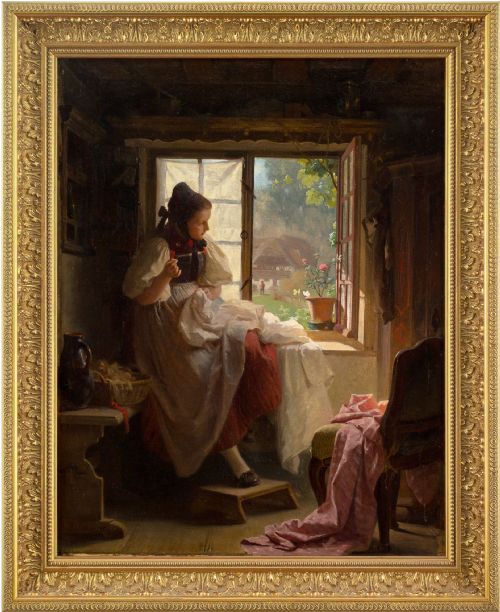
The selections available range from intimate cottage scenes with women sewing to grand historical tavern gatherings and sunlit chamber views.
Originating across British, Dutch, German, French, and Scandinavian schools, these works reflect the diverse regional approaches to genre painting during the period.
Materials and Techniques
Artists of the period predominantly applied oil paint onto stretched canvas, wood panels, or metal supports, occasionally employing watercolour on paper for lighter compositions.
Canvases were frequently housed in elaborate giltwood frames adorned with gesso and gold leaf detailing, enhancing the depth and focus of the domestic scene within.
Listings feature works spanning the entire nineteenth century, executed in oil on canvas, wood panel, and watercolour on paper.
Evaluating Quality and Execution
Superior works demonstrate a masterly handling of natural light filtering through windows or illuminating dark chambers, dictating the mood of the room and focus of the figures.
The intricacy of facial expressions, textures of clothing, and accuracy of architectural perspective separate ambitious academic studies from more formulaic workshop productions.
Stephen Samuel Lewin·Henry Silkstone Hopwood·James Hamilton·Hendrik Valkenberg·Bernard De Hoog
The 19th Century Interior Painting Glossary
- Genre painting
- Depiction of aspects of everyday life by subjects taken from ordinary life, often involving figures in domestic or social settings.
- Giltwood
- Wood, typically carved timber, that has been covered with a thin layer of gold leaf or gold paint.
- Gesso
- A white paint mixture consisting of a binder mixed with chalk, gypsum, pigment, or their combinations, used as preparation for a substrate.
- Watercolour
- Artists' paint made with water-soluble binders and thinned with water rather than oil, applied to paper supports.
19th Century Interior Painting: Frequently Asked Questions
What subjects appear in these paintings?
The compositions show cottage interiors, tavern scenes, family gatherings, and architectural spaces such as cathedral interiors.
Figures engage in everyday activities like sewing, reading, dining, or playing music in domestic or public settings.
How do I display an oil painting?
These works suit traditional reception rooms, studies, or hallways where appropriate lighting can highlight the canvas.
Direct sunlight and damp environments should be avoided to protect the integrity of the oil paint and giltwood frame.
What is the difference between canvas and panel?
Canvases consist of woven fabric stretched across a wooden frame, allowing for larger and more textured brushwork.
Panels utilise wood, metal, or board supports, providing a rigid surface that often allowed artists to achieve finer, highly detailed finishes.
How are different schools identified?
Regional schools are typically recognised through handling of light, subject matter preferences, and documentation or signatures.
Dutch and Scandinavian artists frequently focused on quiet domestic interiors with soft window light, while British and French works often leaned towards narrative genre scenes.