

Victorian Antiques
These Victorian antiques span functional desks, seating, and decorative silver, offering solid craftsmanship for daily use.
Victorian Antiques
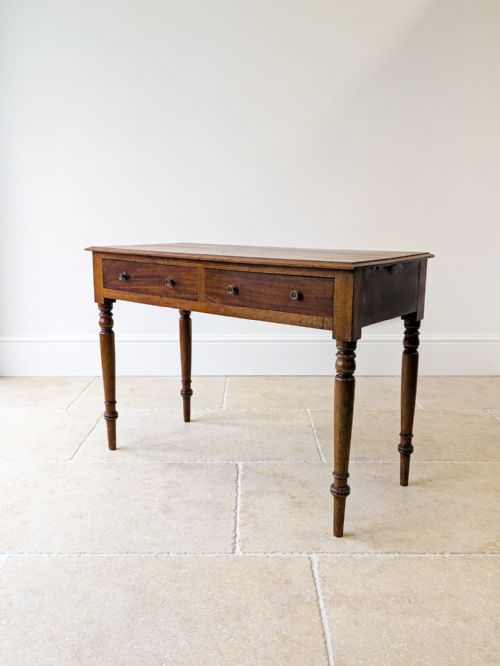
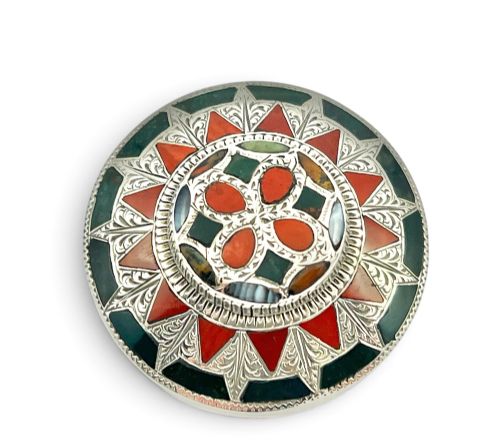
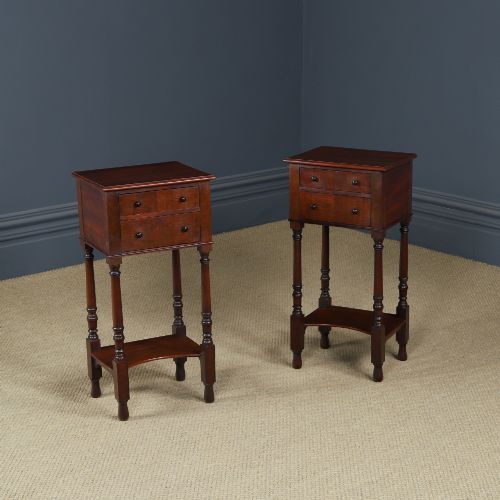
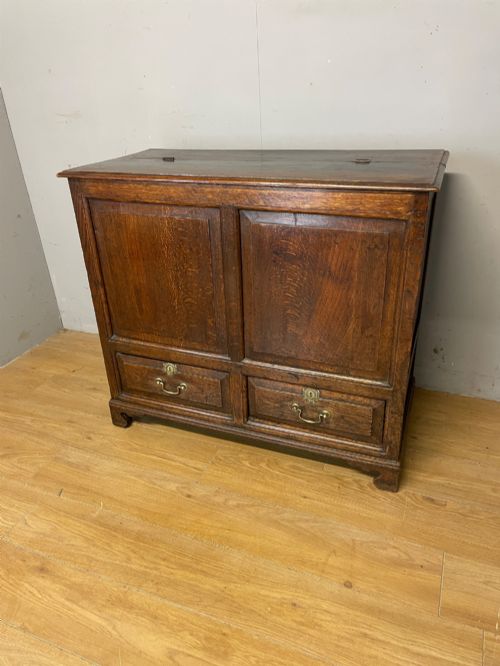
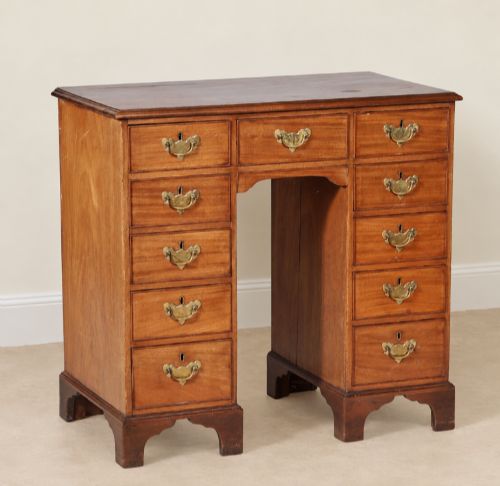
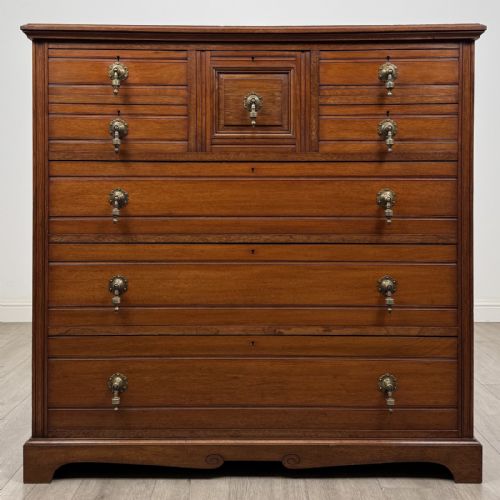
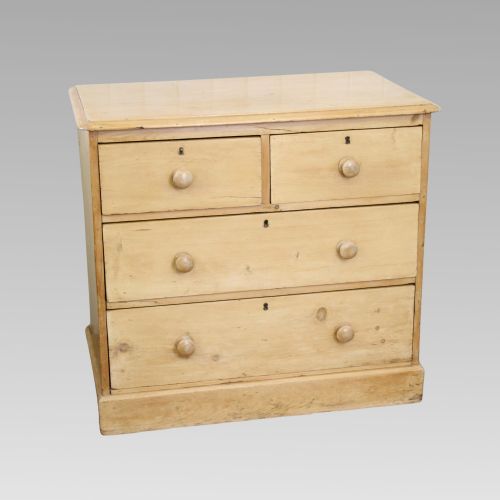
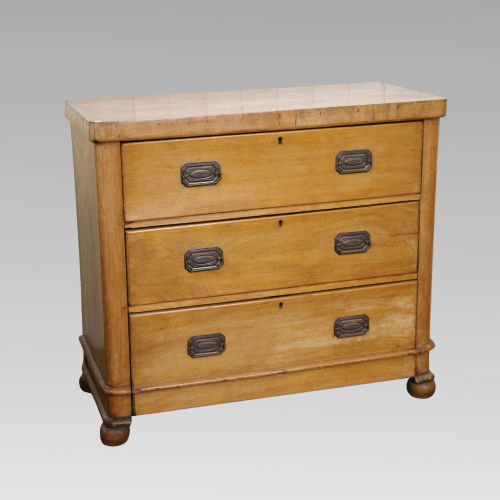
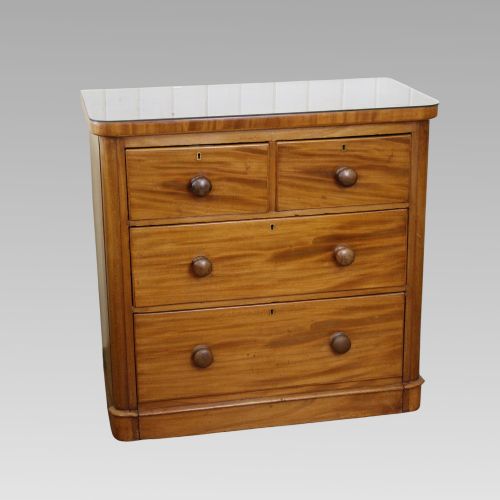
Victorian antiques encompass a diverse array of nineteenth-century domestic items, ranging from robust oak and mahogany furniture such as clerk's desks and chests of drawers to intricate silver snuff boxes and glass wine glasses. These pieces originate from a period defined by industrial expansion and varied stylistic revivals, incorporating influences from Gothic and French Rococo traditions alongside sturdy English country forms.
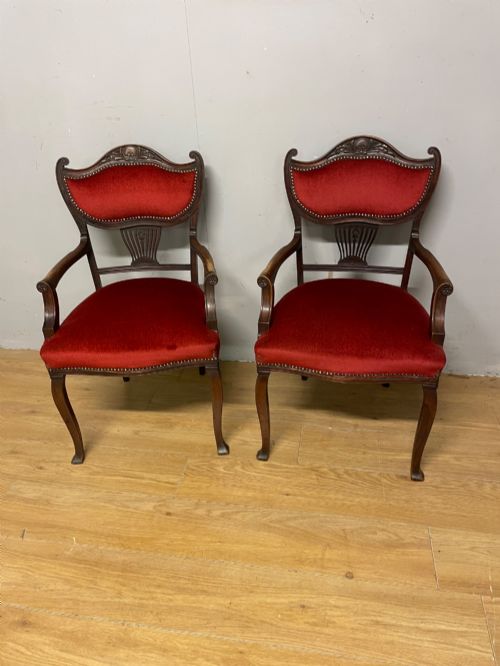
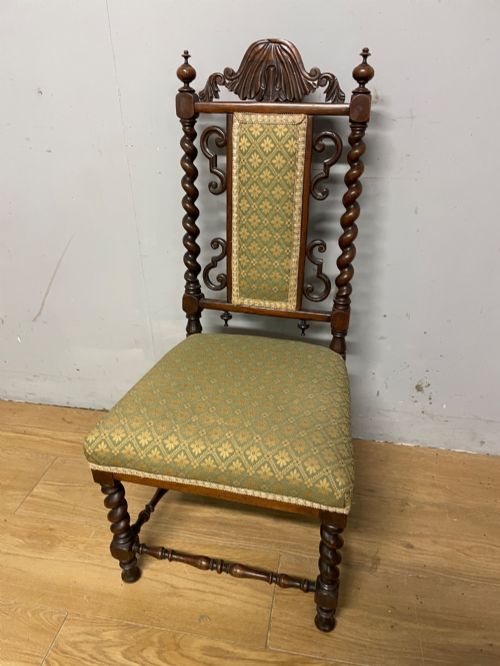
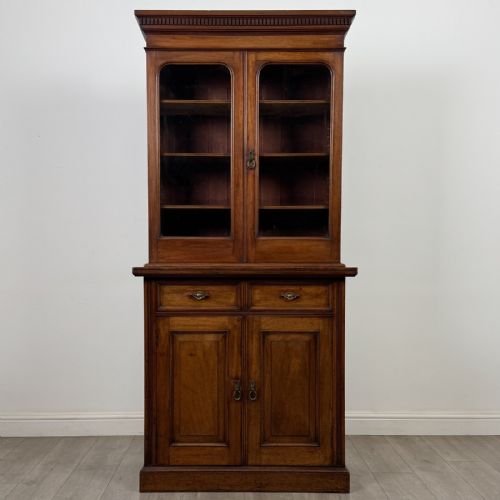
Buyers seeking victorian antiques will frequently encounter utilitarian seating, dining chairs, and bookcases, alongside decorative wall mirrors and occasional tables fashioned from walnut, pine, and brass. The selection reflects both formal parlour requirements and practical home office furnishings, capturing the varied domestic habits of the era.
Materials and construction
Items rely heavily on domestic and imported hardwoods including oak, mahogany, walnut, and satinwood, frequently paired with secondary softwoods like pine and beech in concealed structural elements. Cabinetmakers utilised dovetail joints for drawer construction and applied intricate hand-carving alongside brass and ormolu mounts to enhance surface detail.
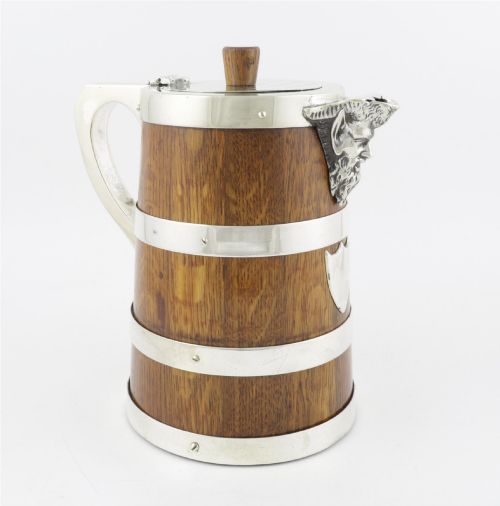
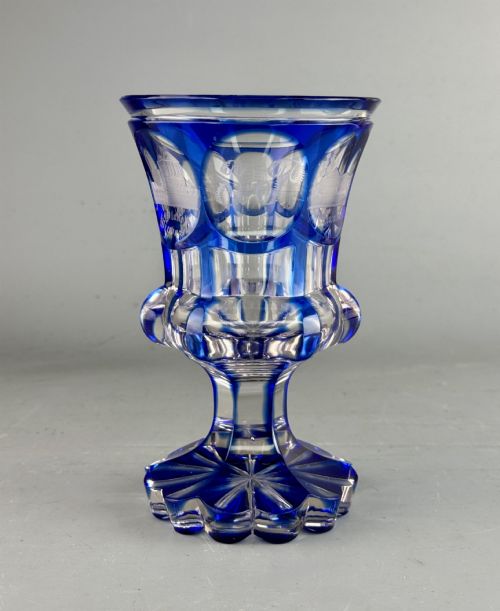
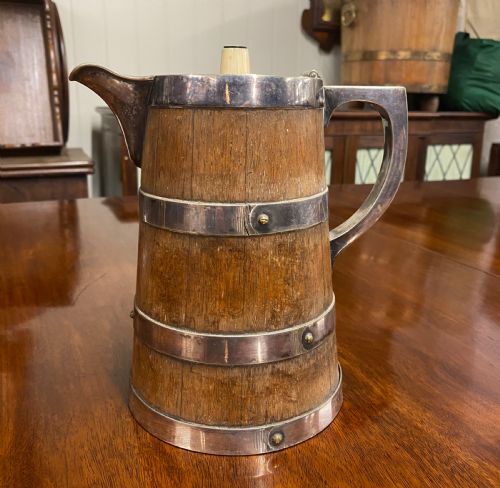
Metalwork incorporates cast bronze, silver, iron, and brass, often finished with silver plating or gilding, while glass pieces demonstrate techniques in cutting, engraving, and blue coloration. Surface treatments range from polished wood veneers and ebonising to carved gilt frames and inlaid kingwood.
Victorian Antiques Retail Price Guide 2026
Typical asking prices for victorian antiques among the pieces listed under this phrase on Sellingantiques today, from the lower quarter to the upper quarter. They describe what is for sale here now, not the wider market.
Listings feature items spanning the nineteenth century alongside later works from 1900, 1920, and 1930.
Assessing quality
Superior examples demonstrate precision in joinery, such as tightly fitted drawer linings and clean dovetails, whereas lesser pieces rely on simpler mechanical assembly or hurried construction. The selection of timber grades dictates visual depth, with well-figured burr walnut and dense mahogany marking out finer cabinetwork from plain pine or secondary woods.
Detailing separates mass-produced items from superior commissions, evident in the crispness of hand-carved foliage, the weight of cast silver and bronze elements, and the clarity of cut glass. Original hardware, intact veneers, and well-preserved surface patination distinguish pieces that retain their integrity from those altered by extensive restoration.
Charles Boyton·G T Morant·Hoskins and Sewell·Yapp and Woodward·Jones London
The Victorian Antiques Glossary
- Partners desk
- A large double-sided writing table designed for two people to work face-to-face, equipped with drawers and cupboards on both flanks. These heavy pieces typically utilise oak or mahogany.
- Credenza
- A sideboard or cabinet designed for display and storage, often featuring glass panel doors and decorative marquetry. Victorian versions frequently incorporate burr walnut and ebonised details.
- Ormolu
- Gilded bronze ornamentation applied to furniture and clocks, cast and chased by hand to create metallic highlights. It appears frequently on mid-nineteenth-century console tables and decorative clocks.
- Fusee movement
- A clock mechanism utilising a cone-shaped pulley and a chain or cord to maintain even tension as the mainspring unwinds. This system ensures consistent timekeeping in wall clocks and mantel clocks.
- Treen
- Small handmade wooden domestic objects, ranging from nutcrackers to snuff boxes, shaped by turning or carving. These items display the natural grain of woods like boxwood or beech.
Victorian Antiques: Frequently Asked Questions
How do I identify a genuine nineteenth-century desk?
Examine the drawer construction for hand-cut dovetails and inspect secondary interior woods like oak or pine for tool marks consistent with period manufacturing methods.
Check for honest wear patination on the writing surface and verify that handles and locks match the construction style of the designated decade.
What is the difference between oak and mahogany furniture?
Oak furniture tends to present a heavier, more rustic appearance suitable for country styles and clerk's desks, displaying prominent grain patterns and robust physical weight.
Mahogany offers a denser, finer grain that takes a high polish, making it the preferred choice for formal dining chairs, chests of drawers, and refined bookcases.
How should I care for antique silver and brass?
Clean silver items gently using appropriate non-abrasive polishes only when necessary to preserve underlying engravings, hallmarks, and presentation inscriptions.
Dust brass and bronze components with a dry cloth and avoid harsh chemical cleaners that strip the historic patinated surface finishes.
Where were wall mirrors typically placed in homes?
Large overmantle mirrors were positioned directly above fireplace hearths to reflect light and visually expand the dimensions of formal Victorian reception rooms.
Smaller architectural mirrors served practical dressing or hallway functions, utilising gilded or carved wooden frames to anchor the decorative scheme.