
Victorian Animal Portrait Art
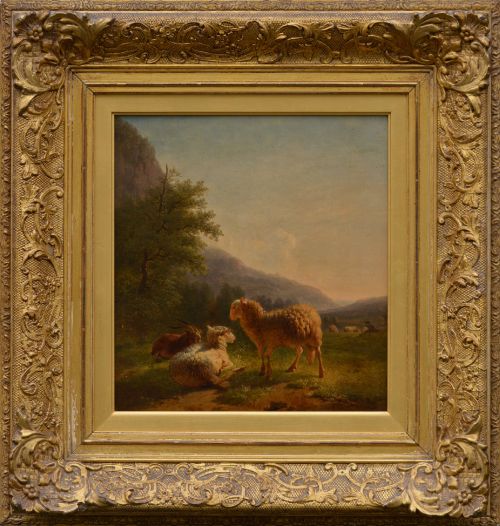
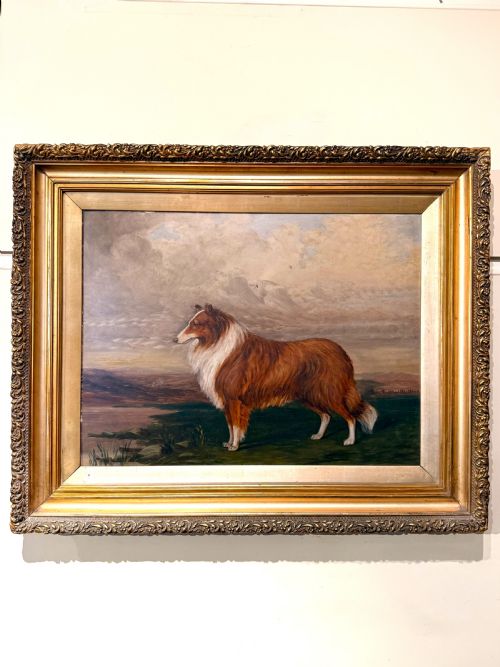
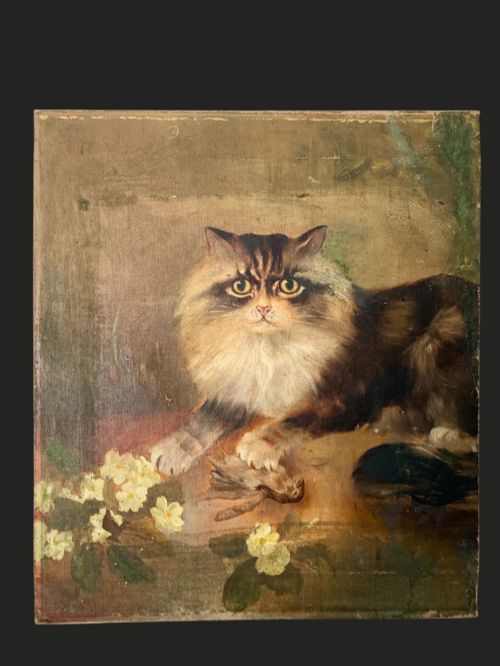
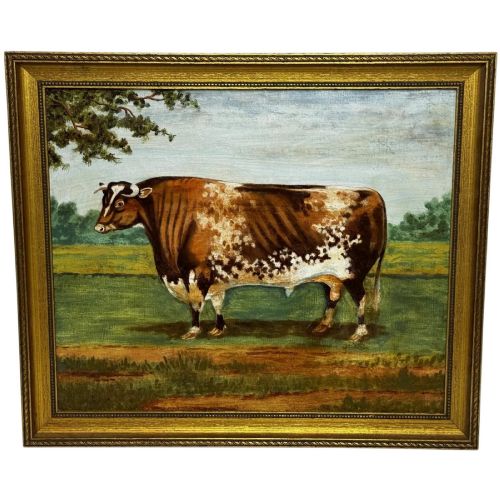
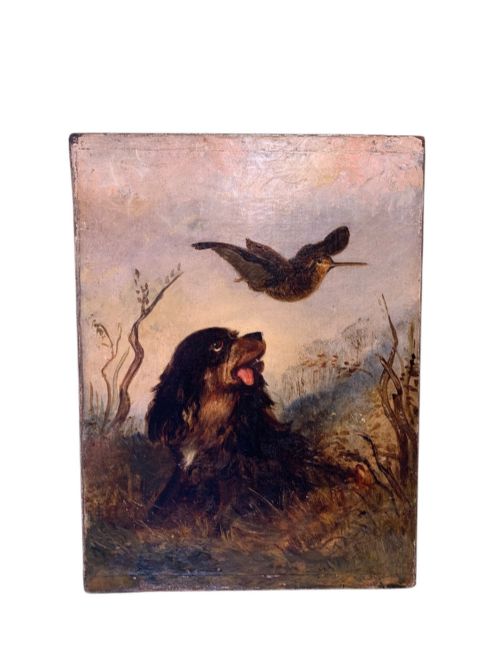
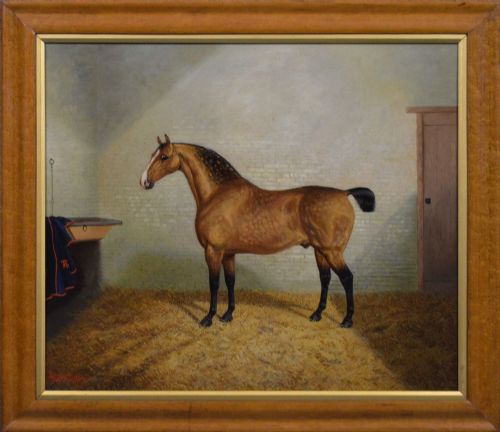
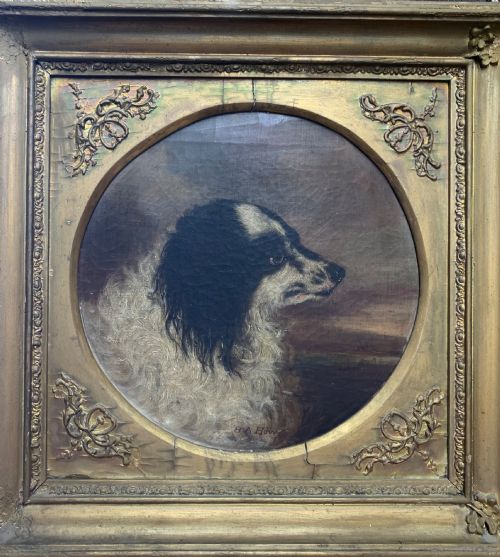
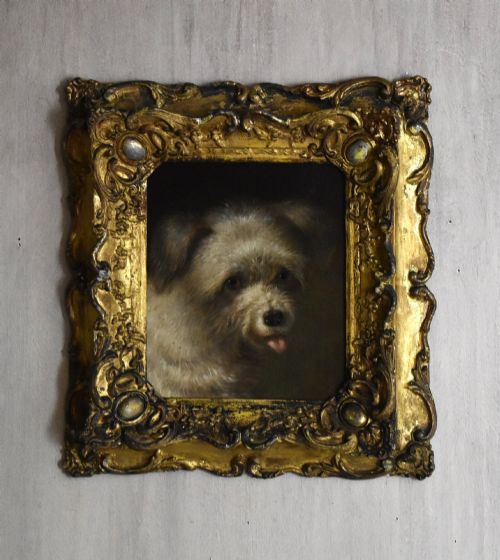
When you search for victorian animal portrait art, you encounter oil paintings, watercolours and drawings of dogs, horses, cattle, sheep and cats created across the nineteenth century.
Victorian Animal Portrait Art
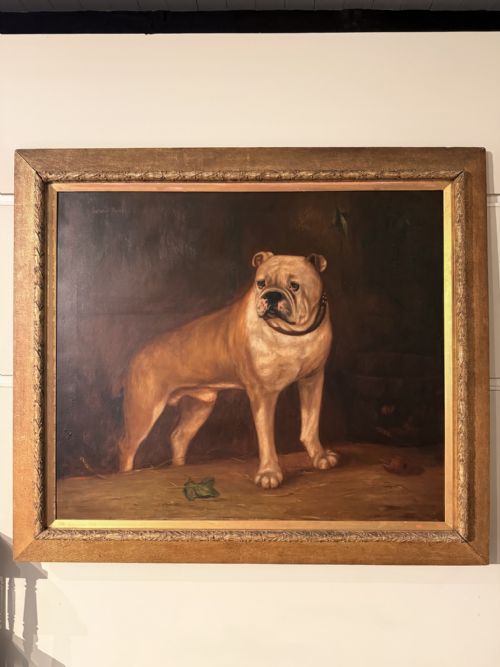
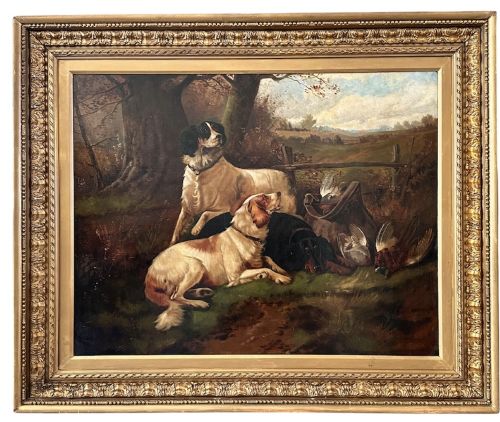
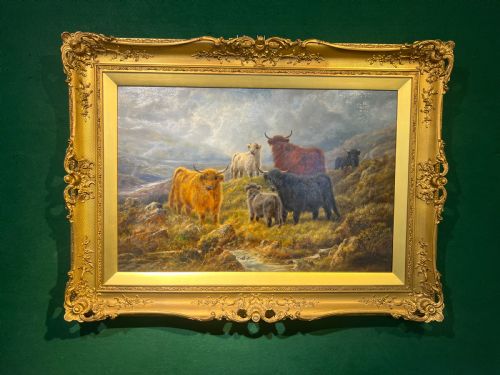
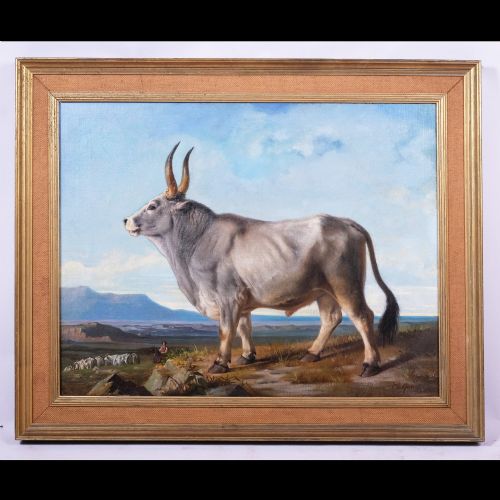
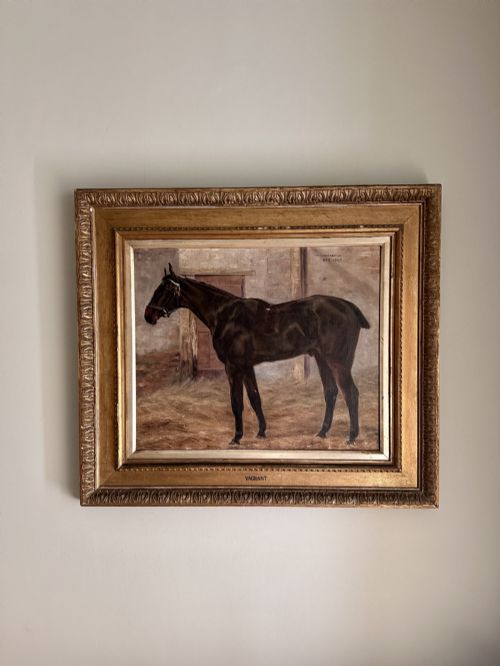
Victorian animal portrait art encompasses oil paintings and watercolours depicting individual animals, prize livestock, working dogs and farm creatures. These works document the deep connection between owners and their animals during the nineteenth century, often recording specific horses, dogs and cattle by name.
You are most likely to meet oil paintings on canvas or board, frequently housed within period giltwood and gesso frames. The subjects range from naive depictions of farm animals to detailed, realistic portraits signed by noted painters of the period.
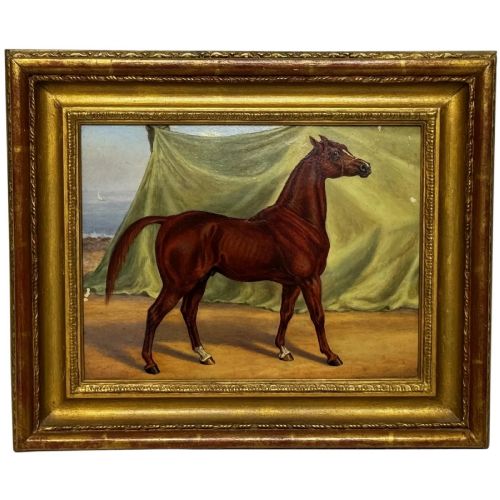
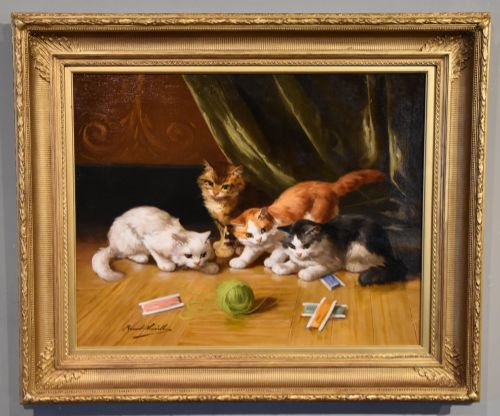
The selection includes equine studies, spaniels, collies, shorthorn bulls and playful kittens set within landscapes or interior spaces. These pieces span the nineteenth century, reflecting both rural pastoral life and the sporting interests of the era.
Judging Quality
Quality in these works rests upon the artist's ability to capture the anatomical accuracy, character and individual expression of the subject. Finer pieces demonstrate a skilled command of brushwork in rendering textures such as a horse's coat or a dog's fur, alongside a balanced composition.
The provenance and attribution to a recognised painter elevate a piece, as does the survival of the original giltwood frame. Works executed by accomplished hands show a greater depth in the background landscape and a more convincing sense of life in the animal's eye.
Some nineteenth-century artists clearly believed monkeys made excellent portrait subjects, complete with remarkably thoughtful expressions.
Eugène Verboeckhoven·Albert Clark·Martin Theodore Ward·John Sargent Noble·Robert Watson·Fred Fitzpatrick·Alfred Arthur Brunel de Neuville·John Emms·Arthur Wardle·William Henry Mander·Thomas Sidney Cooper·George Lance·William Barraud·Sir Edwin Landseer·Colin Graeme Roe·Valentine Thomas Garland·Agnes Augusta Talboys·John Trivett Nettleship·Helena Maguire·Samuel Spode·Fannie Moody·Robert Cleminson
The Victorian Animal Portrait Art Glossary
- Giltwood
- Wood carved and coated with gold leaf or metallic paint. This finish creates the bright, reflective borders seen on traditional picture frames.
- Gesso
- A plaster mix applied to wooden frames as a smooth base for gilding. It allows craftsmen to mould intricate decorative patterns before applying gold leaf.
- Naive school
- Art created by self-taught painters lacking formal academic training. These works often feature charming perspectives and flat planes of colour rather than strict realism.
- Provenance
- The documented history of ownership for a work of art. A clear record links the piece to past galleries, estates or known collections.
- Sporting art
- Depictions of hunting, racing, shooting and domestic animals connected to rural pursuits. This genre records prized livestock and working animals of the landed gentry.
Victorian Animal Portrait Art: Frequently Asked Questions
What animals appear most often?
Dogs and horses dominate these nineteenth-century works, reflecting their central role in rural life, hunting and domestic companionship. You will also find cattle, sheep, goats and cats recorded individually or within pastoral landscapes.
Livestock portraits frequently celebrate prize-winning bulls and sheep, while canine and equine works often name specific pets or racehorses on the canvas.
How do I date a piece?
Dating relies upon artist signatures, inscribed dates on the canvas or frame, and stylistic clues within the clothing of any human figures present. Costume details, painting techniques and framing styles help narrow the period.
Written inscriptions on the reverse of the canvas or board frequently provide the animal's name, the date, and the location where the work was painted.
Where should I hang these?
These works suit traditional living spaces, libraries and studies where their rich oil pigments and gilt frames complement period interiors. They pair well with wood panelling and neutral wall colours that allow the dark tones of nineteenth-century canvases to stand out.
Keep paintings away from direct sunlight and damp walls to protect the canvas, oil paint and gesso framing from degradation over time.
What distinguishes naive art?
Naive paintings display a simplified perspective and direct approach to form, created by artists outside the formal academic tradition. They possess an honest charm and focus heavily on the subject without strict adherence to anatomical proportions.
These pieces offer a distinct window into regional folk art traditions of the nineteenth century, differing markedly in technique from the polished output of academy-trained painters.