
Victorian Animal Painting Canvas
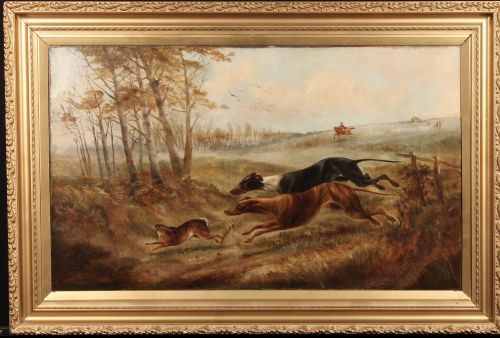
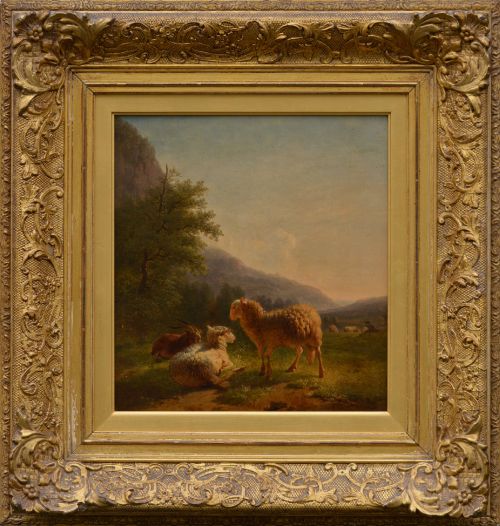
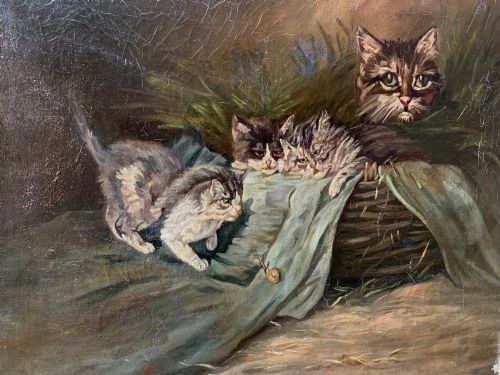
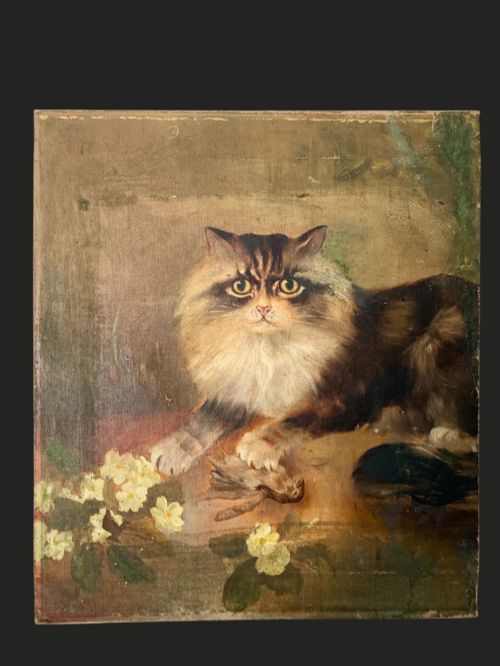
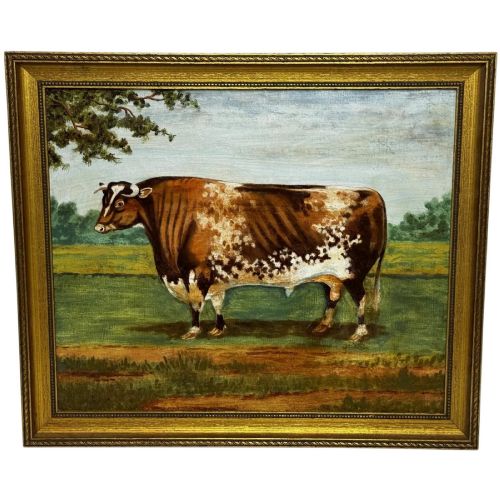
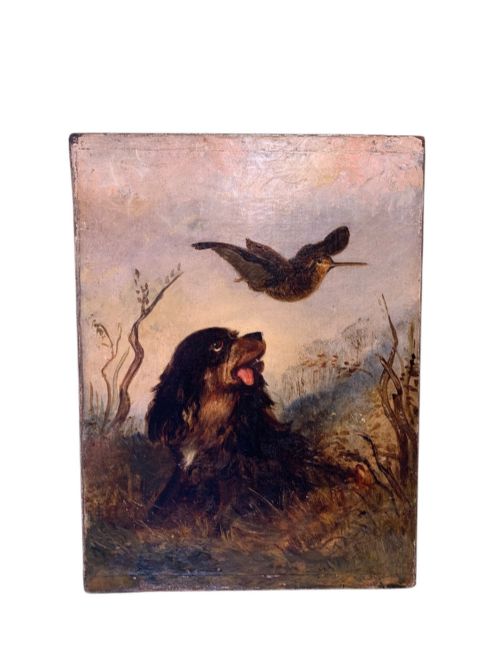
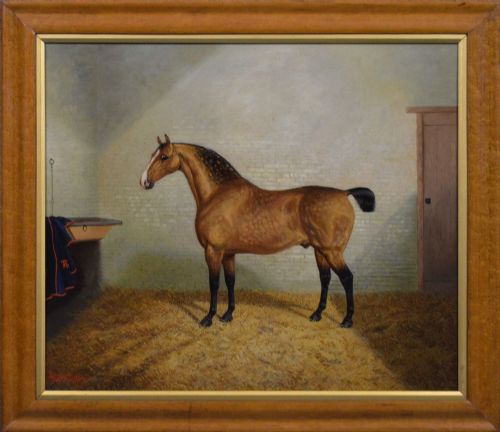
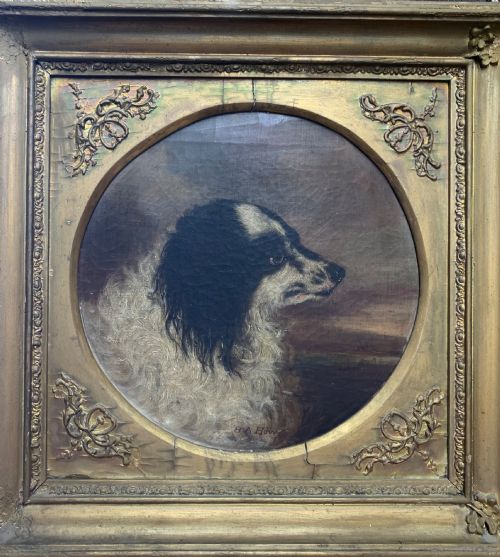
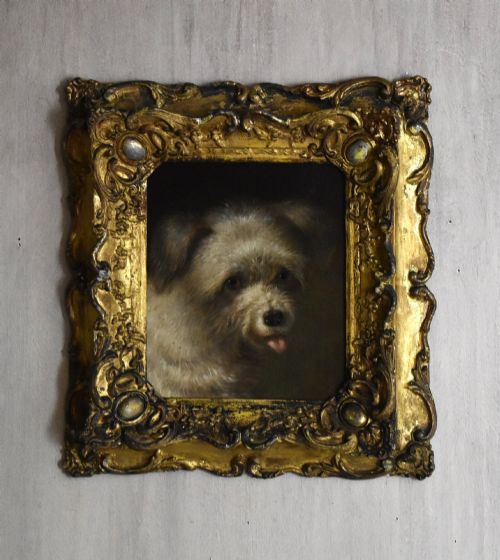
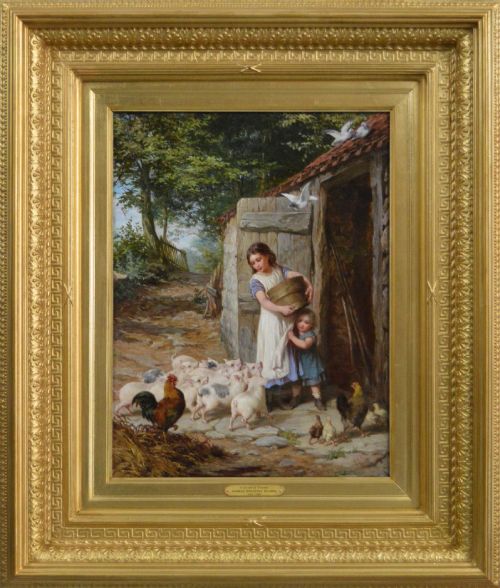
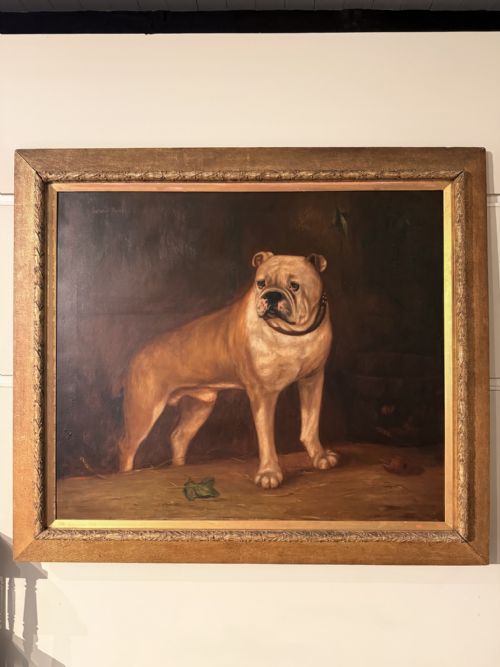
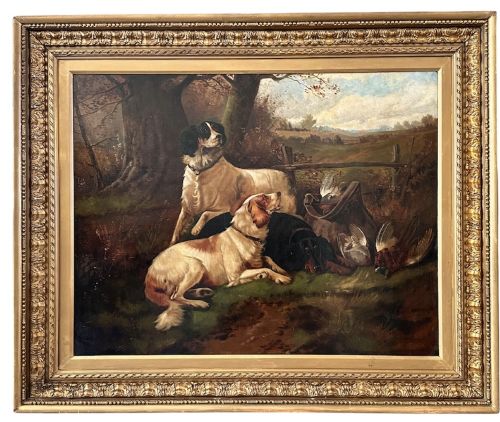
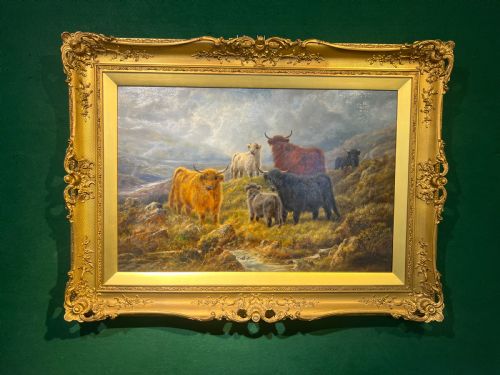
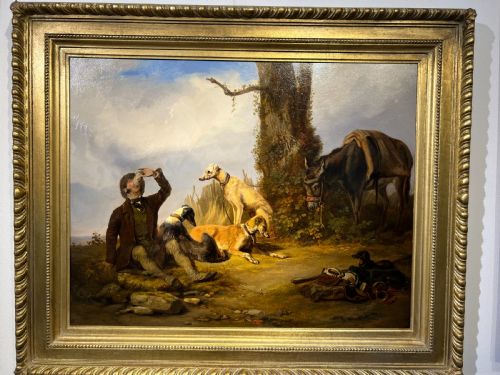
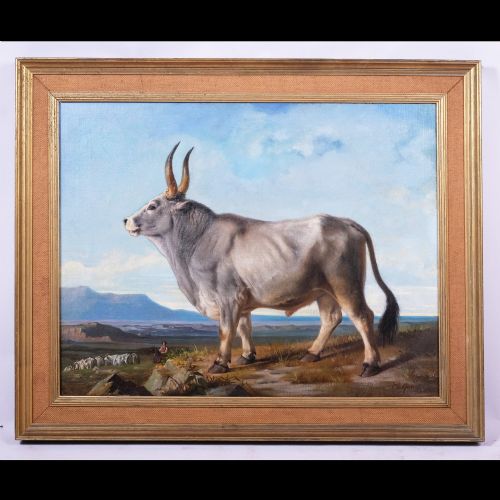
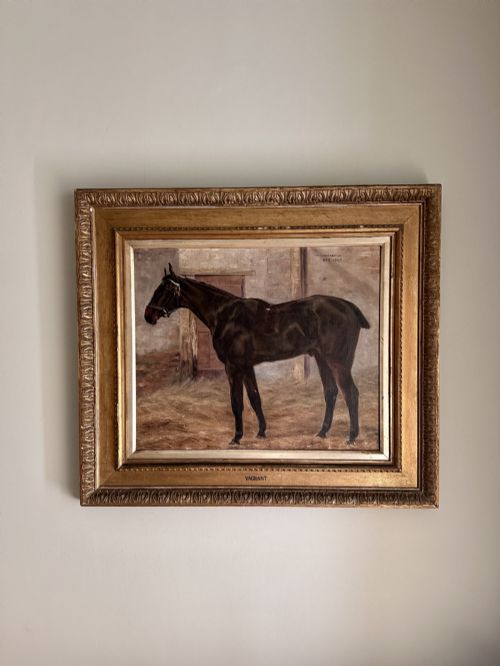
These pieces capture a Victorian animal painting canvas, bringing domestic pets, working dogs and farm livestock into focus through oil on canvas.
Victorian Animal Painting Canvas
A victorian animal painting canvas displays domestic pets, working farm animals, and sporting subjects created during the nineteenth century. The selection ranges from naive folk art depictions to academic realism, often capturing horses, dogs, cattle, and sheep.
Most examples originate from British and European schools, presenting the animals either within rural landscapes or detailed interior settings. Common formats include single portrait studies of prized livestock alongside narrative scenes of hunting dogs and farmyard animals.
Materials and construction methods
Artists painted these works using oil paint applied to a woven canvas support, which was typically stretched over a wooden frame. Many canvases retain their original giltwood or wood frames, decorated with gold leaf accents.
The application involves layered oil pigments to build texture, depth, and realistic light effects across the animal coats and surrounding landscapes.
Listings feature nineteenth-century oil paintings on canvas executed by British and European artists.
Distinctions in artistic execution
Compositional balance within the landscape or interior setting contributes to the overall success of the painting. Works executed by recognised artists or trained portraitists demonstrate greater control over perspective and tonal harmony.
George Armfield·Eugène Verboeckhoven·Albert Clark·Martin Theodore Ward·George Augustus Holmes·John Sargent Noble·Robert Watson·Sir Edwin Henry Landseer·Fred Fitzpatrick·Edgar Hunt·William Watson Jnr·Alfred Arthur Brunel de Neuville·Henry Schouten·Claude Cardon·John Emms·Henry Robinson Hall·William Henry Mander·Thomas Sidney Cooper·George Lance·William Barraud·Samuel Joseph Clark·Colin Graeme Roe·Valentine Thomas Garland·Agnes Augusta Talboys
The Victorian Animal Painting Canvas Glossary
- Canvas
- A heavy woven fabric stretched across a wooden frame to serve as the foundational surface for oil paintings.
- Oil Paint
- A slow-drying paint made by combining pigments with drying oils such as linseed, allowing for smooth blending and rich colour depth.
- Giltwood
- Wood that has been decorated with a thin layer of gold leaf or gold paint, frequently used for traditional picture frames.
- Realism
- An artistic movement focusing on everyday subjects and accurate, unidealised depictions of the physical world.
Victorian Animal Painting Canvas: Frequently Asked Questions
How do I identify the period of an animal painting?
Examine the style of the canvas preparation, the framing methods, and the painting technique used by the artist. Nineteenth-century works often feature specific stylistic markers aligned with Victorian realism or romanticism.
Look closely at the canvas stretcher bars and any inscriptions or signatures on the reverse of the work. Archival evidence, artist biographies, and framing styles help narrow down the decade of creation.
Were these paintings created as portraits?
Many animal works functioned as specific portraits commissioned by owners to record prized livestock, working gun dogs, or beloved pets. Wealthy estate owners frequently hired artists to paint individual animals with documented pedigrees.
Other canvases depicted genre scenes or idealized rural life rather than specific named animals. These narrative compositions focused on farmyard activities, sporting events, or wildlife encounters.
How should I care for an oil painting on canvas?
Keep the artwork away from direct sunlight, high humidity, and rapid temperature fluctuations to protect the canvas and oil pigments. Display the piece on interior walls where environmental conditions remain stable.
Dust the surface gently with a soft, dry brush without applying pressure to the paint layer. Avoid using water or chemical cleaning agents on the canvas or the giltwood frame.
What is naive folk art in animal painting?
Naive folk art describes works painted by self-taught artists who prioritized direct expression over strict academic rules of proportion and perspective. These paintings offer charming, straightforward depictions of animals with distinct character.
Such pieces often display flat planes of colour and simplified forms compared to academic portraits. Collectors value them for their authentic regional charm and lack of academic artifice.