

Victorian Animal Art Canvas
Victorian animal art canvas brings together oil paintings of dogs, horses, livestock and wildlife from the nineteenth century.
Victorian Animal Art Canvas
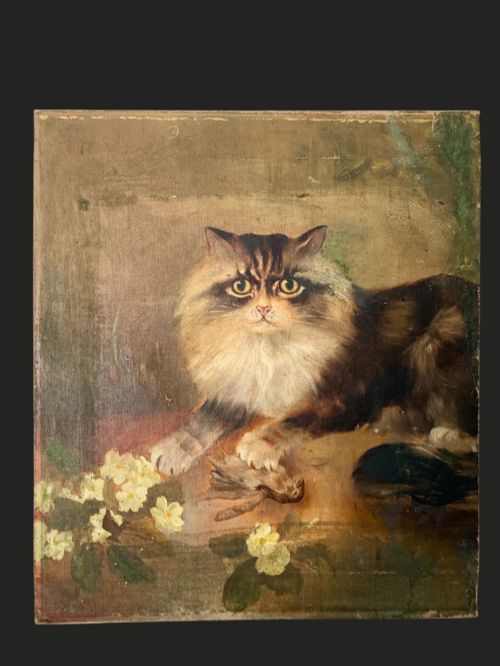
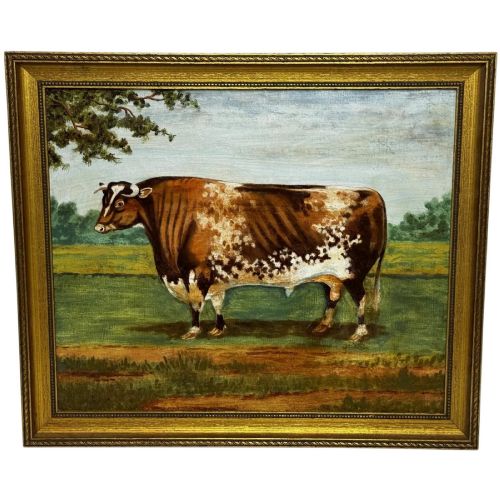
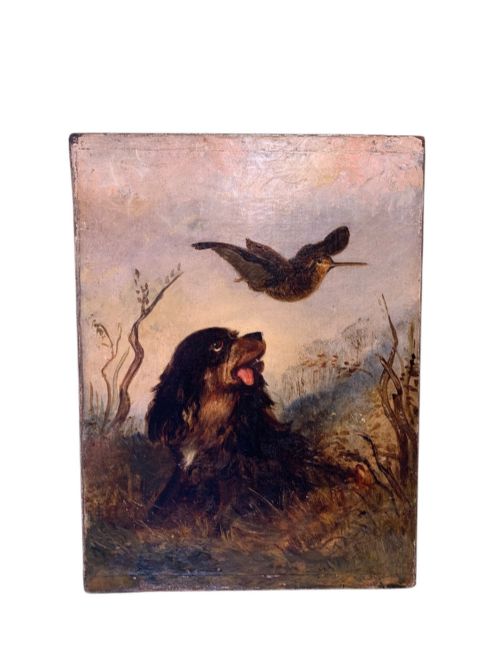
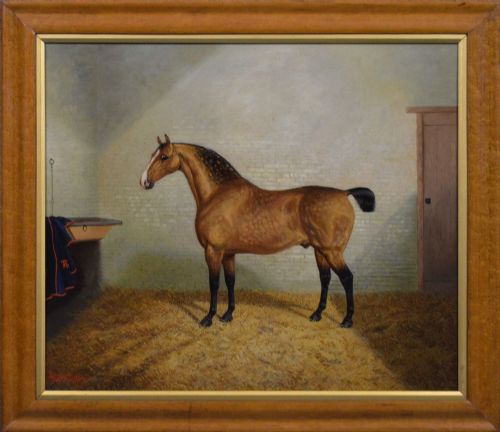
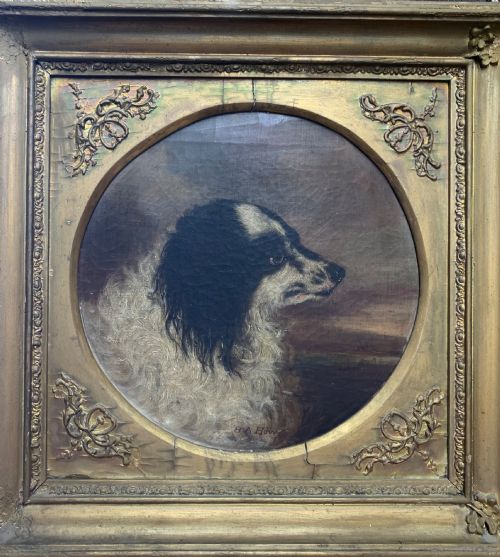
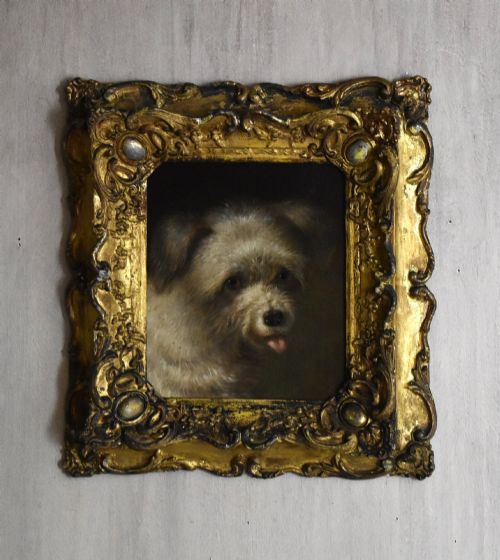
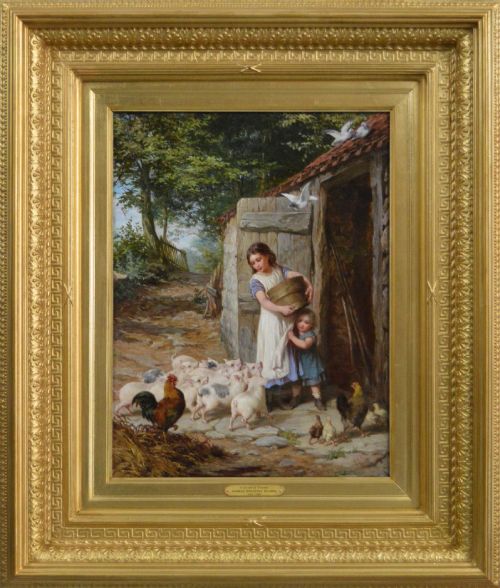
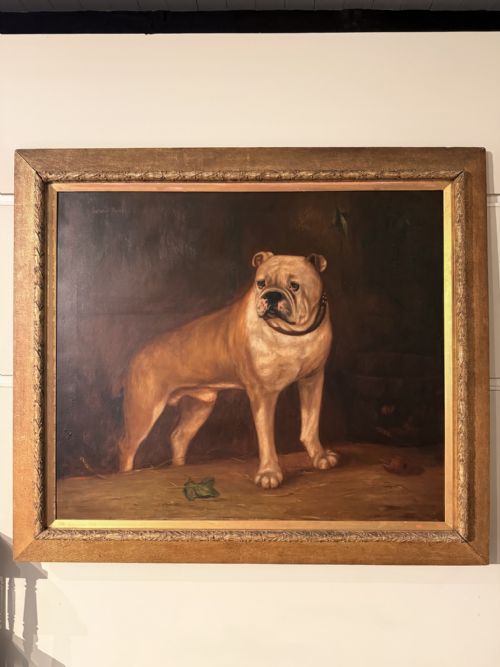
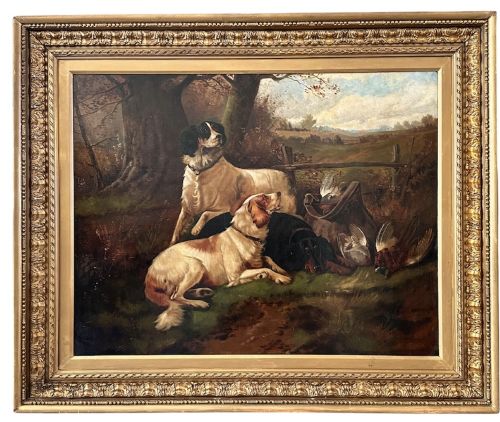
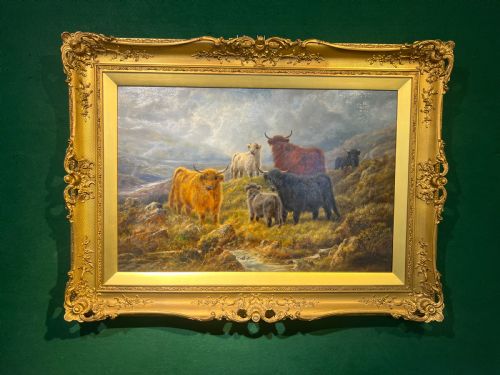
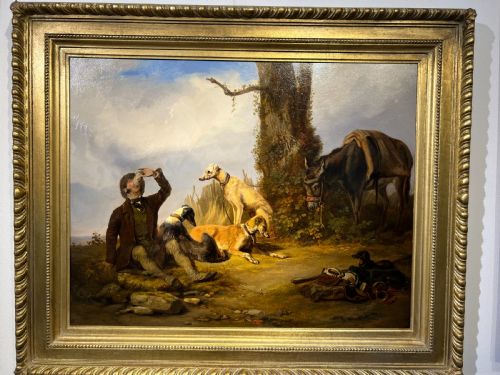
When you search for victorian animal art canvas, you encounter oil paintings on canvas depicting domestic creatures, farm stock, sporting dogs and wildlife. The works span the nineteenth century, ranging from naive folk art depictions of lions and farmyard animals to detailed equestrian portraits and sporting scenes.
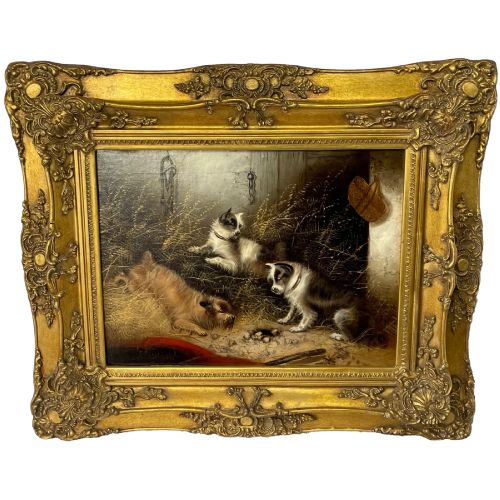
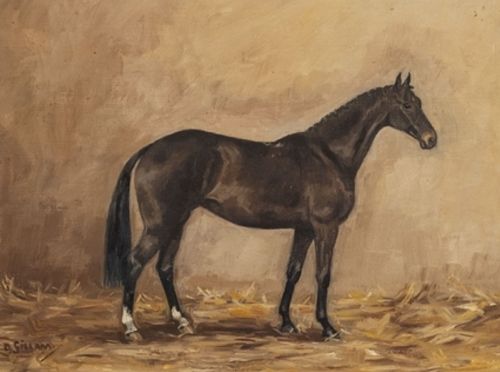
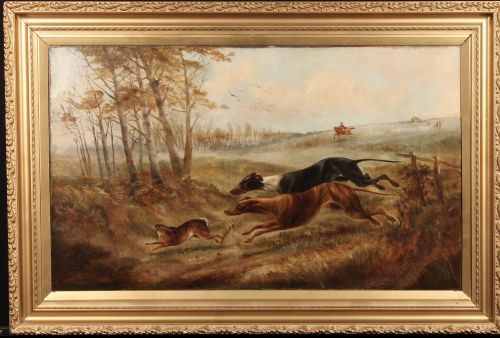
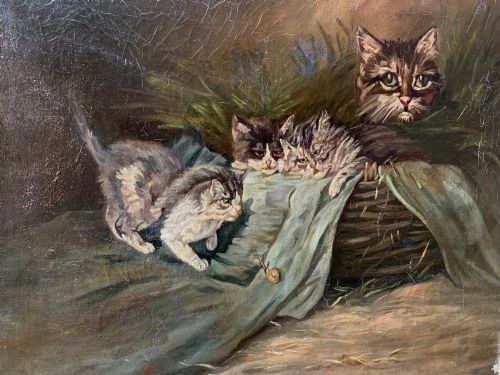
The subjects on this page include prize bulls, highland cattle, spaniels, kittens and racehorses set within pastoral landscapes or traditional interiors. British and European schools dominate the selection, capturing the period's fascination with domestic animals, working beasts and rural life.
How they were made
Makers applied oil paint to canvas stretched over wooden frames, often housing the finished works within giltwood or gold leaf frames. Artists utilised traditional layering and brushwork techniques to render animal coats, textures and expressions accurately.
Many works incorporate oil on canvas alongside variants like oil on board, reflecting standard studio practices of the nineteenth century.
Monkeys and snails make unexpected appearances among the traditional spaniels, bulls and racehorses in these nineteenth-century scenes.
What varies in quality
Quality rests upon the artist's ability to capture anatomical proportion, texture and the distinct personality of the animal subject. Works by recorded nineteenth-century painters exhibit greater nuance in light and shadow compared to naive folk art pieces.
The preservation of the original oil paint and canvas, alongside the presence of period-appropriate giltwood frames, influences the overall character of the piece.
George Armfield·Eugène Verboeckhoven·Albert Clark·Martin Theodore Ward·George Augustus Holmes·John Sargent Noble·Robert Watson·Sir Edwin Henry Landseer·Fred Fitzpatrick·Edgar Hunt·William Watson Jnr·Alfred Arthur Brunel de Neuville·Henry Schouten·Claude Cardon·John Emms·Henry Robinson Hall·Thomas Sidney Cooper·George Lance·William Barraud·Samuel Joseph Clark·Colin Graeme Roe·Valentine Thomas Garland·Agnes Augusta Talboys
The Victorian Animal Art Canvas Glossary
- Canvas
- A heavy woven fabric used as a surface for oil painting. It is typically stretched tightly across a wooden frame before work begins.
- Giltwood
- Wood that has been decorated with gold leaf or gold paint. Frames of this material frequently accompany nineteenth-century fine art.
- Naive art
- Artwork created by an artist without formal academic training. These pieces often display a charming disregard for traditional perspective and scale.
- Sporting art
- Depictions of rural sports, hunting dogs, horses and game. This genre gained immense popularity during the Victorian era.
Victorian Animal Art Canvas: Frequently Asked Questions
What subjects appear in victorian animal art canvas?
The selections feature a wide variety of creatures including dogs, horses, cattle, sheep, cats, monkeys and wild game birds. Domestic pets and prized agricultural livestock are particularly common.
Artists frequently placed these animals within distinct settings, ranging from Scottish highlands and pastoral pastures to structured farmyards and rustic interiors.
How do I care for an oil painting on canvas?
Keep the canvas away from direct sunlight, damp environments and major temperature fluctuations to protect the oil paint and wooden stretcher. Dust the surface gently with a soft, dry brush without applying pressure.
Avoid using water, chemical cleaners or oils on the painted surface. Professional conservators should handle any cleaning or structural repairs.
Were these paintings always framed?
Most nineteenth-century works were paired with frames made of wood and gilt leaf upon completion. These frames protected the edges of the canvas and completed the presentation.
Original period frames remain desirable components of antique art, though framing styles naturally varied between academic studio works and simpler folk pieces.
How can I distinguish academic art from naive folk art?
Academic paintings demonstrate a formal understanding of anatomy, light source and perspective, often bearing the signature of a trained artist. These works usually capture realistic textures in fur and landscape.
Naive folk art pieces present a more direct, simplified perspective with less regard for strict proportions, offering a different aesthetic charm rooted in regional traditions.