
Victorian Albert Watch Chain
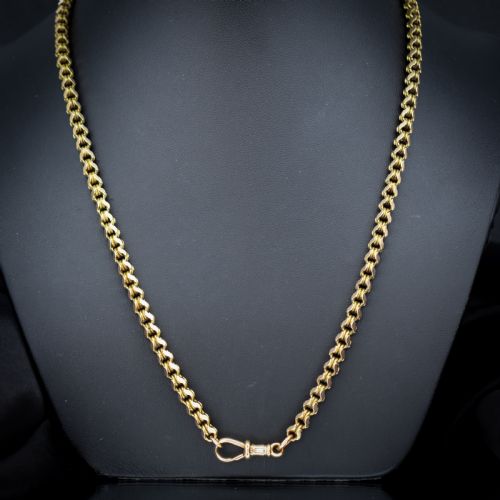
A victorian albert watch chain is a substantial link of precious metal or silver designed to secure a pocket watch, now repurposed as a striking necklace or bracelet.
Victorian Albert Watch Chain
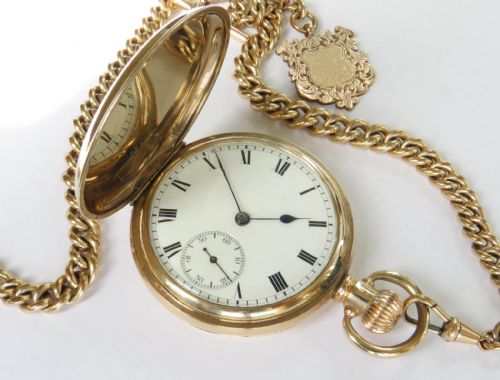
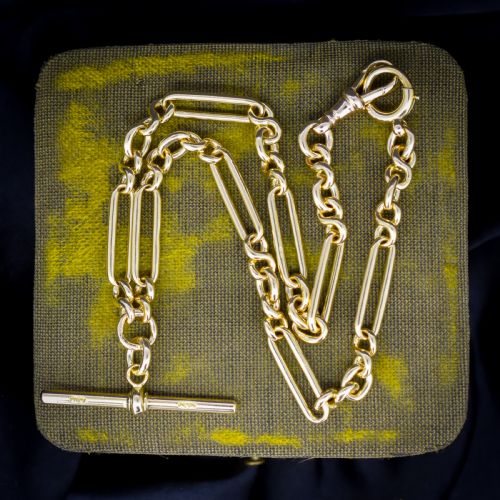
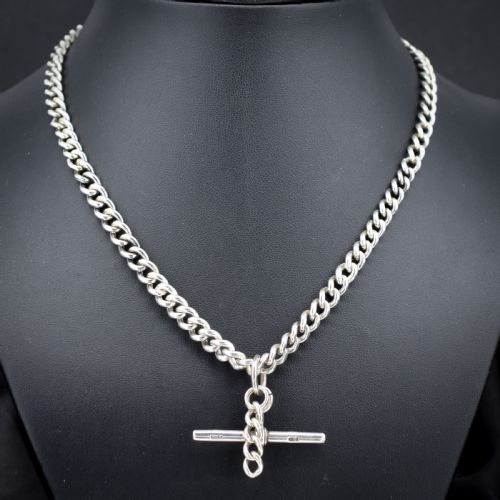
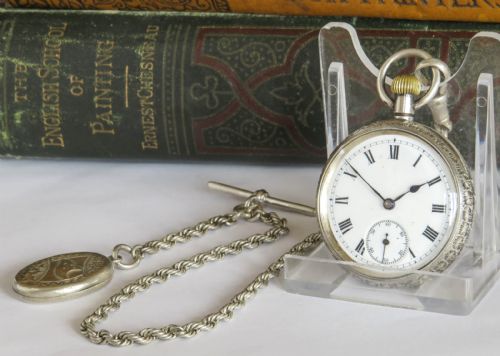
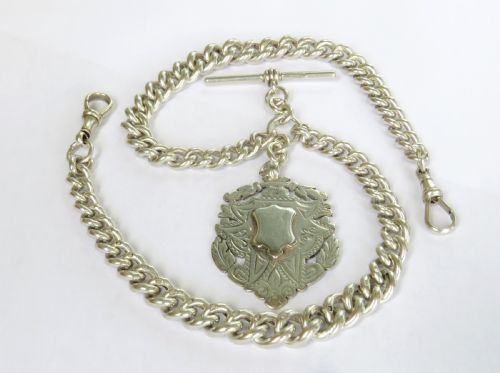
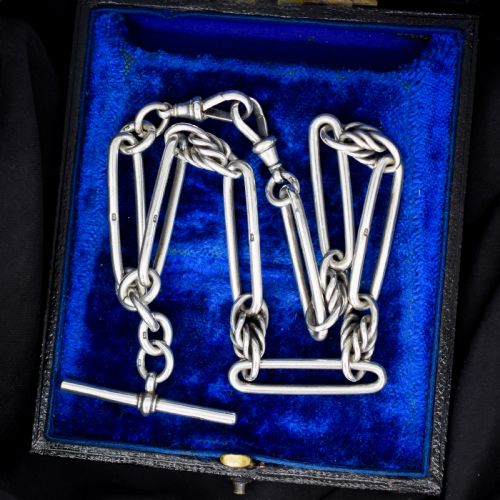
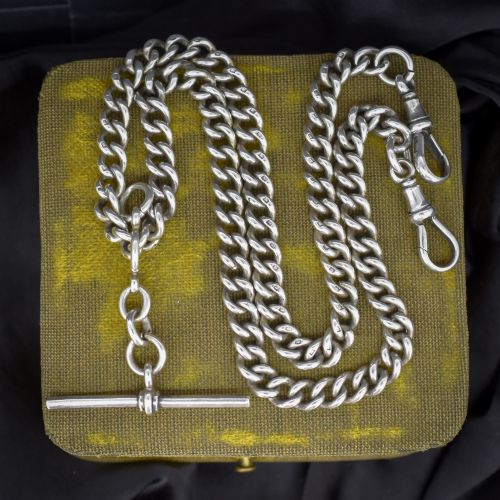
A victorian albert watch chain originated as a functional accessory for securing pocket watches to a gentleman's waistcoat, complete with a crossbar and swivel clip. Most pieces encountered span the late nineteenth century through to the early twentieth century, taking the form of single or double strands. Goldsmiths and silversmiths constructed these chains to carry considerable weight, incorporating substantive links meant to anchor mechanical timepieces securely.
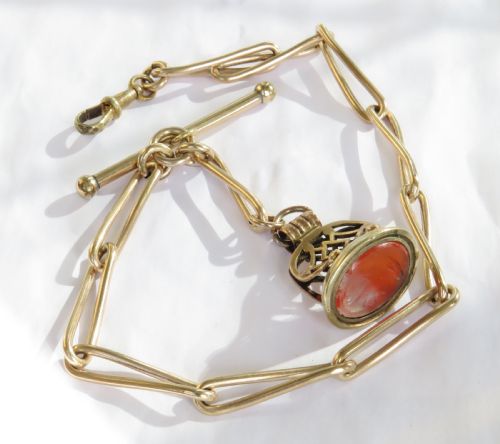
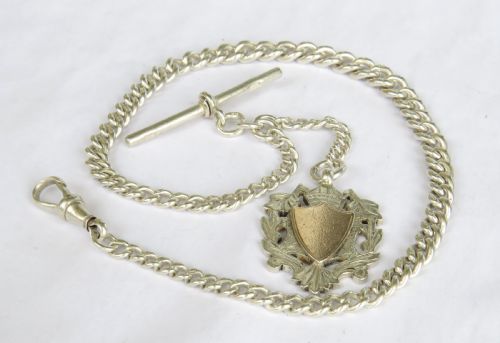
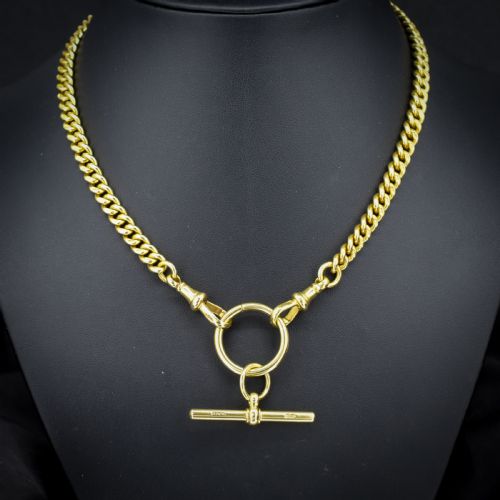
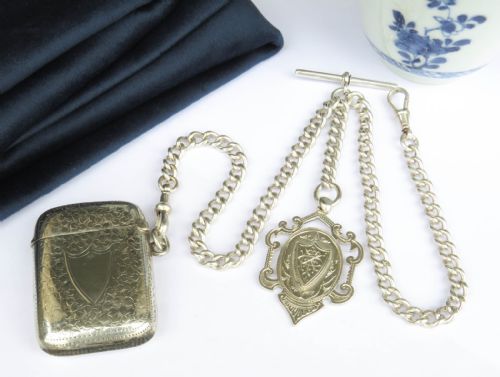
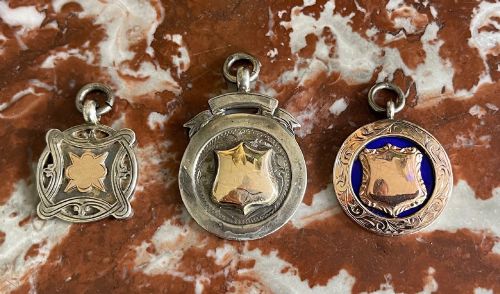
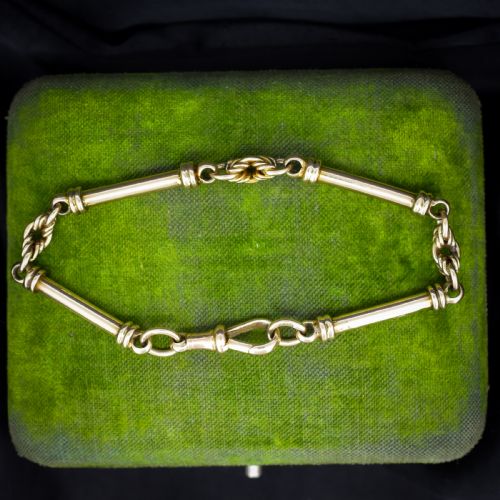
Surviving examples frequently feature decorative appendages such as vestas, fob medals, or tassels, which add length and visual interest. While traditionally worn across the front of a garment, these strands now frequently find use as collar-length necklaces or heavy wrist adornments. The construction ranges from simple uniform curb links to elaborate configurations of mixed patterns and varied metal tones.
Metals and Construction Techniques
Makers utilised sterling silver and various purities of gold, including nine-carat, fifteen-carat, and eighteen-carat rose and yellow variations, alongside rolled gold alternatives. Solid silver items often bear Birmingham assay office hallmarks, providing verifiable dates and markers' stamps for the metal content.
Individual links were cast, drawn, and meticulously hand-assembled by artisans using techniques such as hollow stamping for lighter components or solid forging for heavy vestas and chains. Swivel dog clips and T-bars were soldered or joined securely to withstand the daily tension of pocket retrieval.
Several chains come paired with vestas for matches, ready for an era when lighting a pipe required immediate pocket access.
Determinants of Superior Build
The density of the metal and the integrity of each link connection distinguish heavier, exhibition-grade pieces from lighter daily wear. Substantial gauge wire and solid casting prevent the stretching and thinning often seen at pivot points.
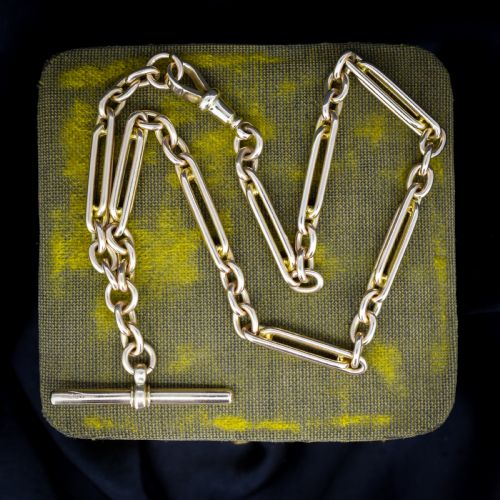
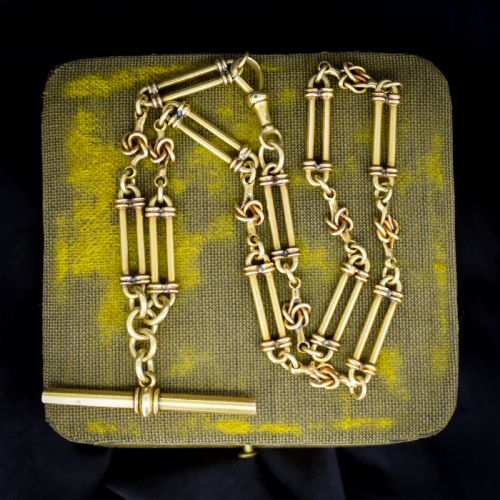
The complexity of the link geometry, such as alternating trombone and love knot patterns or matched graduated sizing, reflects greater labour investment by the maker. Intact, original dog clips and fully legible hallmarks further elevate the standing of an individual piece.
W H Wilmot
The Victorian Albert Watch Chain Glossary
- T-bar
- A short transverse metal bar attached to the centre of the chain, designed to slip through a buttonhole to anchor the piece securely.
- Dog clip
- A spring-loaded swivel clasp used to fasten the pocket watch or suspend decorative fobs.
- Albertina
- A delicate, multi-strand variant of the standard watch chain, frequently ornamented with tassels or charms and traditionally worn by women.
- Trombone link
- An elongated rectangular metal link interspersed with smaller circular or oval connectors.
- Vesta
- A small pocket-sized metal box designed to hold matches, often suspended directly from the chain drop.
Victorian Albert Watch Chain: Frequently Asked Questions
How do I wear an albert chain today?
Many people wear shorter lengths as necklaces or wrap heavier pieces around the wrist to form layered bracelets. The original T-bar and dog clips remain intact, serving as decorative closures or hanging pendants.
Securing the chain around the neck allows the central drop to display any attached fob, vesta, or medal just below the collarbone.
How can I tell silver from gold pieces?
Examination of the metal colour provides the initial clue, but official hallmarks stamped onto individual links offer definitive proof. Sterling silver pieces typically display lion passant marks alongside assay office symbols, while gold items indicate carat fineness such as nine or fifteen carat.
Rolled gold versions feature a thin layer of precious metal over a base core and often display specific maker stamps denoting the plating technique.
What is an albertina?
An albertina is a finer, lighter version of the traditional albert chain, constructed with multiple delicate strands rather than heavy solid links. These pieces frequently incorporate decorative tassels, slide beads, or small charms.
Historically associated with feminine attire, they function exceptionally well today as slender necklaces or multi-wrap bracelets.