





Victorian 2 Over 3 Chest
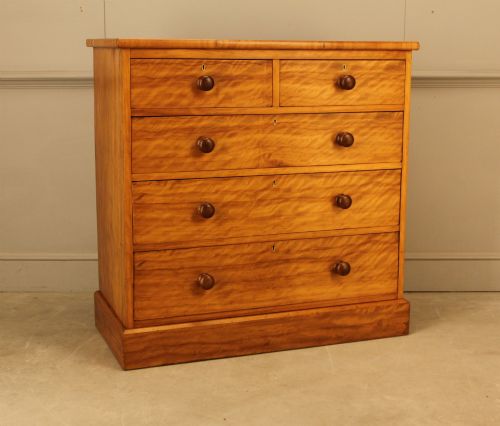
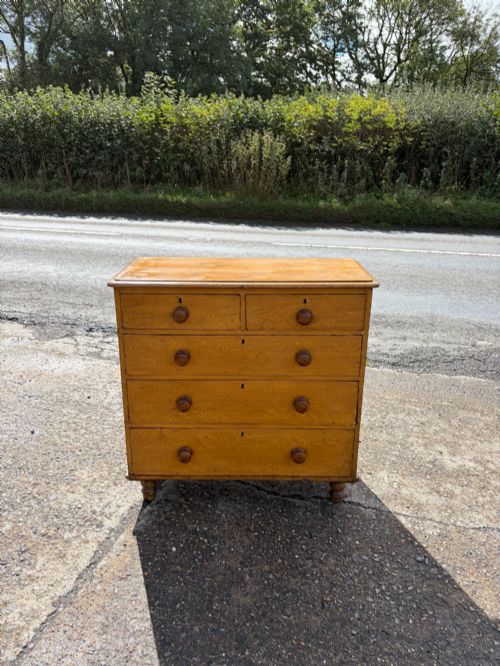
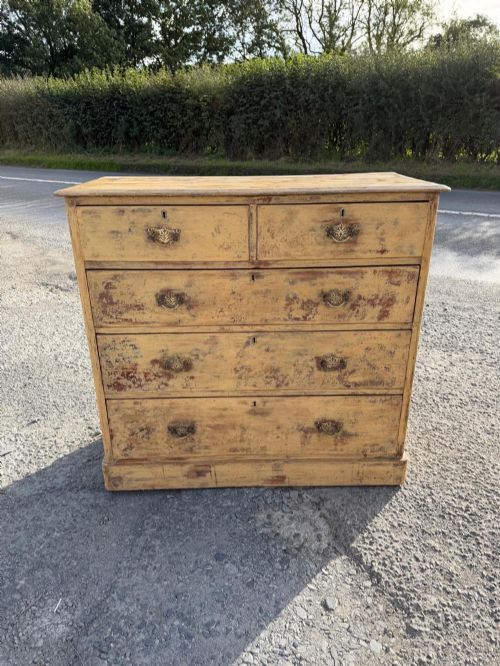
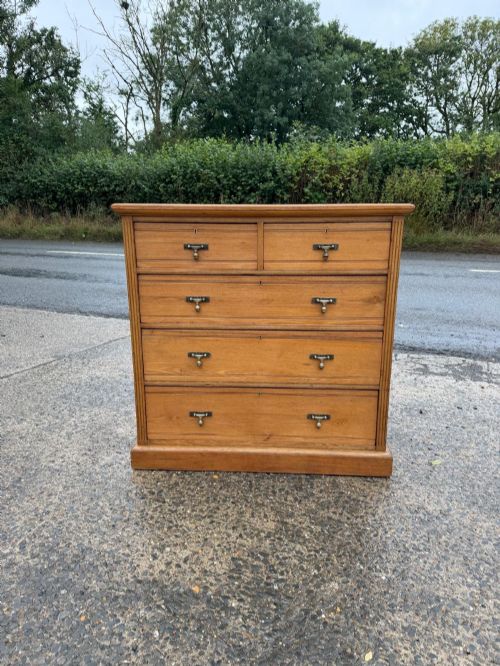
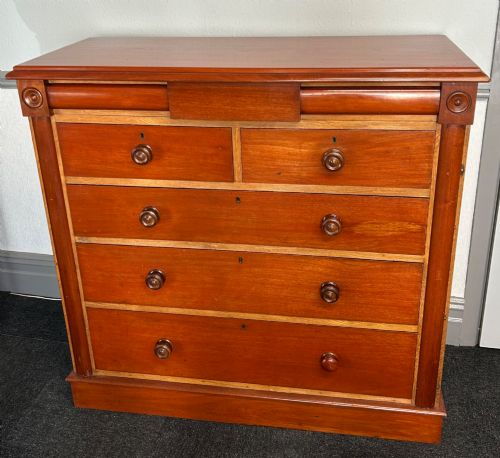
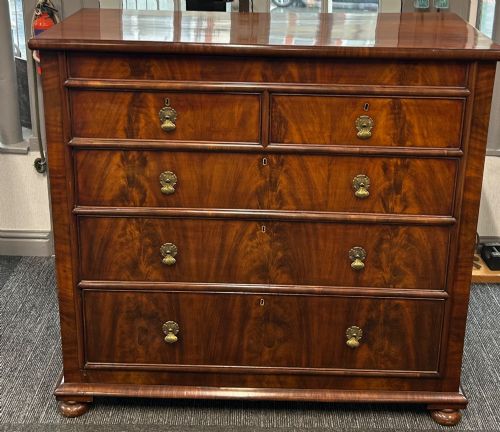
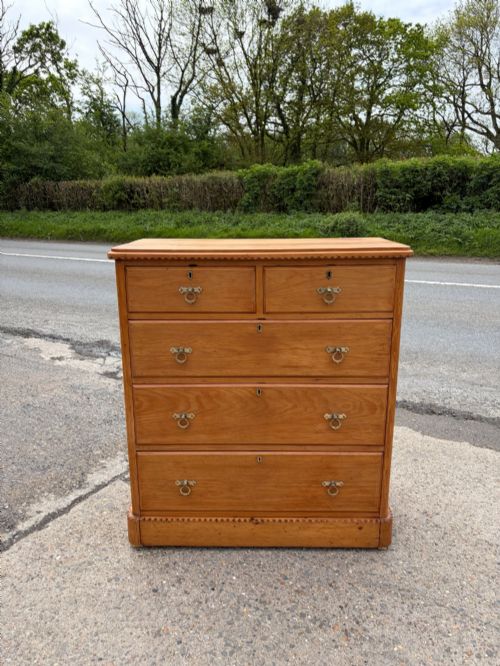
A victorian 2 over 3 chest offers dependable bedroom storage, pairing two smaller upper drawers with three wider drawers below in mahogany or pine.
Victorian 2 Over 3 Chest
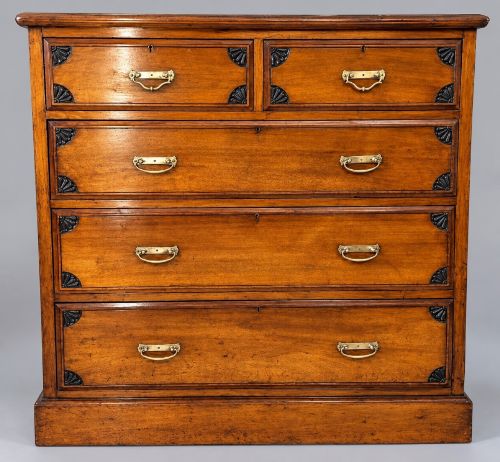
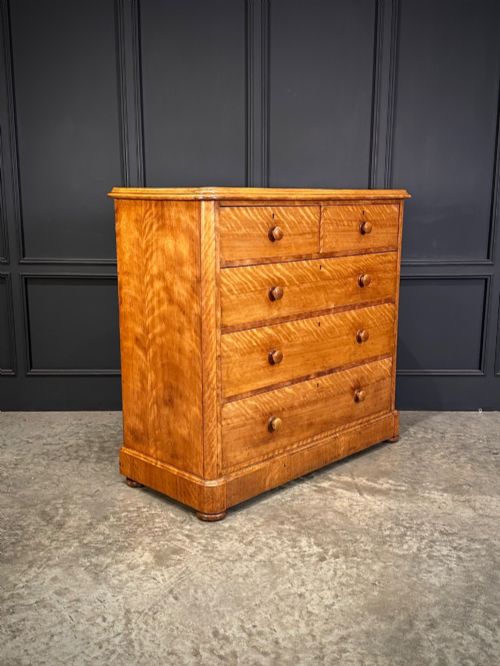
When searching for a victorian 2 over 3 chest, buyers encounter robust bedroom storage pieces dating from the nineteenth century. These chests arrange five drawers in total, placing two short drawers above three graduated long drawers.
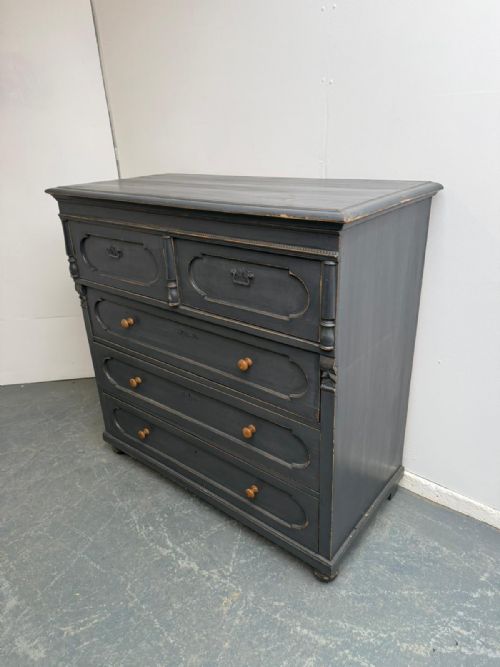
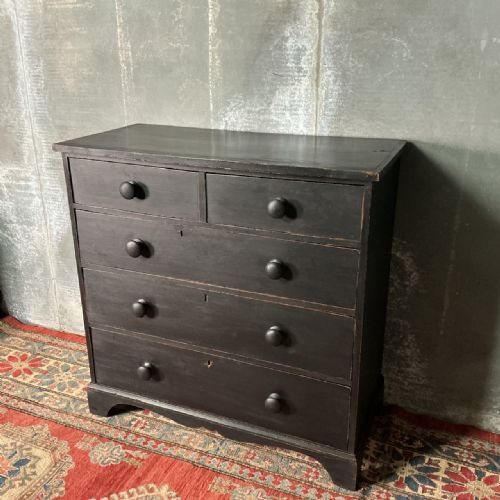
Pine and mahogany dominate the selection available on this page, appearing in finishes that range from scrubbed and waxed surfaces to painted, scumbled, and stencilled treatments.
The layout provides practical proportion for modern homes, offering deep lower capacity alongside shallow upper compartments suitable for smaller garments.
How They Were Made
Cabinet makers constructed these carcases primarily using solid timber such as mahogany, pine, and oak, frequently applying flame mahogany veneer to primary surfaces for distinct grain figure.
Hardware details such as turned wooden bun handles, porcelain knobs, and brass fittings secured the drawer fronts, while secondary woods lined the interior compartments.
Victorian 2 Over 3 Chest Retail Price Guide 2026
Typical asking prices for victorian 2 over 3 chest among the pieces listed under this phrase on Sellingantiques today, from the lower quarter to the upper quarter. They describe what is for sale here now, not the wider market.
Several chests retain their original keys, though drawer locks from this era often developed distinct personalities of their own.
What Varies in Quality
The standard of timber selection and veneer matching defines the upper tier of these pieces, alongside the crispness of turned handles and inlay work.
Original surface treatments, whether clear wax, scumbling, or historic paint, elevate pieces above later stripped or refinished examples.
Heal and Son·Howard and Sons
The Victorian 2 Over 3 Chest Glossary
- Bow front
- A convex curved drawer front that projects outward from the centre. This curved profile requires skilled joinery to shape the timber and drawers accurately.
- Flame mahogany veneer
- A thin slice of wood cut from the fork of a mahogany tree to create a distinctive flickering flame pattern. Cabinet makers applied this to primary drawer fronts for visual impact.
- Scumbled pine
- A decorative paint technique imitating wood grain using translucent glazes dragged across a base coat. Makers utilised this method to give ordinary pine a richer appearance.
- Bun handle
- A small, rounded wooden pull shaped like a bun or sphere, turned on a lathe. These frequently appear fixed to nineteenth-century drawer fronts.
- Linen press
- A tall cupboard containing sliding trays or shelves behind doors, often positioned above a chest base. These served to store folded textiles before modern wardrobes became common.
Victorian 2 Over 3 Chest: Frequently Asked Questions
How do I date a Victorian chest?
Dating relies on observing construction methods, timber choices, and hardware styles across the nineteenth century. Early examples often feature different drawer linings and turning styles compared to late pieces.
Secondary woods and handle types help narrow the decade of manufacture within the broader period.
Are these chests made of solid wood?
Most pieces combine solid carcase timbers like pine or mahogany with specialised decorative elements. Finer models frequently employ flame mahogany veneer over a secondary wood base.
Drawer interiors and backs generally utilise subsidiary timbers appropriate to the workshop origin.
How do I care for antique pine?
Maintenance involves protecting the waxed or scrubbed surface from excessive moisture and direct heat sources. Regular dusting with a dry cloth preserves the finish without harming the historic timber.
A light application of traditional beeswax helps maintain the lustre of waxed pine surfaces over time.