





Vernacular Wood Stool
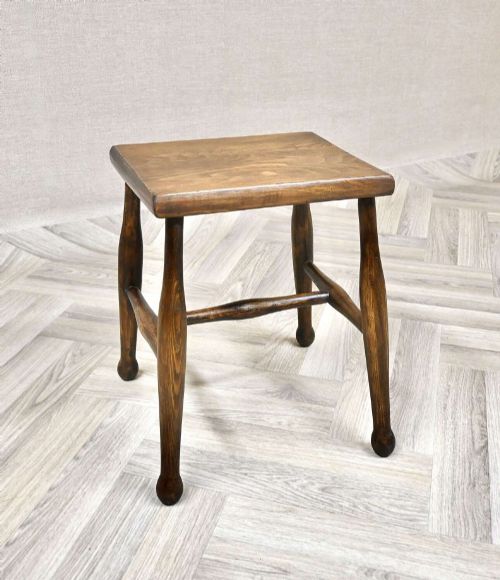
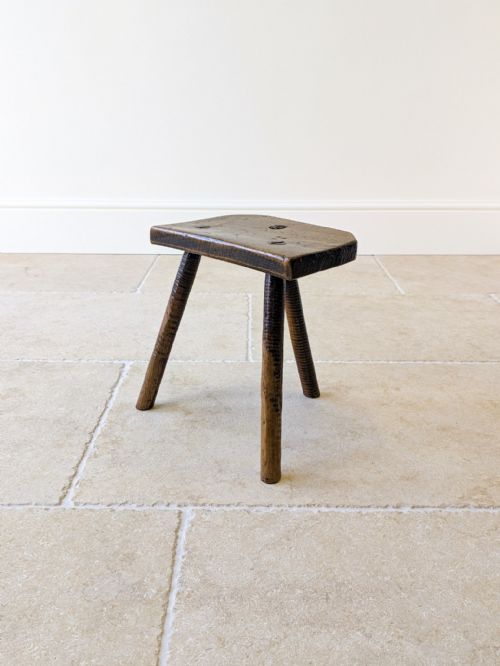
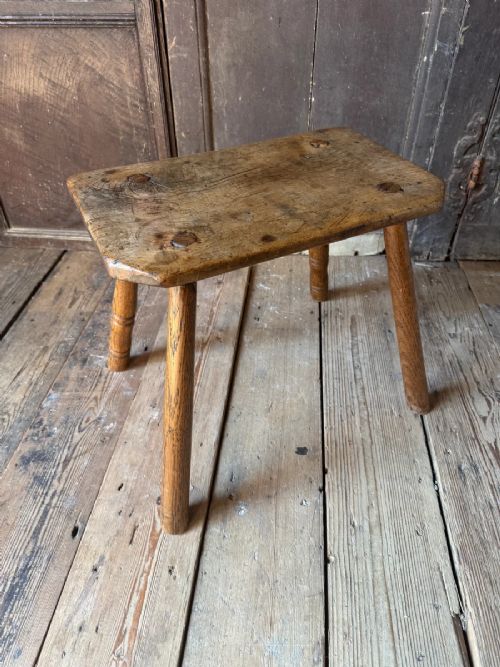
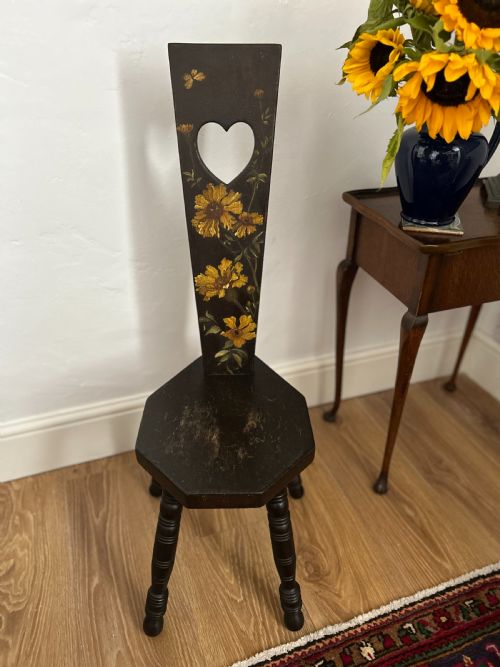
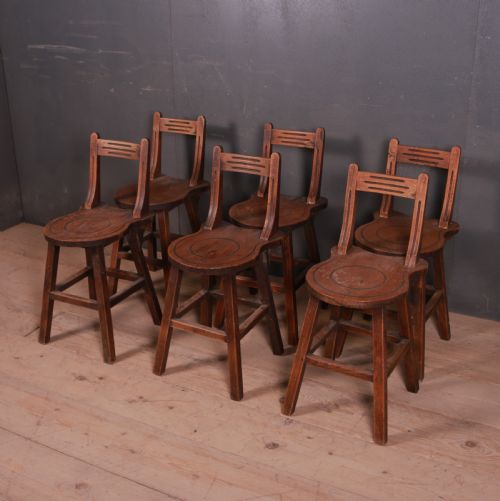
These vernacular wood stool examples are honest domestic seats shaped by local hands from sturdy timbers like elm and ash.
Vernacular Wood Stool
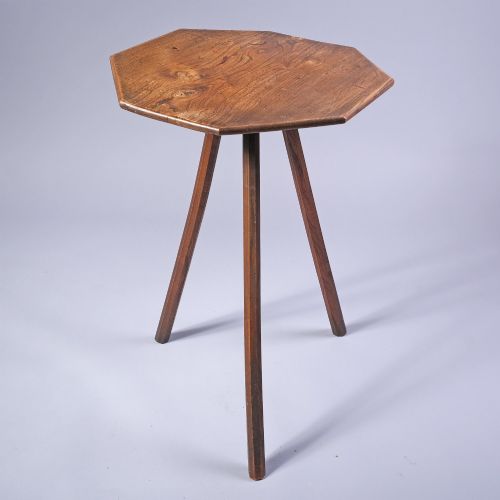
The selections span simple three-legged tables, milking stools, and cutler's work seats alongside robust elm and ash examples. Many items reflect rustic country, farmhouse, or vernacular rural styles rather than formal cabinetmaker designs.
How they were made
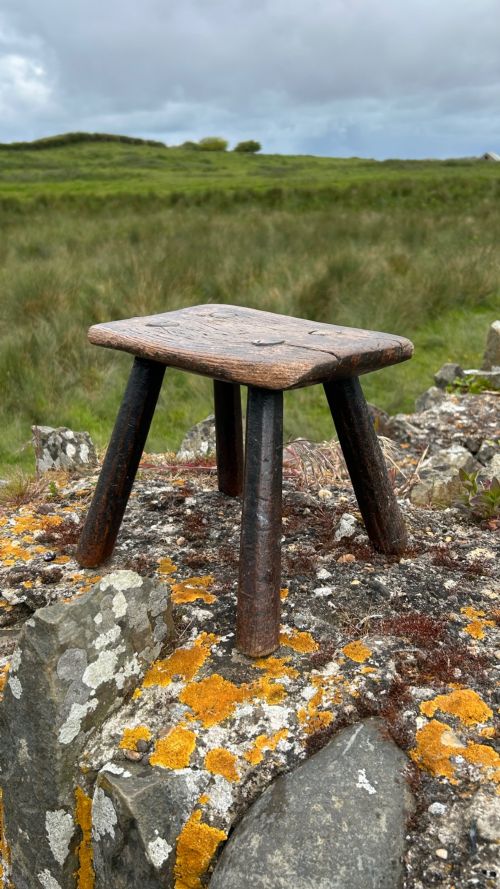
Maker-craftsmen utilised solid native hardwoods such as elm, ash, yew wood, and sycamore, selecting timbers suited to heavy daily use. Legs were frequently turned or shaped from natural branches, then wedged firmly into seats through traditional mortise and tenon or staked construction.
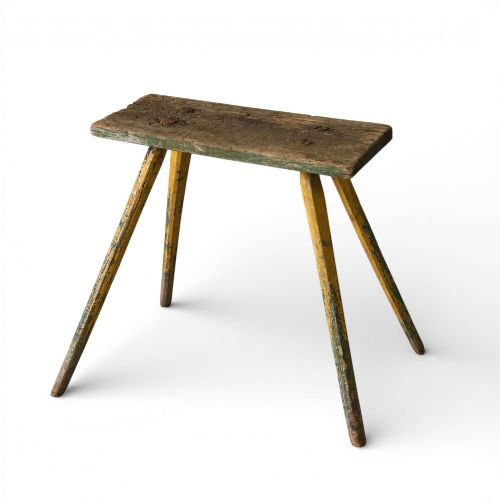
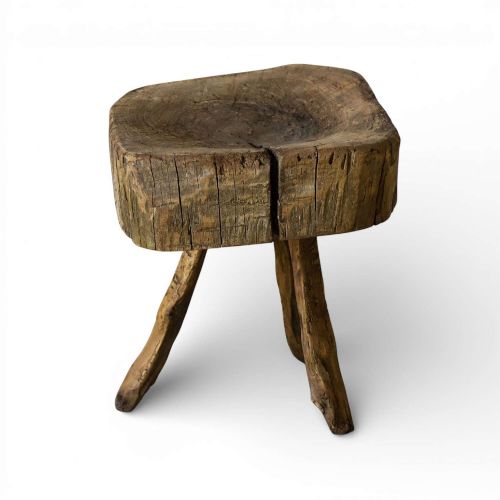
Surface treatments remain straightforward, ranging from clear waxed finishes that highlight natural grain to surviving remnants of original paint. Live edges and solid slices of timber retain the organic contours of the tree.
Vernacular Wood Stool Retail Price Guide 2026
Typical asking prices for vernacular wood stool among the pieces listed under this phrase on Sellingantiques today, from the lower quarter to the upper quarter. They describe what is for sale here now, not the wider market.
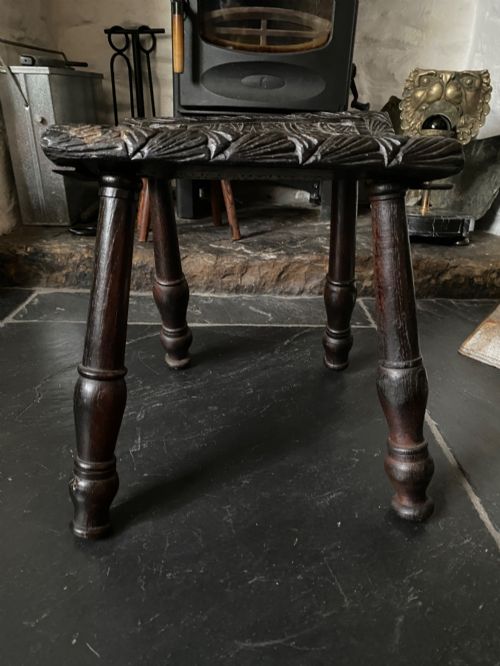
One historic hearth stool bears a carved apotropaic Marian mark, left behind to keep malevolent spirits away from the family fire.
What varies in quality
The distinction between ordinary utility items and superior examples lies in the balance of proportion, timber selection, and surface patina. Sturdy construction that retains its original joints without excessive modern intervention commands greater interest among collectors.
Visual character varies from plain utilitarian forms to pieces bearing distinct tool marks, scratch-built details, or protective apotropaic markings. The integrity of the timber and the honesty of past repairs dictate the standing of each piece.
The Vernacular Wood Stool Glossary
- Vernacular
- Describing objects designed by local craftspeople using regional traditions and available materials rather than following academic architectural styles. These items prioritise utility and local resourcefulness.
- Elm
- A tough, interlocking hardwood frequently chosen for stool seats because it resists splitting under heavy weight. Its characteristic grain adds visual depth to rustic surfaces.
- Staked construction
- A traditional method where legs or supports are tenoned directly through holes drilled into the underside of the seat plank. Wedges secure the joints from above.
- Apotropaic mark
- A symbolic carving intended to ward off evil spirits or misfortune, sometimes found incised into older domestic furniture. These ritual marks reflect the folk beliefs of the maker.
- Patina
- The surface sheen and colour acquired by timber through decades of handling, cleaning, and exposure to light. This visual depth cannot be artificially replicated.
Vernacular Wood Stool: Frequently Asked Questions
What is a vernacular wood stool?
A vernacular wood stool is an unpretentious piece of domestic seating made by local artisans using regional timbers. These items served practical daily functions in homes, workshops, and farms.
Unlike formal urban furniture, their design follows local traditions and the specific properties of available woods like elm and ash.
How do I date an old wooden stool?
Dating relies on examining tool marks, construction methods, timber species, and overall wear patterns. Hand-sawn boards and early fastening techniques indicate eighteenth or nineteenth-century origins.
Comparing the style to documented regional forms helps narrow down the period of manufacture.
Are these stools comfortable to sit on?
Many historical stools feature seats carved into subtle saddle shapes to accommodate the body. They were built for specific tasks like milking, cobbling, or cutting rather than lounging.
While functional, their comfort depends heavily on the ergonomic shaping of the individual wooden seat.
How should I care for antique timber?
Preserve the wood by keeping pieces away from direct heat sources and sudden humidity changes that cause splitting. Regular application of a gentle, traditional wax maintains the surface.
Avoid harsh chemical cleaners that strip away the accumulated historical patina.