

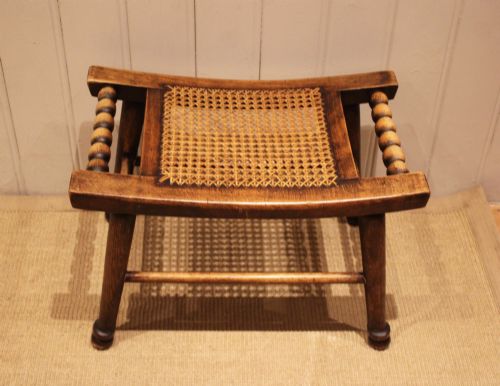
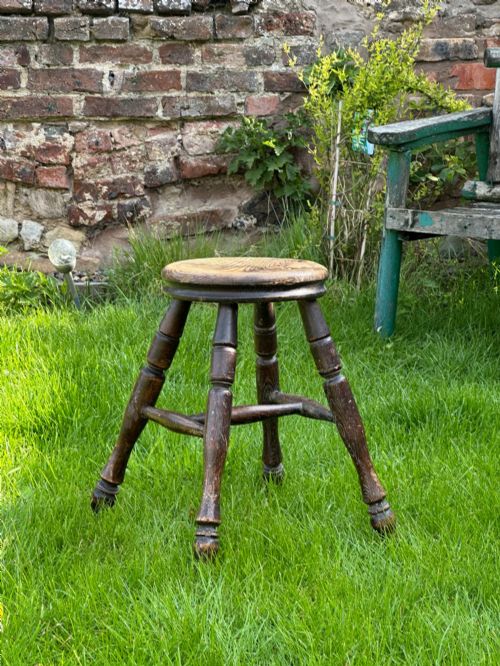


Rustic Hearth Stool
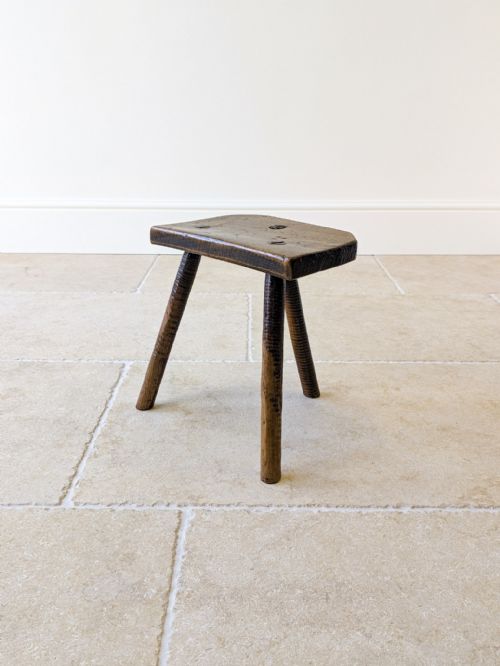
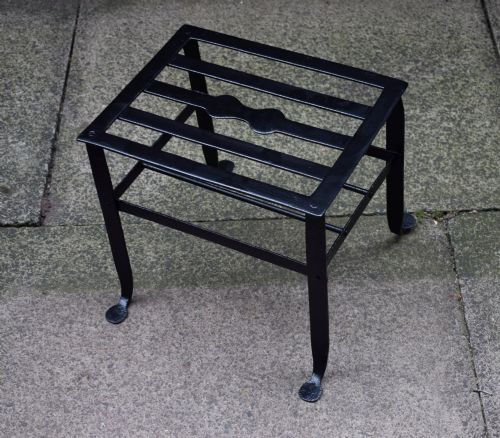
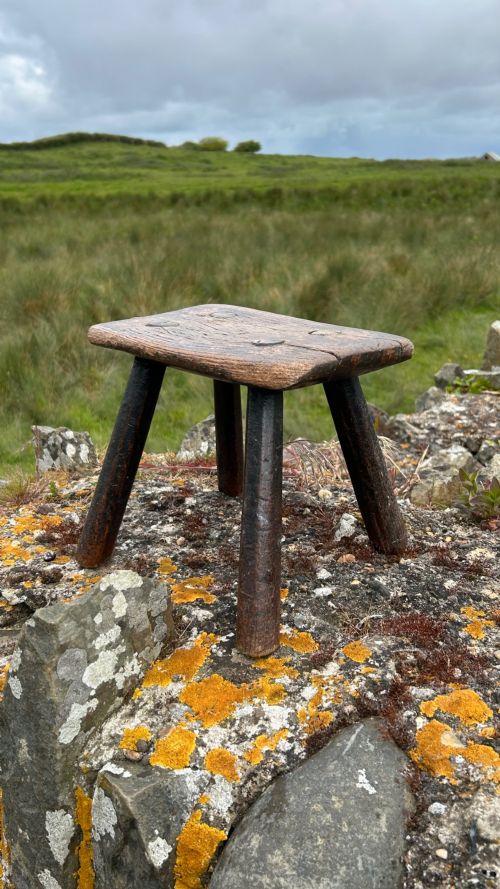
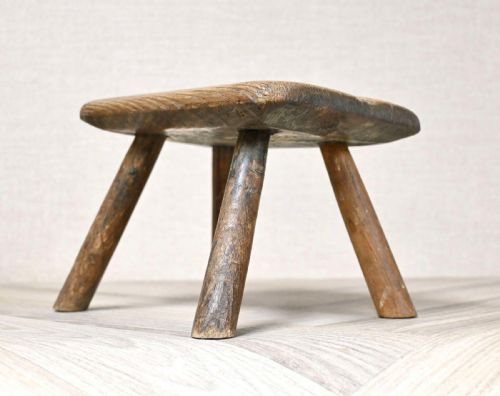
These rustic hearth stools are sturdy vernacular seats built for warmth and utility by the fireside, constructed in robust timbers to last centuries.
Rustic Hearth Stool
A rustic hearth stool is a low, utilitarian seat designed for sitting close to the fire in traditional homes. When buyers search for a rustic hearth stool, they encounter forms spanning the eighteenth, nineteenth, and early twentieth centuries, reflecting rural British craftsmanship.
The most common examples on this page are vernacular country pieces originating from the Georgian and Victorian eras, often taking simple stool or low footstool formats. Makers constructed these items for everyday domestic tasks rather than formal display.
Variations include Windsor-style oval seats, tavern stools, and low country stools, alongside pieces featuring rush or cane webbing. Materials range from solid oak and elm to beech and pine, demonstrating practical local resourcefulness.
Construction and materials
Makers relied on durable native hardwoods such as oak, elm, and beech for the frames and legs of these pieces. These timbers provided the necessary strength to withstand heavy daily use near the hearth.
Seats incorporated solid timber planks or resilient woven materials like rush and cane. Joinery methods relied on traditional turned components and pegged joints to ensure long-term stability without metal fasteners.
Rustic Hearth Stool Retail Price Guide 2026
Typical asking prices for rustic hearth stool among the pieces listed under this phrase on Sellingantiques today, from the lower quarter to the upper quarter. They describe what is for sale here now, not the wider market.
One nineteenth-century Scottish stool bears a pokerwork inscription reading Touch Me Wha Daur.
Assessing quality
Quality rests in the honesty of the construction and the integrity of the timber used by the maker. Superior pieces display well-proportioned turned legs and tightly woven rush or cane seats that have aged with a rich, natural patina.
Plain utilitarian examples contrast with pieces featuring decorative details like pokerwork inscriptions. The distinction lies in the balance between robust structural utility and the deliberate choice of finer grain woods.
The Rustic Hearth Stool Glossary
- Hearth stool
- A low seat traditionally placed near a fireplace for warmth and convenience. These pieces usually feature sturdy wooden frames built to endure proximity to open flames.
- Vernacular
- Architecture and furniture built by local craftsmen using traditional regional methods and materials. These objects prioritise practical function over high-style academic design.
- Rush
- A marsh plant used to weave durable and flexible seating surfaces. Skilled artisans twist the dried material into cords before weaving them tightly across the stool frame.
- Pokerwork
- A decorative technique using heated metal tools to burn designs into wood surfaces. This method creates contrasting dark motifs on light timber backgrounds.
- Windsor
- A style of wooden seating characterised by turned legs and spindles socketed into a solid shaped seat. This method creates a rigid and resilient frame.
Rustic Hearth Stool: Frequently Asked Questions
What is a rustic hearth stool?
A rustic hearth stool is a low, unpretentious seat historically positioned close to the domestic fireplace for warmth and practical tasks. These pieces were built by local tradesmen for daily utility rather than formal entertaining.
They appear in various forms, from simple plank-top designs to woven rush seats, reflecting the practical needs of traditional rural households.
How were these stools used?
Households used these low seats near the fireplace for warming feet, tending the fire, or performing close-work tasks in the warmest part of the room. Their compact height kept occupants out of drafts and close to the heat source.
Over time, their sturdy build allowed them to double as small side tables or convenient steps around the home.
How do I live with a hearth stool?
A hearth stool fits easily beside a modern fireplace, functions as a low bedside table, or serves as a standalone decorative piece in a hallway. Their compact scale makes them adaptable additions to living spaces.
To maintain the timber, keep them away from direct heat sources like radiators to prevent the wood from drying out and splitting.
How do I date an antique stool?
Dating relies on examining tool marks, timber shrinkage, and joinery techniques visible on the underside and joints. Eighteenth-century pieces often display hand-sawn board marks and pegged tenons.
Nineteenth- and early twentieth-century examples incorporate machine-turned components and standardised fixings while maintaining traditional country forms.