


Vernacular Side Table
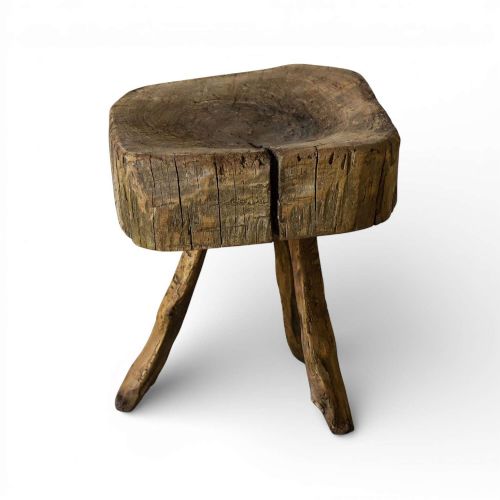
A vernacular side table brings honest rural character into a room, offering sturdy timber construction and simple utilitarian design.
Vernacular Side Table
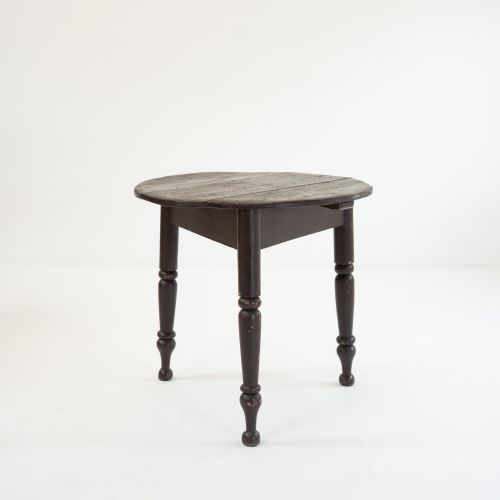
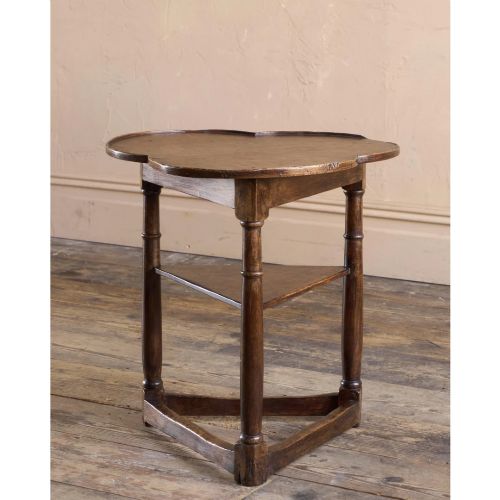
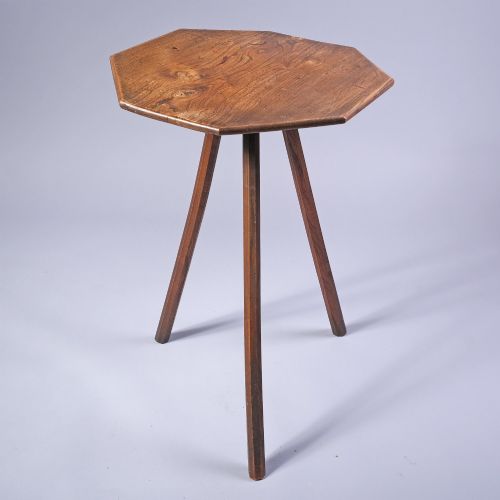
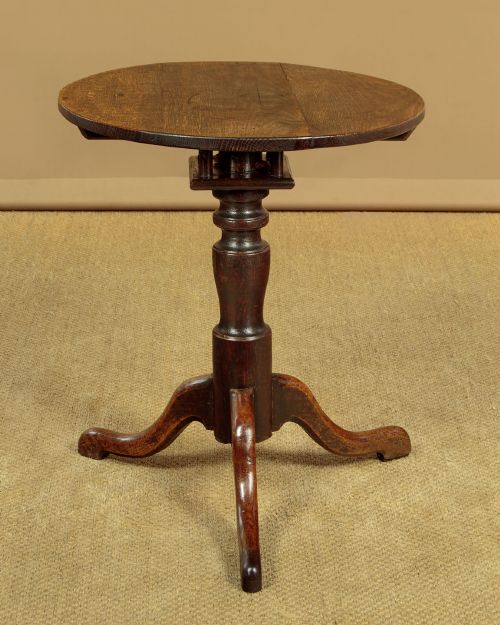
These items originate across periods from the seventeenth century through the nineteenth century, including Georgian and Edwardian examples. Forms range from three-legged tripod bases to plank tops and painted pine surfaces.
How they were made
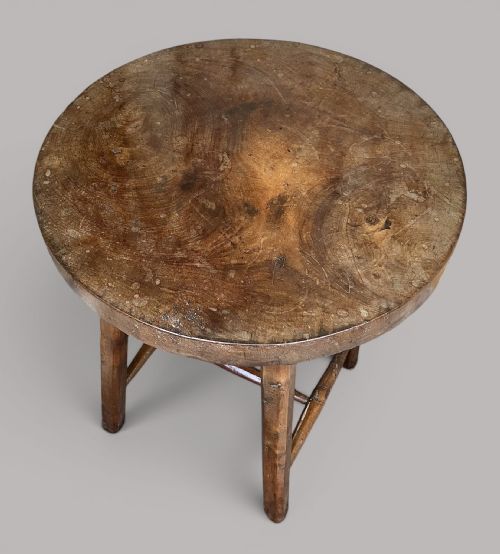
Makers utilised solid domestic woods such as oak, pine, elm, ash, and fruitwood, often combining timbers within a single piece for the top and base. Construction relies on straightforward carpentry joints, pegging, and turned or gnarled natural legs.
Surfaces frequently show the marks of original paint, such as Falu red or plain utilitarian coats, alongside plain scrubbed timber or live edges.
Listings span from the seventeenth century to the Edwardian period, featuring oak, pine, elm, ash, and fruitwood.
What varies in quality
Quality rests in the integrity of the timber, the balance of the proportions, and the honesty of the surface wear. Pieces retaining their original unstripped finish and untouched structural joints stand apart from heavily restored examples.
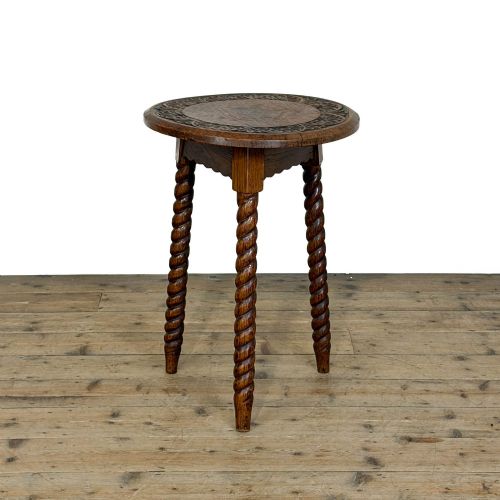
The character of the turning on legs and the thickness of solid plank or trefoil tops also distinguish a more considered piece from a simpler utility item.
The Vernacular Side Table Glossary
- Cricket table
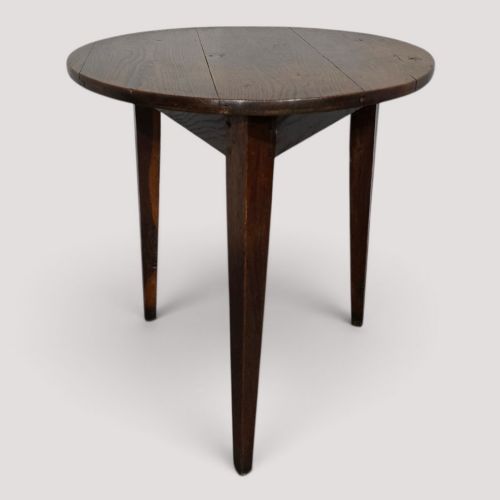
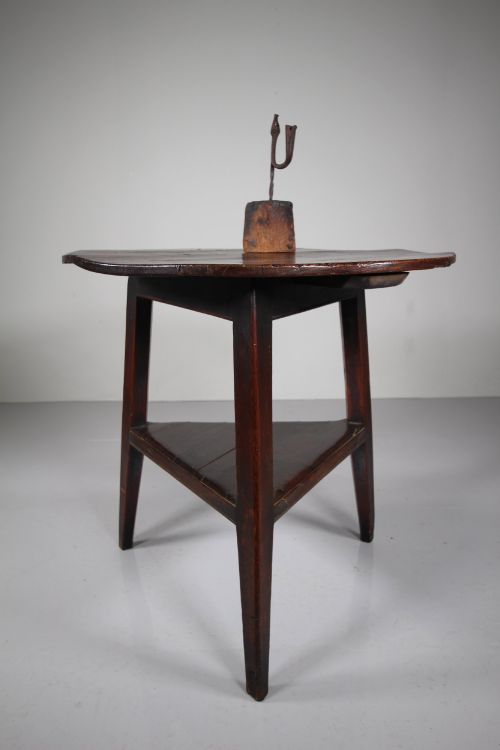
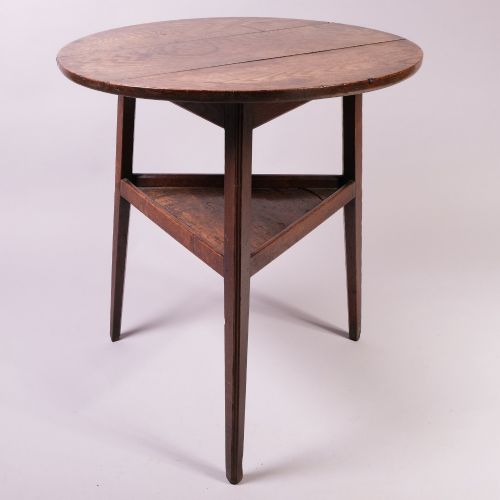
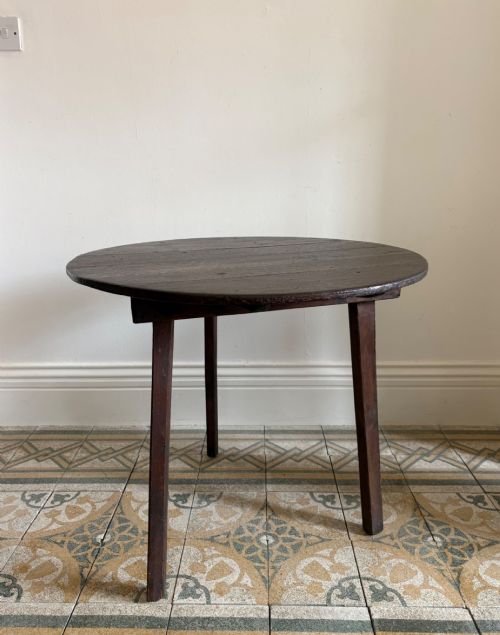
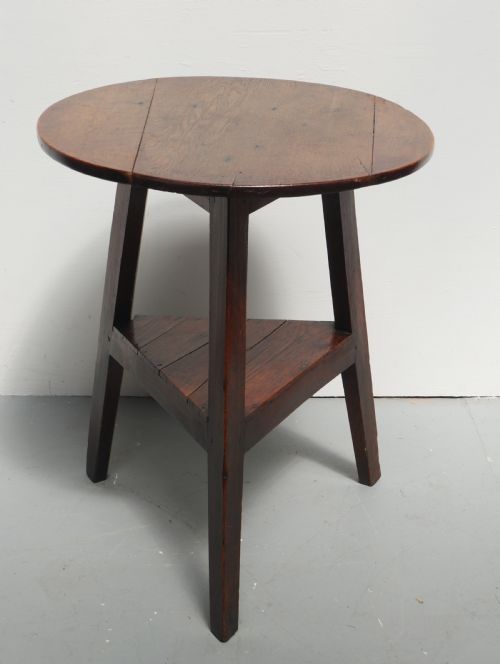
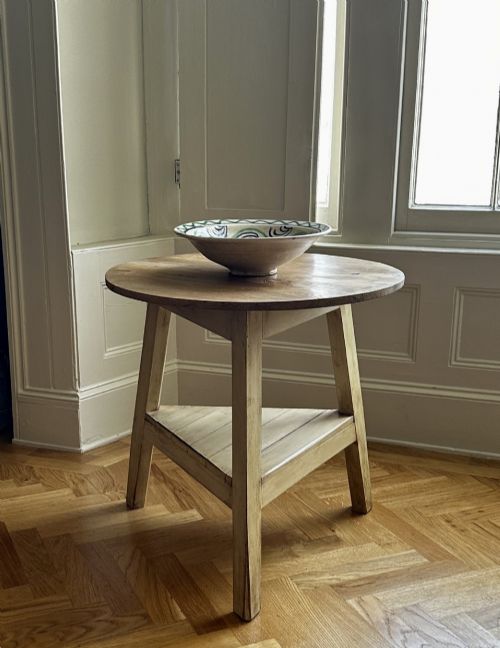
- A small three-legged wooden table dating typically from the seventeenth or eighteenth century, designed with a circular top to stand steady on uneven flagstone floors.
- Vernacular
- Describing objects made by local artisans for everyday use, following traditional regional designs rather than high-style academic rules.
- Tripod table
- A piece supported by three legs meeting at a central pillar or directly beneath the top, common in early country furniture.
- Joint stool
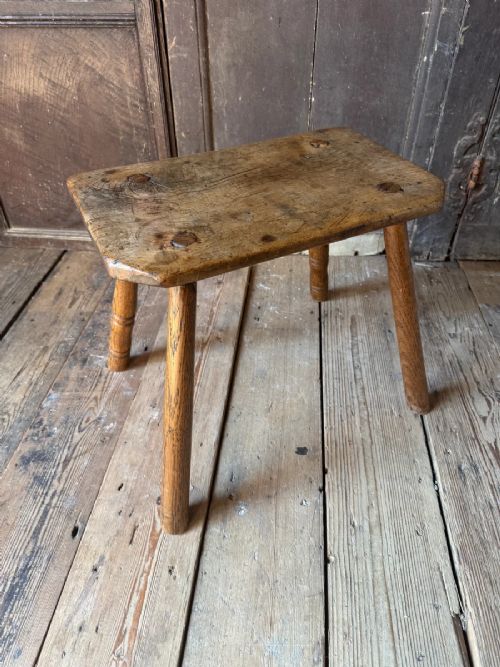
- A sturdy low wooden seat constructed with mortise and tenon joints, often utilised as a side surface or occasional stand.
- Dresser base
- A long low storage unit featuring drawers and cupboards, traditionally used in country kitchens for utensils and food preparation.
Vernacular Side Table: Frequently Asked Questions
What is a cricket table?
A cricket table is a traditional three-legged round table that stands firmly on uneven farmhouse floors.
Its simple construction made it a versatile piece for corners and firesides.
How were these tables used?
They served practical daily purposes in kitchens, dairies, and living quarters as steady surfaces for work or meals.
Their lightweight build allowed people to move them easily around the room as needed.
How do I style a country side table?
Pair the worn timber surface with simple ceramics or everyday objects to maintain an unpretentious aesthetic.
Allow enough space around the three-legged base so the form remains visually distinct.
How can I tell the age of these pieces?
Age is indicated by the type of timber preparation, hand-cut joinery, and the natural patina built up over centuries of use.
Tool marks and structural wear provide clues to whether a piece belongs to the seventeenth, eighteenth, or nineteenth century.