




Vernacular Pine Seating
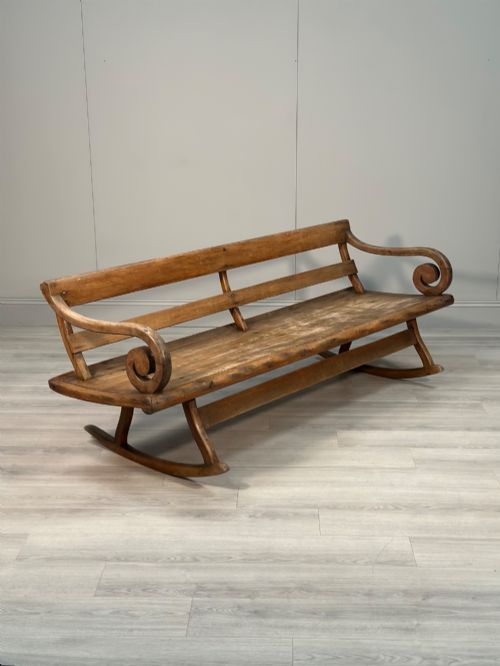
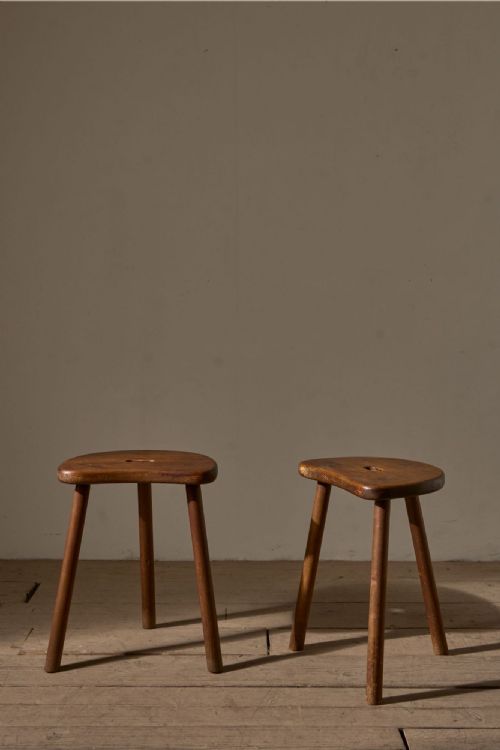
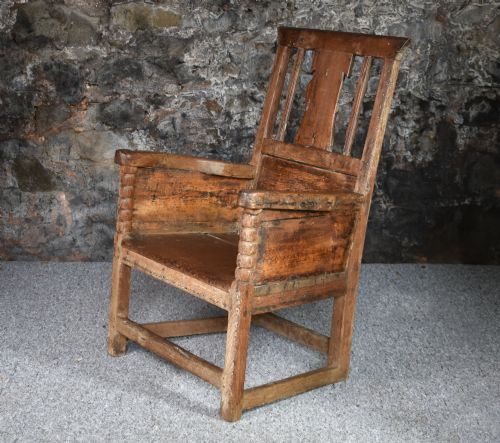
Vernacular pine seating brings honest, unpretentious craft into a room, offering benches, settles and chairs built for daily utility rather than grand drawing rooms.
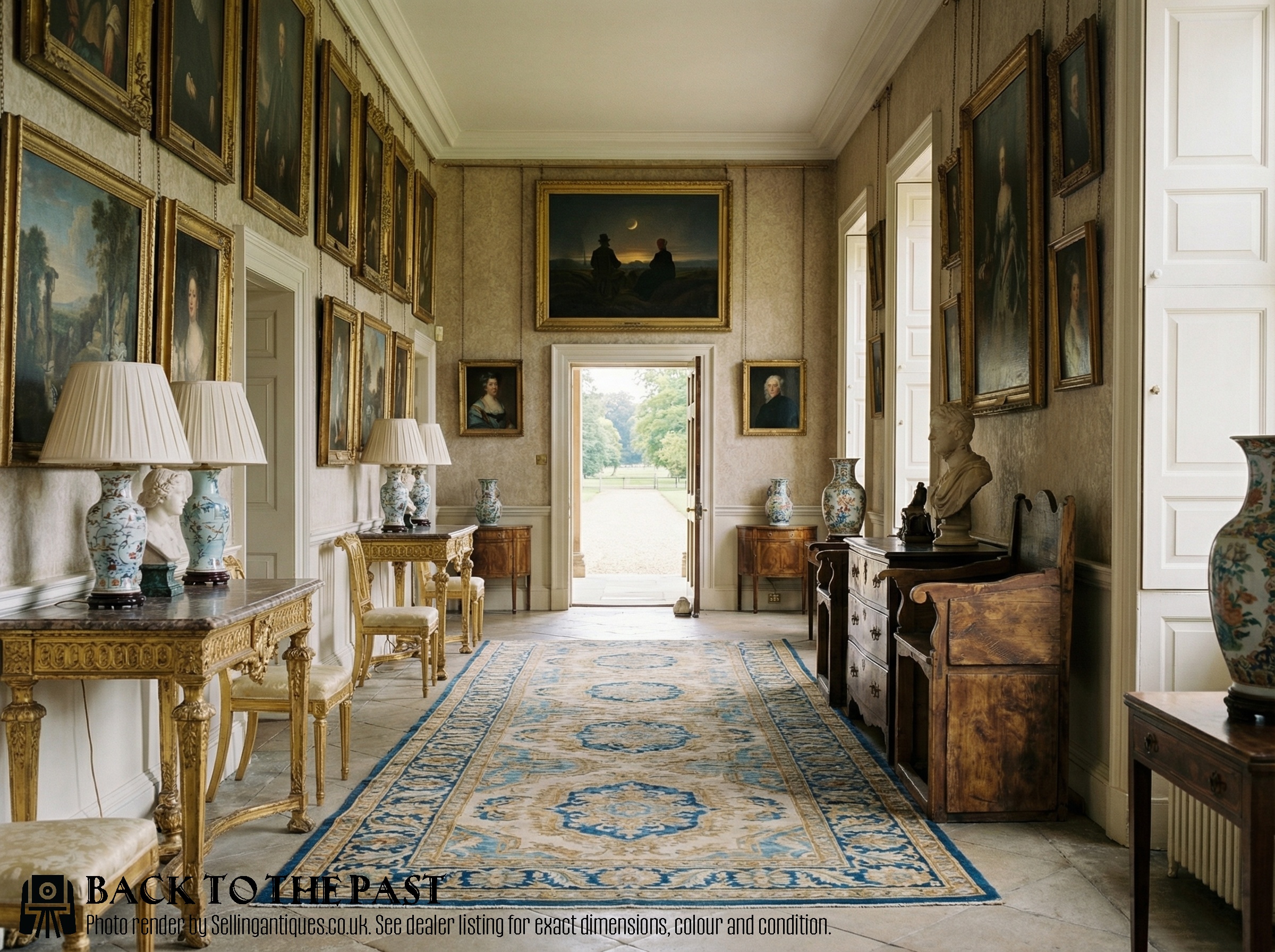
Vernacular Pine Seating
Vernacular pine seating encompasses straightforward timber furniture made for everyday use, ranging from robust benches and settles to individual chairs and stools. These pieces draw on regional traditions from Britain, Scandinavia and France, reflecting the practical needs of rural homes, farmhouses and taverns.
Buyers browsing vernacular pine seating most frequently encounter 19th-century examples, alongside earlier pieces originating from the 18th century and the year 1700. Common forms include benches, armchairs, settles, dining chairs and chair tables constructed from local woods.
Regional variations span Scottish, Welsh, English and French provincial styles, as well as Scandinavian country designs. Such seating relies on honest construction methods that prioritize function, utility and local resourcefulness over courtly ornamentation.
How they were made
Makers constructed vernacular pine seating primarily using solid pine, timber and wood, frequently incorporating secondary woods like oak, elm and ash for structural strength. Iron fixtures occasionally reinforced joints and high-stress areas on hardworking tavern benches and settles.
Construction techniques included dug-out hollowing, comb-back Windsor framing and scratch-built assembly suited to local workshops. Many surfaces received historic coats of paint, preserving the timber while adding character to chairs and benches.
Some chairs were literally hacked out of single logs by candlelight.
What varies in quality
Quality in vernacular pine seating rests on the integrity of the original construction and the survival of authentic surface finishes, such as early paint. Pieces shaped by scratch-building or dug-out techniques demonstrate the maker's direct engagement with the timber.
Proportions and regional character dictate desirability, with well-balanced comb-backs, settles and armchairs standing apart from simpler utilitarian forms. The honest wear of daily use enhances a piece when the underlying timber and joints remain sound.
The Vernacular Pine Seating Glossary
- Settle
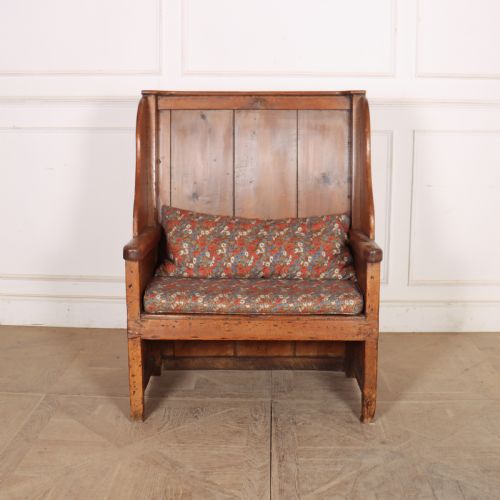
- A wooden bench with high back, solid arms and a enclosed base designed to block drafts in domestic halls and taverns. These pieces served as central gathering seats beside the hearth.
- Comb-back
- A Windsor chair variation where the vertical spindles of the back extend up through a top rail, resembling the teeth of a comb. This construction method offered both flexibility and robust support.
- Dug out
- A seating form carved directly from a single solid log or trunk rather than assembled from separate components. Such primitive construction yields heavy, durable chairs with deeply sculpted seats.
- Vernacular
- Architecture and furniture built by local craftsmen using traditional regional methods and available materials, rather than following academic architectural styles. These objects reflect local utility and culture.
- Lambing chair
- An enclosed high-backed armchair, often fitted with a side pocket or small table attachment, traditionally used by shepherds or nurses near the fire. The hooded design trapped warmth in drafty rooms.
Vernacular Pine Seating: Frequently Asked Questions
What is a settle?
A settle is a high-backed wooden bench featuring solid sides and often a storage compartment beneath the seat. Designed to keep out cold drafts, it provided communal seating around the hearth in farmhouses and taverns.
Over time, these sturdy seats became focal points of rural interiors, valued for their combination of shelter and practical utility.
How do I live with pine seating?
Living with vernacular pine seating involves embracing its robust character and historic patina. These pieces fit naturally into both traditional and contemporary spaces as functional everyday furniture.
Keep them away from direct heat sources to protect the aged timber and historic painted surfaces from drying out or splitting.
What is a comb-back chair?
A comb-back chair is a Windsor-style seat where the spindles of the back extend upward through a horizontal crest rail. This creates a distinct profile resembling an upright comb.
The design provides reliable structural strength through a lightweight framework of turned and bent wood.
Are painted pine pieces original?
Many vernacular pieces retain early or original layers of paint applied to protect the softwood timber. Scratched, worn or layered paint surfaces often record generations of domestic use.
Examining the paint helps distinguish period finishes from later decorative updates.