



Vernacular Pine Furniture
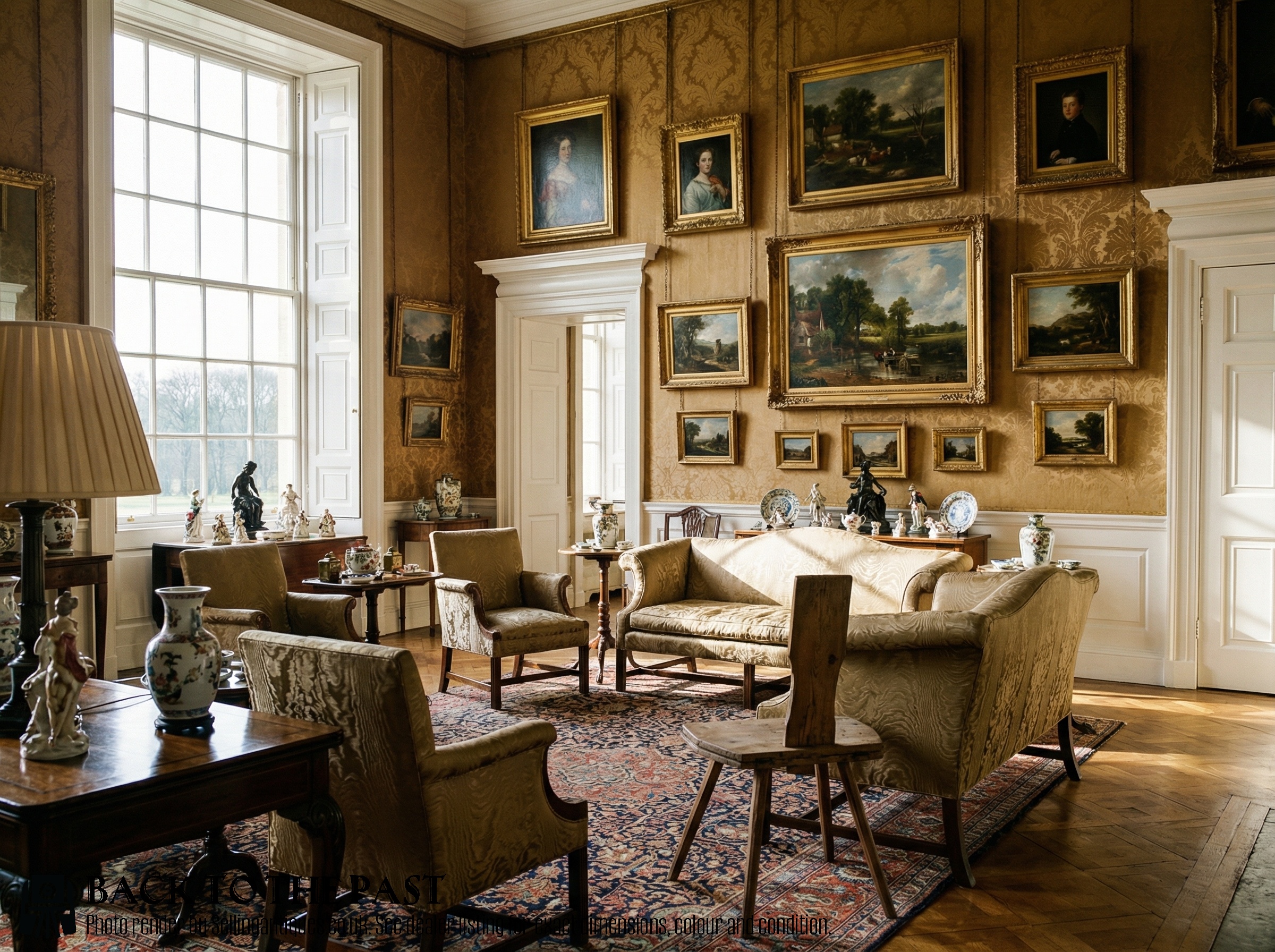
Vernacular pine furniture brings honest regional utility into a room through domestic forms shaped by local tradition.
Vernacular Pine Furniture
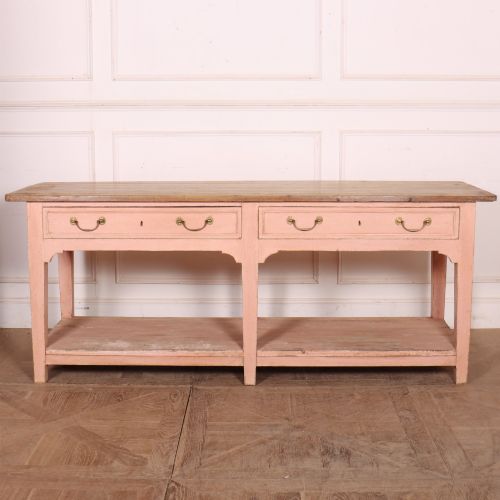
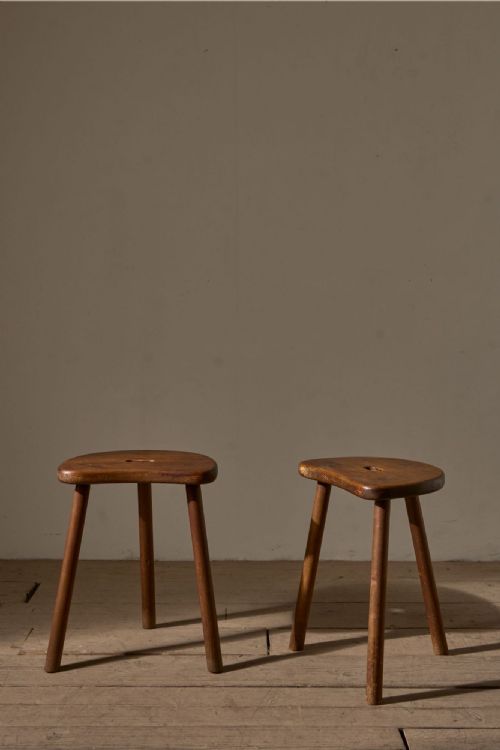
Vernacular pine furniture encompasses utilitarian domestic pieces created outside metropolitan design centres across regions such as Wales, Ireland, Scotland, Scandinavia, and England. These objects range from cricket tables and tavern benches to food cupboards and dresser bases intended for daily household work.
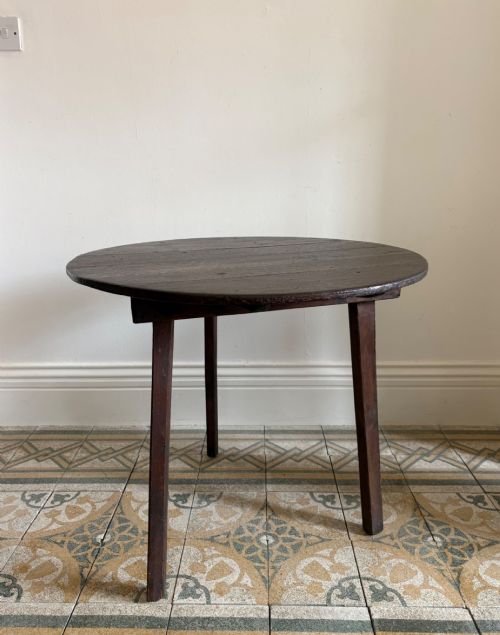
The pieces appearing on this page span from the early 18th century through the 19th century, drawing on Georgian and regional rustic traditions. Forms like the Welsh cricket table or the Swedish dug out chair reflect specific local needs and domestic routines.
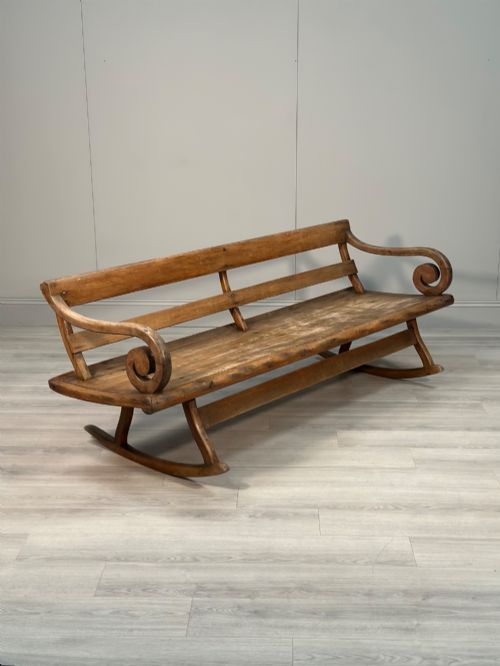
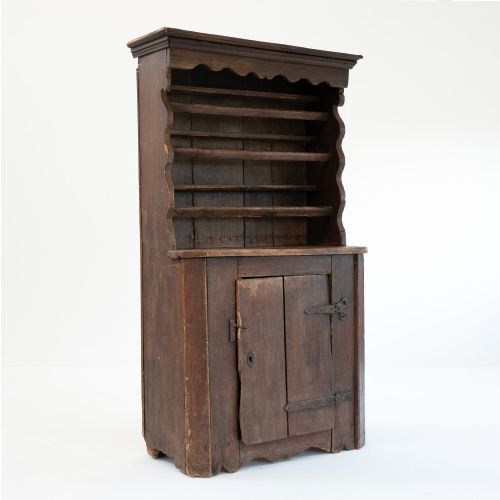
Domestic storage and seating dominate the selection, including hanging cupboards, panelled chests, cradles, and settles. These functional items reveal how rural households lived, worked, and stored provisions using accessible local timber.
Materials and construction methods
Makers utilised pine as the primary timber, occasionally combining it with oak for plank tops or incorporating wrought iron, brass, and metal hardware for hinges and structural support. This straightforward material choice met practical demands without unnecessary ornamentation.
Surface treatments play a vital role in construction history, with surviving pieces displaying original paint schemes, Falu paint, or scraped finishes. These coatings protect the softer wood while recording the decorative preferences of regional households over centuries.
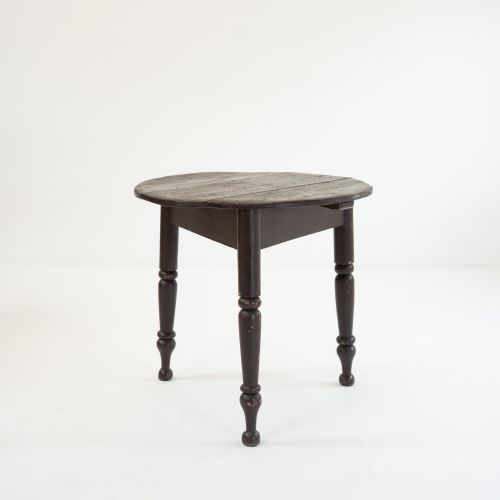
Joinery techniques range from scratch-built frames and dug-out hollowing to bobbin-turned legs and panelled assembly. Artisans relied on robust, direct methods suited to everyday domestic wear.
Common forms include cricket tables, food cupboards, and settles originating from British, Irish, and Scandinavian country workshops.
Assessing quality in country pieces
Quality rests in the survival of original surfaces and uncompromised structural integrity rather than refined polish or court furniture symmetry. Pieces retaining their early paint layers and honest patination stand apart from stripped or heavily restored examples.
Proportion and regional character dictate the standing of individual items, where authentic local forms display balanced proportions suited to their original function. Awkward alterations or mismatched replacement elements diminish the integrity of the design.
The Vernacular Pine Furniture Glossary
- Cricket table
- A small, light three-legged table traditionally used in domestic settings. The three legs ensure stability on uneven farmhouse floors.
- Settle
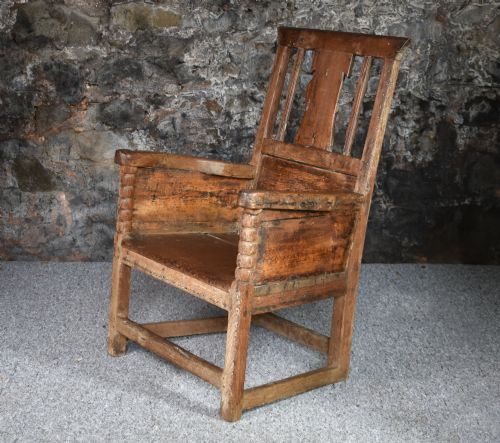
- A high-backed wooden bench with solid arms and a closed base to block draughts. It often incorporates a hinged seat revealing storage underneath.
- Welsh vernacular
- A distinct regional style of furniture making characterised by practical forms and sturdy construction originating in Wales. These pieces utilise local pine and oak.
- Falu red
- A deep red paint derived from copper mine waste in Sweden used extensively on timber buildings and furniture. It provides durable protection against harsh weather.
- Dug out chair
- A seating form carved or hollowed directly from a single solid log of timber. This primitive technique creates a heavy, durable chair.
Vernacular Pine Furniture: Frequently Asked Questions
What is vernacular pine furniture?
Vernacular pine furniture consists of practical domestic items made by local rural craftspeople rather than urban workshops. These pieces include tables, benches, cupboards, and chairs designed for everyday use.
They reflect the traditions and resourcefulness of specific regions across Britain and Scandinavia during the 18th and 19th centuries.
How do I care for antique pine?
Protect antique pine from direct sunlight and sudden temperature changes to prevent the timber from warping or splitting. Dust gently with a dry cloth and avoid harsh chemical polishes.
Original painted surfaces require particular care to preserve the remaining pigment and historic patination.
How do I identify regional styles?
Regional styles appear through distinctive construction methods, local timber combinations, and specific forms like Welsh cricket tables or Scottish dresser bases. Each area adapted standard domestic furniture to suit local building traditions and available tools.
Examining the underlying structure and design details helps connect a piece to its geographic origin.
Did these pieces have original paint?
Many functional items received layers of paint for protection or decoration shortly after construction. Surviving original paint finishes provide vital evidence about the history and use of the object.
Collectors prize pieces that retain their early or original painted surfaces without later overpainting.