
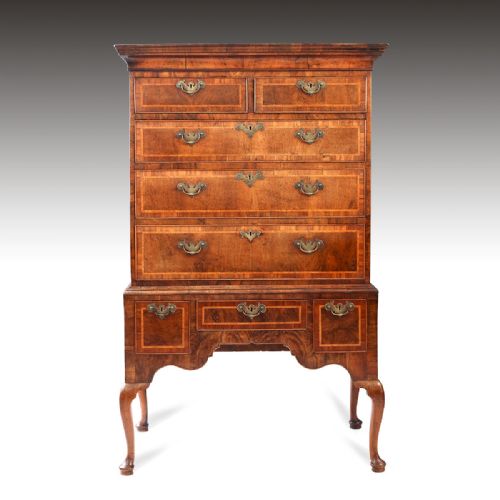
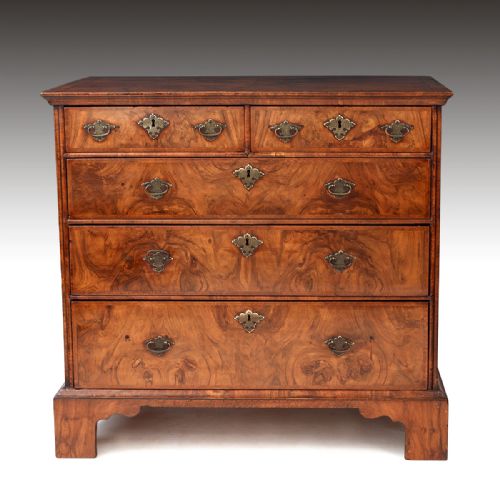
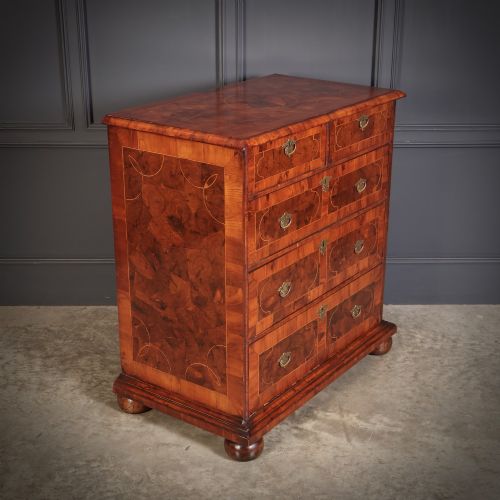
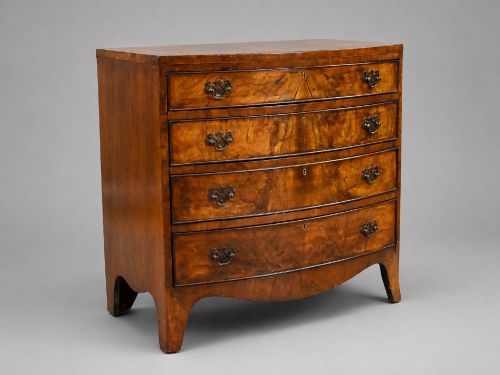
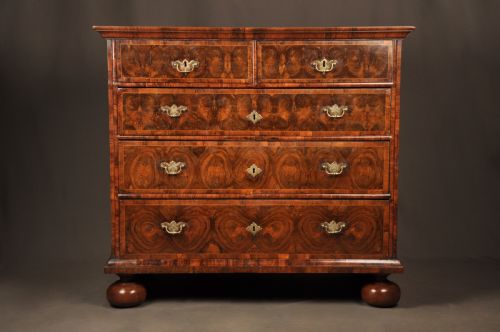


Veneered Walnut Tallboy
A veneered walnut tallboy brings warmth and remarkable grain movement to a room, offering tall storage rooted in centuries of cabinet-making.
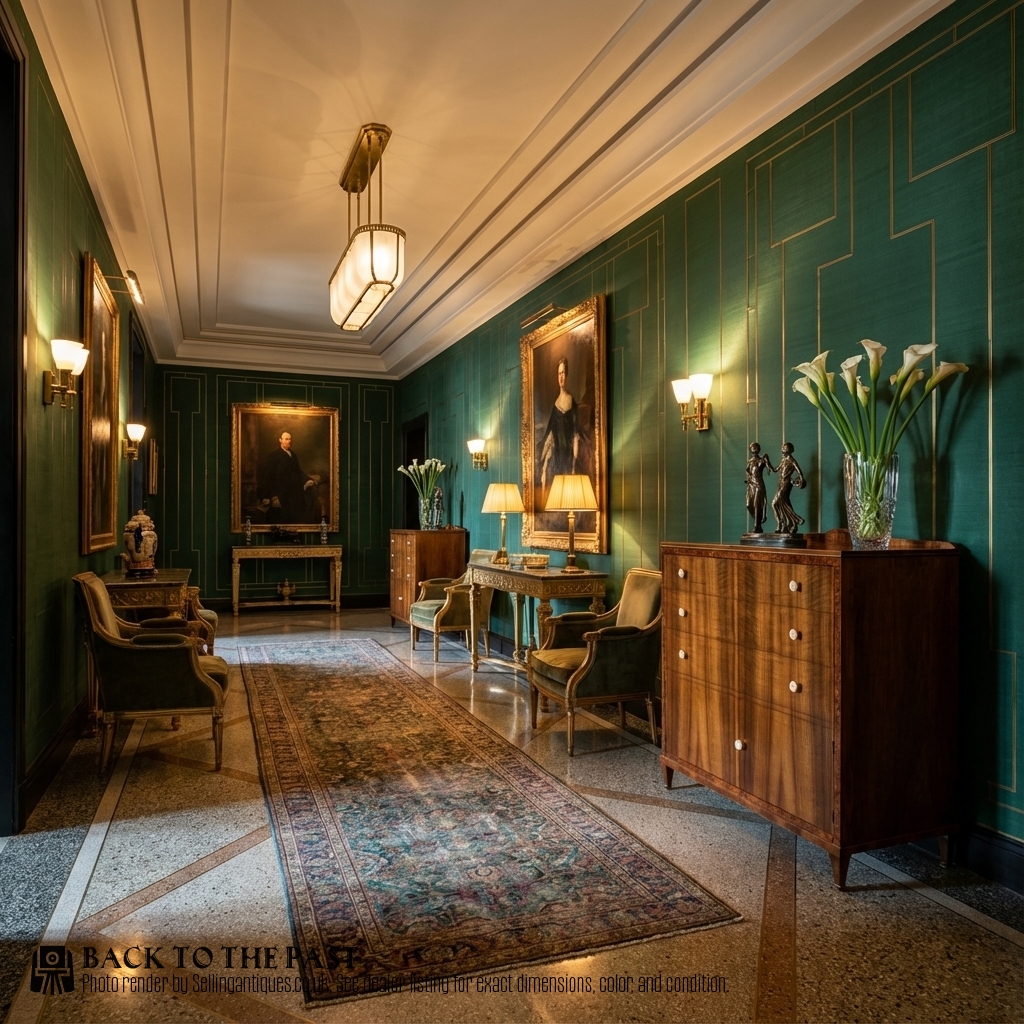
Veneered Walnut Tallboy
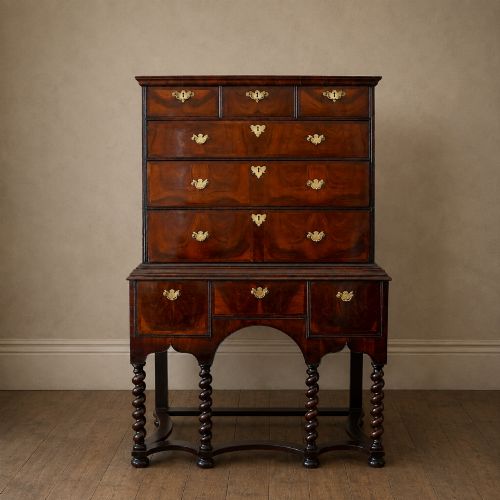
A veneered walnut tallboy combines vertical storage with the decorative potential of figured timbers. When searching for this form, a buyer encounters pieces ranging from early tall chests on stands to twentieth-century interpretations.
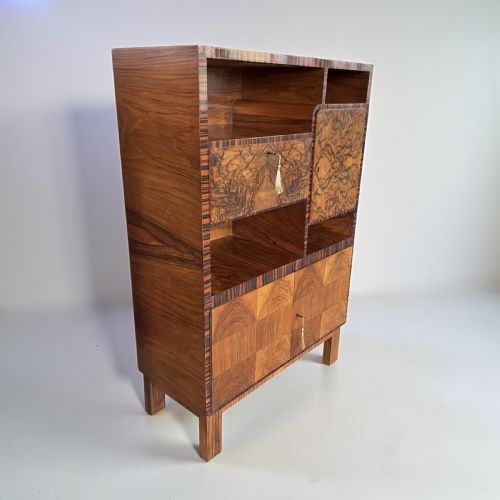
The pieces appearing here span seventeenth-century origins through to Art Deco and mid-century examples. Alongside traditional tallboys and chests on stands, the selection includes related forms like chests of drawers and bedside tables.
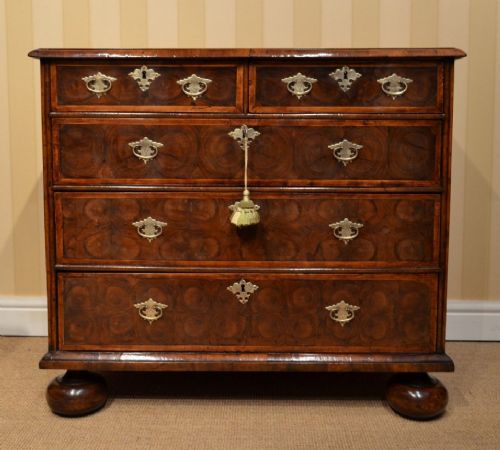
Early periods supply seventeenth-century and Georgian examples utilising intricate oyster veneer and burr surfaces. Later eras contribute twentieth-century cabinet work and nineteenth-century interpretations of earlier styles.
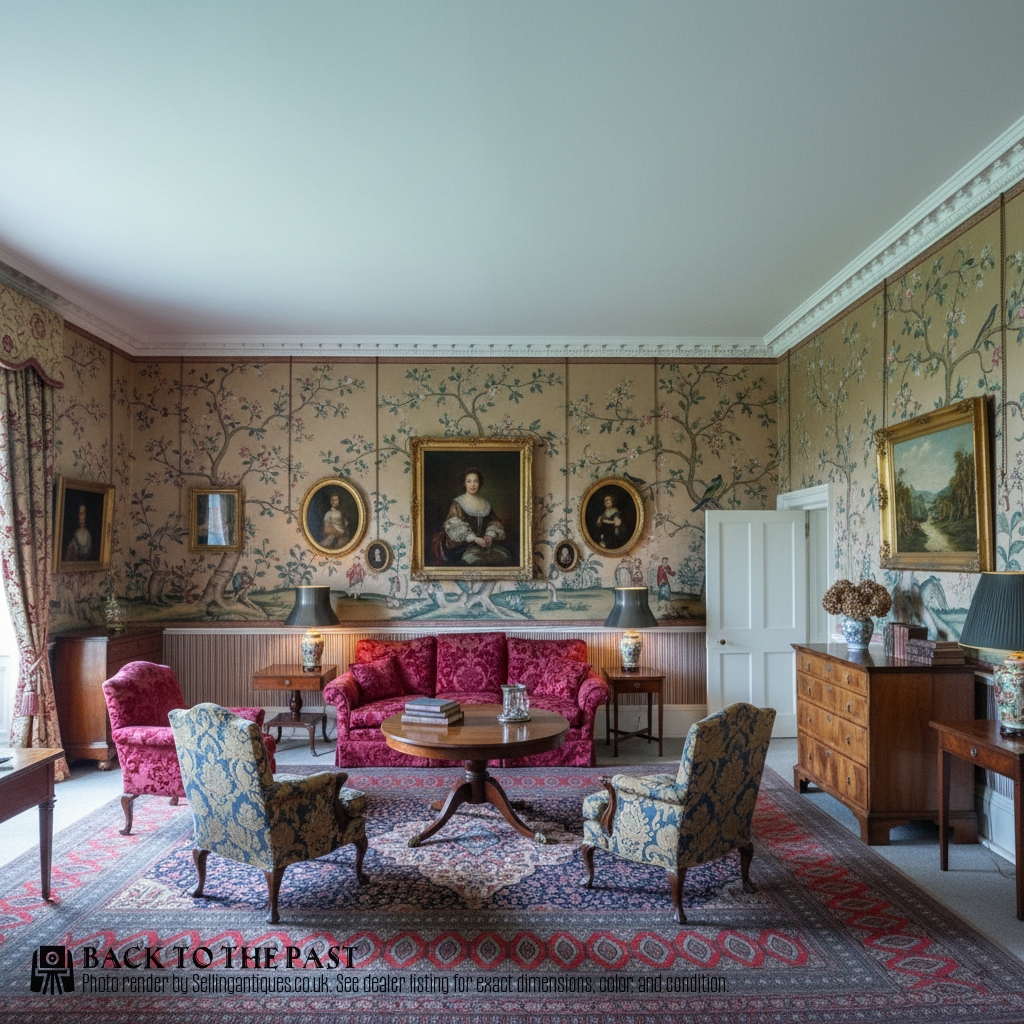
How they were made
Cabinet-makers laid thin slices of walnut, burr walnut, or olive wood onto firmer secondary timbers such as oak. This technique allowed workshops to display dramatic grain patterns across large drawer fronts and top surfaces without splitting solid planks.
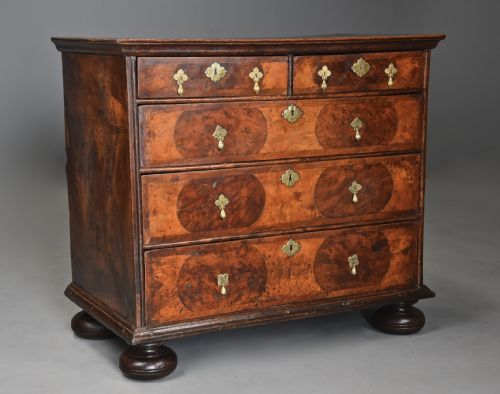
Craftsmen enhanced these wooden surfaces with contrasting stringing lines in boxwood and fitted brass drop handles and escutcheons. Oyster veneering required slicing small branch wood transversely to create circular patterns across the carcass.
Listings feature walnut, oak, and yew wood combined with boxwood stringing and brass hardware across multiple centuries.
What varies in quality
Quality rests principally in the selection and matching of the wood veneer. Pieces displaying symmetrical bookmatching or rich burr figures stand apart from simpler surfaces.
The integration of original brass hardware and the crispness of edge mouldings distinguish finer examples. Construction details like dovetailing on drawer linings indicate the care taken in the workshop.
The Veneered Walnut Tallboy Glossary
- Veneer
- A thin layer of fine wood applied to a coarser timber base to provide a decorative surface. This method maximised precious timber supplies.
- Oyster veneer
- Circular pieces of branch wood sliced across the grain and arranged closely together. The resulting pattern resembles scattered oyster shells.
- Tallboy
- A tall chest of drawers, often constructed in two sections with one chest stacked upon another. It maximises storage while occupying a modest floor footprint.
- Chest on stand
- An elevated cabinet format where a set of drawers rests upon a separate support frame with legs. This form frequently dates from the seventeenth and early eighteenth centuries.
- Burr walnut
- A prized timber growth featuring swirling, knotted grain patterns. It is sliced into veneers to create highly decorative furniture facades.
Veneered Walnut Tallboy: Frequently Asked Questions
What is a veneered walnut tallboy?
A veneered walnut tallboy is a tall storage unit featuring decorative wood veneers applied over a solid carcass. These pieces provide generous drawer space while showcasing intricate grain patterns.
The form has evolved across different centuries, moving from seventeenth-century chests on stands to twentieth-century bedroom cabinets and tall chests.
How do I date a walnut tallboy?
Dating relies on examining construction methods, hardware styles, and the specific type of veneering used. Earlier pieces often display oyster patterns and candle slides, while later examples show shifts toward Art Deco lines.
Secondary woods visible inside drawers and the thickness of the timber provide further clues to the period of manufacture.
How should I care for walnut veneer?
Protect veneered walnut furniture by keeping it away from direct sunlight and strong heat sources. Stable indoor humidity prevents the timber from drying and the veneer from lifting.
Gentle dusting with a dry cloth maintains the surface. Avoid using harsh chemical polishes that can damage historic finishes.
Where does oyster veneer come from?
Oyster veneer is produced by cross-cutting small branches of walnut, olive, or fruitwood. The resulting circular slices are arranged side by side to form decorative repeating patterns.
This technique was particularly popular during the late seventeenth century on cabinets and chests of drawers.