



Vanity Mirror Tray
A vanity mirror tray is a dressing table essential that brings polished reflection and structure to personal displays.
Vanity Mirror Tray
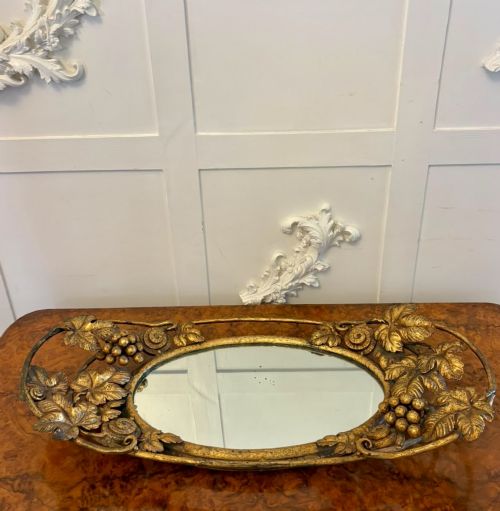
A vanity mirror tray combines a reflective surface with a raised border, serving as an organised base for perfumes, bottles and dressing table accessories. When searching for this phrase, you encounter pieces designed to catch the light and protect surfaces while holding small personal items.
How they were made
Makers utilised glass and mirror plate set within frames of silver plate, gilt metal, chrome, or walnut veneer. These materials were combined to create sturdy bases capable of supporting glassware and bottles without warping.
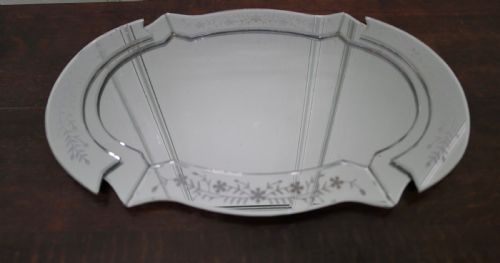
Surface decoration frequently involved cutting, etching, or bevelling the glass, alongside the addition of metal handles in copper or plated finishes. The structure relied on secure backing boards and tightly fitted perimeter galleries to hold the glass firmly in place.
Some trays double as impromptu stages for miniature perfume collections, treating everyday scents like museum exhibits.
What varies in quality
The distinction between standard examples and superior pieces rests on the crispness of the glass cutting, the depth of the metal plating, and the integrity of the joins. High-quality trays display clean bevelling on the mirror plate and securely mounted handles that show no wobble.
Subtleties in framing, such as detailed etching on Venetian glass or well-figured walnut veneer, separate ordinary utility pieces from those designed with greater decorative ambition.
The Vanity Mirror Tray Glossary
- Mirror plate
- A flat piece of glass coated with a reflective metal backing. This forms the primary base surface of the tray.
- Silver plate
- A thin layer of silver applied to a base metal such as copper or brass. This finish provides a bright, reflective border.
- Walnut veneer
- A thin slice of walnut wood glued over a secondary wood core. It offers a rich grain pattern along the tray surround.
- Venetian
- A style originating from Italy characterised by decorative cut glass and floral or scroll etching. These trays often feature elaborate glass frames.
Vanity Mirror Tray: Frequently Asked Questions
What is a vanity mirror tray used for?
These trays serve as decorative bases for holding perfume bottles, dressing table accessories, or drinksware. They keep small items organised while adding reflective brightness to a surface.
Historically, they also functioned as serving trays for wine and cocktails, protecting polished wood furniture from spills.
How do I clean a antique mirror tray?
Cleaning requires a soft, dry microfibre cloth to remove dust from the glass and metal surfaces without causing abrasion. Avoid harsh chemical cleaners that can damage vintage silver plate or lift the mirror backing.
Take care around the edges where the mirror meets the frame to prevent moisture seeping underneath the glass.
How do I date a mirror tray?
Dating relies on observing the materials, styling cues, and construction methods characteristic of specific decades. Edwardian pieces often feature gilt metal and traditional floral motifs, whereas Art Deco examples display geometric shapes, chrome, and stepped edges.
The condition of the mirror backing and the type of screws or fixings used on the reverse also offer clues to the period of manufacture.
Are these trays sturdy enough for daily use?
Most pieces are built with robust metal frames or wooden bases designed to support the weight of bottles and glasses. However, older mirrored glass requires careful handling to prevent scratching or chipping the bevelled edges.
Placing felt pads on the underside helps protect both the furniture surface and the tray itself during everyday placement.