
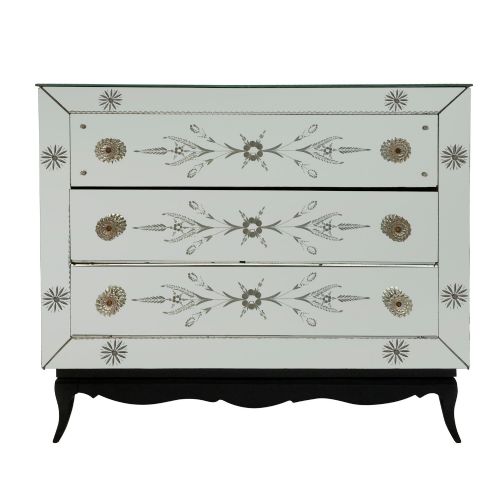
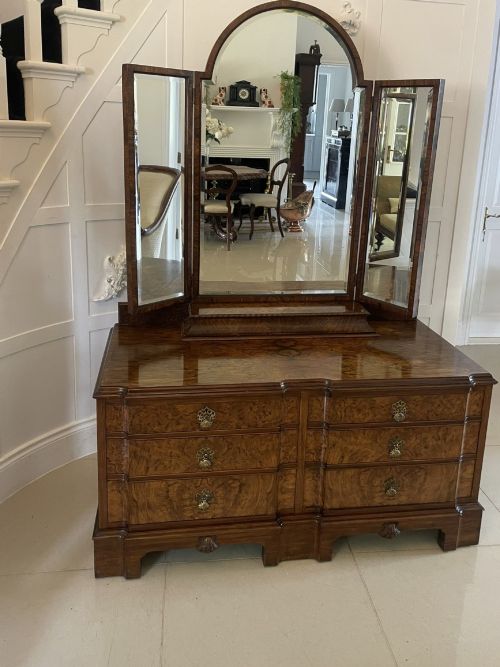
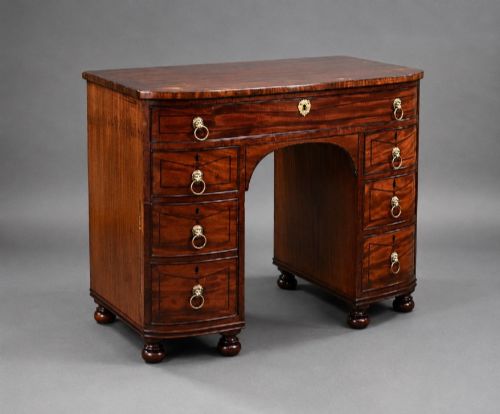
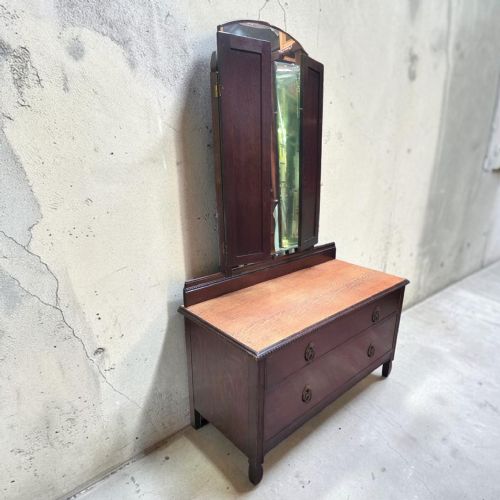



Vanity Chest of Drawers
A vanity chest of drawers combines storage and grooming space, taking the form of dressing chests, washstands, and tables in periods from the Georgian era to Art Deco.
Vanity Chest of Drawers
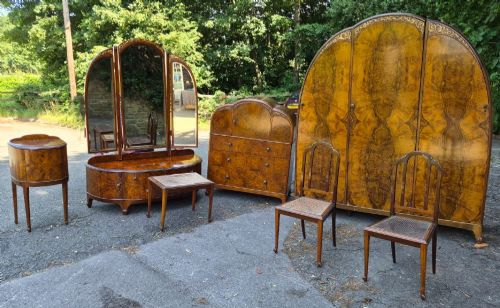
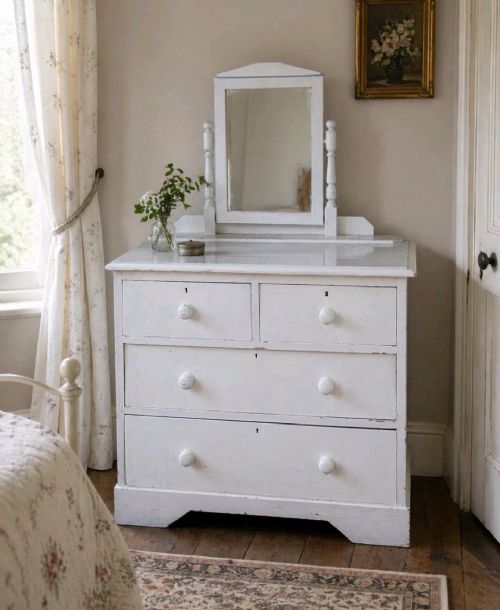
When you search for a vanity chest of drawers, you encounter pieces designed for the bedroom that merge the storage capacity of a chest with the grooming function of a dressing table. The selection spans utilitarian pine and painted pieces alongside formal mahogany, walnut, and burr walnut iterations.
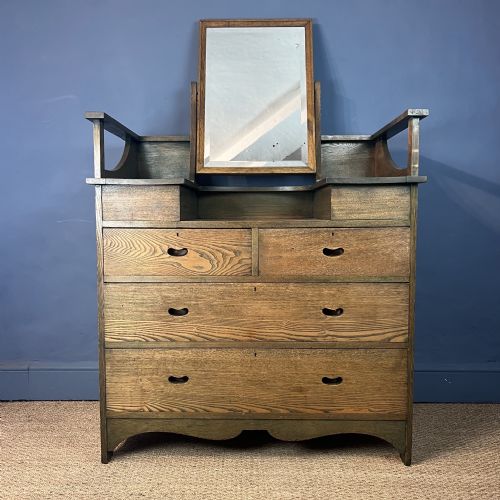
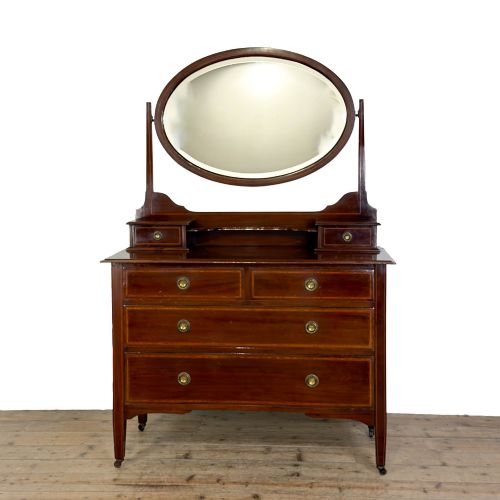
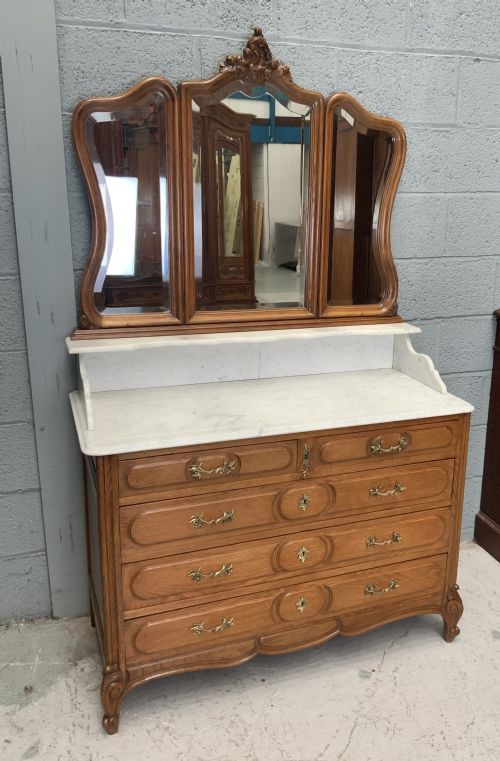
You will frequently meet Edwardian and Victorian examples on this page, often fitted with swing mirrors, triple mirrors, or marble tops. Forms range from compact bow-front chests to substantial Arts and Crafts oak designs and French marble-topped washstands.
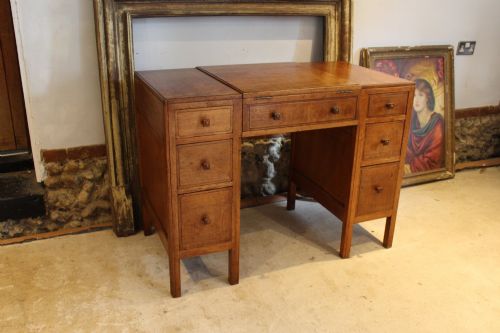
The category also encompasses specialised bedroom furniture such as gentleman's dressing chests, lowboys, and dressing tables with integrated drawer space. These items reflect changing domestic routines of the nineteenth and early twentieth centuries.
How they were made
Cabinetmakers constructed these pieces using solid timbers like mahogany, oak, walnut, and pine, frequently applying decorative veneers of burr walnut or satinbirch to prominent surfaces. Joinery techniques included dovetailing for drawer construction and pegged framing for carcases.
Surface treatments varied from polished French polish and clear wax to scumble glazing, green staining, and black lacquer. Marble tops in white or rouge varieties provided durable, water-resistant surfaces for washstands, paired often with brass hardware and bevelled glass mirrors.
Listings for vanity chest of drawers span the Victorian, Edwardian, and Art Deco eras, utilising materials from humble pine to luxurious burr walnut.
What varies in quality
The standard of a vanity chest of drawers rests on the selection of timber and the precision of the cabinetmaker's joinery. Superior examples demonstrate figured veneers matched across drawer fronts, solid secondary woods, and robust structural framing that withstands daily use.
Refinement in carving, the presence of original brass handles, and the quality of the glass within the attached mirror distinguish the upper tier of pieces. Modest utility pieces in painted pine rely on simpler construction methods and utilitarian iron or wooden pull handles.
Frank Taylor & Co.·George Walton·Heal & Sons·Shapland and Petter·Wright & Hunter of Belfast·Harris Lebus·B Cohen & Sons
The Vanity Chest of Drawers Glossary
- Dressing chest
- A low chest of drawers fitted with an attached mirror, designed for bedroom grooming. It provides drawer storage beneath a surface intended for toiletries.
- Washstand
- A bedroom piece, frequently topped with marble, designed to hold a basin and jug for morning ablutions. Many surviving examples feature tiled splashbacks or enclosed cupboard storage.
- Lowboy
- A small eighteenth-century dressing table with one or more rows of drawers supported on four tall legs. They served as compact writing desks or dressing surfaces.
- Scumble glaze
- A decorative paint technique applied over a lighter base coat to imitate the grain of more expensive hardwoods. It was common on utilitarian Victorian and Edwardian pine furniture.
- Chinoiserie
- A decorative style reflecting European interpretations of Chinese art and design, often seen on lacquerwork and painted bedroom suites. It utilises motifs of figures, landscapes, and floral patterns.
Vanity Chest of Drawers: Frequently Asked Questions
What is a vanity chest of drawers?
A vanity chest of drawers is a piece of bedroom furniture that combines drawer storage with a surface and mirror for grooming. These items evolved from Georgian dressing tables into the elaborate dressing chests of the Victorian and Edwardian periods.
They bridge the gap between a standard chest of drawers and a dressing table, often incorporating jewellery compartments, trinket drawers, and adjustable mirrors.
How were washstands used in bedrooms?
Before plumbed indoor bathrooms became standard in homes, washstands were placed in bedrooms to hold water basins, ewers, and washing accessories. The marble tops protected the wooden structure from water splashes during morning routines.
Lower shelves or enclosed cupboards within the washstand held slop pails and spare basins, keeping the bedroom tidy and functional.
How do I date an Edwardian dressing chest?
Edwardian dressing chests, dating roughly from 1901 to 1910, often feature lighter timbers such as mahogany or satin walnut, sometimes with inlaid banding. The mirrors on these pieces are frequently supported by slender upright arms attached directly to the top drawers or the back of the carcase.
Stylistic influences from the Arts and Crafts movement or Sheraton revival appear frequently in this era, distinguishing them from heavier mid-Victorian designs.
Can I use an antique dressing chest in a modern bedroom?
An antique dressing chest functions well as a focal point in a contemporary bedroom, offering practical surface space and deep drawer storage. The attached mirrors can remain in place to reflect light around the room or be removed if preferred.
Their varied woods, from warm oak to figured burr walnut, pair easily with modern interior schemes while providing historical character.