




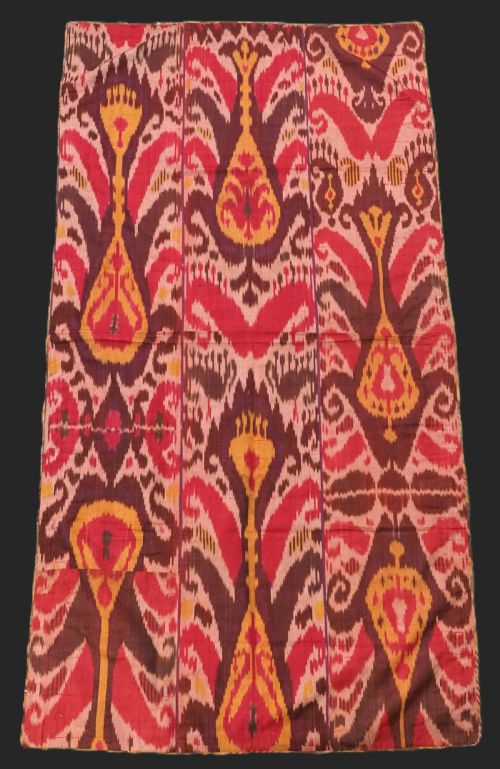
Uzbek Textile Panels
Uzbek textile panels bring rich Central Asian tradition into modern rooms through vivid silk embroidery and ikat weave.
Uzbek Textile Panels
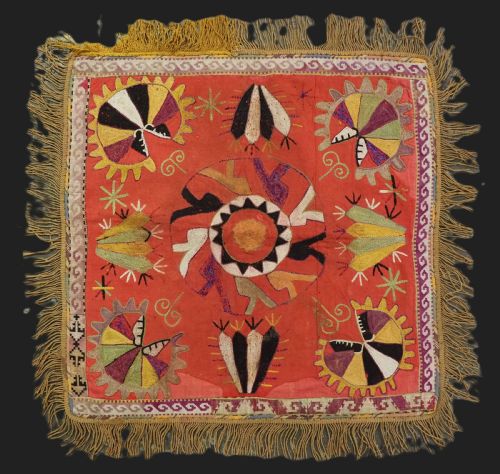
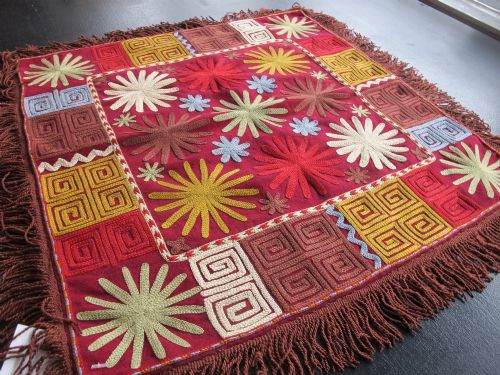
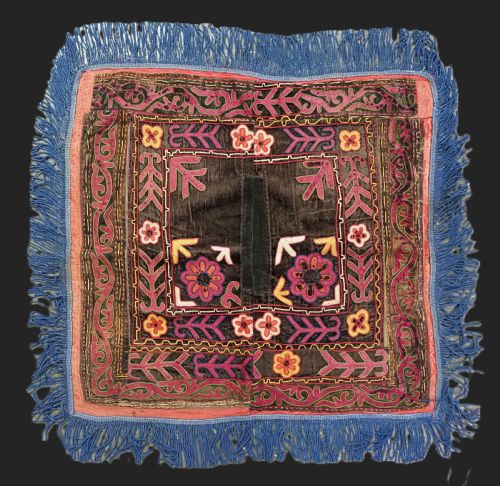
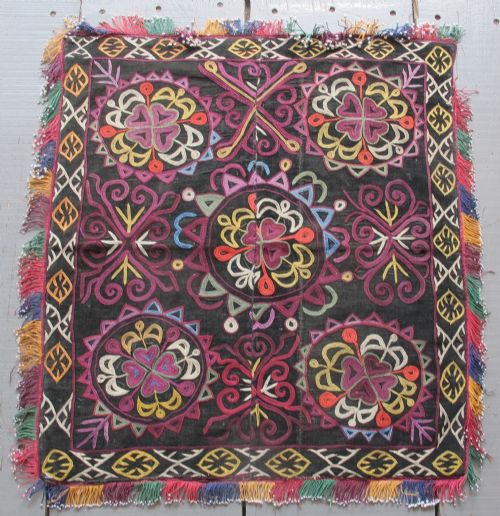
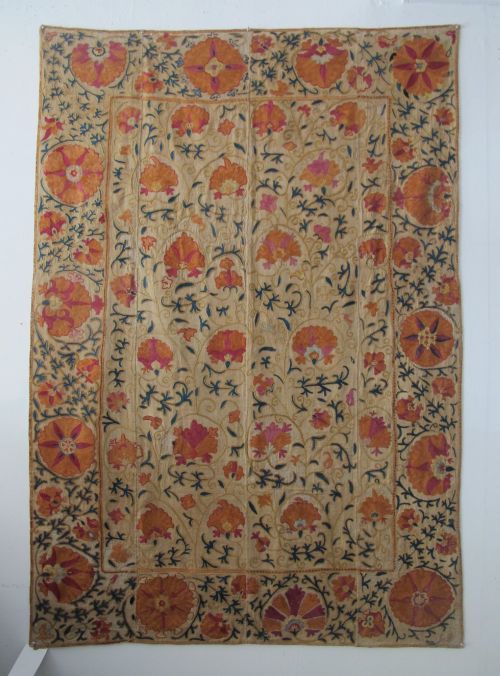
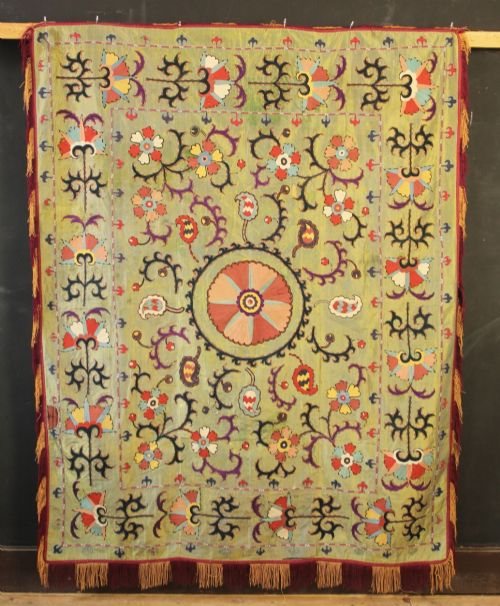
Uzbek textile panels encompass traditional wall hangings, dowry embroideries, and ceremonial covers originating from Central Asia. Pieces collected under this search phrase span from the mid-nineteenth century through the early twentieth century, reflecting the rich heritage of regions such as Bukhara, Tashkent, and Samarkand.
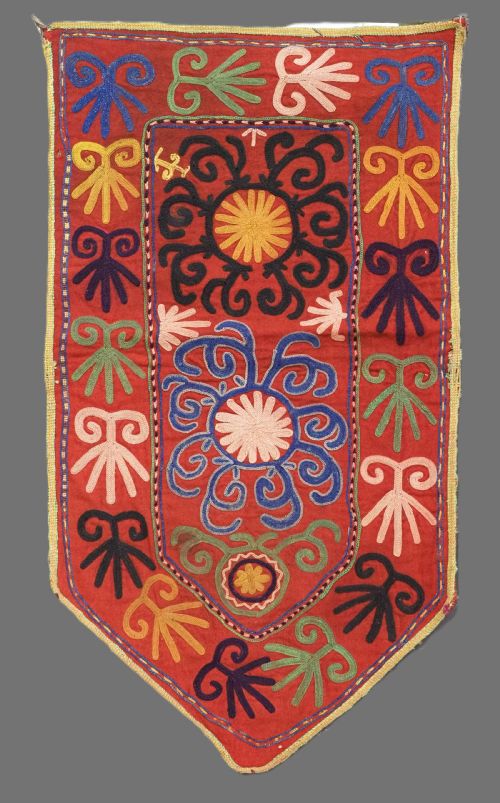
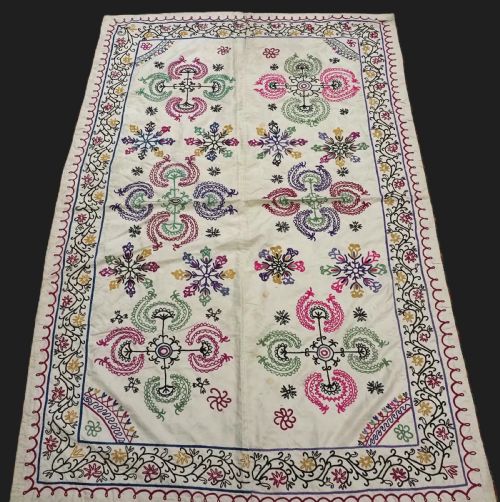
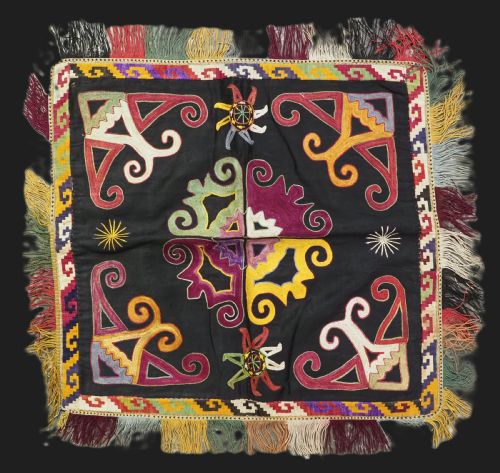
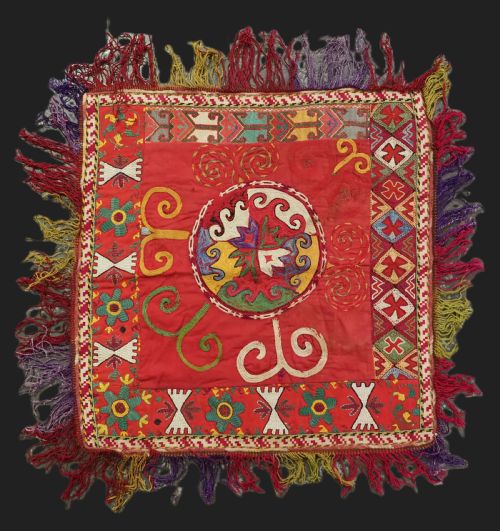
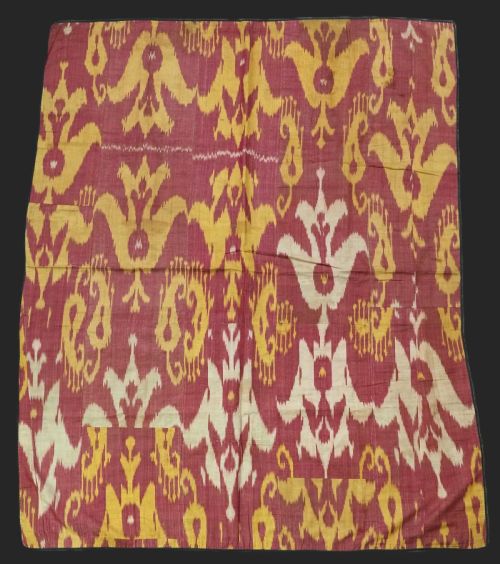
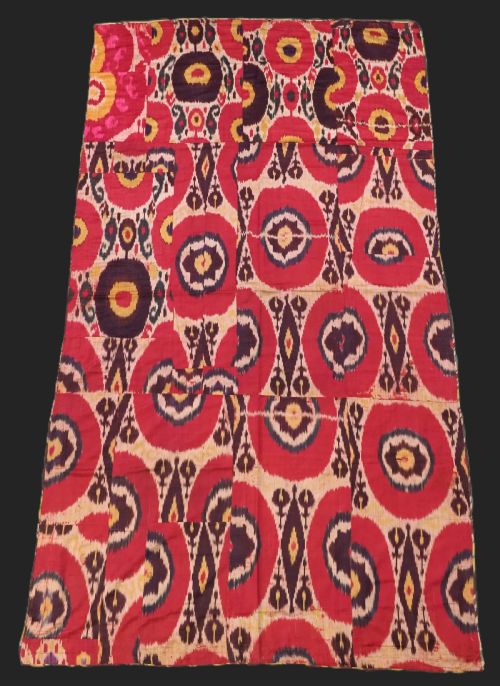
Buyers will most frequently encounter suzanis and ilgich embroideries, alongside woven ikat fabric panels and kilim fragments. These works functioned as dowry items, saddle covers, mirror hangings, and household decorations created by specific tribal groups including the Lakai and Tajik peoples.
How They Were Made
Artisans constructed these textiles using foundational grounds of cotton, wool, or adras, which is a traditional semi-silk fabric combining silk and cotton threads. Silk thread forms the primary embroidery medium, applied densely across the fabric to build intricate floral, architectural, and geometric motifs.
Certain panels incorporate embellishments such as glass beads or velvet sections to add texture and depth to the design. Weaving techniques also include banded weft work and multi-strip construction seen in regional kilim panels.
Uzbek Textile Panels Retail Price Guide 2026
Typical asking prices for uzbek textile panels among the pieces listed under this phrase on Sellingantiques today, from the lower quarter to the upper quarter. They describe what is for sale here now, not the wider market.
Lakai embroiderers sometimes stitched miniature protective amulets directly into the edges of dowry hangings to ward off bad luck.
What Varies in Quality
The visual impact of an Uzbek textile panel depends heavily on the density of the embroidery and the complexity of the regional design, such as fully embroidered Tashkent palak suzanis versus simpler small-scale pieces. Mastery of needlework and the balance of composition separate standard domestic items from exceptional ceremonial works.
Material preservation and the vibrancy of the original silk threads heavily influence the desirability of a piece. Tonal depth and the survival of natural grounds without excessive restoration determine the standing of individual panels.
The Uzbek Textile Panels Glossary
- Suzani
- An embroidered textile panel originating from Central Asia, traditionally worked in silk on a cotton or linen ground. These large decorative hangings often feature bold floral and medallion motifs.
- Ilgich
- A specific type of embroidery produced by the Lakai tribe, frequently used as a dowry wall hanging. These pieces display energetic geometric designs and distinctive tribal iconography.
- Adras
- A traditional Central Asian semi-silk fabric woven with a silk warp and a cotton weft. It serves as a sturdy yet lustrous ground for ikat patterns and panel construction.
- Nim Suzani
- A half-sized or smaller version of the traditional suzanis used for specific domestic spaces. These compact panels retain the intricate embroidery styles of their larger counterparts.
- Palak
- A fully embroidered suzani type from Tashkent dominated by a central star motif and dense background filling. This grand style covers nearly the entire foundation fabric in silk.
Uzbek Textile Panels: Frequently Asked Questions
What is an uzbek textile panel?
An uzbek textile panel is a traditional Central Asian wall hanging or furnishing created through skilled silk embroidery or ikat weaving. These pieces served cultural roles in homes and dowries across regions like Bukhara and Samarkand.
They reflect the artistic heritage of distinct groups including the Lakai and Tajik communities, utilising natural grounds of cotton, wool, and adras.
How were suzanis used in traditional homes?
Suzanis functioned primarily as decorative wall hangings, ceremonial covers, and essential parts of a bride's dowry. Families displayed them during significant life events and daily domestic life.
Smaller variants like mirror covers and saddle bags served specific functional and decorative purposes within nomadic and settled households.
What is the difference between a suzani and an ikat panel?
A suzani is defined by hand embroidery applied over a woven ground fabric, creating raised textures through dense silk stitching. These often feature floral, architectural, or medallion designs.
An ikat panel achieves its pattern through resist-dyeing threads before the weaving process itself begins, resulting in a distinctive blurred pattern along the colour boundaries of the fabric.
How should I care for an antique textile panel?
Antique textile panels require protection from direct sunlight to prevent the fading of silk threads and natural dye grounds. Gentle mounting away from moisture ensures the integrity of older cotton and wool foundations.
Professional textile conservation methods should be consulted for cleaning or long-term preservation to protect fragile historic stitching.