




Uzbek Suzani Panel
An uzbek suzani panel brings the vibrant textile traditions of Central Asia into a modern interior through intricate needlework.
Uzbek Suzani Panel
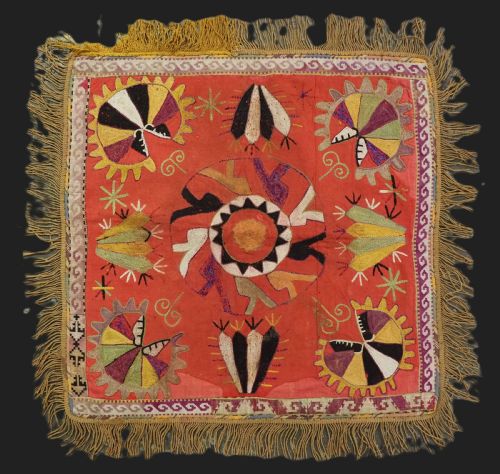
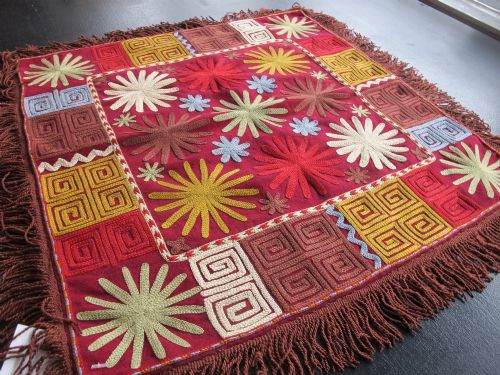
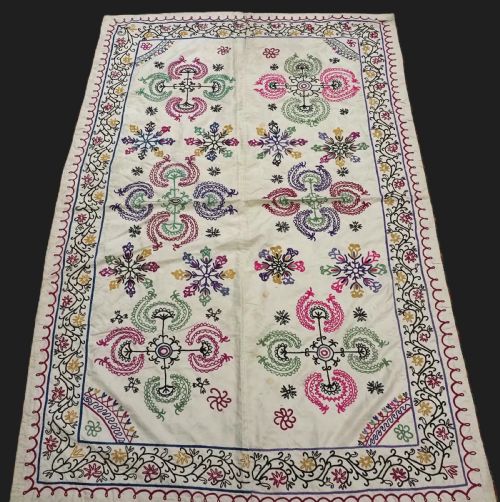
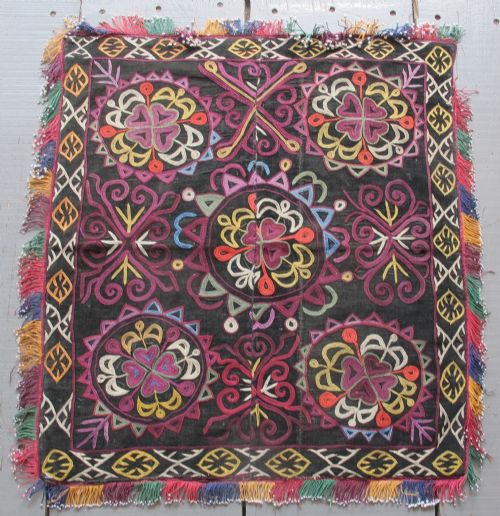
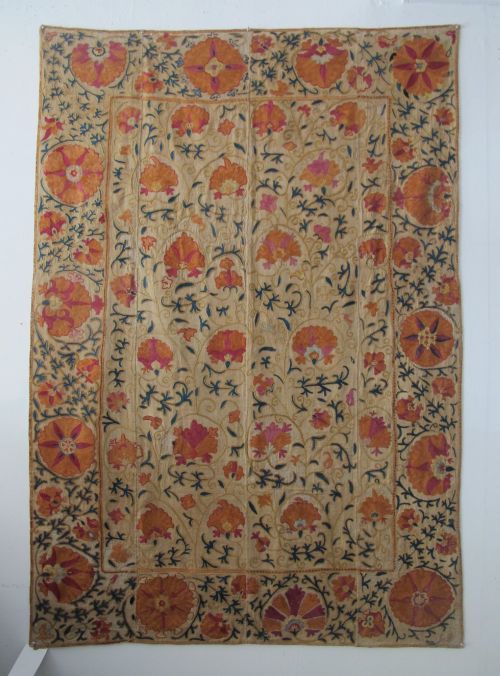
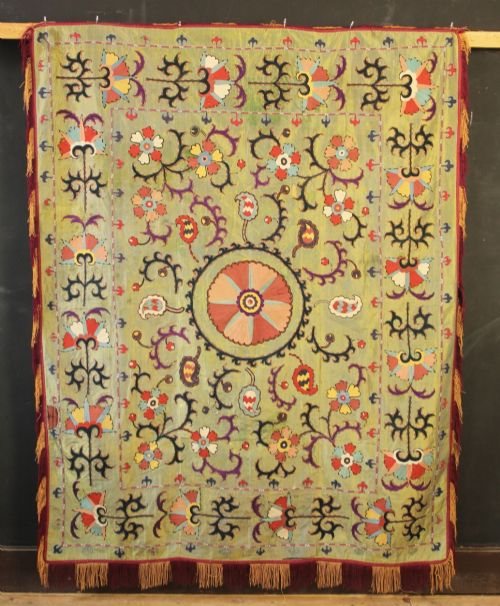
An uzbek suzani panel represents traditional embroidered wall hangings, dowry pieces, and domestic covers created across historical centres like Bokhara, Samarkand, and Tashkent. These textiles take several forms on this page, ranging from full-scale wall hangings and prayer suzanis to smaller nim suzanis and tribal ilgich pieces.
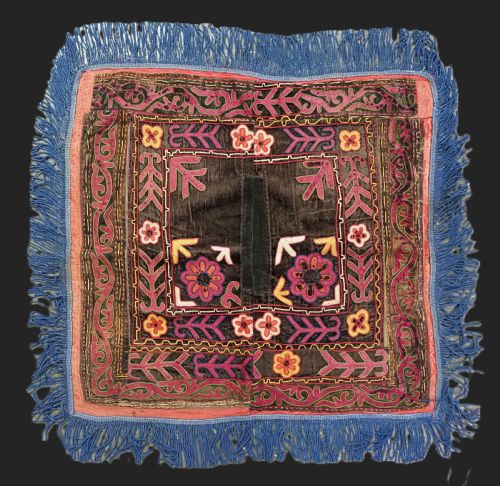
Makers utilised various formats, including architectural designs, central star palak compositions, and compact mirror covers or amulet bags. The origins span nomadic and settled communities, notably involving the Lakai tribe and Tajik artisans working through the nineteenth and early twentieth centuries.
Materials and construction
Artisans executed these embroideries predominantly using vibrant silk thread stitched onto woven foundations of cotton, wool, silk-cotton adras, or velvet. Certain tribal pieces incorporate additional embellishments such as glass beads to accent the textile surface.
The needlework employs specific regional techniques, resulting in dense surface coverage seen on fully embroidered palak panels or delicate chain and surface stitches defining floral and geometric motifs across the ground fabric.
Uzbek Suzani Panel Retail Price Guide 2026
Typical asking prices for uzbek suzani panel among the pieces listed under this phrase on Sellingantiques today, from the lower quarter to the upper quarter. They describe what is for sale here now, not the wider market.
Foundation materials recorded on this page include cotton, wool, velvet, silk, and adras, occasionally accented with glass beads.
Distinctions in quality
The calibre of an uzbek suzani panel rests upon the density and precision of the silk embroidery, alongside the complexity of the regional design layout. Examples featuring fully worked grounds or balanced architectural compositions demonstrate superior workshop execution.
Another factor involves the preservation of the ground cloth and the saturation of the dyed threads, where well-maintained textiles retain their original visual impact and structural integrity across the cotton or wool backing.
The Uzbek Suzani Panel Glossary
- Suzani
- An embroidered textile panel originating from Central Asia, traditionally worked by women as part of a bride's dowry. These pieces function primarily as wall hangings or decorative covers.
- Nim Suzani
- A smaller scale version of the standard wall hanging, translating literally as half suzani. These compact textiles offer versatility in placement.
- Ilgich
- A tribal embroidery type often associated with the Lakai people, frequently utilised for domestic or dowry purposes. These pieces display distinct geometric and nomadic design traits.
- Palak
- A fully embroidered suzani variety originating notably from Tashkent, characterised by dense surface stitching and central star motifs. The design covers the entire ground fabric.
- Adras
- A traditional hybrid fabric woven from a combination of silk and cotton yarns. This material serves as a common foundation ground for embroidery.
Uzbek Suzani Panel: Frequently Asked Questions
How were uzbek suzani panels used traditionally?
Families utilised these embroidered panels as decorative wall hangings, ceremonial covers, and significant components of a bride's dowry. They formed a central part of domestic interiors in Central Asian households.
Specific formats served distinct purposes, such as prayer suzanis for devotion, small mirror covers, or saddle pieces created by nomadic groups like the Lakai.
How do you hang a textile panel safely?
Mounting requires distributing the weight evenly across the entire textile rather than suspending it from a few isolated points. Conservation framing or attaching a supportive cotton sleeve for a rod helps protect the fabric.
Keeping the piece away from direct sunlight preserves the dyed silk threads and prevents the cotton or wool ground from fading over time.
How can you tell a nim suzani apart?
A nim suzani is defined by its smaller dimensions compared to standard room-sized wall hangings. These reduced formats provide a more manageable scale for smaller wall spaces.
Despite the reduced size, they utilise the same silk embroidery techniques and traditional floral or geometric motifs found on larger examples.