
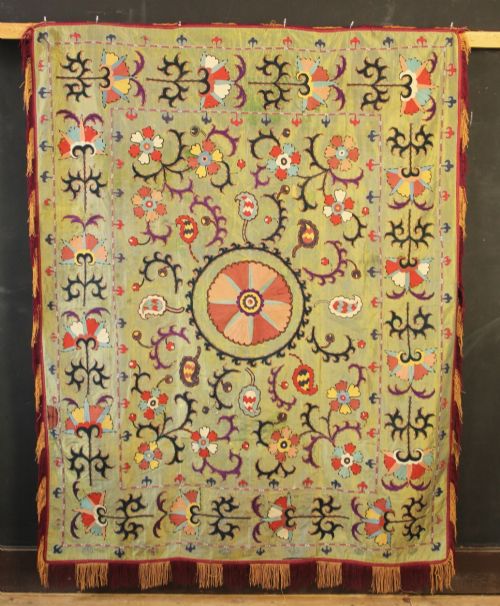


Uzbek Silk Suzani Panel
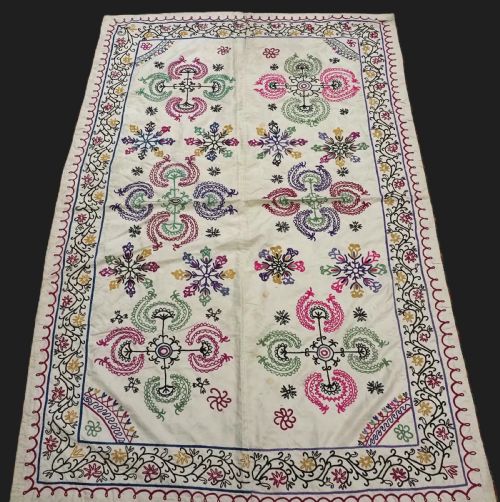
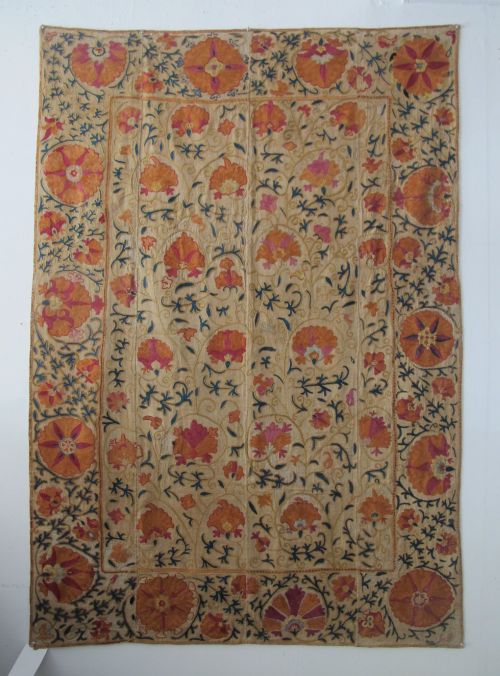
An uzbek silk suzani panel brings Central Asian textile artistry into a room, offering rich embroidered designs created for traditional domestic life.
Uzbek Silk Suzani Panel
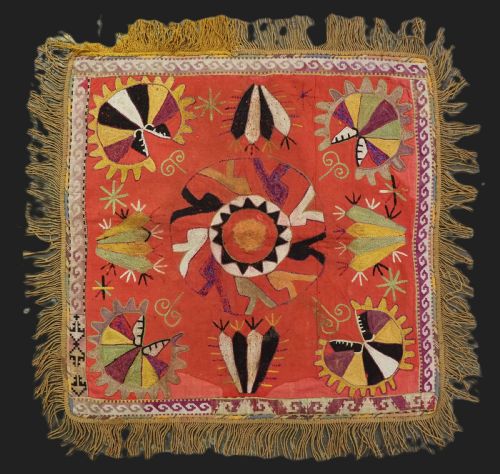
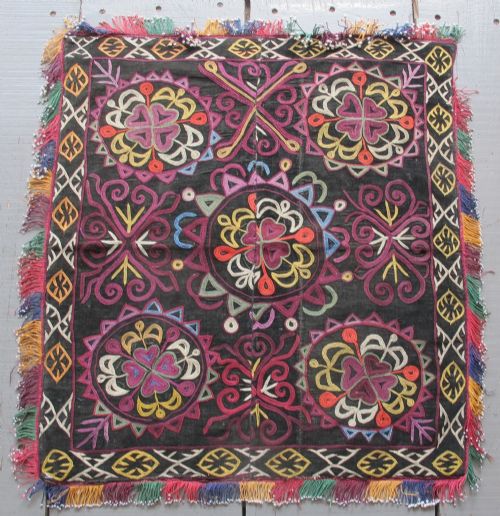
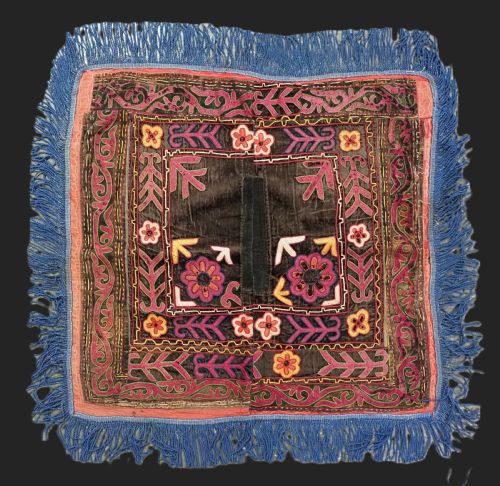
Buyers will encounter full-sized hangings alongside smaller formats like nim suzanis and specialised tribal pieces such as ilgich or mirror covers. These textiles reflect the distinct traditions of Uzbek and Tajik makers, as well as the nomadic work of the Lakai tribe.
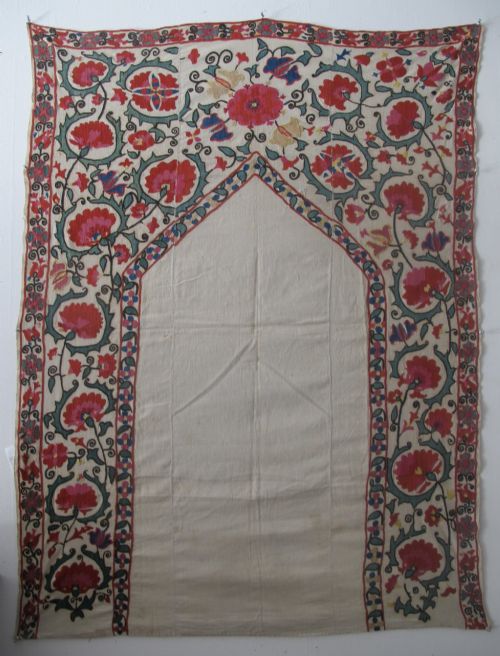
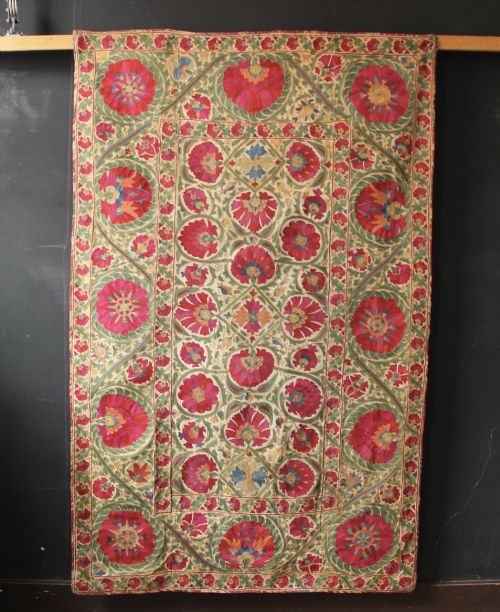
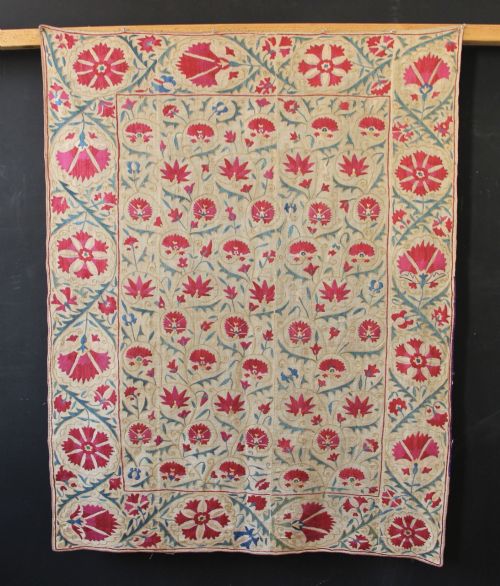
The objects serve primarily as decorative wall art, preserving historical patterns including floral motifs, architectural layouts, and central star compositions known as palak.
How They Were Made
Artisans worked silk embroidery threads onto various foundation grounds, most commonly cotton, linen, wool, or adras, which is a traditional silk and cotton hybrid fabric. Certain specialised tribal pieces incorporate supplementary materials including glass beads and velvet to add texture and depth to the surface.
The embroidery is executed by hand using specialised hooks or needles, forming dense stitches that completely cover large sections of the foundation cloth in regional styles. Makers constructed these textiles in panels or as unified fields depending on the intended domestic function, applying natural dyes to achieve the characteristic deep reds, yellows, and greens seen across the period.
Ceremonial horse and saddle covers made by nomadic embroiderers turned equestrian gear into glowing canvases of silk thread.
What Varies in Quality
The visual impact of an uzbek silk suzani panel depends heavily on the density of the embroidery and the complexity of the design layout. Fully embroidered palak types or pieces with intricate architectural and floral compositions demonstrate higher levels of technical execution by the maker.
Preservation of the original silk threads and the stability of the foundation ground play a major role in distinguishing superior examples. The vitality of the dye colours and the precision of the needlework further separate standard domestic pieces from masterworks created for wealthy families.
The Uzbek Silk Suzani Panel Glossary
- Nim Suzani
- A smaller or half-sized version of the standard wall hanging, often utilised in domestic spaces where full dimensions were impractical. These pieces share the same regional embroidery techniques.
- Palak
- A fully embroidered Tashkent suzani style dominated by a large central star motif and dense floral patterns. The term refers to night skies or heavenly bodies.
- Ilgich
- A specific form of embroidery created by the Lakai tribe, frequently functioned as a dowry hanging or tent furnishing. They display bold tribal motifs often worked on wool or cotton grounds.
- Adras
- A traditional woven fabric composed of a silk warp and a cotton welt, serving as a stable foundation ground for embroidery. It provides a distinct texture compared to plain cotton or wool.
Uzbek Silk Suzani Panel: Frequently Asked Questions
How were suzanis used originally?
These textiles served primarily as domestic furnishings within Central Asian homes, functioning as wall hangings, bedding covers, or ceremonial dowry items.
Families displayed them on special occasions, and they formed a central part of a bride's dowry collection reflecting status and skill.
How do I hang a textile safely?
Mounting requires a supportive backing method that distributes the weight evenly across the entire upper edge of the fabric.
Professional framing behind UV-filtered glass or attaching a supportive cotton sleeve for a concealed rod prevents sagging and fibre damage.
What is a nim suzani?
A nim suzani is a smaller variant of the standard wall hanging format produced across various Central Asian towns.
These pieces offer the same intricate silk embroidery work in a compact size that fits modern residential wall spaces more easily.
How do I distinguish regional styles?
Regional attribution relies on observing the specific colour palettes, ground fabrics, and motif structures characteristic of towns like Bokhara or Samarkand.
Urban workshops utilised cotton grounds with refined floral sprays, whereas tribal groups like the Lakai often employed geometric layouts on red wool or silk.