


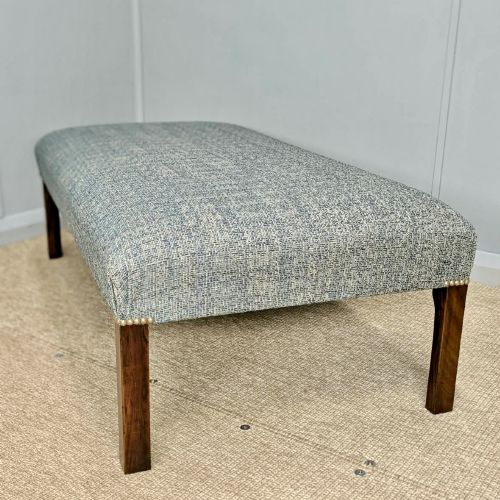
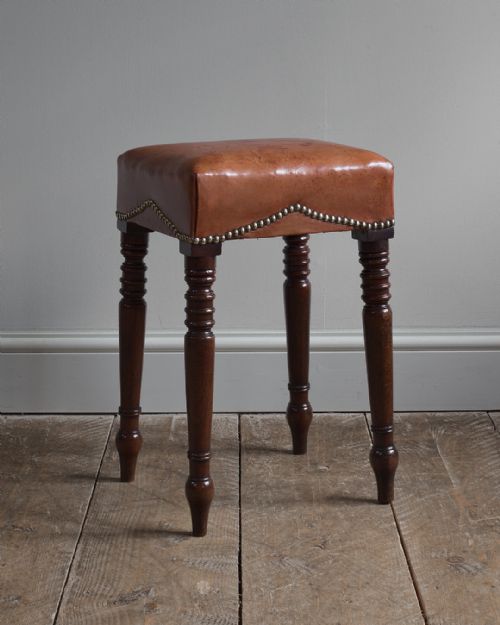

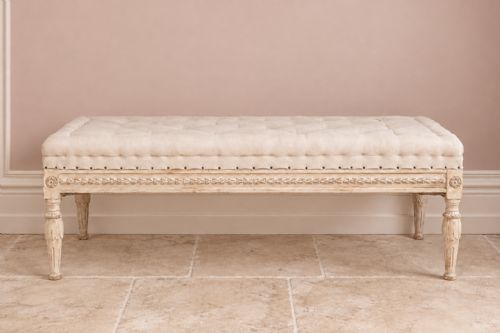
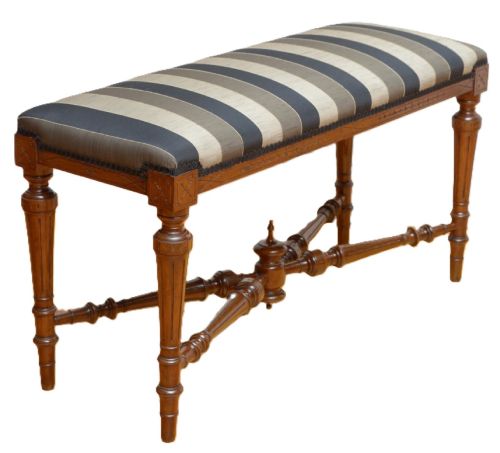


Upholstered Wood Stool
An upholstered wood stool brings character to a corner while offering practical low seating.
Upholstered Wood Stool
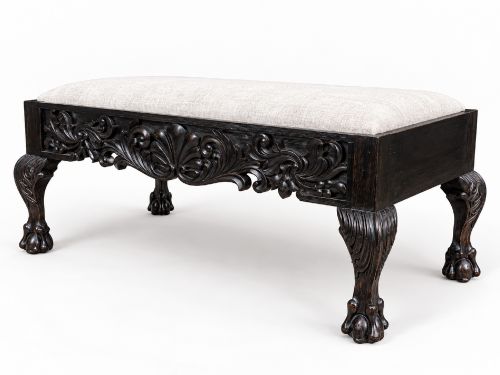
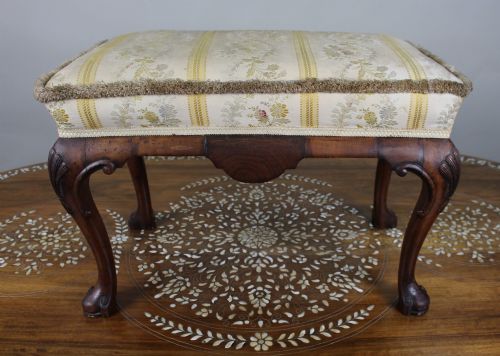
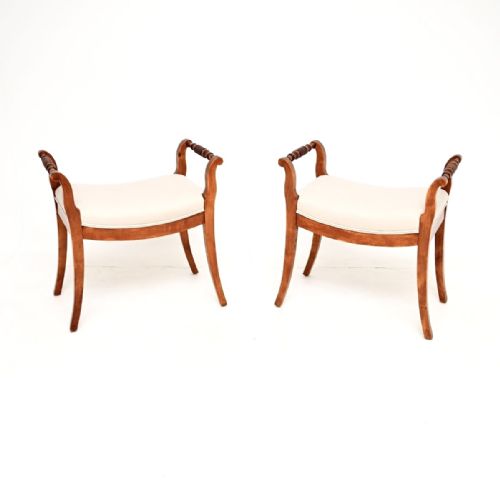
When you search for an upholstered wood stool, you encounter a variety of forms including footstools, piano stools, dressing stools, and window seats originating from the eighteenth, nineteenth, and early twentieth centuries. These pieces span distinct historical revivals and regional designs, ranging from straightforward domestic seating to heavily carved decorative items.
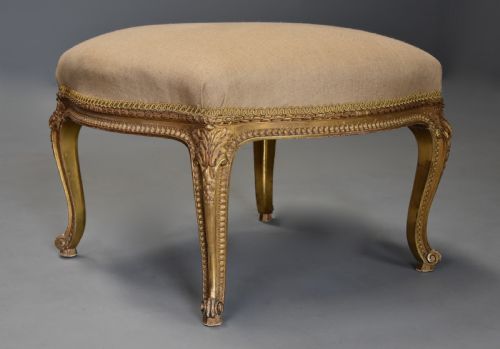
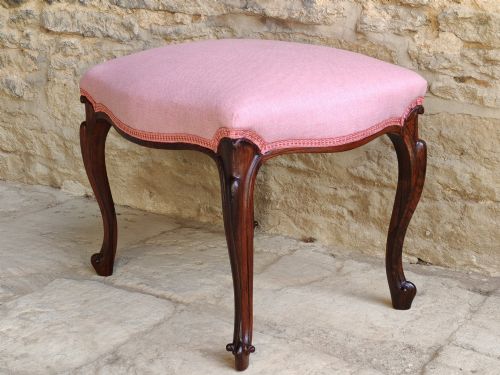
The nineteenth century and the Victorian period provide a substantial share of the examples seen here, often constructed from timbers like mahogany, walnut, and rosewood. Alongside these, French giltwood pieces, Swedish birch items, and English piano stools with mechanical adjustments appear regularly across the selection.
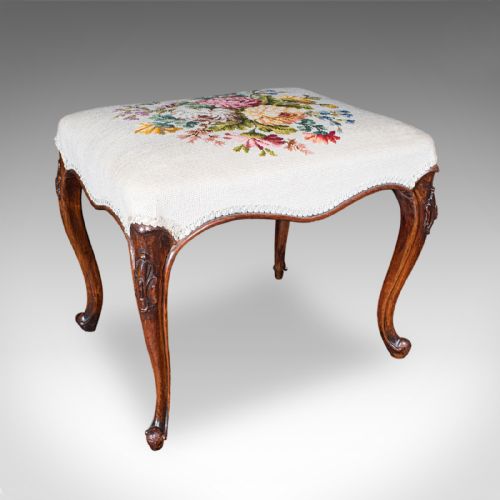
The upholstery varies from plain linen and silk to patterned needlepoint and kilim covers, reflecting the functional roles these seats held as fireside accessories, piano seats, and dressing table accompaniments.
How they were made
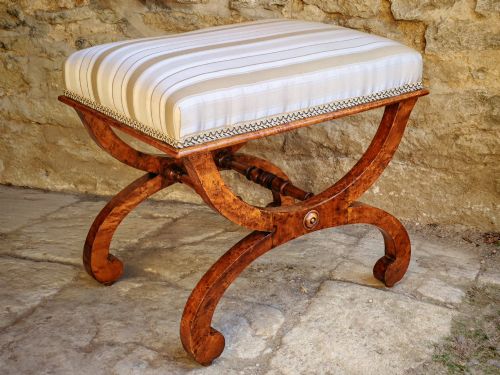
Makers shaped these frames from solid hardwoods including mahogany, walnut, rosewood, and satin birch, frequently employing carving, gilding, or painting to finish the exposed wood. Turned legs, cabriole legs, and X-frame structures support the upholstered upper sections.
Textiles such as silk, linen, needlepoint, and kilim fabric cover the padded seats, secured over webbing and stuffing to create resilient seating surfaces.
Upholstered Wood Stool Retail Price Guide 2026
Typical asking prices for upholstered wood stool among the pieces listed under this phrase on Sellingantiques today, from the lower quarter to the upper quarter. They describe what is for sale here now, not the wider market.
Some nineteenth-century sitters dealt with sore feet using ingenious metamorphic gout stools designed with adjustable sloping cushions.
What varies in quality
The standard of carving and the selection of timber dictate the distinction between simpler domestic items and high-end salon seating. Finely figured woods like burr maple and rosewood, coupled with intricate hand-carved details or original gilding, separate superior examples from standard production pieces.
The integrity of the frame construction and the preservation of original elements, such as mechanical rise-and-fall mechanisms on piano stools or stamped maker signatures, influence the standing of an individual piece.
LOIDRAULT FRERES PARIS·Miles & Edwards
The Upholstered Wood Stool Glossary
- Giltwood
- Wood coated with a thin layer of gold leaf or gesso paint. This finish appears frequently on decorative French and Victorian salon stools.
- Cabriole leg
- A furniture leg that curves outward and then tapers inward, ending in a pad or claw foot. This form originates from classical designs and recurs on eighteenth and nineteenth-century examples.
- Needlepoint
- A type of canvas work embroidery executed with wool or silk yarn. It forms the durable decorative top on many traditional fireside footstools.
- Metamorphic
- Describing furniture designed to transform or adjust its shape for different functions. This term applies to specialist gout stools and piano seats with adjustable heights.
- Kilim
- A flatwoven carpet or rug textile. These durable fabrics occasionally serve as upholstery covers on Moorish-style and nineteenth-century occasional stools.
Upholstered Wood Stool: Frequently Asked Questions
How do I use an upholstered wood stool today?
These pieces function well as flexible low seating in living rooms, dressing table seats in bedrooms, or decorative rests beside armchairs.
They also serve as practical footrests by the fireside or quiet ornamental accents in hallways.
How do I care for antique upholstery?
Vacuum textile surfaces gently with a soft brush attachment to remove dust without disturbing older threads.
Keep wooden frames conditioned with appropriate wax and protect silk or linen fabrics from direct sunlight to prevent fading.
What defines a window seat?
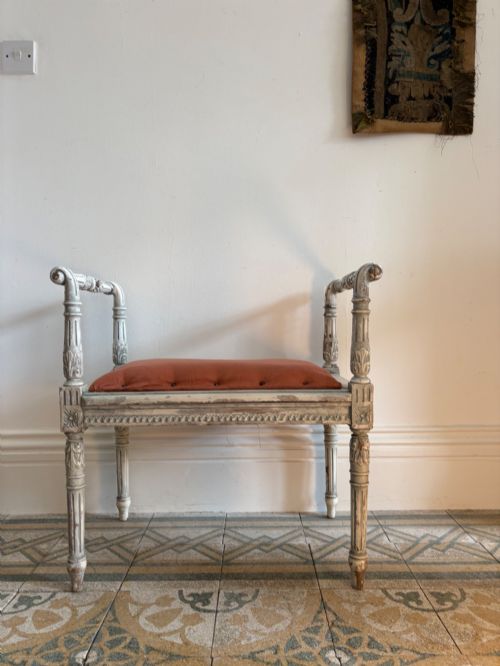
Window seats are elongated stools or benches built with upholstered tops, sometimes featuring scrolled ends or painted wooden frames.
They originated to fit comfortably beneath low nineteenth-century windows and provide extended seating along living room walls.