


Two Seater Howard Sofa
A two seater howard sofa offers deep-sprung English comfort, crafted by master makers with signature low arms and turned supports.
Two Seater Howard Sofa
A two seater howard sofa represents the pinnacle of Victorian and Edwardian seating design, built for deep lounge comfort. The pieces on this page span the nineteenth century through the twentieth century, capturing distinct periods of manufacture.
Buyers encounter classic forms like the Chaplin, Ivor, and Portarlington models alongside pieces featuring ticking fabric, cotton calico, or elaborate upholstery. Many examples show the influence of English country house style and aesthetic movement design.
How They Were Made
Construction relies on sturdy internal timber frames typically fashioned from mahogany or walnut, providing a rigid foundation for the complex springing system. Upholstery materials range from plain cotton calico to heavy decorative fabrics.
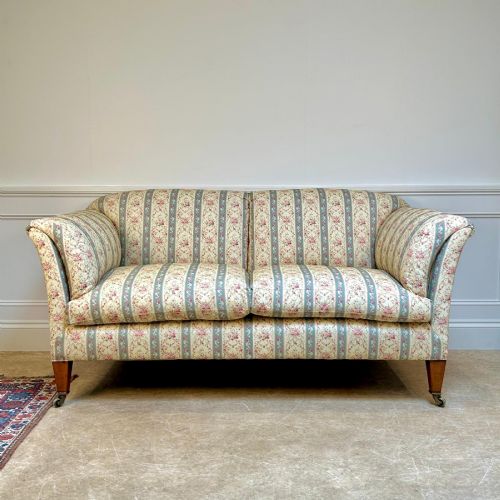
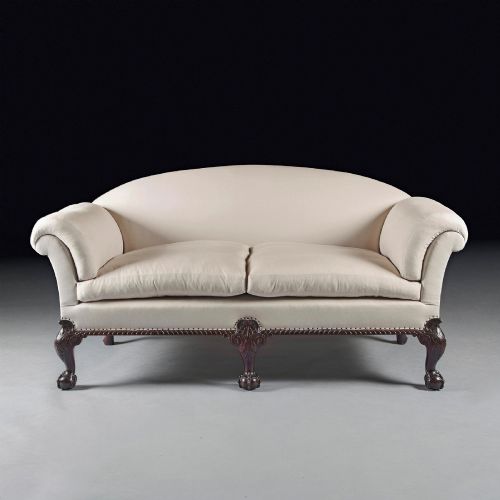
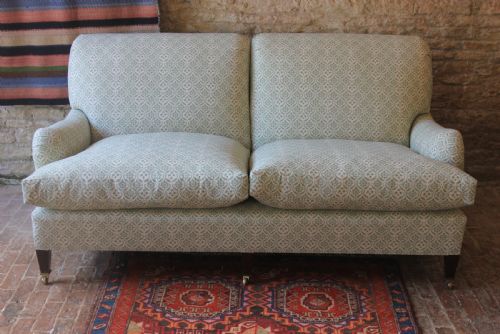
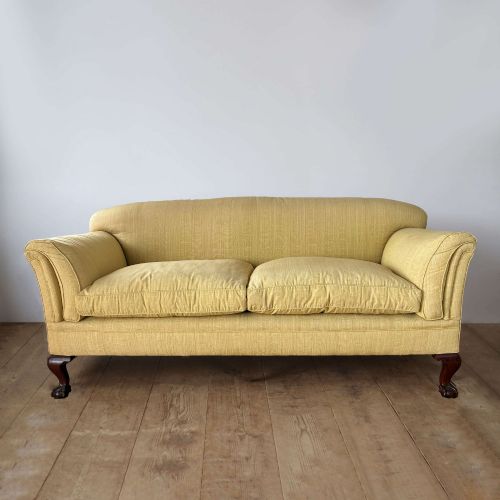
Support elements frequently include brass castors fitted to wooden legs, while finer models incorporate carved details such as ball and claw feet. Traditional stuffing and webbing methods ensure the characteristic resilient seat structure.
Listings feature periods spanning the Victorian era, the Edwardian period, and twentieth-century production up to the nineteen-twenties.
What Varies in Quality
The distinction between standard and exceptional pieces rests upon the integrity of the original frame and the retention of maker stamps. Early nineteenth-century examples often demonstrate superior timber selection and finer joinery.
Upholstery finish and the preservation of original ticking or period fabric substantially influence the character of each piece. Maker attribution, visible through stamped markings on the legs or castors, defines the upper tier of the market.
Howard and Sons
The Two Seater Howard Sofa Glossary
- Ticking fabric
- A tightly woven, durable cotton material traditionally used as the under-upholstery or primary covering on classic upholstered seating.
- Ball and claw
- A type of foot carving depicting a bird's talon clutching a ball, frequently seen on revival and aesthetic movement furniture.
- Castor
- A small wheel fitted to the base of furniture legs to allow smooth movement across carpets and flooring.
- Calico
- A plain-woven unbleached cotton textile used historically as the foundational inner cover before top upholstery is applied.
Two Seater Howard Sofa: Frequently Asked Questions
How do I spot an original?
Original pieces carry maker stamps on the wooden legs or brass castors, alongside characteristic structural proportions and traditional stuffing methods.
Examining the under-webbing and frame construction reveals the build quality typical of the maker's nineteenth-century workshops.
What fabric was used originally?
Early pieces were typically built with sturdy cotton calico or robust ticking fabric beneath decorative top covers.
Many examples feature patterned upholstery fabric or Chinoiserie designs added during later Victorian and Edwardian revivals.
How do I care for the springs?
Traditional deep-sprung seating requires gentle handling and occasional professional maintenance to preserve the internal webbing and stuffing.
Avoid excessive weight concentration on single spots to maintain the even tension of the original coil springs.
Are all these sofas signed?
Not every piece bears a visible signature, as stamps can fade or become obscured during reupholstery over the decades.
Unsigned pieces often share the exact proportions, timber types, and castor designs of documented workshop productions.