
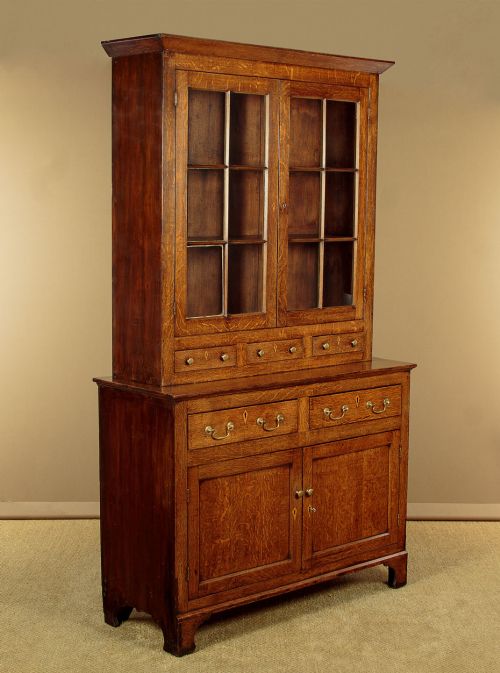
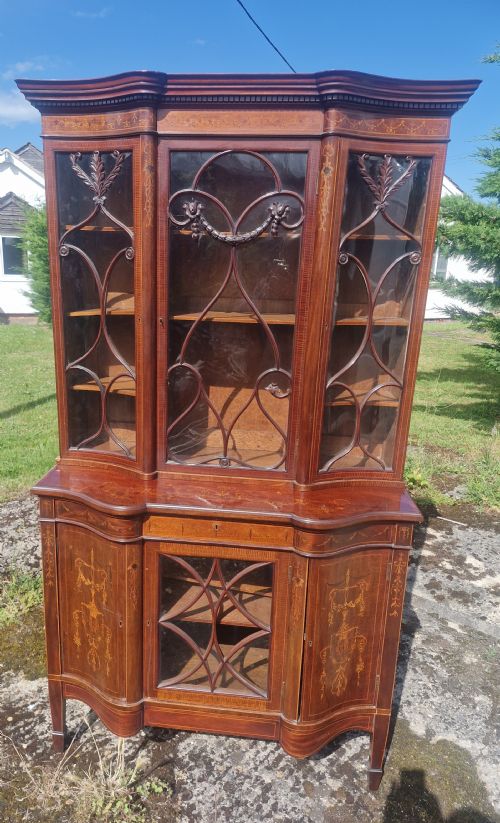


Two Part Glazed Bookcase
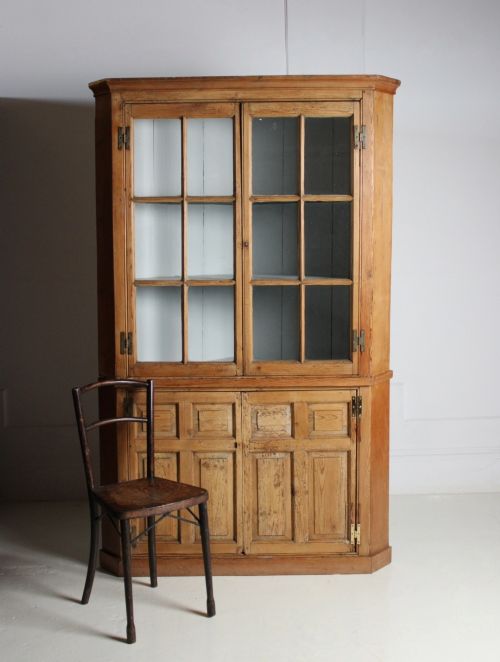
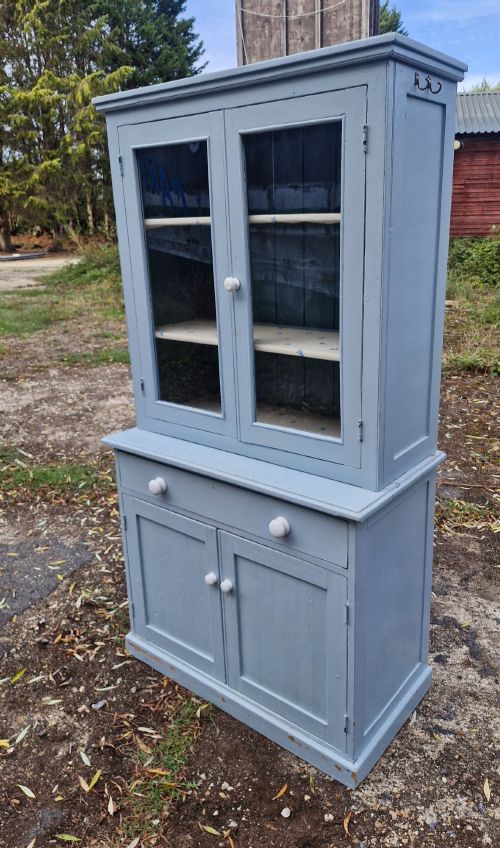
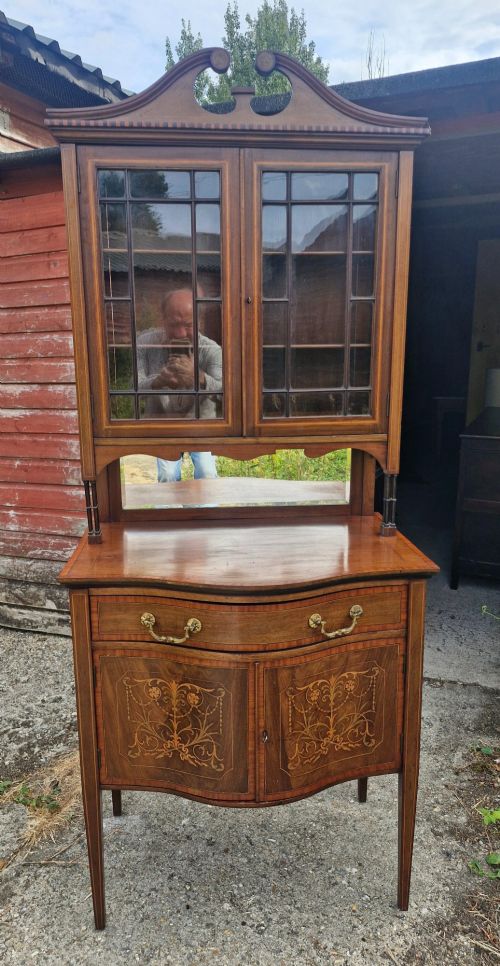
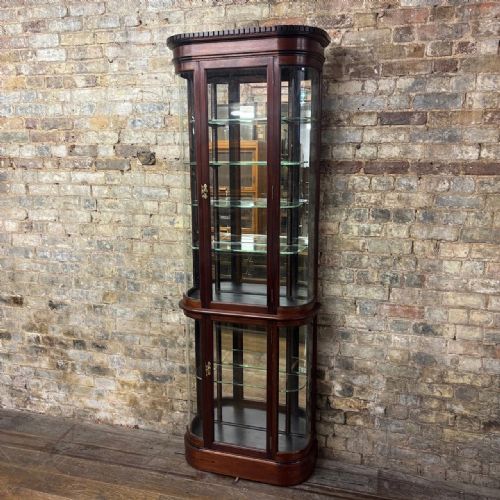
A two part glazed bookcase offers generous display and storage by dividing heavy volumes or collections between an upper glazed cabinet and a lower base.
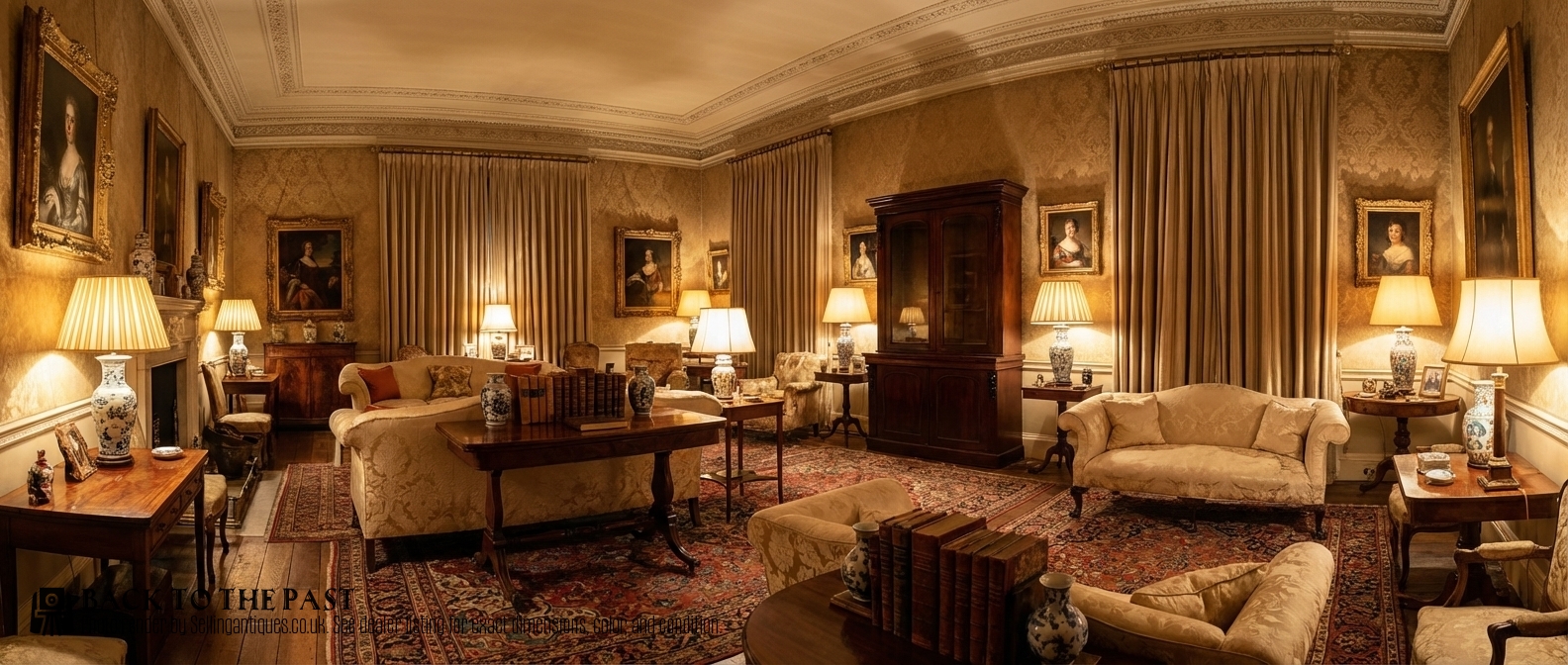
Two Part Glazed Bookcase
When searching for a two part glazed bookcase, buyers encounter pieces spanning the eighteenth century through to the early twentieth century, with Victorian and Edwardian examples appearing frequently. These modular items separate into a glazed upper section and a lower tier that takes the form of a chest, cupboard, or bureau base.
Materials range from rich timbers like mahogany, walnut, and satinwood to domestic woods such as oak, pine, and painted pine. Forms extend beyond traditional libraries to include kitchen dressers, corner cabinets, and gun cabinets sharing the same stacked construction.
Stylistic influences vary widely across the inventory, touching upon Georgian Welsh traditions, Gothic Revival, English Country, and Regency designs. The upper doors often feature glass panes designed to protect volumes while keeping them visible for study.
Evaluating the standard of workmanship
Quality rests on the selection of timber veneers or solid boards, the crispness of carved details or inlaid motifs, and the proportion between the upper glazed cabinet and the lower base. Finer examples display meticulous joinery and thoughtful interior fittings such as stationary compartments.
The integration of functional elements like adjustable shelving, matching keys, and smoothly operating drawers in the lower section distinguishes superior pieces from more utilitarian variants.
Listings feature woods spanning mahogany, oak, walnut, satinwood, pine, and painted pine alongside glass and brass fittings.
The Two Part Glazed Bookcase Glossary
- Bureau bookcase
- A dual-purpose piece featuring a sloping fall-front writing desk in the lower section beneath an upper glazed cabinet. This form provides both a concealed writing surface and visible storage for books.
- Cwpwrdd Gwydr
- A traditional Welsh term for a glazed cupboard or dresser. These regional pieces often employ native oak and reflect local vernacular woodworking traditions.
- Gothic Revival
- A nineteenth-century style drawing inspiration from medieval architecture. Pieces in this aesthetic typically incorporate pointed arches, tracery in the glazed doors, and carved ornamentation.
- Adjustable shelves
- Shelving supported by movable pins or rungs rather than fixed dados. This feature allows the owner to alter shelf heights to accommodate volumes of varying sizes.
Two Part Glazed Bookcase: Frequently Asked Questions
How do I move a two part glazed bookcase?
Because these items are constructed in two separate modules, you must lift the upper glazed cabinet off the lower base before attempting transport. Removing the adjustable shelves and glass doors or securing them prevents damage during the move.
Once separated, each section becomes manageable for two people to carry safely. Ensure the placement surface is level before resting the upper cabinet back onto the base.
Can I adjust the shelf heights?
Many examples include adjustable shelves supported by internal rack systems or pin holes. This allows you to alter the interior layout for different book heights.
Older pieces with fixed wooden shelves require careful planning if you intend to store oversized volumes. Check the internal depth and height before placing large folios inside.
What is the lower section usually used for?
The lower section typically functions as a chest of drawers, a closed cupboard, a bureau desk, or a kitchen dresser base. This portion provides hidden storage for items you prefer out of sight.
In library and bureau variants, the lower base offers structural stability for the heavier glazed top while adding a practical working surface or extra drawer capacity.
How do I care for the timber finish?
Maintain timber surfaces by dusting regularly with a dry cloth and applying appropriate wax polish sparingly to nourish mahogany, walnut, or oak. Avoid placing the cabinet in direct sunlight or near heat sources to prevent wood splitting.
Keep the glass panes clean using standard non-ammonia window cleaner applied to a cloth rather than sprayed directly onto the wood.