


Two Part Display Cabinet
A two part display cabinet splits the weight of heavy books or collections between a glazed top and a lower base.
Two Part Display Cabinet
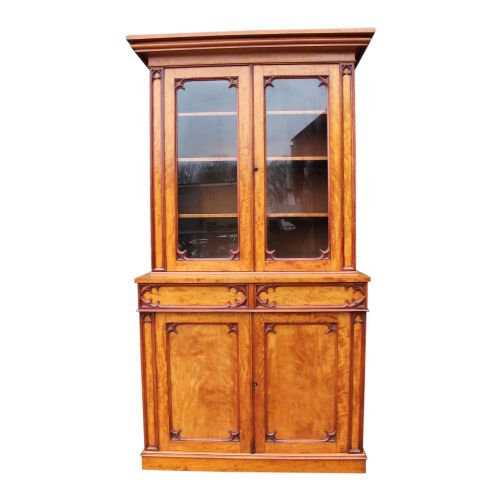
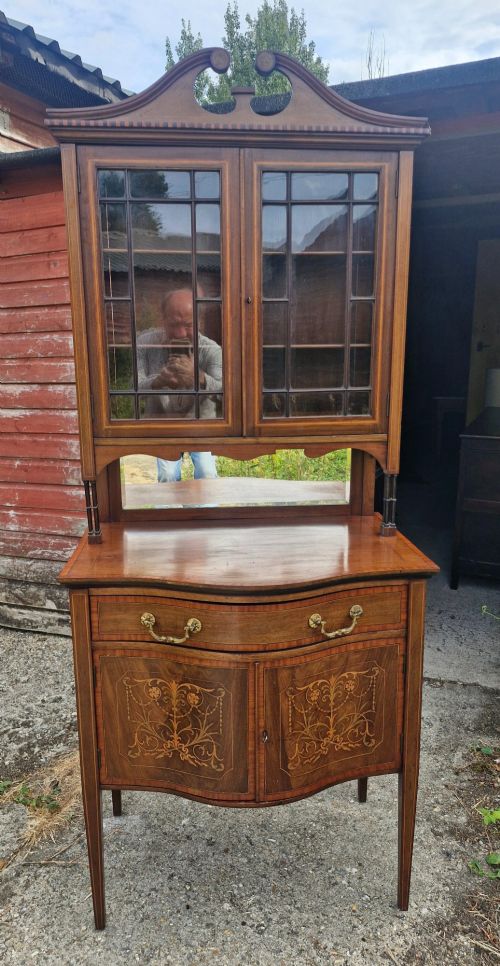
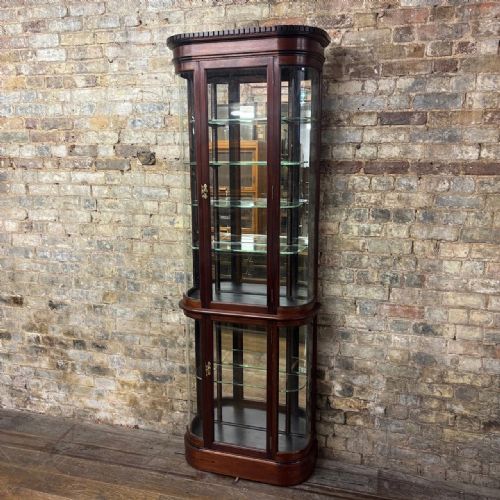
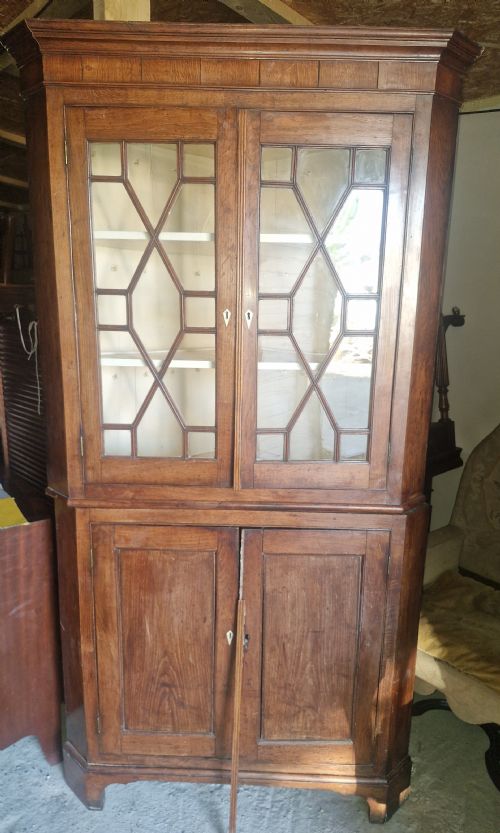
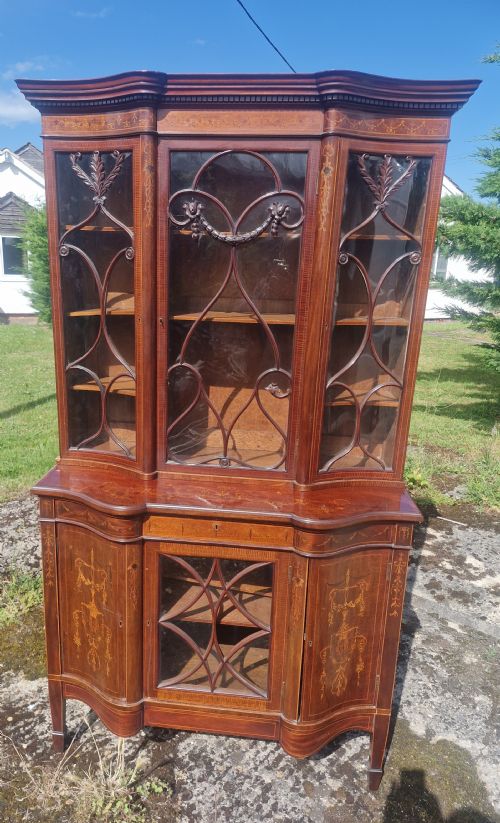
A two part display cabinet divides into a glazed upper section and a substantial lower base, housing everything from porcelain to library volumes. The pieces on this page span the eighteenth, nineteenth, and early twentieth centuries, encompassing Edwardian, Victorian, and Georgian designs.
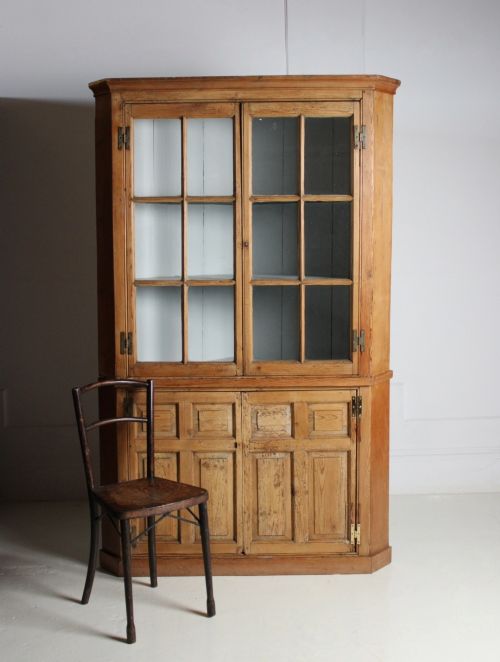
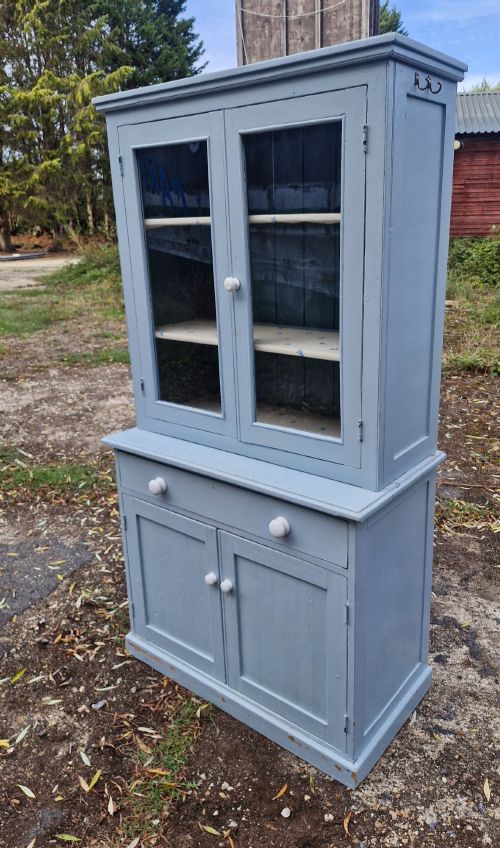
Most examples you encounter take the form of tall bookcases, corner cupboards, and kitchen dressers. These configurations offer deep lower storage with glass-fronted display areas above.
Regional variations appear frequently, including English country pieces and Welsh oak workshops. Makers utilised local timbers to build functional storage that adapted to domestic spaces.
Judging construction and timber
The distinction between standard utility furniture and superior pieces rests on timber selection and decorative restraint. Figured mahogany or finely matched walnut elevate a cabinet beyond plain pine or utilitarian oak.
Some nineteenth century examples served as gun cabinets, keeping sporting pieces locked safely behind tall glass doors.
The Two Part Display Cabinet Glossary
- Glazed
- Fitted with glass panes to display books or ceramics safely. This treatment keeps dust away from sensitive collections.
- Marquetry
- The art of applying decorative veneer pieces to form geometric or floral patterns. Craftsmen use contrasting timbers to achieve this surface detail.
- Breakfront
- A cabinet facade where the central section projects forward from the flanking wings. This architectural layout creates depth in large library bookcases.
- Cwpwrdd Gwydr
- A traditional Welsh term for a glazed cupboard. These regional pieces frequently combine local oak with traditional panel construction.
Two Part Display Cabinet: Frequently Asked Questions
How do I move a two part display cabinet?
These pieces separate into an upper glazed section and a lower base to simplify transport. Lift the top section off the base rather than attempting to move the unit as one piece.
Secure all loose internal shelves and remove glass doors if possible before shifting the furniture across rooms.
What is the difference between a bookcase and a display cabinet?
Bookcases feature open shelving or wooden doors suited for holding volumes. Display cabinets incorporate clear glass panels designed to exhibit porcelain and decorative objects.
Many period examples combine both functions by providing enclosed lower storage beneath glazed upper shelves.
Where should I place a corner cabinet?
Corner cabinets fit directly into ninety-degree room angles to maximise awkward floor space. They work effectively in dining rooms or studies where wall space is limited.
Ensure the floor is level so the tall two-piece frame rests securely against both walls.
How do I care for antique mahogany wood?
Dust the surface regularly with a dry lint-free cloth to prevent particle buildup. Avoid placing the timber in direct sunlight or near heat sources to prevent warping.
Apply traditional beeswax occasionally to nourish the grain and maintain the natural finish of the polish.