

Two Over Two Drawers
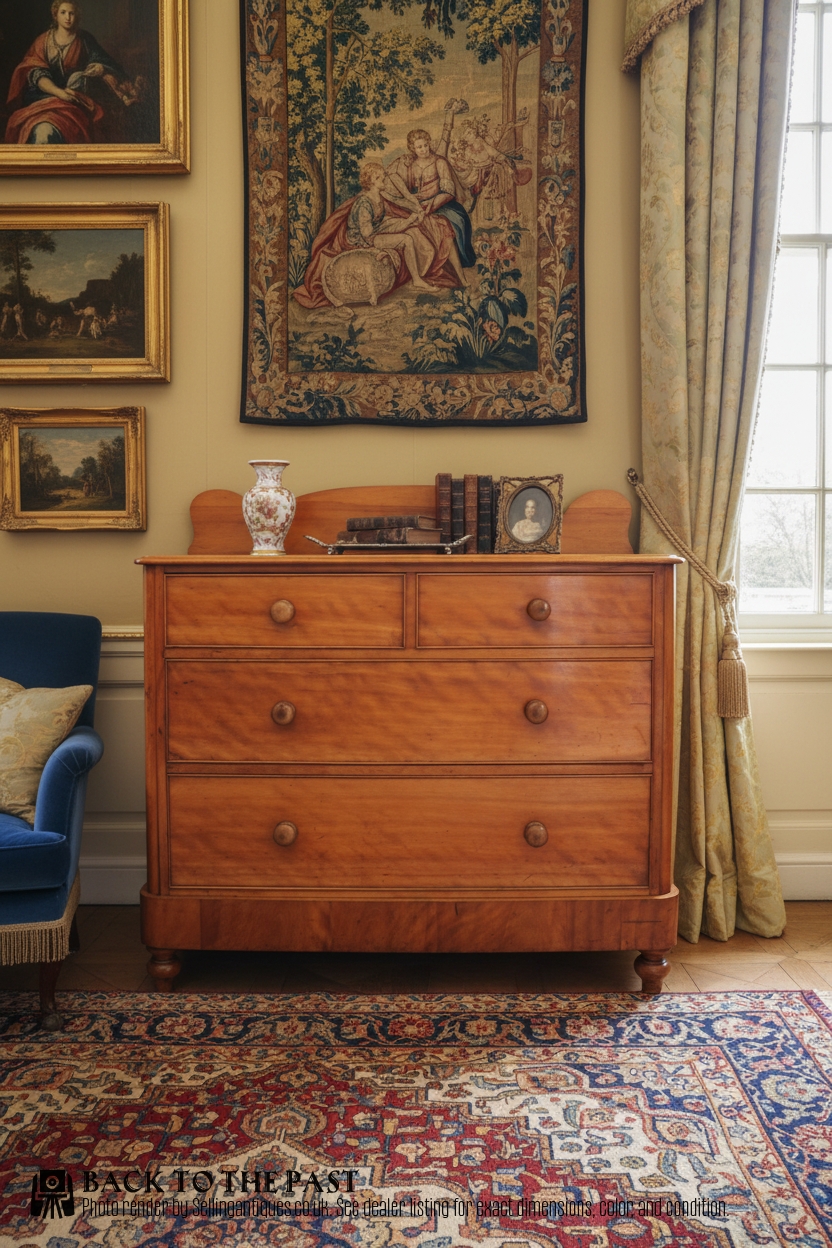
Two over two drawers chests of drawers provide classic bedroom storage, offering smaller top compartments paired with deeper lower ones.
Two Over Two Drawers
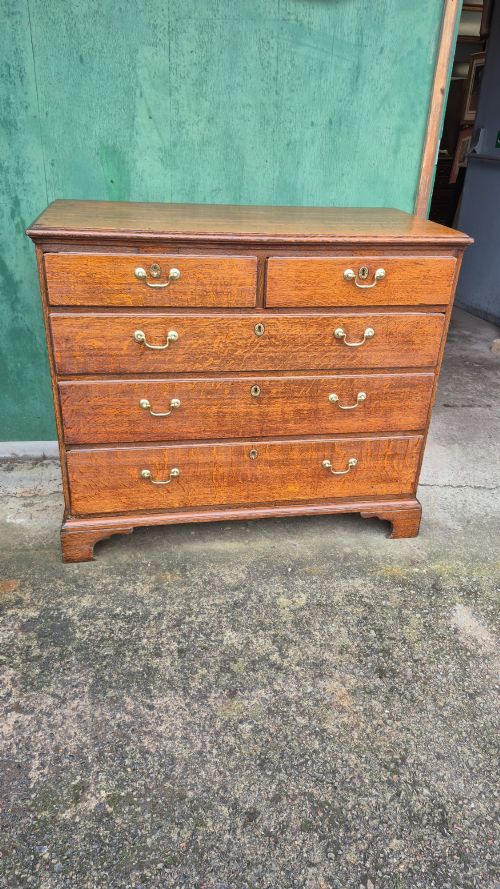
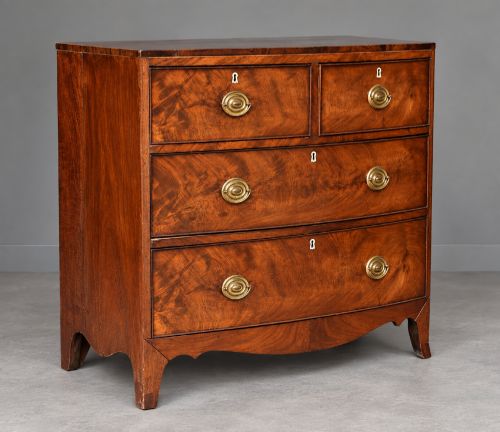
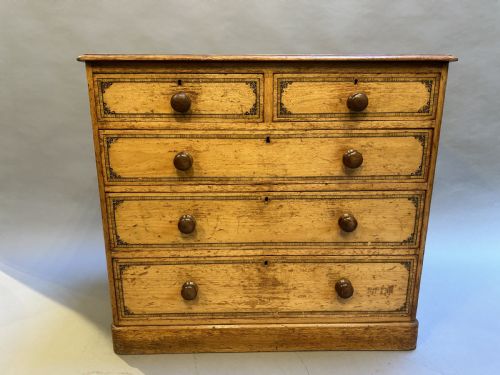
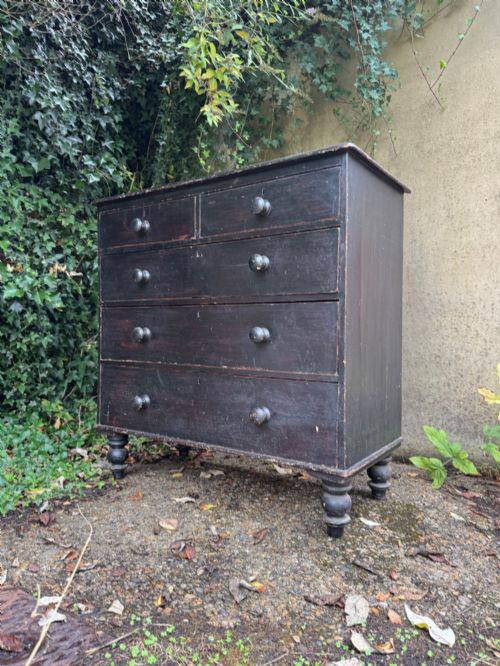
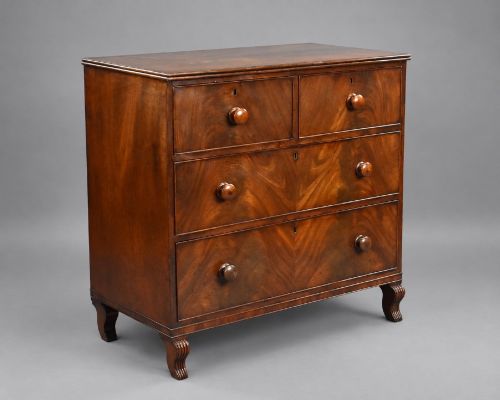
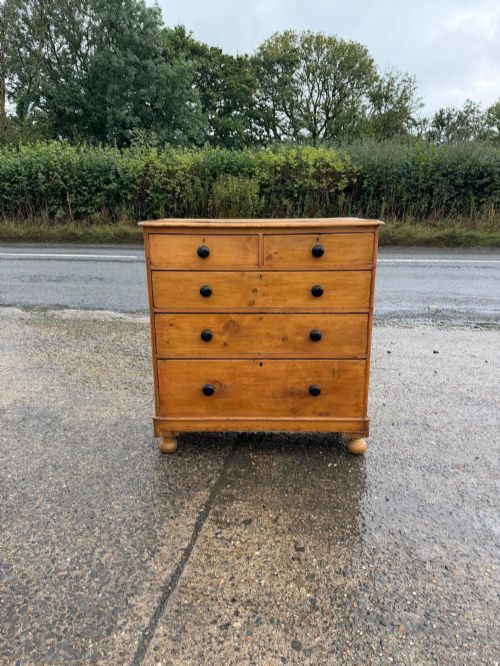
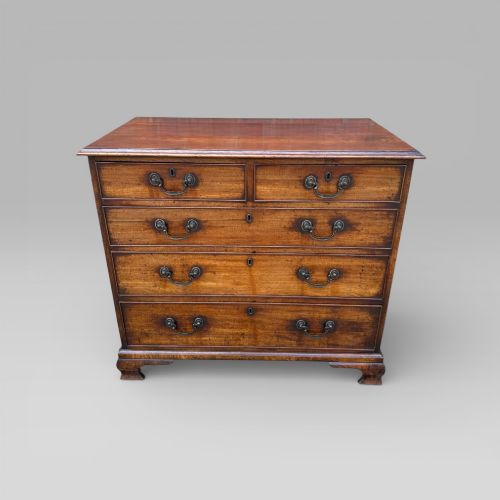
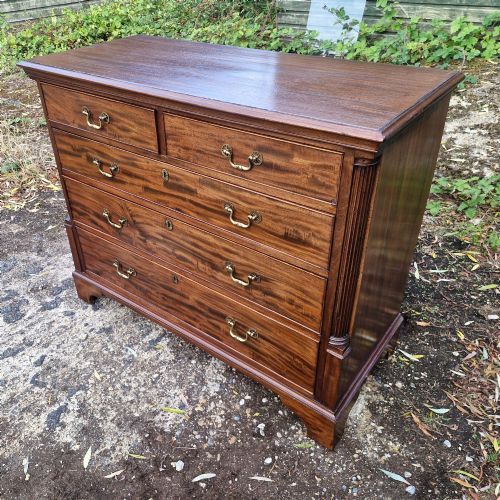
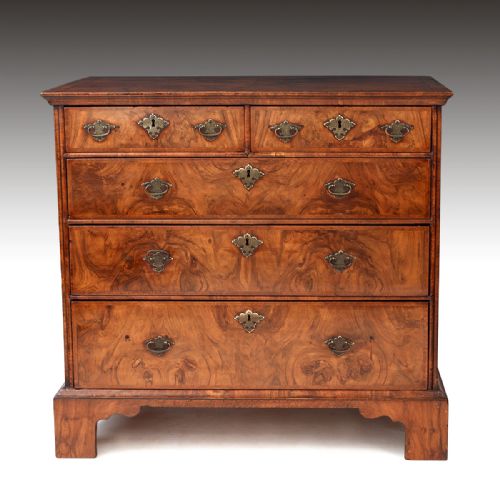
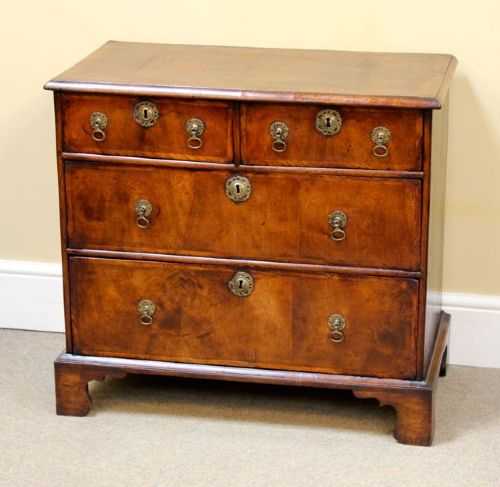
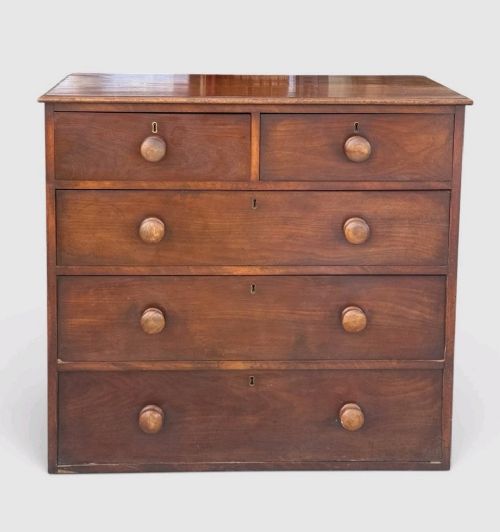
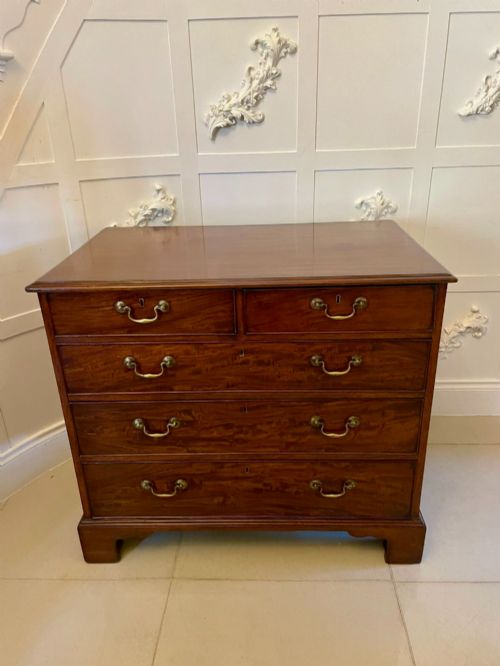
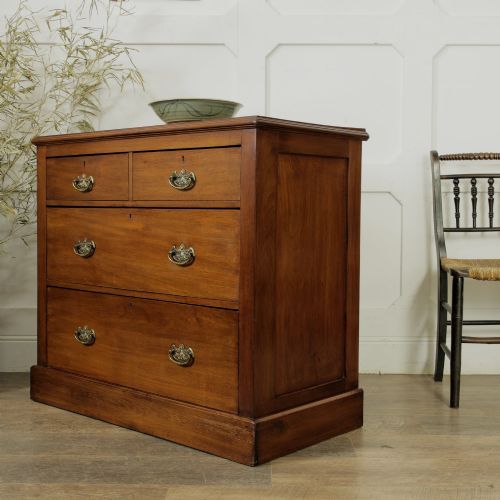
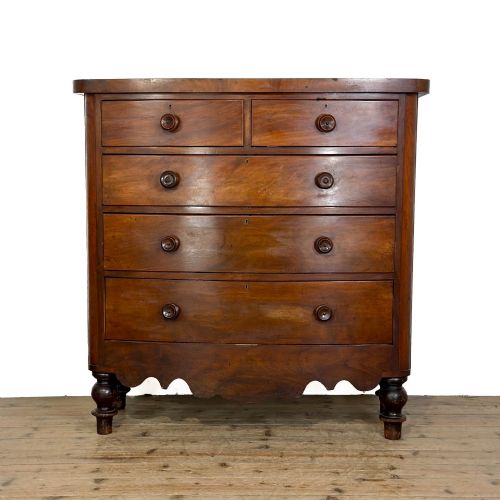
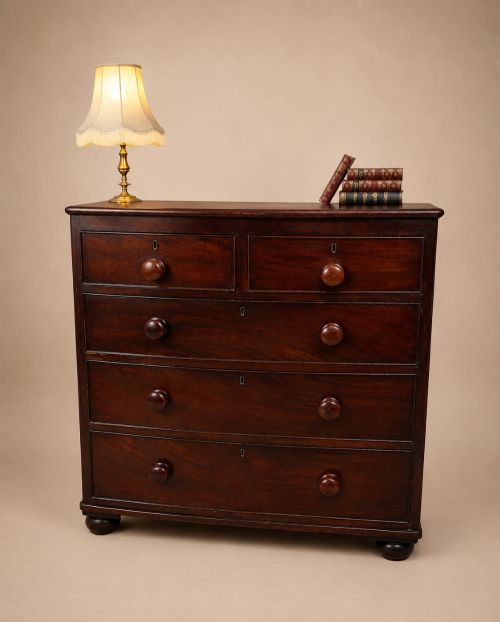
When you search for two over two drawers, you encounter timber storage pieces featuring two smaller upper drawers positioned above two wider lower ones. The inventory spans Georgian, Regency, Victorian, and Edwardian eras, reflecting centuries of domestic joinery.
Mahogany, pine, and oak dominate the forms, appearing in styles ranging from formal bowfronts to vernacular country pieces. The proportion balances practical capacity with architectural symmetry.
Most examples function as bedroom storage furniture, though compact variations serve specific hallway or parlour settings.
How They Were Made
Cabinetmakers utilised solid timbers alongside veneered surfaces, applying flame mahogany and walnut onto secondary woods. Drawers relied on hand-cut dovetail joints to ensure structural endurance under daily use.
Hardware shifted from brass drop handles on early Georgian pieces to turned wooden bun handles on utilitarian pine examples. Secondary woods such as pine and oak formed internal framing and drawer linings.
Two Over Two Drawers Retail Price Guide 2026
Typical asking prices for two over two drawers among the pieces listed under this phrase on Sellingantiques today, from the lower quarter to the upper quarter. They describe what is for sale here now, not the wider market.
What Varies in Quality
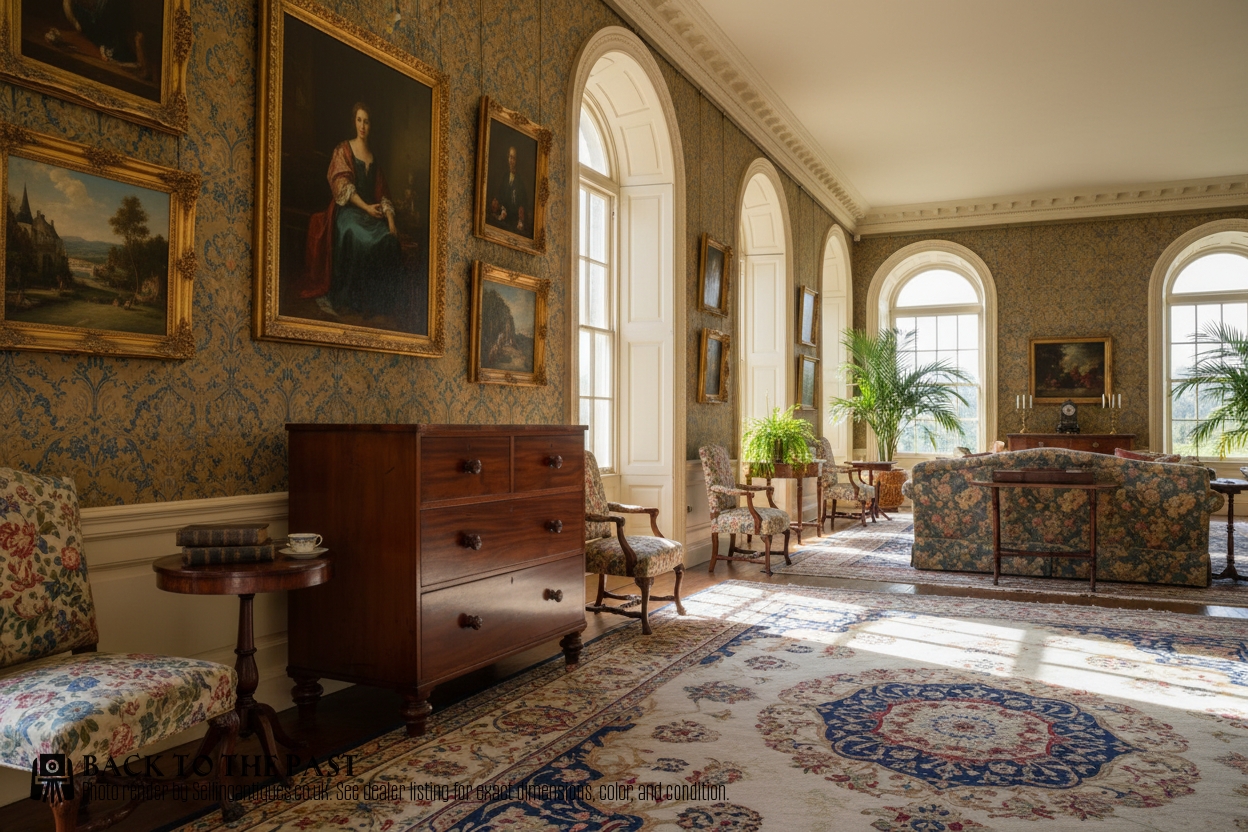
Quality rests in the precision of the timber selection, visible in the matching of flame mahogany veneers and the restraint of crossbanding. Drawer construction reveals underlying standards, where tight dovetails and clean secondary woods separate workshop production from mass output.
Proportion and surface finish dictate distinction. Original patination and untouched timber surfaces hold greater regard than heavily refinished or replaced elements.
J Moorcroft·Heal & Son·Howard and Sons
The Two Over Two Drawers Glossary
- Bowfront
- A curved cabinet front that extends outward in a convex arc. This shape appeared frequently on Regency and Victorian pieces.
- Crossbanding
- A strip of veneer applied perpendicularly to the grain of the primary surface. It creates a decorative border around drawer fronts or tabletops.
- Dovetail
- An interlocking joint formed by wedge-shaped pins and tails. It secures drawer corners without relying on metal fasteners.
- Patina
- The surface sheen and colour developed by wood through age and handling. It reflects decades of exposure to light and wax.
- Secondary wood
- The internal or non-visible timber used in furniture construction. Common examples include pine and oak found inside drawer linings.
Two Over Two Drawers: Frequently Asked Questions
How do I date a wooden chest?
Dating relies on examining construction methods, timber choices, and hardware styles. Hand-cut dovetails, secondary wood types, and specific handle designs help place a piece within its correct period.
Stylistic markers such as bowfronts, bracket feet, and veneer patterns offer further clues to the decade of manufacture.
Where should I place this furniture?
These chests suit bedrooms, hallways, and living spaces where surface area and storage are both required. Their balanced proportions allow them to sit comfortably against walls without dominating a room.
Placing them away from direct heat sources and strong sunlight protects the antique timber and veneer from drying out.
How do I care for antique wood?
Maintaining antique timber involves dusting with a dry cloth and applying natural beeswax periodically to nourish the surface. Avoid liquid polishes containing silicones that can penetrate and damage historic finishes.
Keeping room humidity stable prevents the timber and veneer from splitting or warping over time.