

Two Drawer Walnut Chest
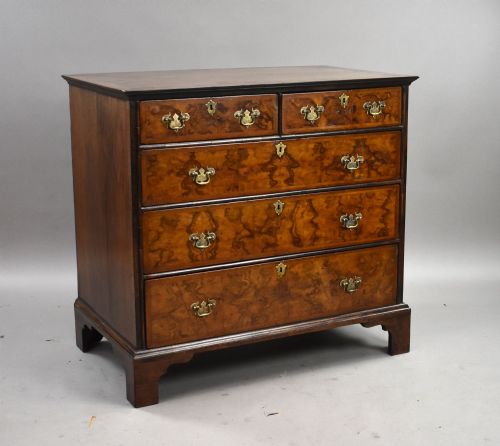
A two drawer walnut chest brings warmth and rich grain to a room, offering practical storage through compact proportions shaped across centuries.
Two Drawer Walnut Chest
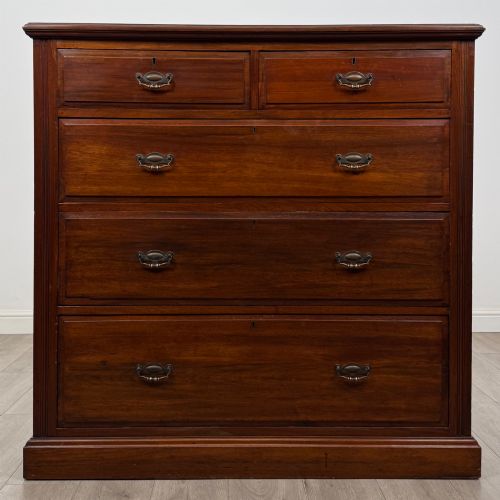
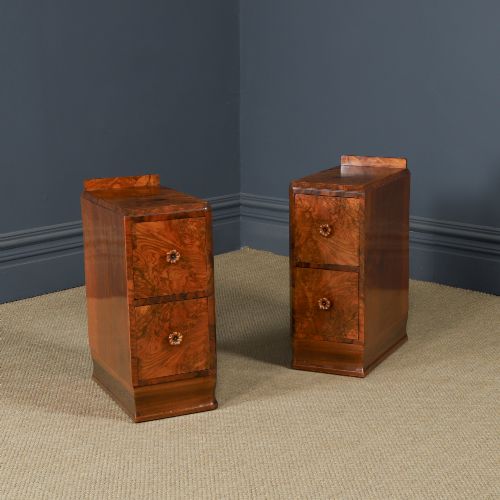
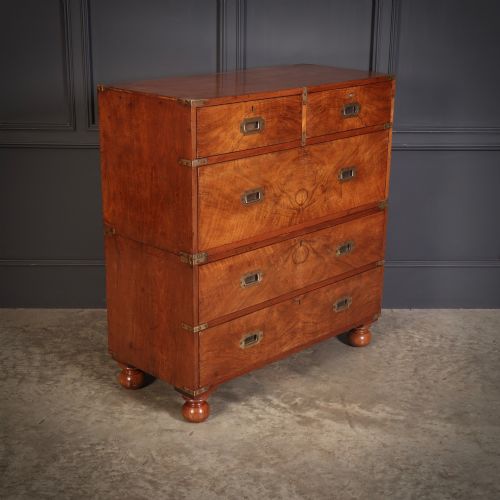
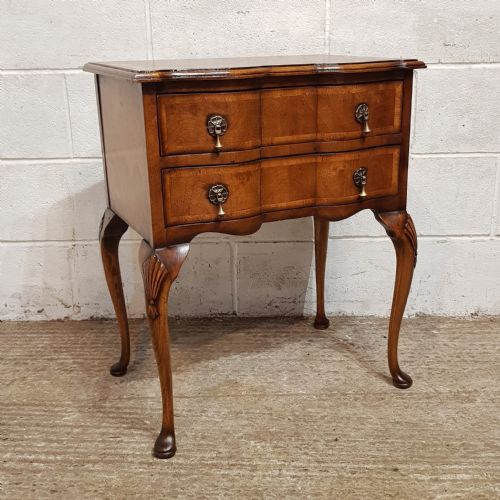
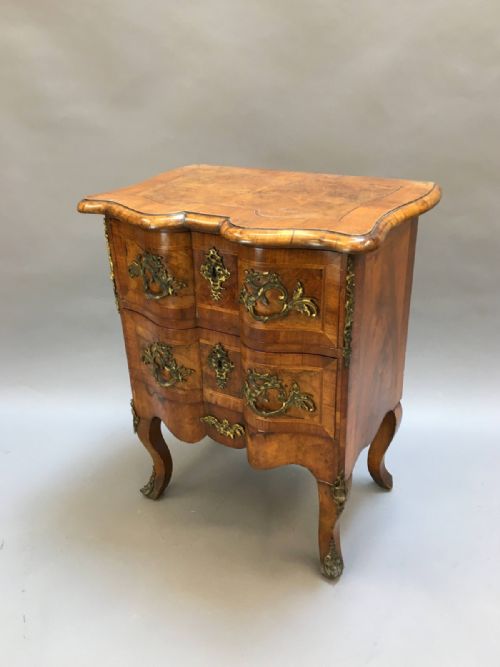
A two drawer walnut chest typically appears in compact forms such as bedside tables, nightstands, and small commodes alongside traditional chest designs. These pieces span significant periods including the William and Mary era, the Georgian epoch, and later Art Deco and Edwardian revivals.
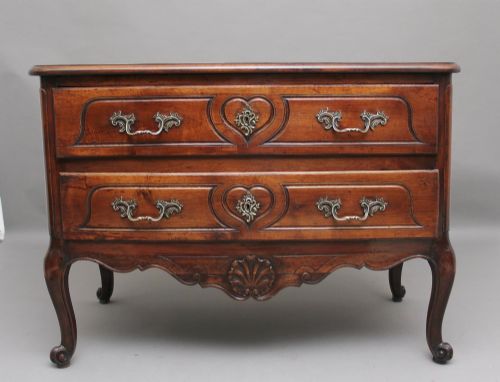
Makers utilised rich timber variants, pairing walnut with oak, pine, and fruitwood to construct sturdy carcases for domestic use. The selection includes English, French, and Italian origins, demonstrating diverse regional interpretations of proportion and storage.
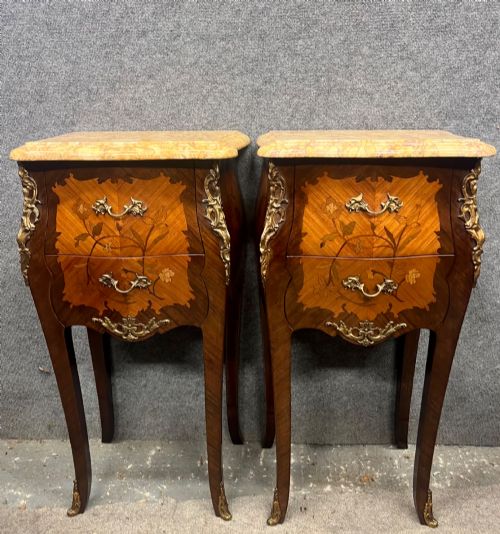
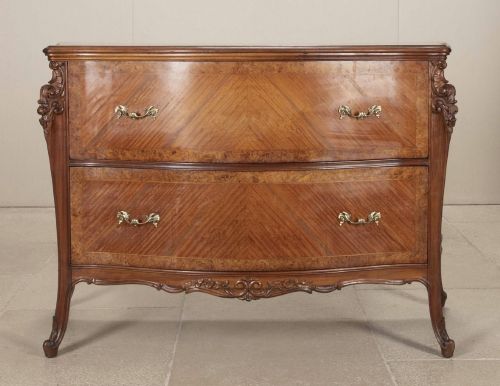
Buyers encounter formats ranging from low bedside tables to larger commodes featuring marble tops or marquetry inlay. The enduring appeal lies in the figured grain patterns and the functional utility provided by the twin drawer configuration.
Materials and construction methods
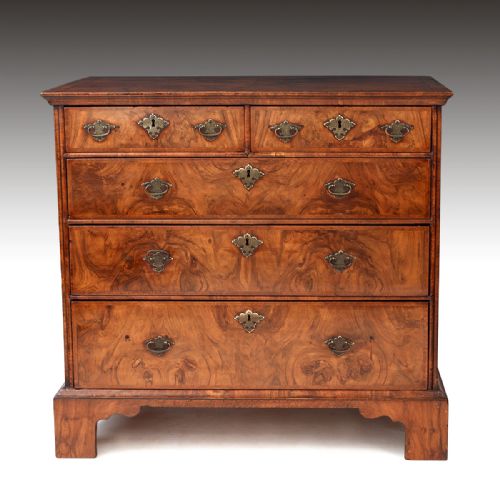
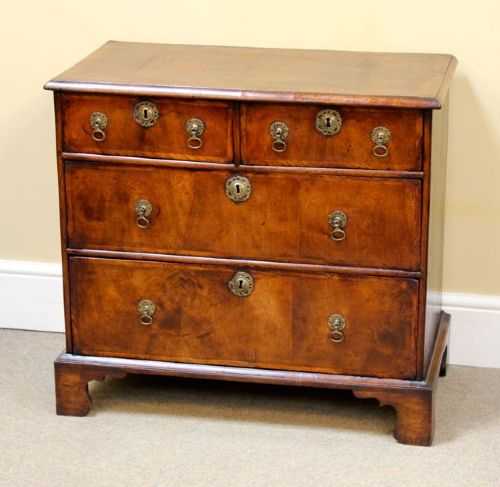
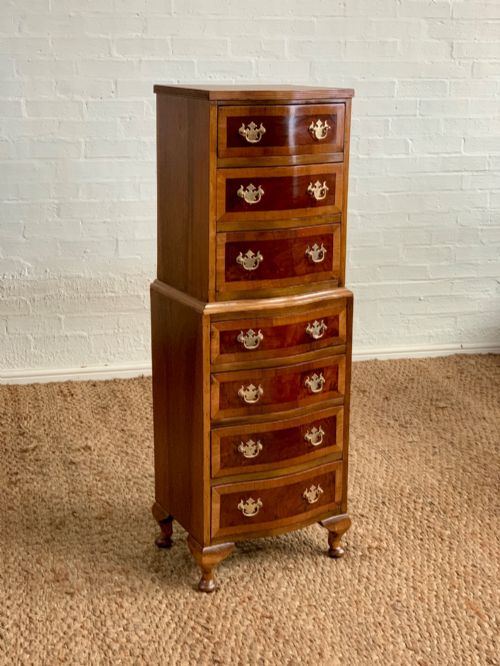
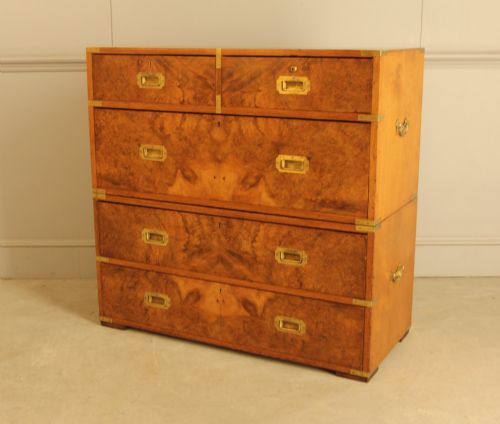
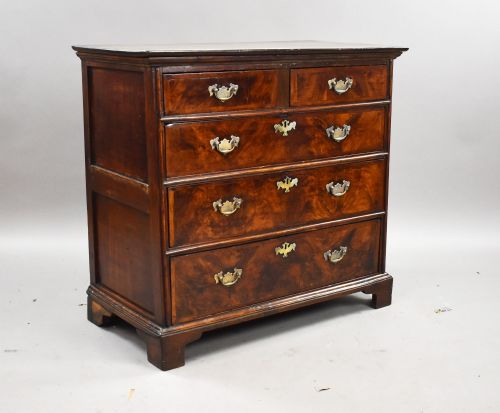
Cabinet makers built these pieces using solid wood carcases overlaid with figured walnut veneers, burr walnut, or oyster veneers to display intricate grain patterns. Cross-banding and marquetry inlay frequently embellished the primary surfaces.
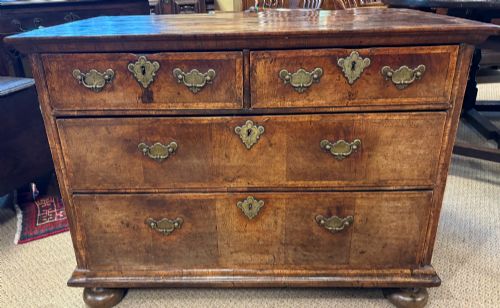
Metal fittings played a crucial role in construction and decoration, utilising brass for drop handles, escutcheons, and drawer pulls. Carved wooden elements, such as bun feet, supported the weight of heavier carcases.
Continental examples often incorporated heavy stone elements, mounting shaped marble tops onto French and Italian commodes. Secondary timbers like oak, pine, and fruitwood formed the internal drawer linings and structural framing.
Listings feature walnut chests spanning from the late seventeenth century through the Georgian and Victorian eras up to 1930s Art Deco pieces.
Distinctions in craftsmanship and preservation
The sophistication of the timber selection dictates the visual impact, with symmetrical burr walnut figures and precise cross-banding marking the higher tier of cabinet work. Original surface patination and uncompromised veneer integrity separate well-preserved examples from heavily restored ones.
Hardware authenticity heavily influences overall merit, as original brass drop handles and period locks indicate a piece retaining its authentic components. The precision of dovetail joinery within the drawer construction reveals the hand of a skilled maker.
The Two Drawer Walnut Chest Glossary
- Burr walnut
- A prized timber harvested from tree growths, yielding intricate, swirling grain patterns used for decorative veneer.
- Commode
- A low standing chest of drawers or cabinet, frequently of French or Italian origin and sometimes finished with a marble top.
- Oyster veneer
- Small circular or oval slices cut across small branches and arranged in patterns resembling oyster shells.
- Marquetry
- Decorative inlay work using various woods to create pictorial designs across the surface of the furniture.
- Dovetail
- A traditional interlocking joint used to secure drawer corners with high tensile strength.
Two Drawer Walnut Chest: Frequently Asked Questions
Where should I place a two drawer walnut chest?
These compact chests suit smaller spaces where surface area and drawer storage are both required. They work effectively beside a bed as a nightstand or against a hallway wall.
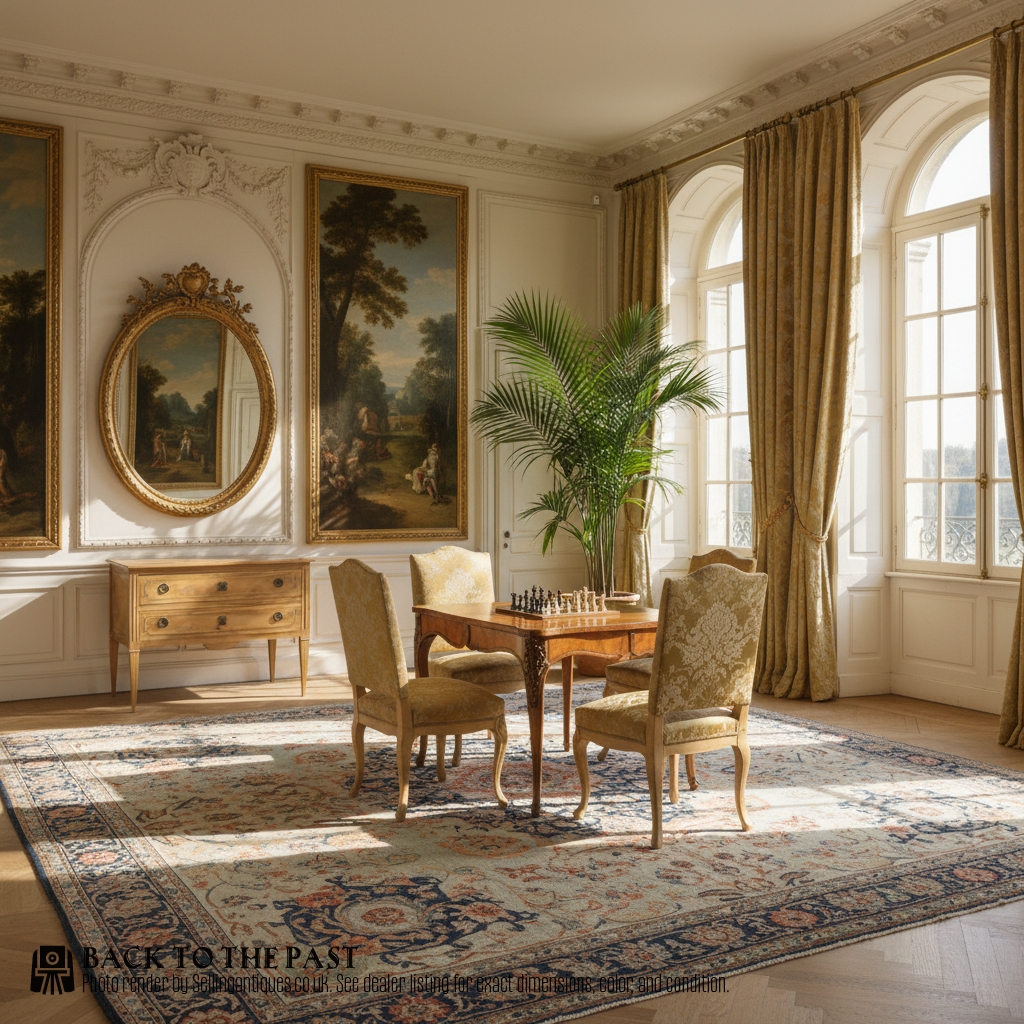
The rich brown tones of walnut pair naturally with neutral walls and traditional architectural details. Their modest height also allows placement beneath mirrors or artwork.
How do I identify a Georgian walnut chest?
Georgian pieces often display finely figured burr walnut veneers, feather banding, and brass drop handles mounted on backplates. The proportions tend to be restrained, focusing on clean architectural lines.
Internal construction details, such as hand-cut oak or pine dovetails within the drawers, further confirm the period origin.
What is the difference between a commode and a chest?
A commode generally refers to continental European low chests of drawers, frequently associated with French and Italian designs. They often feature serpentine fronts and marble tops.
A standard chest of drawers is typically English in origin, built with rectilinear carcases and timber tops rather than stone.
How do I care for antique walnut furniture?
Keep walnut furniture away from direct sunlight and heat sources to prevent the veneers from drying out or splitting. Maintaining a stable indoor temperature protects the timber and finish.
Apply a traditional wax polish occasionally and buff gently with a soft cloth to preserve the natural lustre of the wood.