


Pale Wood Chest Drawers
These pale wood chest drawers offer a lighter tonal presence in a room, spanning centuries of cabinet-making in oak, pine, walnut and birch.
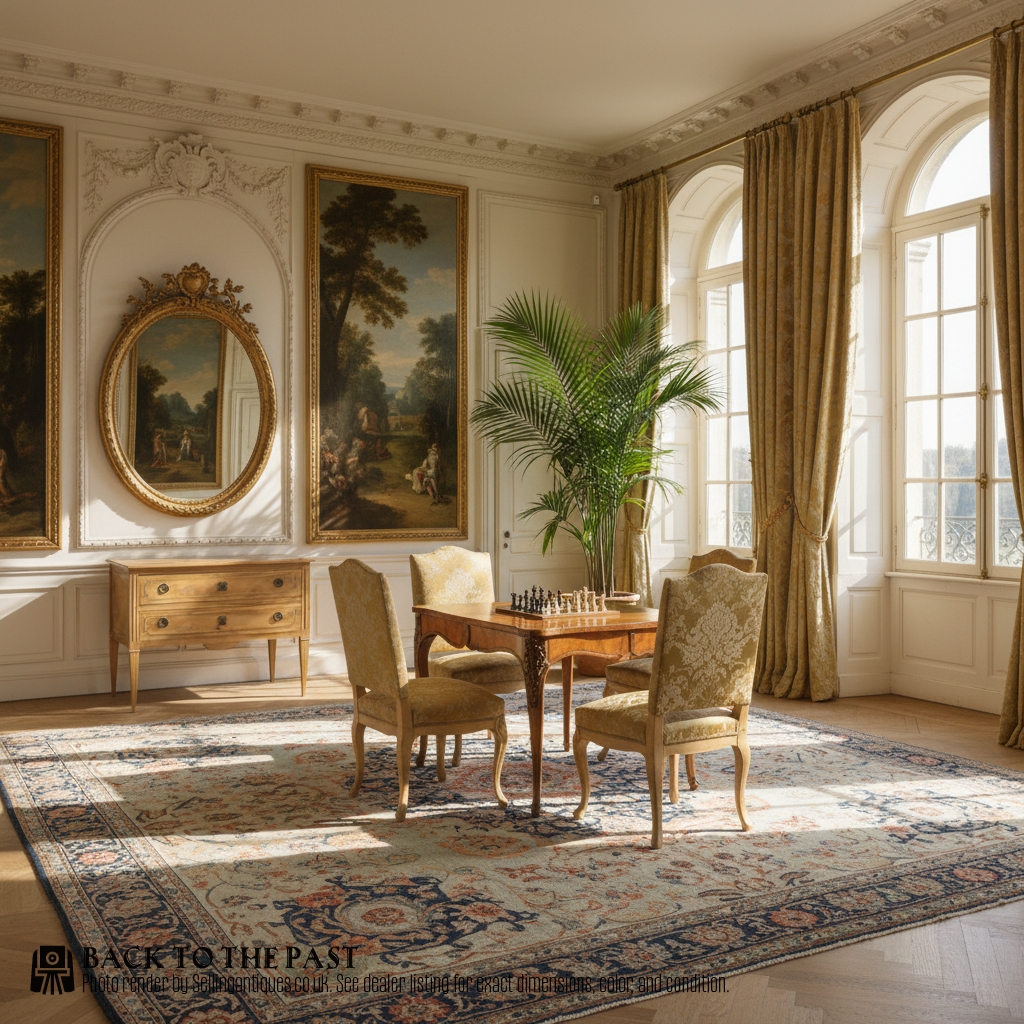
Pale Wood Chest Drawers
A pale wood chest drawers brings a softer, washed grain to domestic storage through centuries of regional European workshop production. When you search for pale wood chest drawers, you encounter vernacular pieces and formal commodes ranging from the eighteenth century to the late Victorian era.
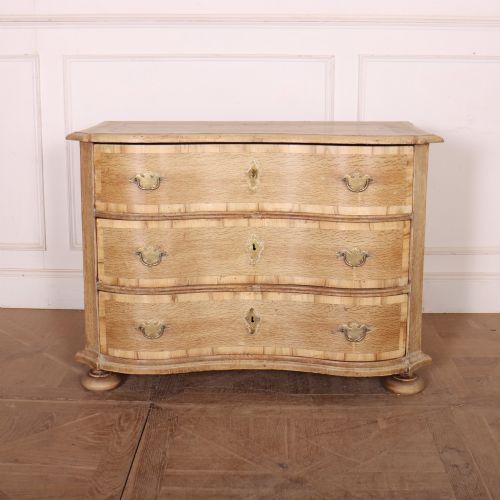
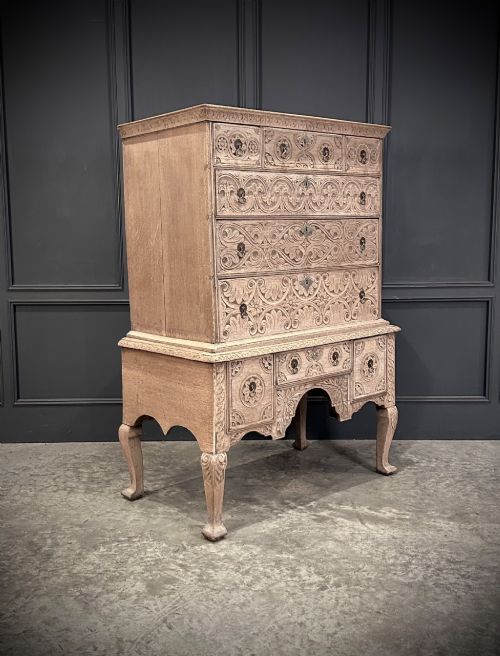
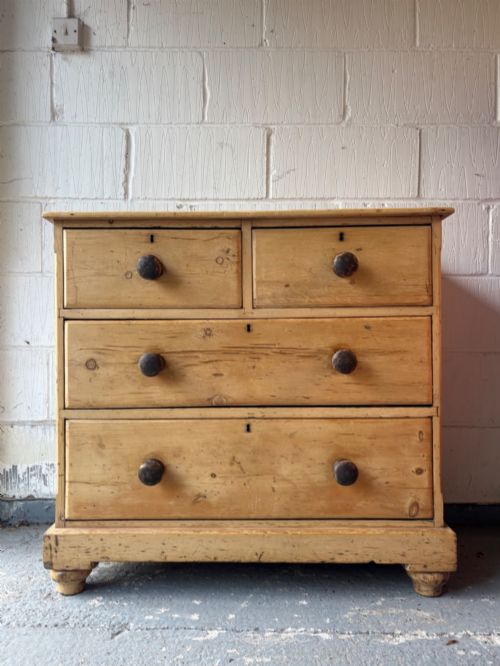
The dominant forms on this page include eighteenth-century commodes, tall chests on stand, and substantial four-drawer pine or oak carcases. Continental pieces display bombe contours and Austrian Rococo lines alongside simpler British country models.
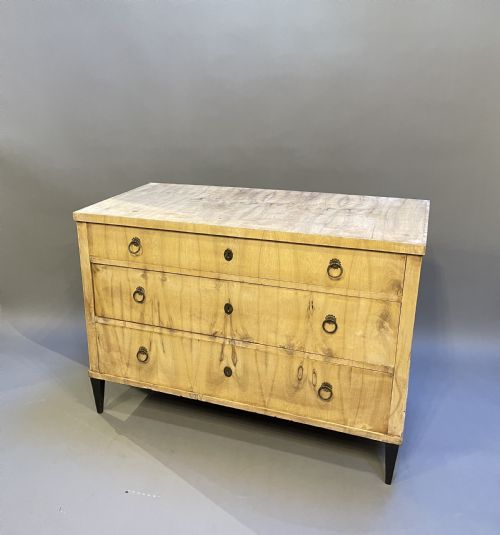
Makers utilised native timbers like oak, pine and birch, often finished with scrubbed surfaces or intentional bleaching that highlights the natural figuring. Brass hardware and turned bun handles complete pieces designed for functional bedroom or living space storage.
How they were made
Cabinet-makers constructed these carcases primarily from solid oak, pine, and walnut, employing traditional jointing methods suited to heavy daily domestic use. Timber was selected for durability, with drawer fronts frequently featuring book-matched veneers or solid planks.
Surfaces received various treatments, from contemporary scrubbing to historic bleaching that alters the native tone of the timber while preserving grain visibility. Metal mounts in brass were cast and fitted to secure drawers and doors, accompanied by turned wooden handles or brass drop pulls.
Several pieces owe their pale appearance entirely to generations of enthusiastic domestic scrubbing.
What varies in quality
Quality rests upon the architectural proportion of the carcase and the integrity of the timber selection. Finer examples display deliberate grain alignment across drawer tiers and refined carving on stands or mouldings.
The sophistication of regional joinery dictates overall merit, distinguishing vernacular utility furniture from courtly continental commodes with bombe profiles. Hardware originality and the preservation of untreated or period-appropriate surface finishes further separate standard pieces from exceptional survivals.
The Pale Wood Chest Drawers Glossary
- Commode
- A low chest of drawers or cabinet, typically French or continental in origin, often featuring decorative hardware and shaped fronts. These pieces frequently served formal reception rooms rather than private bedchambers.
- Bombe
- A bulging, outward-curving chest profile characteristic of continental furniture styles, requiring advanced woodworking skill to construct. This undulating form creates dramatic shadow and highlights the timber grain.
- Chest on stand
- A tall storage carcase elevated on an integrated leg structure or base table, lifting the drawers off the floor. This format provides substantial capacity while maintaining a lighter visual footprint in a room.
- Scrubbed finish
- A wood surface washed repeatedly with water and abrasive brushes to remove dark finishes and reveal the raw, pale grain beneath. This treatment yields a clean, matte texture favoured in country workshops.
Pale Wood Chest Drawers: Frequently Asked Questions
What periods do these pale wood chests come from?
The selection encompasses pieces from the eighteenth and nineteenth centuries, including Georgian and Victorian eras.
Workshop traditions span British country furniture alongside continental European production from Austria, France, Italy and the Netherlands.
Which woods are most common?
Oak, pine and walnut form the primary construction materials, alongside birch and general timber.
Many surfaces feature intentional bleaching or scrubbing to achieve a lighter aesthetic across the grain.
How were these chests used originally?
They provided essential bedroom and domestic storage for garments, linens and personal items.
Formally styled commodes also functioned as decorative serving surfaces in reception rooms and hallways.
What hardware is typical on these pieces?
Original fittings include cast brass drop handles, backplates and key escutcheons.
Certain country models feature turned wooden bun handles fixed directly to the drawer fronts.